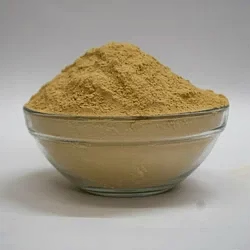
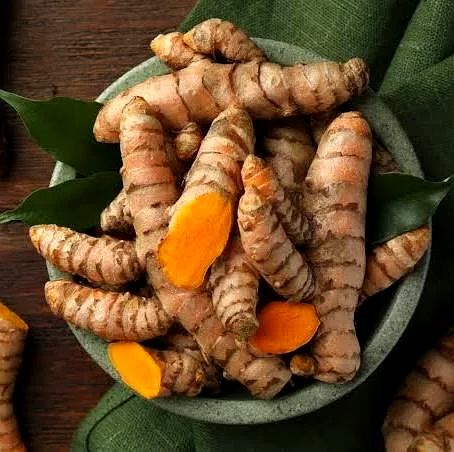
Turmeric (Curcuma longa) is a perennial herb of the ginger family, native to South Asia. It is widely known as the "golden spice" due to the vibrant yellow-orange color of its underground stems, called rhizomes. The primary active ingredient is curcumin, a polyphenol responsible for its distinctive color and many reputed health benefits.
Historically, turmeric has been used for over 4,000 years as a culinary spice in curries and mustards, a natural dye for textiles, and extensively in Ayurvedic and Chinese traditional medicine. It has a warm, earthy, and slightly bitter taste with a peppery aroma. Modern research suggests it possesses potent anti-inflammatory, antioxidant, and antimicrobial properties, making it a popular dietary supplement for conditions like arthritis and digestive issues.
Turmeric (Curcuma longa) is a perennial herb of the ginger family, native to South Asia. It is widely known as the "golden spice" due to the vibrant yellow-orange color of its underground stems, called rhizomes. The primary active ingredient is curcumin, a polyphenol responsible for its distinctive color and many reputed health benefits.
Historically, turmeric has been used for over 4,000 years as a culinary spice in curries and mustards, a natural dye for textiles, and extensively in Ayurvedic and Chinese traditional medicine. It has a warm, earthy, and slightly bitter taste with a peppery aroma. Modern research suggests it possesses potent anti-inflammatory, antioxidant, and antimicrobial properties, making it a popular dietary supplement for conditions like arthritis and digestive issues.