• Key Features & Attributes
  • Ratings & Reviews
  • Know your Supplier
  • Product description from supplier

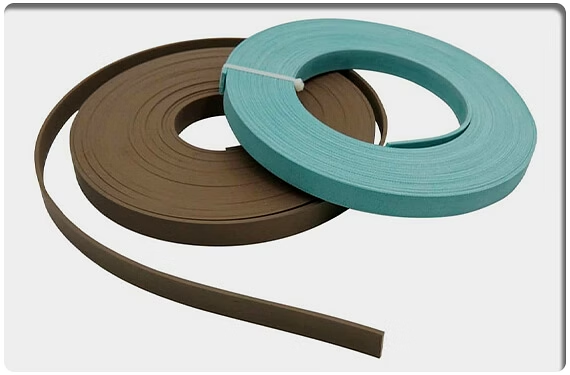
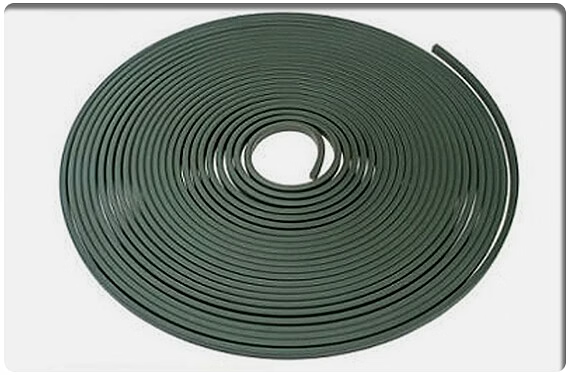
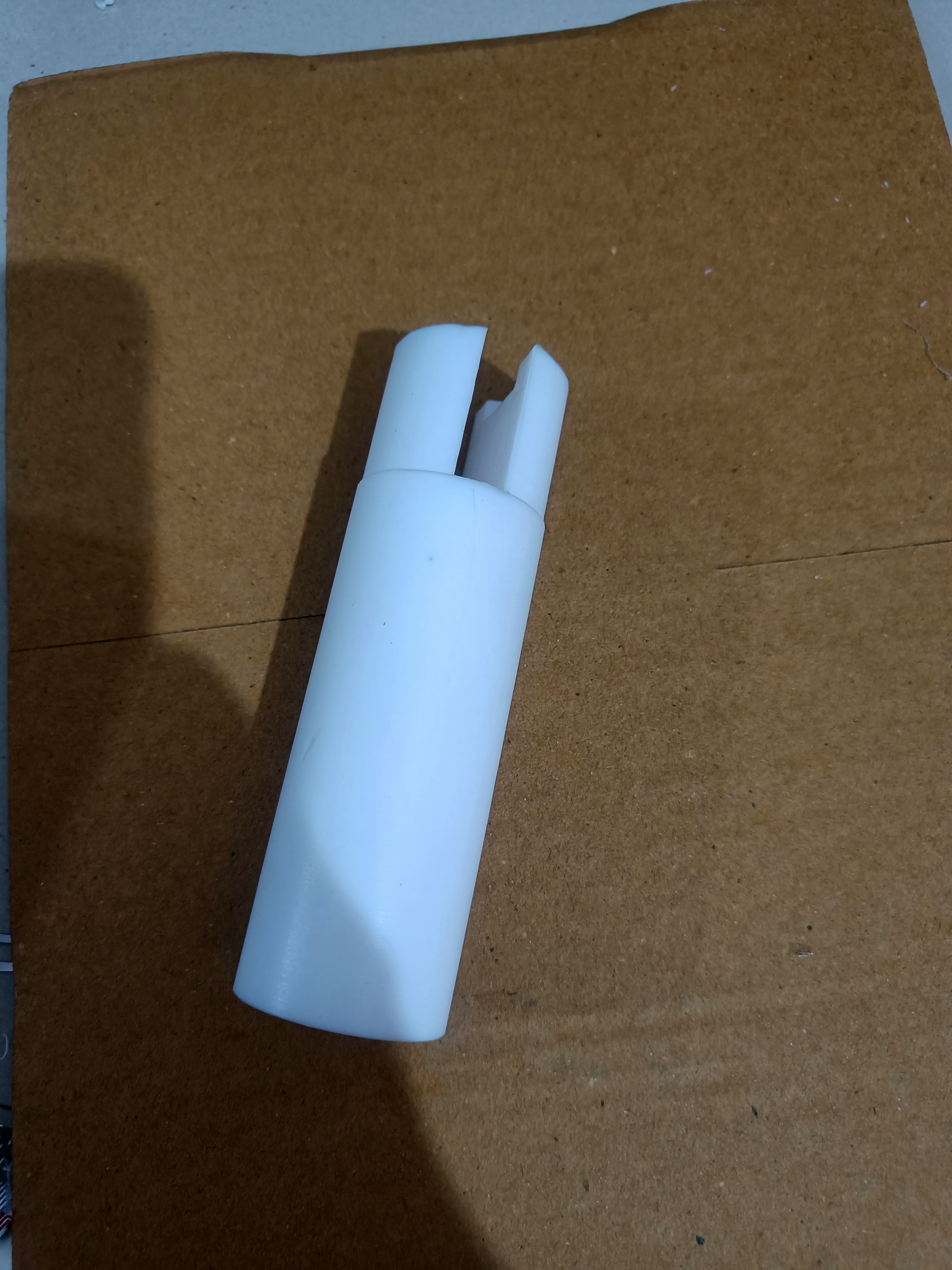
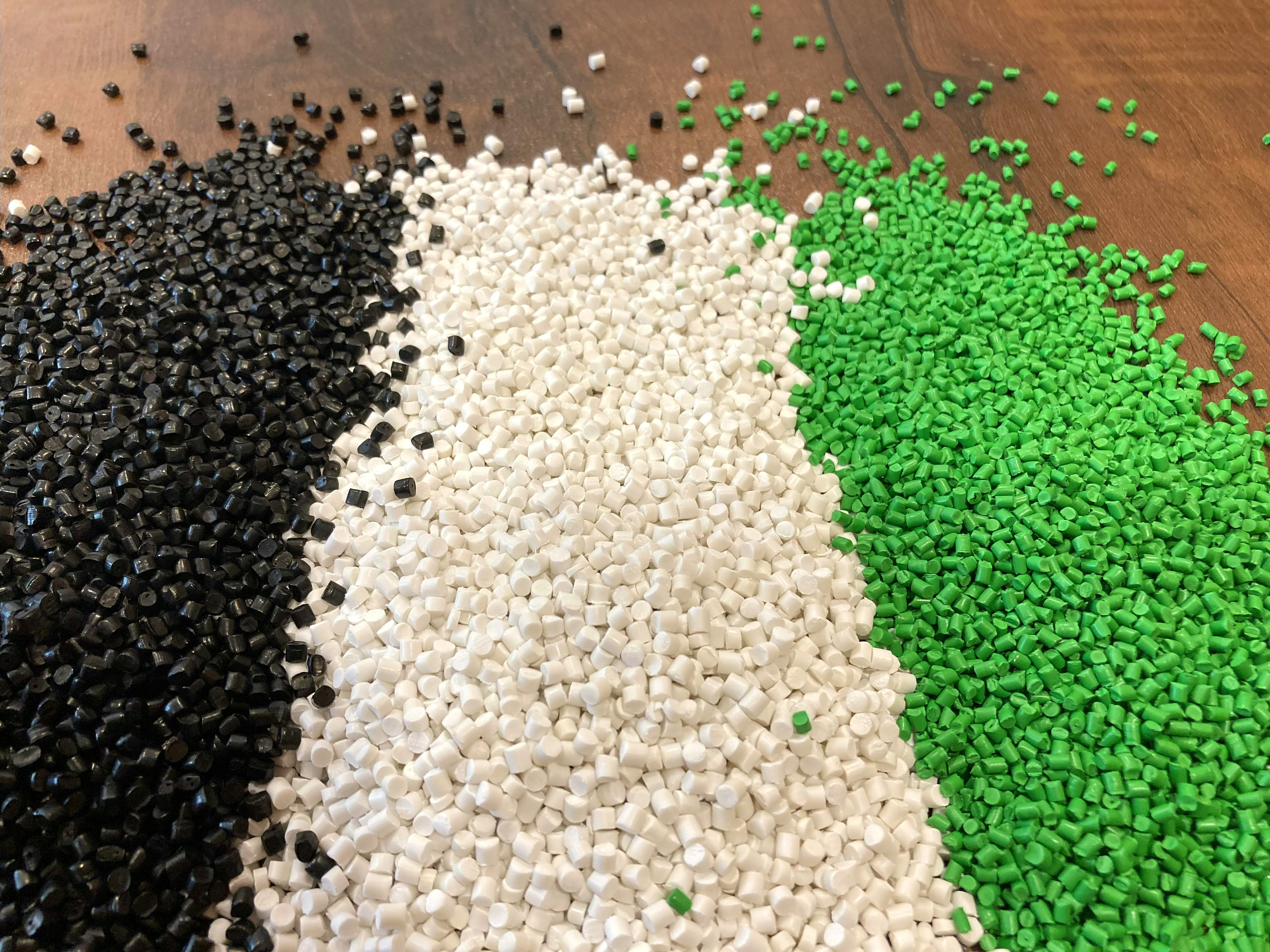
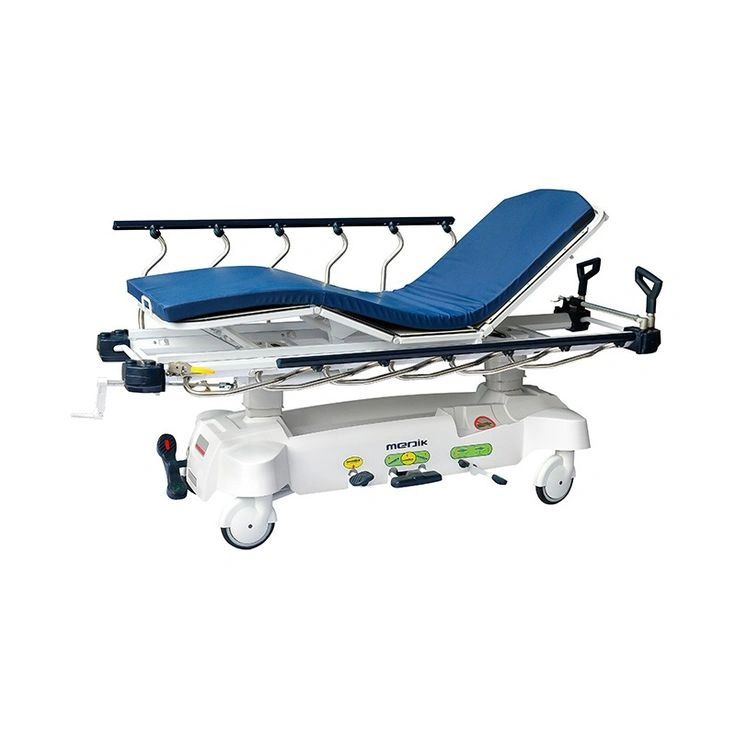
Transfer structure ABS material

Inclusive of all taxes

The Transfer Structure ABS material is a high-performance engineering thermoplastic that stands out for its combination of exceptional strength, toughness, and impact resistance. With a unique composition that includes Acrylonitrile, Butadiene, and Styrene, this versatile polymer is ideal for a diverse range of applications across multiple industries. Whether you're in consumer electronics, automotive manufacturing, or even 3D printing, Transfer Structure ABS offers remarkable durability and processability, ensuring that your products meet industry standards and consumer expectations. Its ability to withstand moderate temperatures, coupled with excellent chemical resistance, makes it suitable for environments where performance is critical. Moreover, the material's aesthetics can be enhanced through surface finishing or painting, allowing for customization in consumer goods. With its excellent impact resistance and strength, Transfer Structure ABS is the preferred choice when quality and reliability are paramount.

Key Features

Features Description
Impact Resistance Excellent toughness suitable for durable products.
Heat Resistance Withstands moderate temperatures for versatile applications.
Chemical Resistance Provides stability in various chemical environments.
Processability Easily molded or 3D printed for diverse manufacturing techniques.
Surface Finish Can be painted or finished for aesthetic applications.
Molecular Structure A tough rubbery phase dispersed within a rigid matrix.
Applications Widely used in automotive parts, electronic housings, and consumer goods.
Attributes Description
Material Type Acrylonitrile Butadiene Styrene (ABS)
Molecular Composition Copolymer of acrylonitrile, butadiene, and styrene
Tensile Strength High, suitable for load-bearing applications
Processing Method Injection molding, extrusion, and 3D printing
Color Options Natural, customizable through painting and finishing
Density Approximately 1.04 g/cm³
Temperature Resistance Functional up to 80°C (176°F)
Impact Strength (Izod) Varies based on formulation but generally high for most applications

*Disclaimer: The above description has been AI-generated and has not been audited or verified for accuracy. It is recommended to verify product details independently before making any purchasing decisions.

Be the first to write a review

Transfer Structure ABS is ideal for applications in consumer goods such as toys and household appliances, automotive components, and 3D printing due to its strength, toughness, and processability.

Yes, ABS is popular for 3D printing because of its ease of processing, strength, and impact resistance, but proper ventilation is required during printing due to fumes.

Yes, ABS has a good level of chemical resistance, making it suitable for applications in challenging environments.

Transfer Structure ABS can function effectively at temperatures up to approximately 80°C (176°F).

Absolutely. The surface of Transfer Structure ABS can be easily painted or finished to achieve desired aesthetics.

  • Incorporation Type

  • GST

  • GST Registration Date

  • Number of Employees

  • Import Export Code (IEC)

  • Year of Establishment

  • Nature of Business

  • GlobalLinker Member Since

Country Of Origin: India

Acrylonitrile Butadiene Styrene (ABS) is a thermoplastic polymer known for its strength, toughness, and impact resistance. Its unique structure combines three distinct monomers: acrylonitrile, butadiene, and styrene. This composition results in a material that is versatile, easy to process, and widely used in various applications, including consumer electronics, automotive parts, and toys.

Chemical Composition:


Acrylonitrile: Provides chemical resistance and thermal stability.

Butadiene: Contributes to impact resistance and toughness.

Styrene: Enhances rigidity and process ability.

Molecular Structure:


ABS is a copolymer, meaning it is formed by the polymerization of two or more different monomers. The structure can be visualized as a rubbery butadiene phase dispersed within a rigid matrix of styrene and acrylonitrile, creating a tough and durable material.

Physical Properties:


Impact Resistance: ABS is known for its excellent toughness, making it suitable for products that require durability.

Heat Resistance: It can withstand moderate temperatures, making it suitable for applications involving heat.

Surface Finish: ABS can be easily painted or finished, allowing for a wide range of aesthetic applications.

Applications:


Consumer Goods: Commonly used in items like toys (e.g., LEGO bricks), household appliances, and electronic housings.

Automotive: Employed in interior components and exterior trim due to its durability and resistance to impact.

3D Printing: ABS is popular in additive manufacturing for its strength and ease of printing, although it requires proper ventilation due to fumes.


Rubber And Plastics

Engineering Plastics

ABS Material

Acrylonitrile Butadiene Styrene

Impact-resistant Plastic

Thermoplastic Polymer

3D Printing ABS

Automotive Parts Material

Consumer Goods Plastic

Transfer structure ABS material

Inclusive of all taxes

You Save: 0

Send Inquiry
nirvan global

Delhi , India

Service Provider , Service Center, Manufacturer, Professional Services, Contractor, Retailer, Brand Owner, Distributor, Exporter, Importer, Wholesaler, Women Entrepreneur, Startup

  • Days
    Returnable

  • Secure
    Transaction

  • Free
    Delivery

  • Cancellations
    Refund &

  • Day
    Dispatch

Report a problem with this product