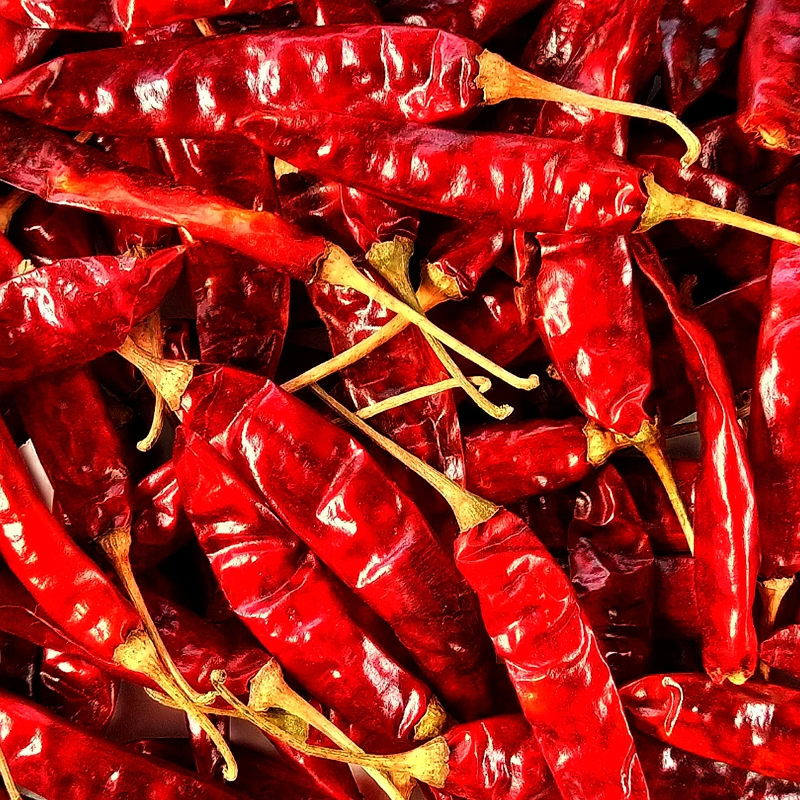
Tomatoes (Solanum lycopersicum) are widely cultivated, versatile fruits highly valued for their culinary and nutritional importance. Originating from western South America, tomatoes have become a staple ingredient in global cuisines, especially Mediterranean dishes like Italian, Spanish, and Greek. Rich in vitamins C and K, potassium, folate, and powerful antioxidants such as lycopene, tomatoes contribute significantly to health by potentially reducing the risk of heart disease, certain cancers, and supporting skin health. The product includes multiple tomato varieties, from small cherry tomatoes to large beefsteak types, offering diverse color options like red, yellow, orange, green, and purple. These tomatoes are suitable for various applications including fresh consumption in salads and sandwiches, and cooking in sauces, soups, and other dishes. Cultivated in temperate climates and greenhouses, these tomatoes ensure availability year-round. This product is ideal for companies in the food processing, hospitality, and grocery supply chains seeking high-quality, nutrient-rich tomato varieties for diverse culinary uses.
Key Features
| Features | Description |
|---|---|
| Scientific Name | Solanum lycopersicum |
| Nutritional Content | Rich in Vitamin C, Vitamin K, Potassium, Folate, Lycopene antioxidant |
| Variety Options | Cherry, Beefsteak, Heirloom, and other cultivars in multiple colors (red, yellow, orange, green, purple) |
| Culinary Applications | Used in fresh salads, sandwiches, sauces, soups, and cooking across global cuisines |
| Origin | Western South America, introduced to Europe in the 16th century |
| Cultivation | Grown in temperate climates and greenhouses for year-round supply |
| Health Benefits | Supports heart health, potential cancer risk reduction, and skin health due to antioxidants |
| Packaging Options | Available in bulk packaging suitable for food processors and wholesalers |
| Color Variants | Includes red, yellow, orange, green, and purple tomato varieties |
| Shelf Life | Typically 1-2 weeks under refrigerated conditions |
| Attributes | Description |
|---|---|
| Botanical Family | Solanaceae |
| Growth Habit | Annual vine |
| Typical Weight Range | 15g (cherry) to 250g (beefsteak) per fruit |
| pH Range | 4.3 to 4.9 (typical for ripe tomatoes) |
| Optimal Temperature for Growth | 20-25°C (68-77°F) |
| Harvest Period | 60-100 days after transplanting depending on variety |
| Storage Temperature | 4-10°C recommended to optimize shelf life |
| Packaging Material | Food-grade plastic crates, cardboard boxes, or bulk bins |
| Use By | 1-2 weeks, depending on storage conditions |
| Cultivation Method | Open field and greenhouse production |
*Disclaimer: The above description has been AI-generated and has not been audited or verified for accuracy. It is recommended to verify product details independently before making any purchasing decisions.
This bulk supply includes a variety of tomato types such as cherry tomatoes, beefsteak tomatoes, heirloom varieties, and other cultivars available in multiple colors including red, yellow, orange, green, and purple.
To maximize shelf life, tomatoes should be stored at a temperature between 4 and 10°C, ideally in food-grade packaging, which can keep them fresh for up to 1-2 weeks.
Yes, these tomatoes are well-suited for the food processing industry, including making sauces, soups, and canned products, due to their rich nutritional profile and variety of types available in bulk quantities.
These tomatoes provide essential vitamins such as C and K, potassium, folate, and antioxidants like lycopene, contributing to heart health, potential cancer risk reduction, and improved skin health.
Yes, tomatoes are supplied with flexible packaging options including bulk crates, cardboard boxes, or bins to suit food processors, wholesalers, and other commercial buyers.
Sure, here's some comprehensive information about tomatoes:
**Scientific Name:** *Solanum lycopersicum*
**Overview:**
Tomatoes are a popular fruit (though often culinary classified as a vegetable) known for their versatility in cooking and widespread cultivation. They are believed to have originated in western South America and were brought to Europe by Spanish explorers in the 16th century.
**Nutritional Value:**
Tomatoes are rich in vitamins C and K, potassium, folate, and antioxidants such as lycopene, which is associated with several health benefits.
**Culinary Uses:**
Tomatoes are used in various cuisines worldwide, in dishes ranging from salads and sandwiches to sauces and soups. They come in different colors, sizes, and shapes, from small cherry tomatoes to large beefsteak tomatoes.
**Cultural Significance:**
Tomatoes have cultural significance in many countries, notably in Mediterranean cuisine (e.g., Italian, Spanish, and Greek dishes). They are also a staple in many diets due to their nutritional value and versatility.
**Growth and Production:**
Tomatoes are grown in diverse climates around the world. They thrive in temperate climates but can also be cultivated in greenhouses to extend the growing season.
**Health Benefits:**
Consumption of tomatoes has been linked to various health benefits, including reduced risk of heart disease, cancer prevention (especially prostate cancer), and improved skin health due to their high antioxidant content.
**Fun Fact:**
Although commonly red, tomatoes can also be yellow, orange, green, or even purple, depending on the variety.
Tomatoes are truly versatile and widely appreciated both in culinary traditions and for their health benefits. If there's anything specific you'd like to know more about or any particular aspect of tomatoes you're interested in, feel free to ask!
Stay informed with the latest market trends, quality guides, and industry analysis