



Inclusive of all taxes
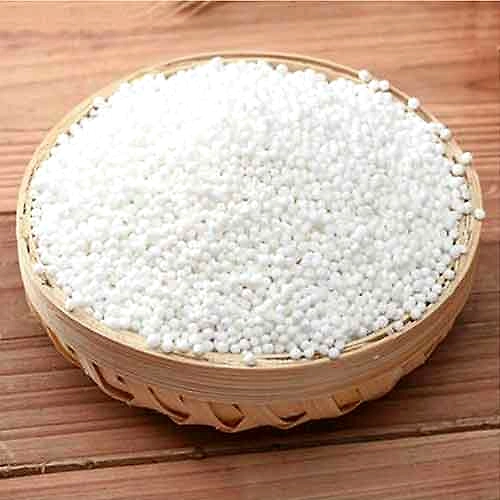
Sago rice, commonly referred to as sabudana or tapioca, is a highly versatile starch extracted from the pith of the sago palm, particularly Metroxylon sagu. This unique ingredient typically appears in the form of small, pearl-like, white granules. Renowned for its culinary significance, especially in Southeast Asian and Indian cuisines, sago serves as a staple food and an essential ingredient across various dishes. Notably rich in carbohydrates, but low in protein and essential vitamins, sago is frequently used during fasting periods in Indian households. It's the primary ingredient in popular dishes like Sabudana Khichdi, Sabudana Kheer, and Sabudana Vada, as well as puddings and snacks. Besides its delectable taste and texture, sago works excellently as a thickening agent in recipes, making it a must-have for food manufacturers and restaurants looking to diversify their offerings. Sago is known by different names in multiple regional languages, reflecting its deep-rooted cultural significance. For instance, it's called Javvarisi in Tamil, sagubiyyam in Telugu, sabakki in Kannada, and sabudana in Hindi, Gujarati, and Marathi. By including sago in your ingredient lineup, you not only cater to authentic cooking practices but also embrace the rich culinary diversity it offers.
Key Features
| Features | Description |
|---|---|
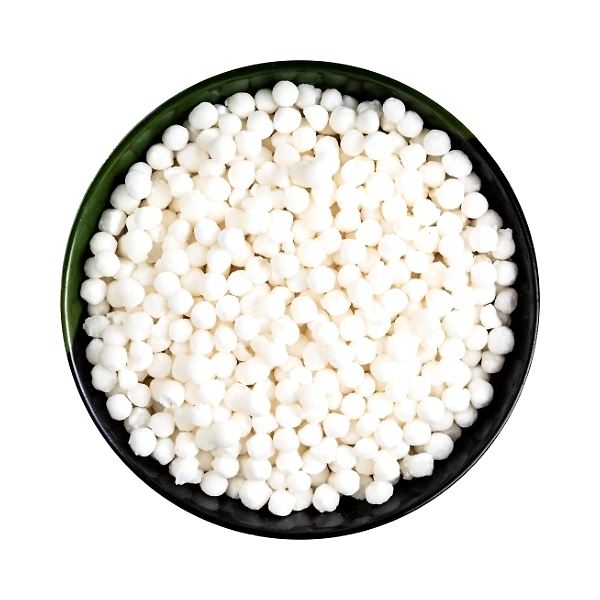
| Appearance | Small, pearl-like, white granules |
| Nutritional Profile | Good source of carbohydrates, low in protein, vitamins, and minerals |
| Culinary Usage | Widely used as a staple food in Southeast Asian and Indian cuisines |
| Dishes | Key ingredient in Sabudana Khichdi, Sabudana Kheer, Sabudana Vada, and various puddings |
| Regional Variations | Known as Javvarisi (Tamil), sagubiyyam (Telugu), sabakki (Kannada), sabudana (Hindi, Gujarati, Marathi) |
| Attributes | Description |
|---|---|
| Product Type | Tapioca starch (sago rice) |
| Source | Extracted from the pith of sago palms (Metroxylon sagu) |
| Culinary Regions | Southeast Asia and India |
| Primary Ingredients | Starch derived from sago palms |
| Packaging | Available in various packaging sizes for B2B supply |
| Shelf Life | Typically 12 months when stored in a cool, dry place |
*Disclaimer: The above description has been AI-generated and has not been audited or verified for accuracy. It is recommended to verify product details independently before making any purchasing decisions.
Sago rice is primarily used in a variety of dishes including Sabudana Khichdi, Sabudana Kheer, and Sabudana Vada, as well as puddings and snacks.
Sago is primarily a carbohydrate source, offering energy while being low in protein, vitamins, and minerals, making it distinct from other nutrient-dense starch alternatives.
Yes, sago works excellently as a thickening agent due to its starchy composition, making it suitable for various dishes needing a thick consistency.
Sago rice is known by a variety of names including Javvarisi in Tamil, sagubiyyam in Telugu, sabakki in Kannada, and sabudana in Hindi, Gujarati, and Marathi.
Sago rice typically has a shelf life of around 12 months when stored in a cool, dry place to maintain freshness.
Brand: anitha traders
Country Of Origin: India
Sago rice, also known as sabudana or tapioca, is a starch extracted from the pith of sago palms, primarily used in Southeast Asian and Indian cuisines as a staple food or ingredient in various dishes.
Source: Sago is a starch derived from the pith (spongy core tissue) of various tropical palm stems, particularly Metroxylon sagu.
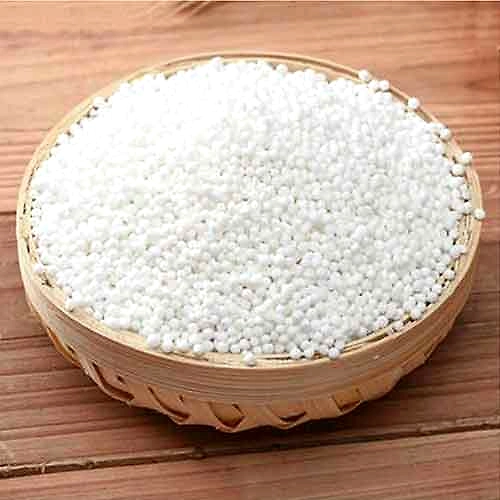
Appearance: It appears as small, pearl-like, white granules.
Nutritional Profile: It's a good source of carbohydrates, but relatively low in protein, vitamins, and minerals.
Uses:
Staple Food: In some regions, like New Guinea and the Maluku Islands, sago is a major staple food.
Indian Cuisine: In India, it's used in various dishes, especially during fasting periods, like Sabudana Khichdi, Sabudana Kheer, and Sabudana Vada.
Other Dishes: It can be used in puddings, snacks, and as a thickening agent.
Other Names: Sago is also known as sabudana or tapioca in some regions.
Regional Variations: In Tamil, it's called Javvarisi, in Telugu sagubiyyam, in Kannada sabakki, and in Hindi, Gujarati, and Marathi, it's known as sabudana.
Inclusive of all taxes
You Save: 0

Salem , India
Retailer, Distributor, Exporter, Women Entrepreneur, Startup
GST- 33eadpa3432b1zn
