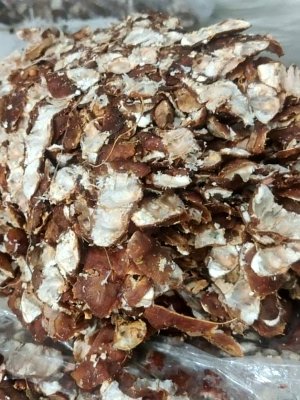
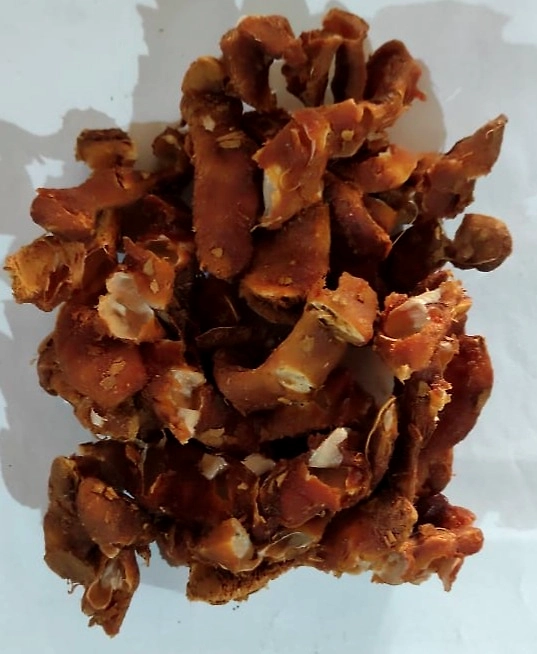
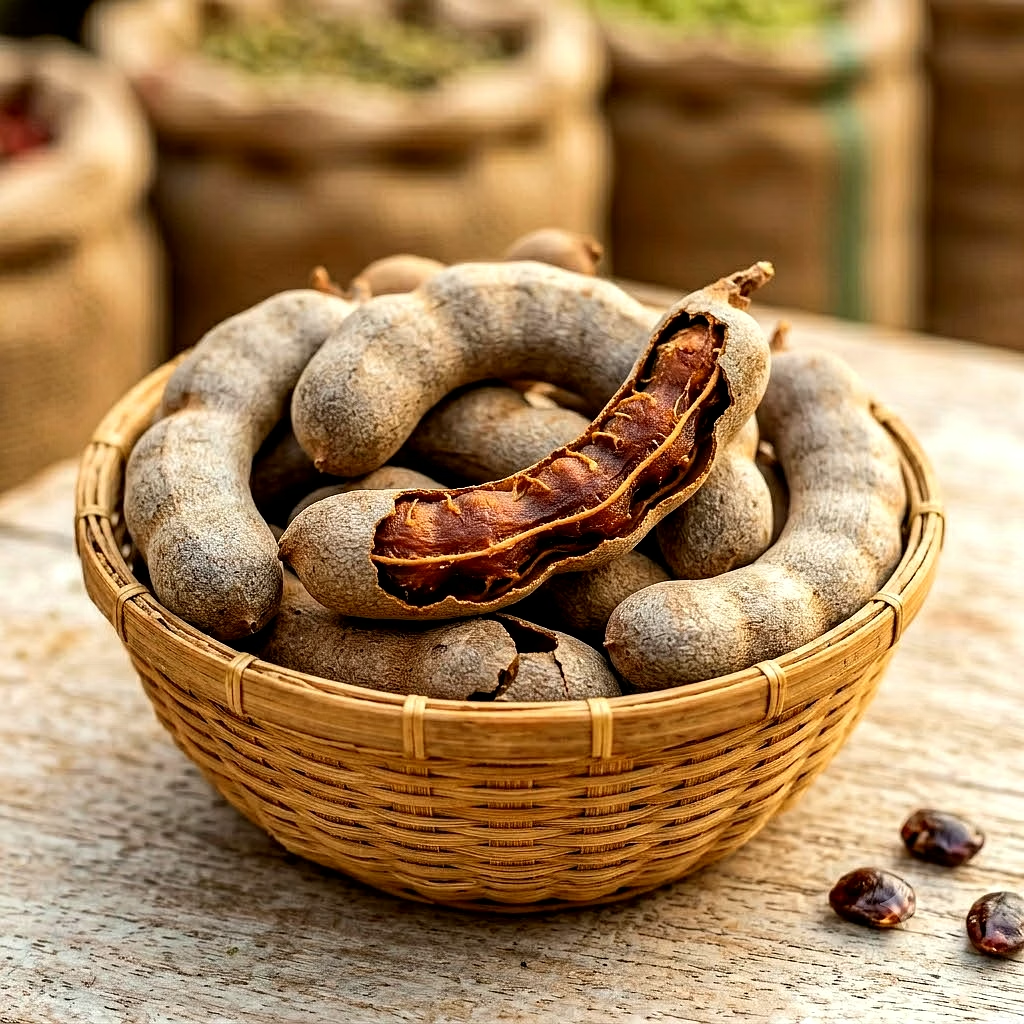
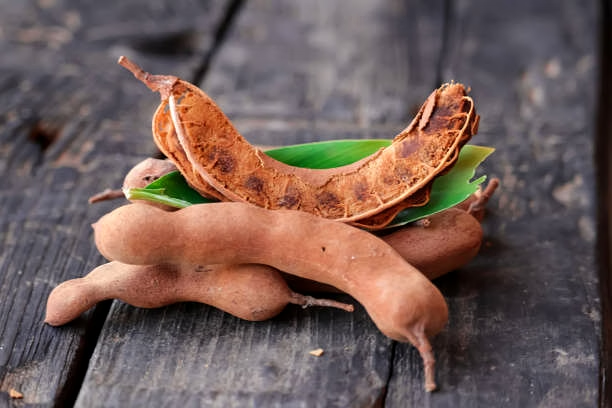
Tamarind (Tamarindus indica) is a versatile tropical fruit known for its sticky dark brown pulp enveloping glossy seeds. Renowned for its unique sweet and tangy flavor profile, tamarind is an essential ingredient across Asian, Middle Eastern, and Latin American culinary traditions. The pulp’s natural balance of sour and sweet notes enhances sauces, marinades, chutneys, beverages, and confectionery products, offering depth and complexity to food preparations. In the B2B sector, tamarind is supplied in various processed forms—raw pods, concentrate, paste, or powder—to meet specific manufacturing and food processing needs. Its rich flavor, coupled with nutritional benefits like antioxidants and vitamins, makes tamarind a preferred choice for food manufacturers, restaurateurs, and spice blenders seeking authentic and high-quality fruit derivatives. Tamarind's easy integration into food formulations and its ability to act as a natural flavor enhancer underscore its growing demand in global food industries, particularly for ethnic, gourmet, and health-conscious product lines.
Key Features
| Features | Description |
|---|---|
| Scientific Name | Tamarindus indica |
| Fruit Form | Pods containing sticky dark brown pulp and seeds |
| Flavor Profile | Sweet, tangy, slightly sour and fruity |
| Culinary Uses | Sauces, marinades, chutneys, beverages, confectionery |
| Origin | Tropical regions, widely cultivated in Asia, Middle East, Latin America |
| Processing Forms | Raw pods, paste, concentrate, powder |
| Nutritional Benefits | Rich in antioxidants and vitamins |
| Suitability | Ideal for food manufacturers, spice blenders, restaurant supply |
| Shelf Life | Long shelf life when properly processed and packaged |
| Natural Enhancer | Acts as a natural flavor enhancer in recipes |
| Attributes | Description |
|---|---|
| Botanical Family | Fabaceae |
| Harvest Season | Typically harvested from late winter to early spring depending on region |
| Pulp Moisture Content | Approx. 30-35% in raw pulp form |
| Product Forms Available | Whole pods, pulp paste, concentrate, dried powder |
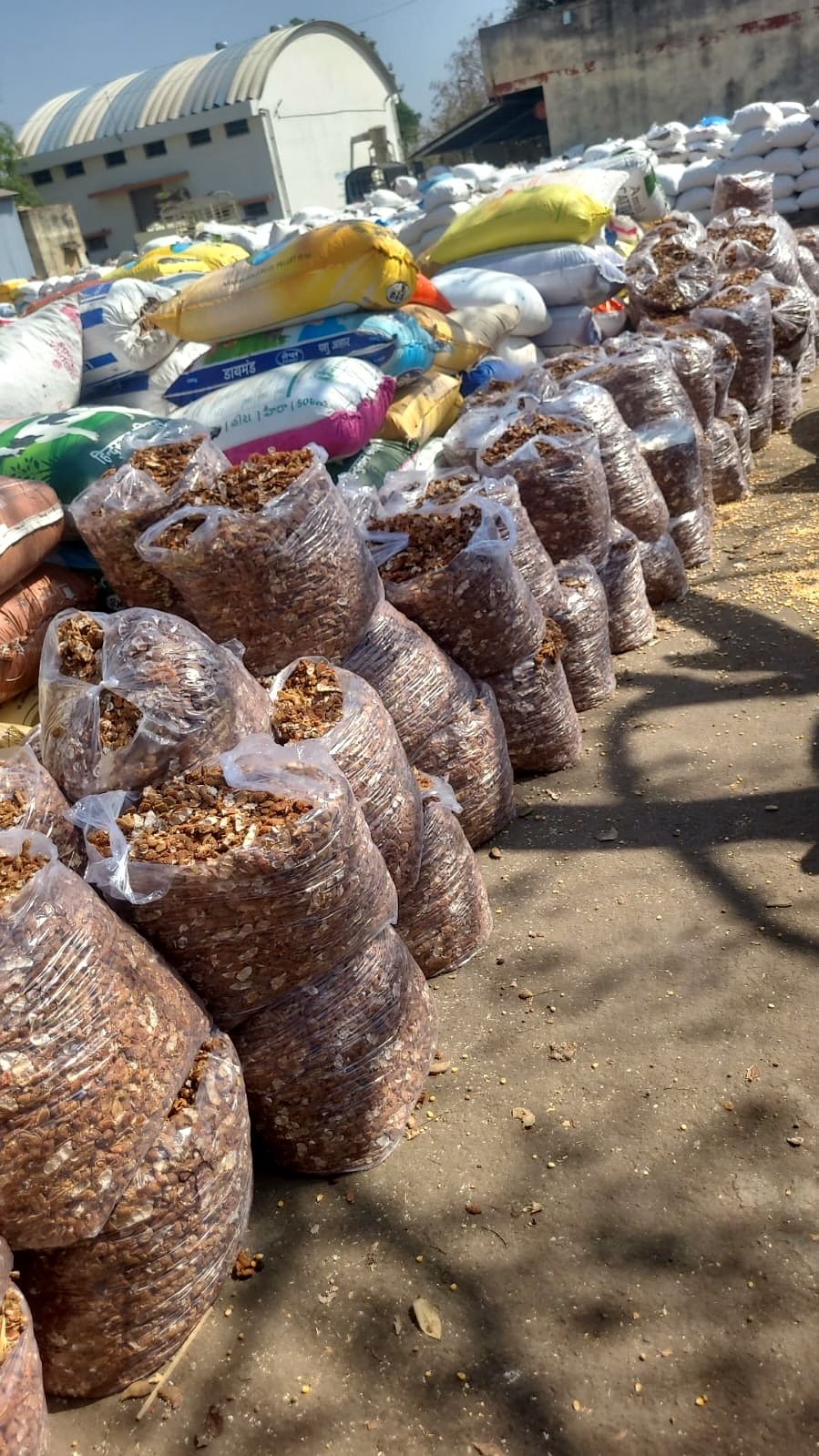
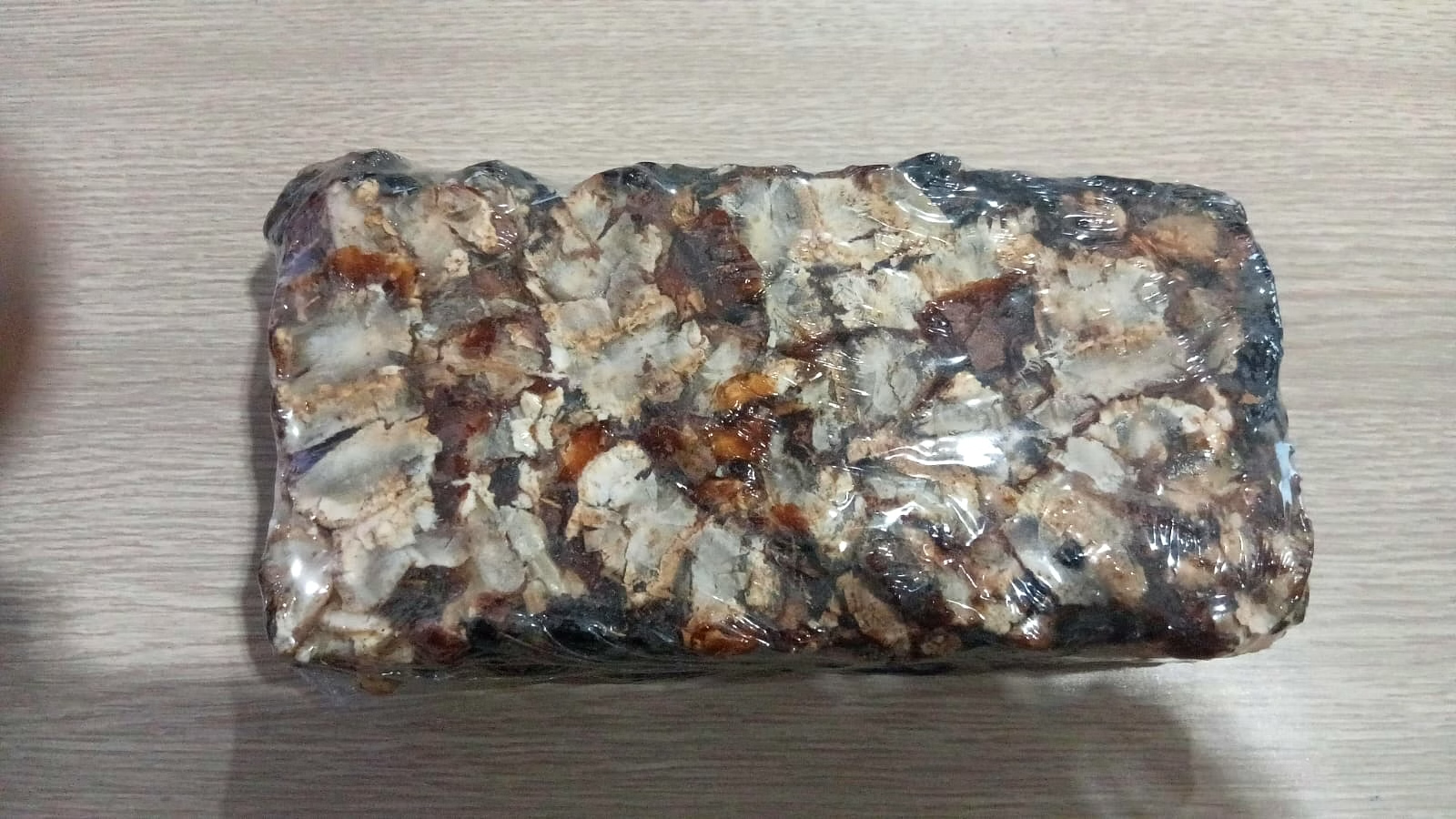
| Packaging Options | Bulk sacks, sealed pouches, vacuum packed containers |
| Storage Conditions | Cool, dry place away from direct sunlight |
| Shelf Life Duration | 12-24 months depending on processing |
| Geographical Origin | India, Thailand, Mexico, and other tropical countries |
| Common Certifications | ISO, HACCP, Organic (on request) |
| Typical Pulp Acidity | pH 3.5-4.5 |
*Disclaimer: The above description has been AI-generated and has not been audited or verified for accuracy. It is recommended to verify product details independently before making any purchasing decisions.
Our tamarind is available in raw whole pods, concentrated paste, powder, and dried pulp forms to suit various food manufacturing and culinary needs.
Tamarind's typical pH range of 3.5-4.5 provides a balanced sourness that enhances flavor complexity in sauces, marinades, and beverages without overpowering dishes.
Tamarind products should be stored in cool, dry environments away from direct sunlight to maintain freshness and extend shelf life up to 24 months.
Yes, tamarind supplied can be certified organic and compliant with ISO and HACCP standards upon request, meeting stringent quality requirements.
Our tamarind is sourced from leading tropical producing countries such as India, Thailand, and Mexico to ensure authentic quality and flavor.
Country Of Origin: India
Tamarind, scientifically known as Tamarindus indica, is a tropical fruit that is widely used in culinary applications, especially in Asian, Middle Eastern, and Latin American cuisines. Here are some key aspects of tamarind:
Appearance:
Tamarind pods contain a sticky, dark brown pulp that surrounds the seeds.
The pulp has a sweet and tangy flavor, which is commonly used in cooking.
Flavor Profile:
Tamarind has a unique taste that is both sweet and sour, with a slightly tangy and fruity flavor.
Tamarind, scientifically known as Tamarindus indica, is a tropical fruit that is widely used in culinary applications, especially in Asian, Middle Eastern, and Latin American cuisines. Here are some key aspects of tamarind:
Appearance:
Tamarind pods contain a sticky, dark brown pulp that surrounds the seeds.
The pulp has a sweet and tangy flavor, which is commonly used in cooking.
Flavor Profile:
Tamarind has a unique taste that is both sweet and sour, with a slightly tangy and fruity flavor.
Inclusive of all taxes
You Save: 0
Mumbai , India
Service Provider , Brand Owner, Distributor, Exporter, Importer, Wholesaler, Startup