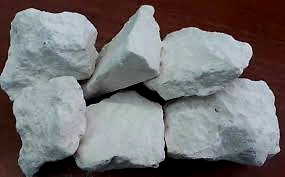
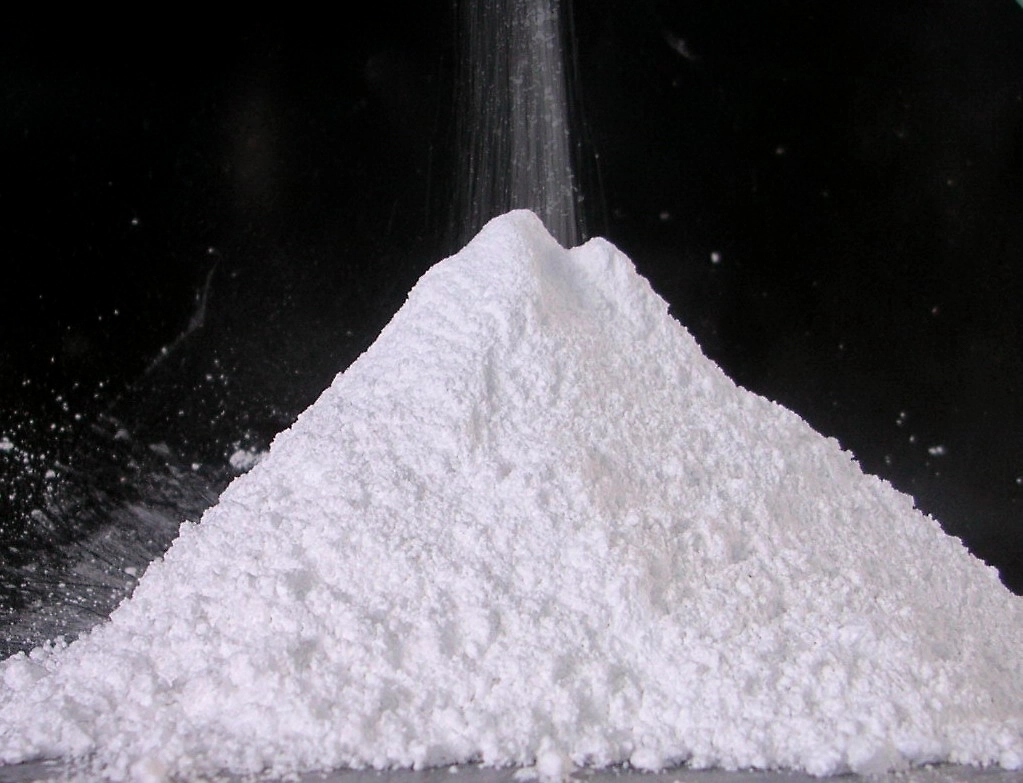
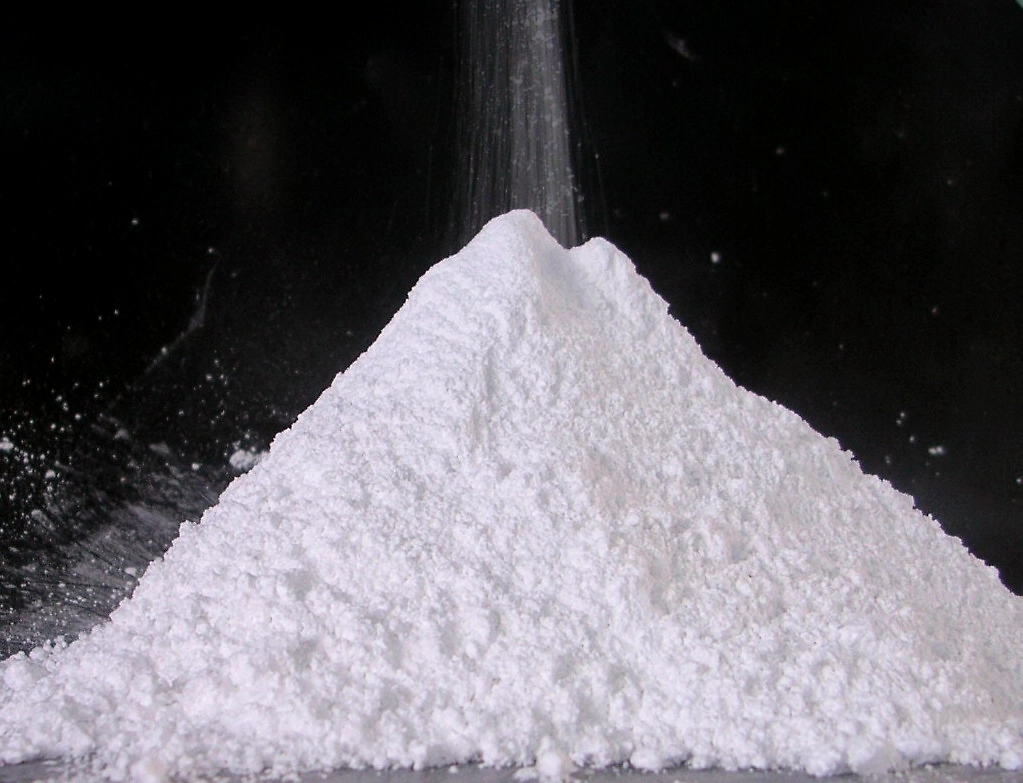
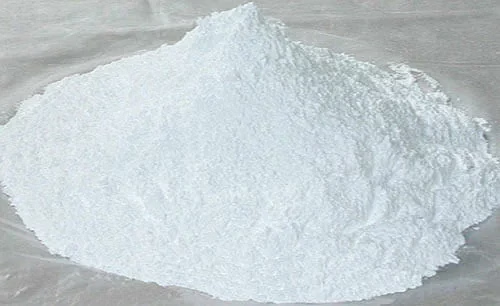
TALC POWDER AL 40 is a high-quality hydrated magnesium silicate mineral widely sourced from the alteration of dolomite or ultramafic intrusive rocks by siliceous hydrothermal fluids. This talc powder is characterized by its unique combination of softness, excellent water repellency, chemical inertness, platyness, and strong affinity for organic substances, making it an essential multifunctional filler and processing aid across various industries. With a high whiteness level of approximately 92%, TALC POWDER AL 40 offers superior opacity and brightness, ideal for enhancing the quality of plastics, paper, ceramics, and paints. Its chemical composition featuring silica content between 50-52%, magnesia from 26-28%, and relatively low alumina and iron oxides ensures excellent purity and consistent performance in application processes. Additional attributes such as balanced pH (8-9), low moisture content (0.4-0.6%), specific gravity ranging from 2.7 to 2.8, and minimal retention on 500 mesh (1.0%) ensure reliable dispersion and compatibility with various formulation matrices and production environments. This makes TALC POWDER AL 40 suitable for B2B customers requiring a cost-effective, high-performance mineral additive to improve product durability, texture, and chemical resistance in end products.
Key Features
| Features | Description |
|---|---|
| Chemical Composition | 50-52% Silica (SiO2), 26-28% Magnesia (MgO), 0.5-1.5% Alumina (Al2O3), 0.5-0.8% Iron Oxide (Fe2O3), 8-10% Calcium Oxide (CaO) |
| Whiteness | 92% +/- 2 |
| Physical Property - Softness | Highly soft mineral ensuring smooth texture and ease of processing |
| pH Range | 8 to 9, mildly alkaline |
| Water Repellency | Excellent, enhancing moisture resistance in end applications |
| Bulk Density | 0.45 to 0.55 gm/ml |
| Loss on Ignition | 10 to 12% |
| Specific Gravity | 2.7 to 2.8 |
| Moisture Content | 0.4 to 0.6% |
| Retention on 500 Mesh | 1.0% ensuring fine particle distribution |
| Attributes | Description |
|---|---|
| Type of Mineral | Hydrated Magnesium Silicate |
| Origin | Formed by transformation of dolomite or ultramafic rocks by siliceous hydrothermal fluids |
| Associated Minerals | Carbonates and chlorite |
| Use Case | Multi-functional filler and process enhancer for plastics, paper, ceramics, paint |
| Color | White |
| Particle Size | Retention on 500 mesh at 1.0% |
| Chemical Inertness | High resistance to chemicals |
| Texture | Platiness and softness |
| Packaging | Bulk industrial packaging suitable for B2B supply chains |
*Disclaimer: The above description has been AI-generated and has not been audited or verified for accuracy. It is recommended to verify product details independently before making any purchasing decisions.
TALC POWDER AL 40 is widely used across plastics manufacturing, paper production, ceramic engineering, and paint formulations due to its properties like softness, chemical inertness, and water repellency.
The 92%+ whiteness enhances opacity, brightness, and aesthetic appeal in products such as paints and paper, while also improving purity in plastics and ceramics.
Its chemical inertness, water repellency, and fine particle size provide improved texture, durability, and resistance to moisture or chemicals in finished goods.
The specific gravity ensures consistent weight and volume ratio for accurate mixing and uniformity in end-product formulations.
No, TALC POWDER AL 40 is primarily intended for industrial applications such as plastics, ceramics, paper, and paints, and not for direct food or pharmaceutical use.
Talc is a hydrated magnesium silicate. Talc deposits form from the transformation of high magnesium rocks by siliceous hydrothermal fluids. Most talc originates from the alteration of dolomite or ultramafic intrusive rocks. Following this process, talc is always found in combination with other mineral(s). Carbonates and chlorite are the most common associated minerals.
Each talc deposit has a unique morphology and mineralogy, but all talcs exhibit the following unique properties: softness, water repellency, chemical inertness, platyness, and an affinity for organic substances.
These properties make talc a highly prized multi-functional filler and process enabler in an array of applications from plastics to paper, ceramics to paint.
TECHNICAL DATA SPECIFICATION
WHITENESS : 92% +/-2
SILICA SiO2 : 50 - 52%
MAGNESIA MgO : 26 - 28%
ALUMINA AI2O3 : 0.50 - 1.50%
IRON Fe2O3 : 0.5 - 0.8%
CALCIUM OXIDE CaO : 8 - 10%
LOSS ON IGNITION : 10 - 12%
BULK DENSITY (gm/ml) : 0.45 - 0.55%
Ph : 8-9
MOISTURE : 0.4 - 0.6%
SPECIFIC GRAVITY : 2.7 - 2.8%
RETENTION ON 500 MESH : 1.0%