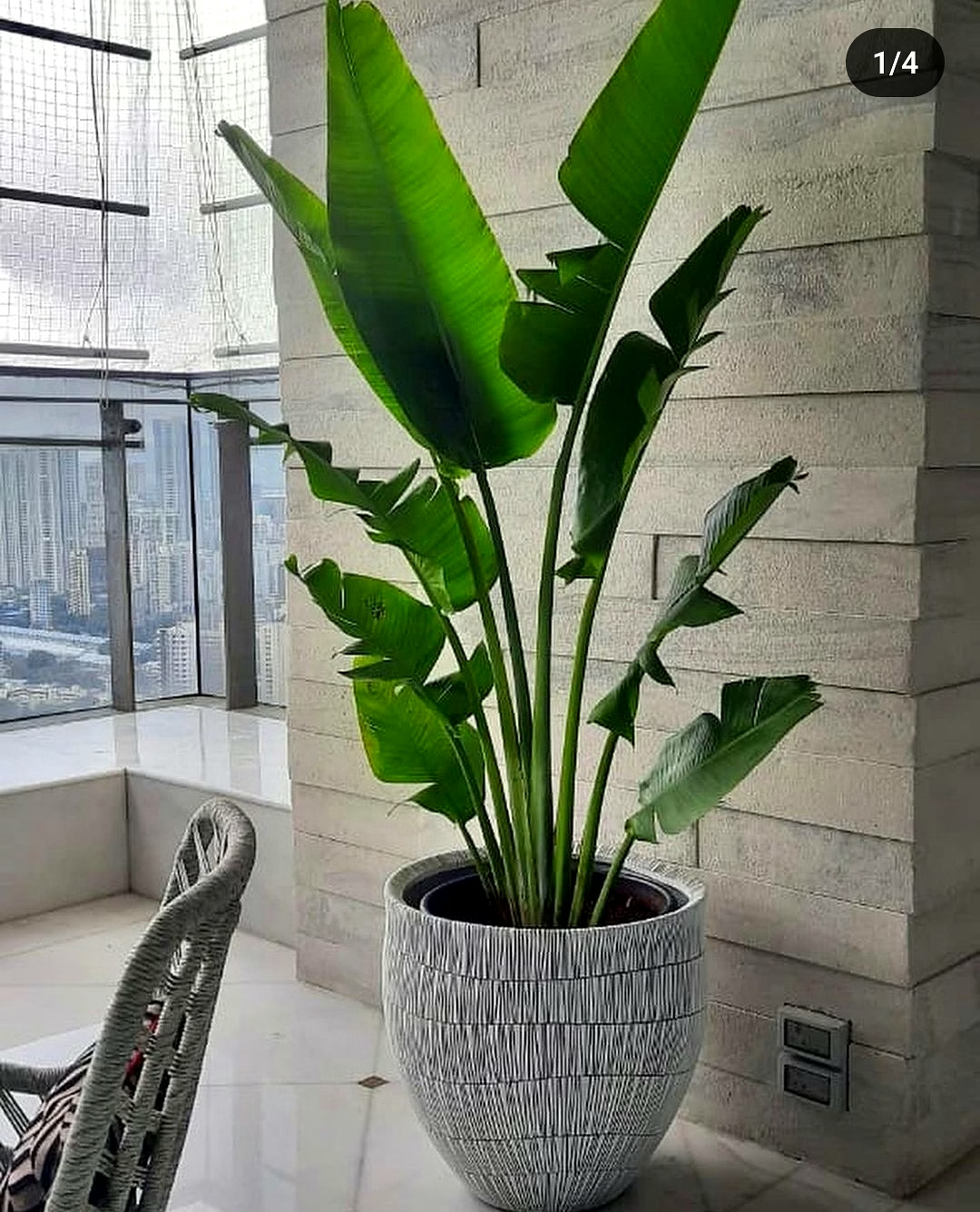
Spider Plant (Chlorophytum comosum) is a highly popular and easy-to-care-for indoor ornamental plant, known for its air-purifying properties and attractive arching leaves with white stripes. Ideal for office spaces, commercial interiors, and retail outlets, spider plants are low-maintenance and thrive in indirect light conditions. These plants help in reducing indoor pollutants such as formaldehyde and carbon monoxide, making them perfect additions for environments seeking natural air filtration. Spider plants propagate easily through their plantlets, allowing businesses to grow and expand their greenery with minimal effort. Their resilience and aesthetic appeal contribute to healthier, fresher indoor atmospheres and enhance workplace productivity and customer experience.
Key Features
| Features | Description |
|---|---|
| Scientific Name | Chlorophytum comosum |
| Type | Indoor Ornamental Plant |
| Light Requirement | Indirect sunlight or partial shade |
| Maintenance | Low maintenance, requires moderate watering |
| Air Purification | Effective in removing indoor toxins like formaldehyde and carbon monoxide |
| Propagation Method | Through plantlets or ‘spiderettes’ |
| Growth Habit | Arching narrow leaves with green and white stripes |
| Ideal Use | Office desks, commercial spaces, indoor gardens |
| Temperature Range | 18°C to 24°C (65°F to 75°F) |
| Pot Size Recommendation | Medium-sized pots for optimal growth |
| Attributes | Description |
|---|---|
| Plant Height | 15-45 cm (6-18 inches) |
| Leaf Color | Green with white variegation |
| Watering Frequency | Water once a week or when soil feels dry |
| Soil Type | Well-draining, loamy soil |
| Fertilizer | Balanced liquid fertilizer once a month |
| Pot Type | Drainage holes recommended |
| USDA Hardiness Zone | 10 to 12 |
| Pest Resistance | Resistant to common indoor pests |
*Disclaimer: The above description has been AI-generated and has not been audited or verified for accuracy. It is recommended to verify product details independently before making any purchasing decisions.
Yes, spider plants adapt well to fluorescent and indirect artificial lighting, making them ideal for office environments with limited natural sunlight.
Propagation is efficiently done through spiderettes (plantlets) that grow from the mother plant’s runners. They can be rooted in water or soil for bulk multiplication.
Water spider plants once a week or when the top inch of soil feels dry to maintain optimal moisture without causing root rot.
Yes, spider plants tolerate indoor air conditioning well, though it is beneficial to avoid direct cold drafts for their best growth.
Use breathable packaging materials with moisture retention features and secure the plant pots to prevent movement and damage during shipment.
Inclusive of all taxes
You Save: 0
Hasanpur Lohari , India
Manufacturer, Contractor, Retailer, Brand Owner, Distributor, Exporter, Wholesaler