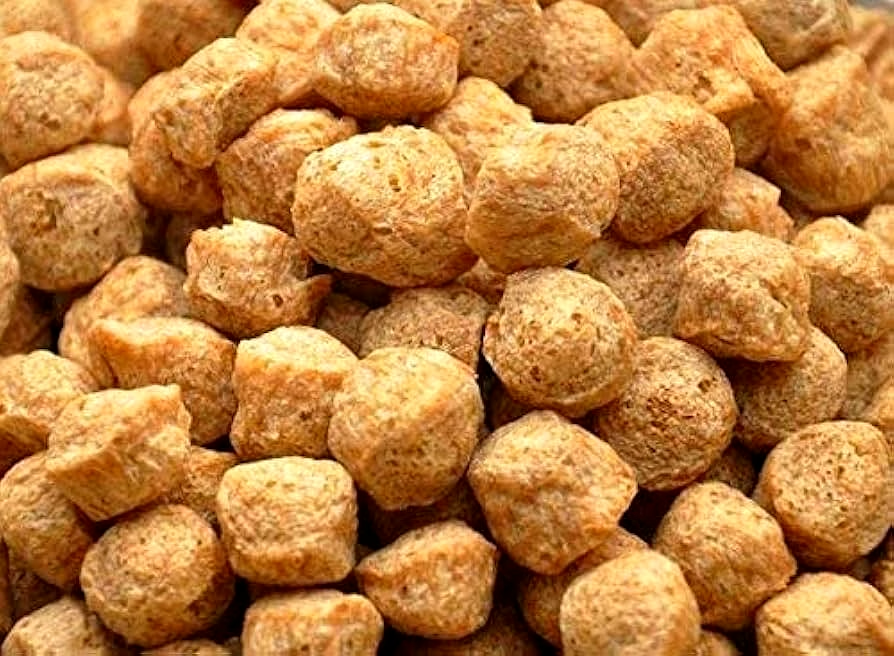
Soya Chunks are a premium plant-based protein product derived from defatted soy flour extracted from soybeans (Glycine max), belonging to the Fabaceae family. These chunks are an excellent vegetarian alternative to animal-based proteins, offering a rich source of glycinin and β-conglycinin proteins, essential amino acids necessary for human growth and development. Soya Chunks are processed to retain high protein content along with beneficial lipids, dietary fibers, and moisture, making them an ideal ingredient for health-conscious businesses and food manufacturers aiming to provide nutritious, sustainable, and versatile protein options. Their texture and ability to absorb flavors make them suitable for a wide array of culinary applications, especially in vegetarian and vegan product lines.
Key Features
| Features | Description |
|---|---|
| Source | Derived from defatted soy flour of soybeans (Glycine max) |
| Protein Content | High in plant-based proteins (glycinin & β-conglycinin) |
| Dietary Benefit | Rich in essential amino acids and dietary fiber |
| Texture | Firm and spongy, absorbs flavors well |
| Usage | Suitable for vegetarian and vegan food product formulations |
| Shelf Life | Long shelf life under proper storage conditions |
| Processing | Dehydrated and processed to retain nutritional value |
| Sustainability | Plant-based protein, environmentally sustainable alternative to meat |
| Non-Allergenic | Gluten-free and suitable for most dietary restrictions except soy allergy |
| Attributes | Description |
|---|---|
| Scientific Name | Glycine max |
| Protein Percentage | Approximately 52-54% protein content |
| Moisture Content | Less than 12% |
| Fat Content | Low fat due to defatting process |
| Fiber Content | Contains dietary fiber aiding digestion |
| Packaging | Available in bulk packaging for B2B supply |
| Color | Light beige to brown |
| Form | Small, dry chunks |
| Storage Condition | Keep in a cool, dry place away from direct sunlight |
*Disclaimer: The above description has been AI-generated and has not been audited or verified for accuracy. It is recommended to verify product details independently before making any purchasing decisions.
These soya chunks are derived from defatted soy flour obtained from Glycine max soybeans, ensuring a high protein plant-based product.
Soya chunks offer a rich source of plant-based complete proteins, containing essential amino acids similar to meat but with lower fat content and added dietary fiber.
Yes, they are entirely plant-based, making them ideal for vegetarian and vegan food products and suitable for protein fortification.
Store soya chunks in a cool, dry place away from direct sunlight to preserve their nutritional value and extend shelf life.
Yes, they are available in large-scale bulk packaging to meet the demand of B2B customers in the food production industry.
These soya chunks are gluten-free but contain soy proteins, so they are not suitable for individuals with soy allergies.
Their firm and porous texture allows them to absorb spices and sauces effectively, providing a meat-like bite and enhanced taste in culinary applications.
Country Of Origin: India
In the last few years, the vegetarian diet has been gaining popularity as many people are looking for alternatives to non-vegetarian foods. The animal diet contains protein, which is an essential part of one’s diet and crucial for human growth. However, vegetarians can’t consume meat. Alternatively, plant-based protein, like soya chunks, is now being utilised to meet the protein demand. Soya chunks are derived from soya bean which is scientifically known as Glycine max, belonging to the pea family (Fabaceae). Soybeans, part of the legume species, contain proteins. Glycinin and β-conglycinin. Along with proteins, they also contain lipids, dietary fibres, and moisture1. Let us learn more about the benefits of eating soya chunks.