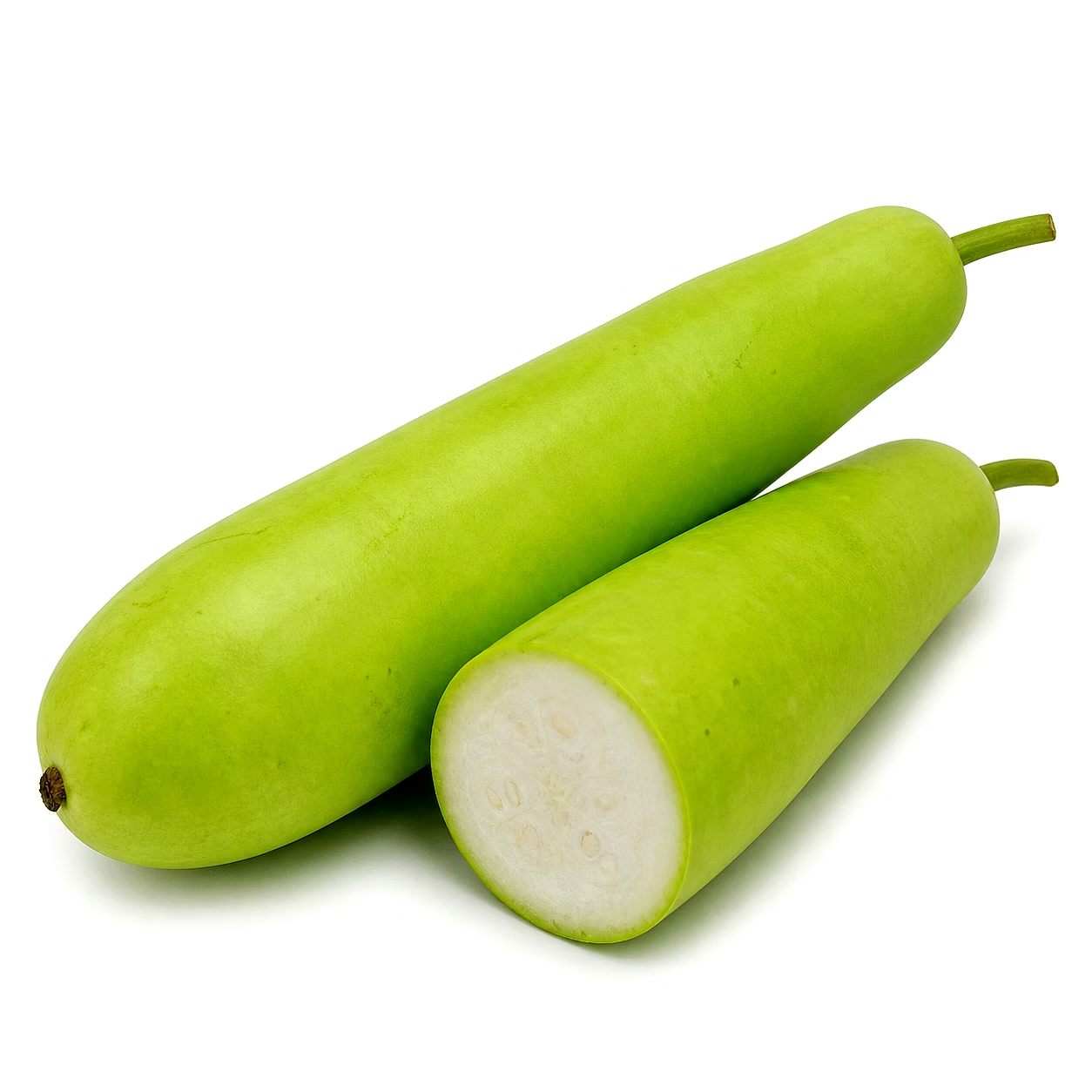
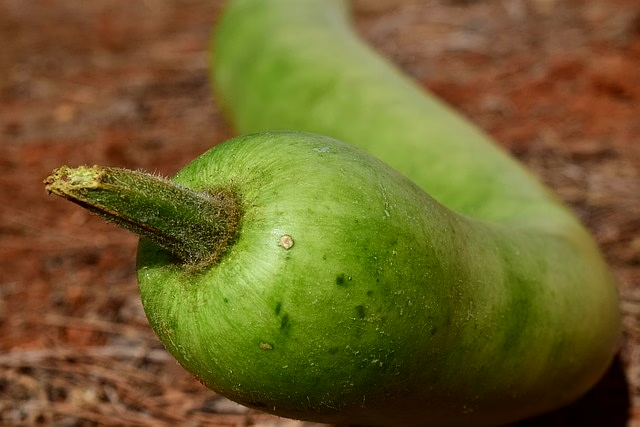
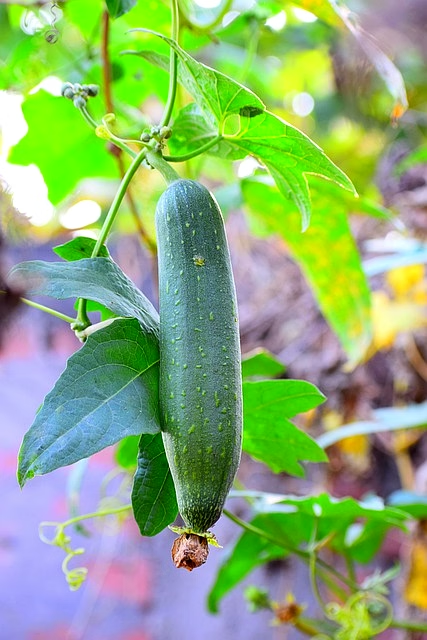
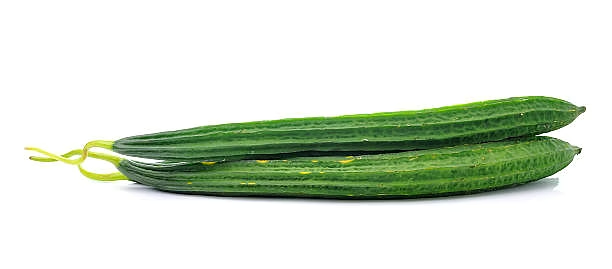
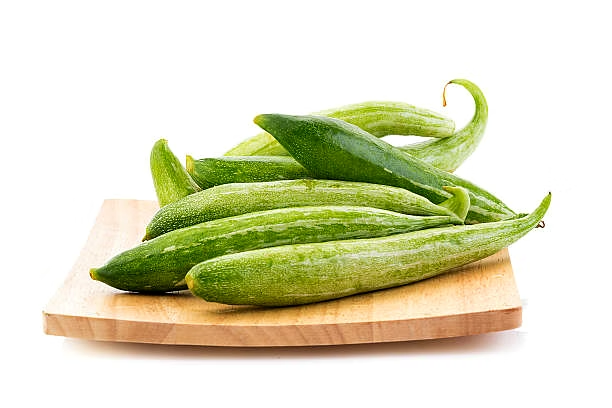
Snake Gourd (Trichosanthes cucumerina) is a versatile and nutritious vegetable widely used in various culinary applications. The mature fruit pulp of Snake Gourd can be consumed as a substitute for tomatoes, offering a unique flavor profile that enhances traditional dishes. Additionally, the tender leaves and shoots of the plant are edible and packed with nutritional benefits, making this plant valuable not only for its fruit but also for its greens. Known for its elongated, snake-like shape, the Snake Gourd comes in varieties such as Club and traditional Snake gourds. This vegetable is commonly used in soups, stews, and stir-fried dishes, particularly in South Asian cuisine. Its adaptability for multiple uses—from fruit pulp to leafy greens—makes it an excellent choice for commercial farming and supply in wholesale markets catering to restaurants, food processors, and health-conscious consumers.
Key Features
| Features | Description |
|---|---|
| Scientific Name | Trichosanthes cucumerina |
| Edible Parts | Mature fruit pulp, leaves, shoots |
| Culinary Uses | Substitute for tomatoes, soups, stews, stir-fries |
| Varieties | Club gourd, traditional Snake gourd |
| Nutritional Benefit | Rich in vitamins and dietary fiber |
| Shape | Elongated, snake-like appearance |
| Harvesting | Mature fruits and tender leaves/shoots |
| Agricultural Benefits | Multi-use crop - fruit and greens |
| Regional Popularity | Common in South Asian and Southeast Asian cuisine |
| Attributes | Description |
|---|---|
| Botanical Classification | Cucurbitaceae family |
| Fruit Color | Green with white stripes or solid green |
| Fruit Length | 20-50 cm typically |
| Growing Season | Warm weather, typically summer |
| Edibility | Pulp edible when mature, leaves and shoots edible |
| Harvest Time | 60-100 days after planting |
| Storage Conditions | Cool, dry place; refrigeration recommended for freshness |
| Packaging | Bulk boxes or crates suitable for wholesale distribution |
*Disclaimer: The above description has been AI-generated and has not been audited or verified for accuracy. It is recommended to verify product details independently before making any purchasing decisions.
Yes, the mature fruit pulp of Snake Gourd is edible and can be used as a substitute for tomatoes in various culinary dishes, providing a unique flavor and texture.
Yes, the tender leaves and shoots are edible and can be harvested alongside the fruit, offering additional product lines for commercial markets.
Common varieties include Club gourd and the traditional Snake gourd, both widely cultivated and available in bulk supply.
The fruits typically range from 20 cm to 50 cm in length, depending on the variety and cultivation conditions.
Snake Gourd should be stored in a cool, dry place with refrigeration recommended to preserve freshness during transport and storage.
Country Of Origin: India
It's possible to eat the pulp of mature fruits in place of tomatoes, and the leaves and shoots are also edible. variety, such as Club and Snake gourds. Padwal, chichinda, snake gourd (Trichosanthes cucumerina), and snake gourd
Inclusive of all taxes
You Save: 0
Mumbai , India
Service Provider , Brand Owner, Distributor, Exporter, Importer, Wholesaler, Startup