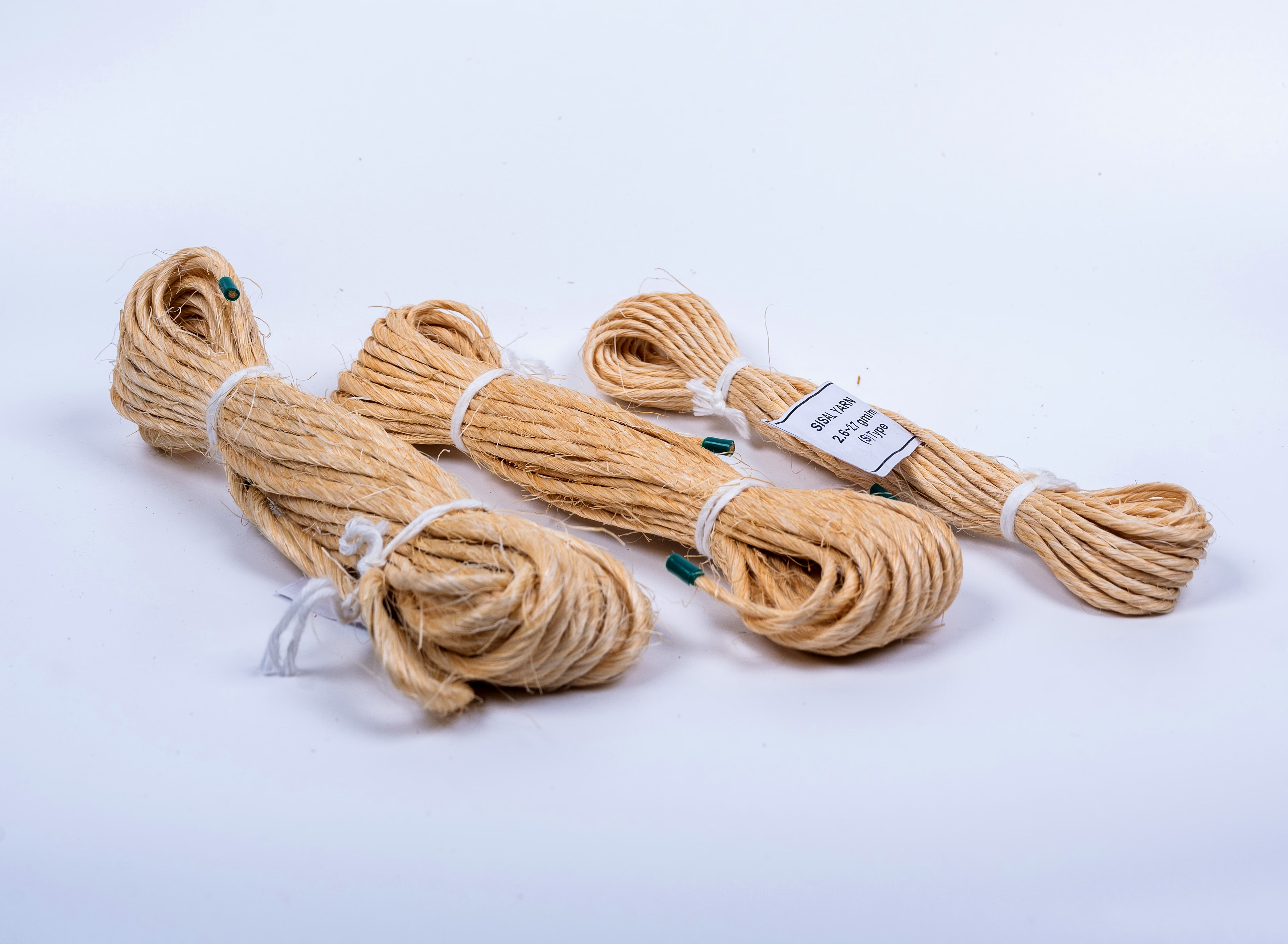
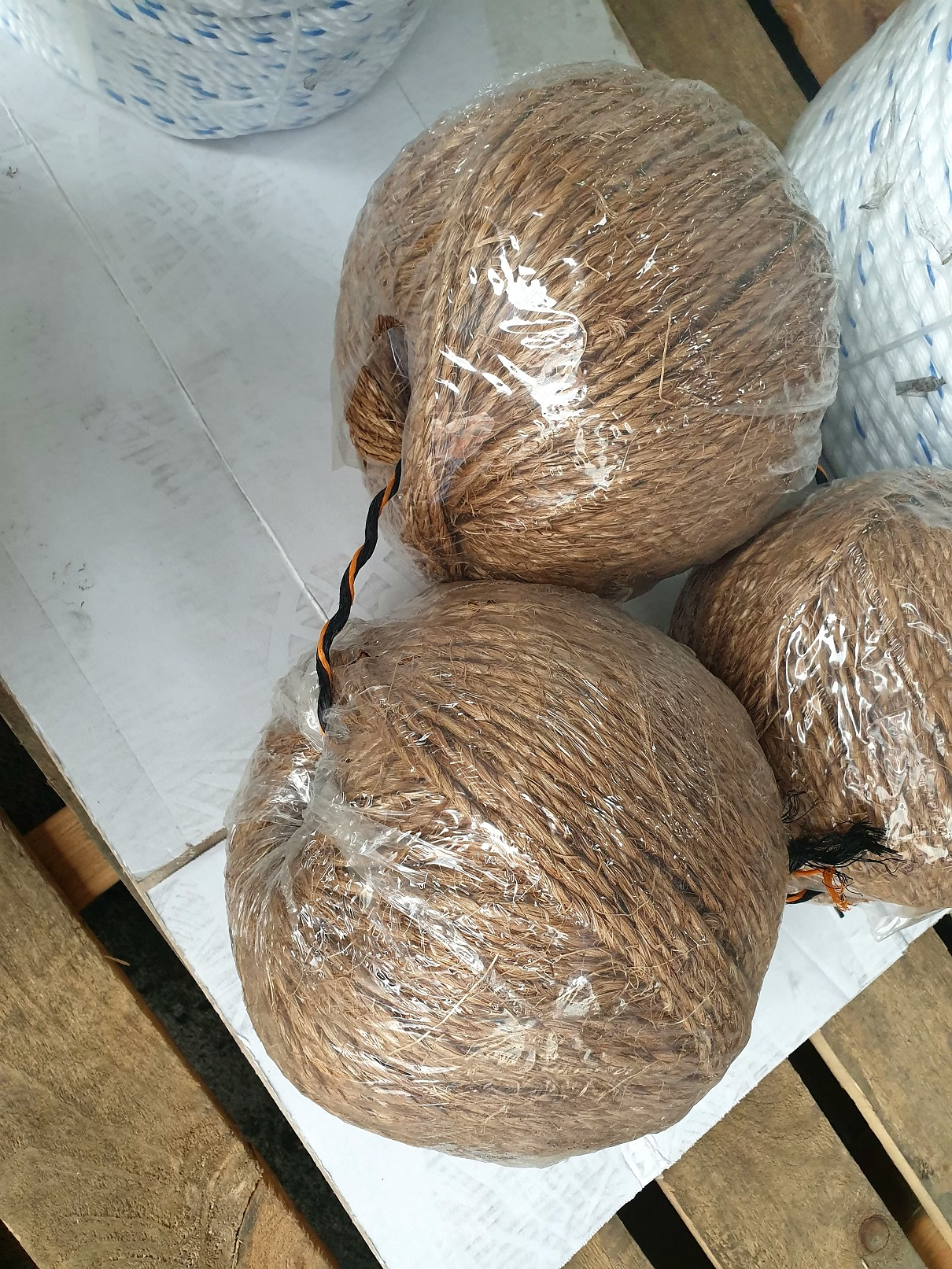
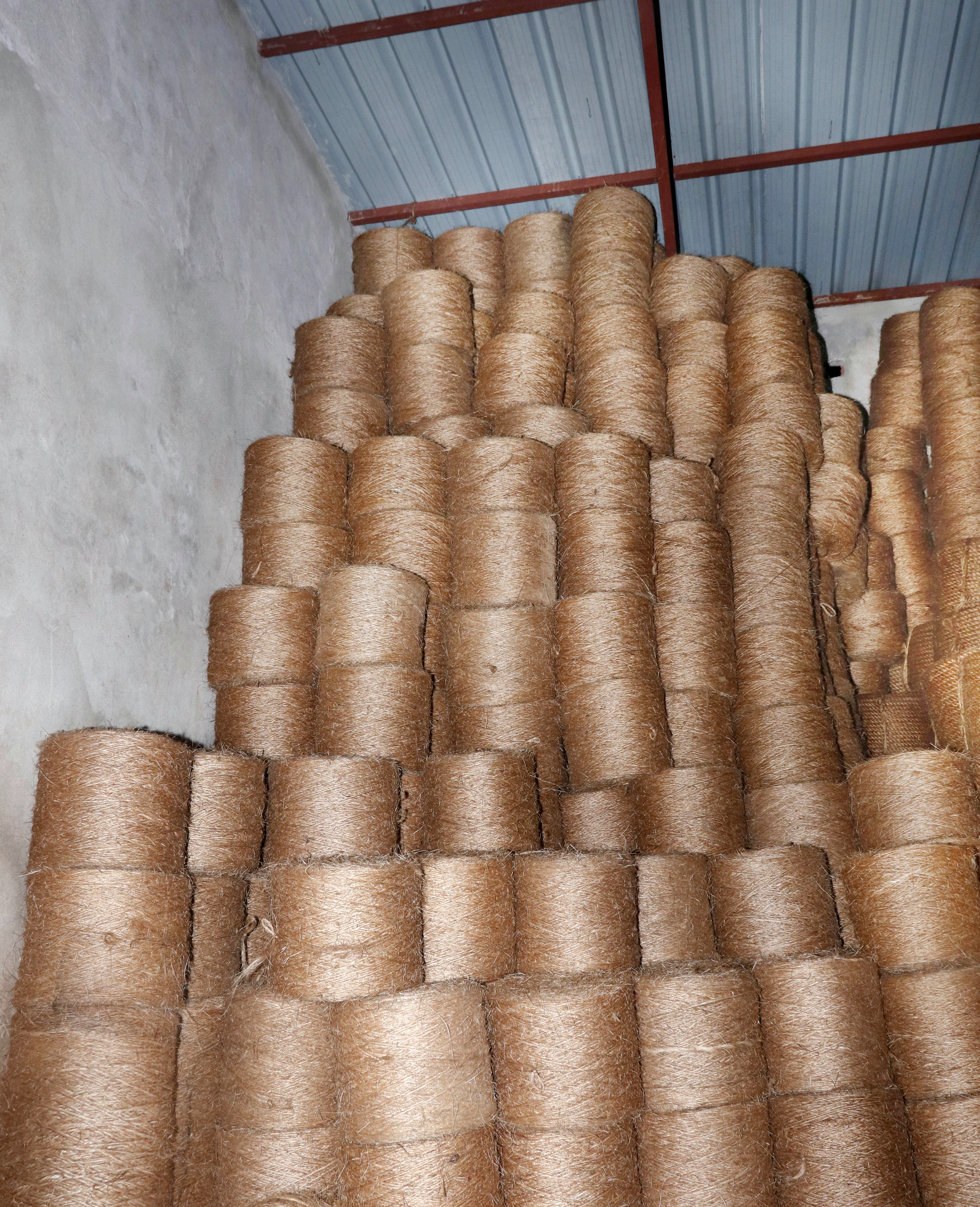
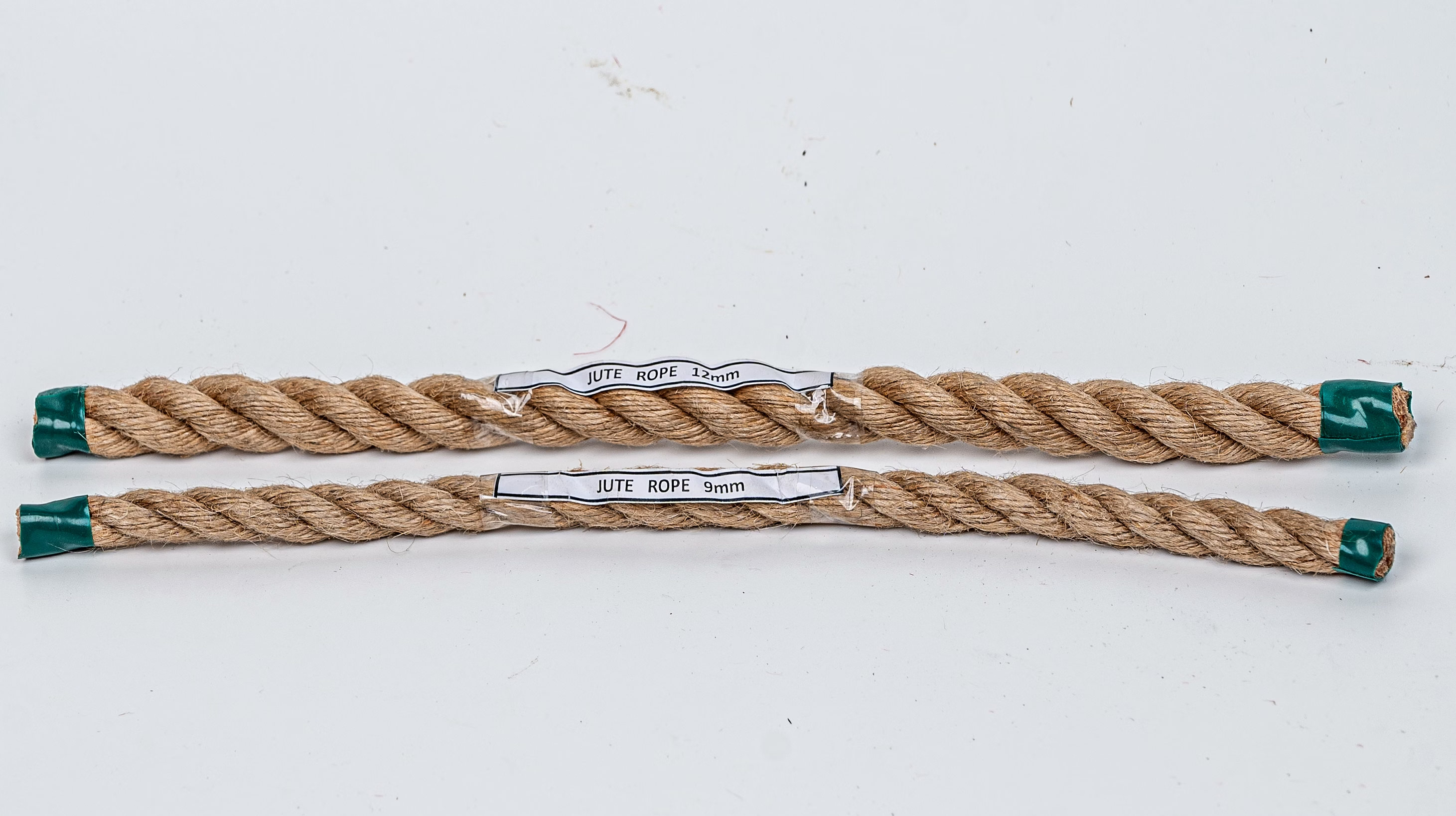
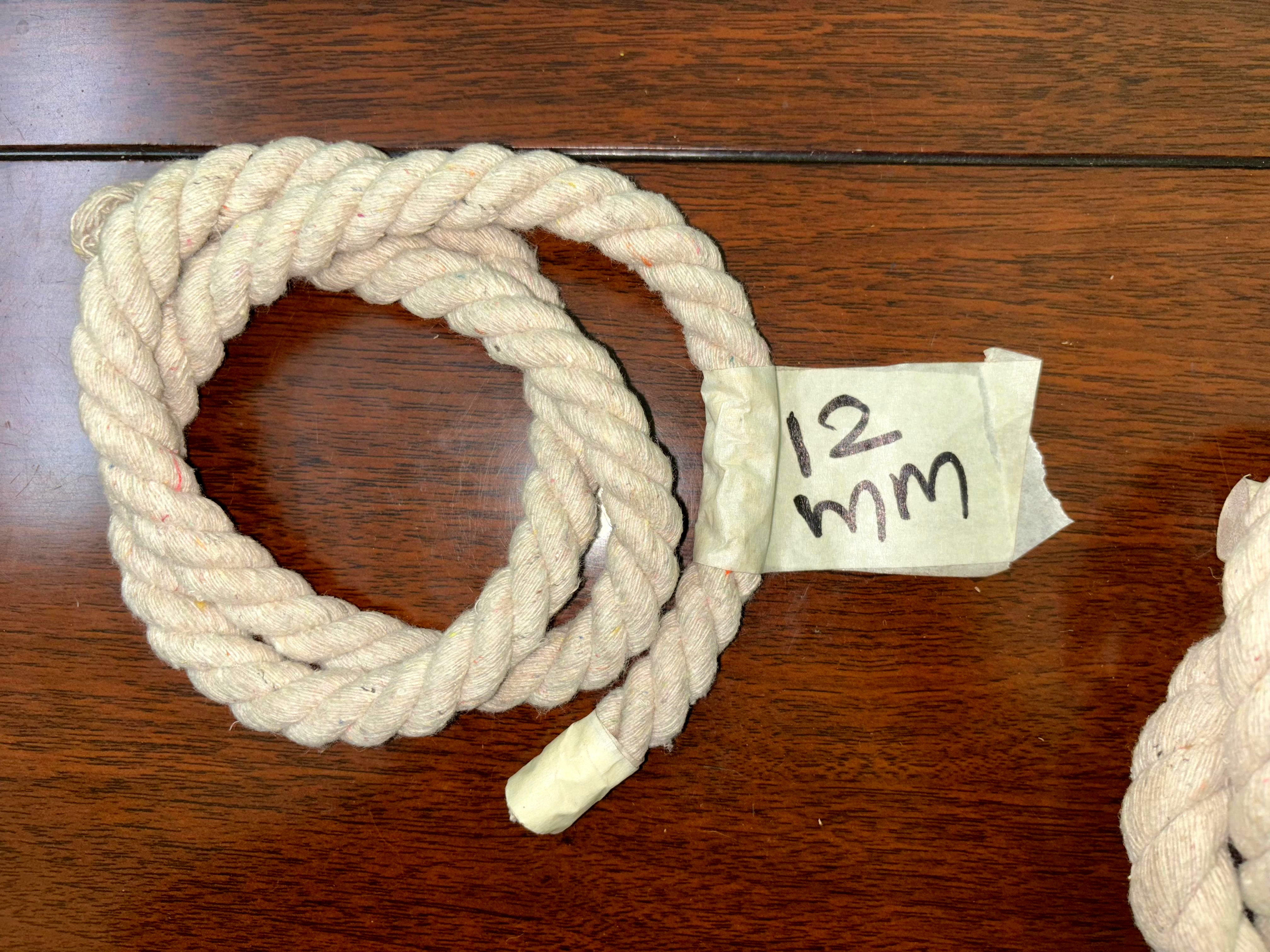
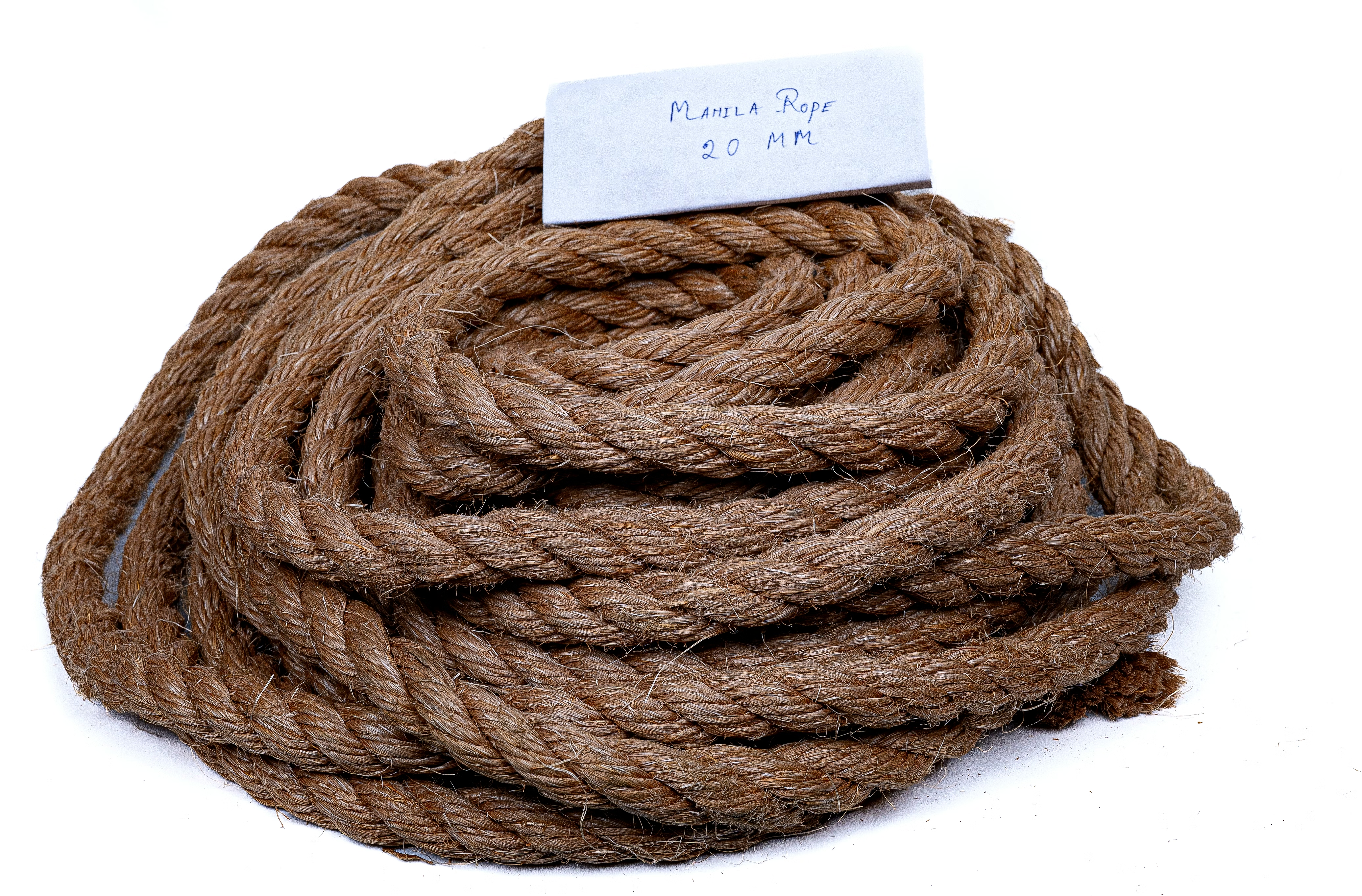
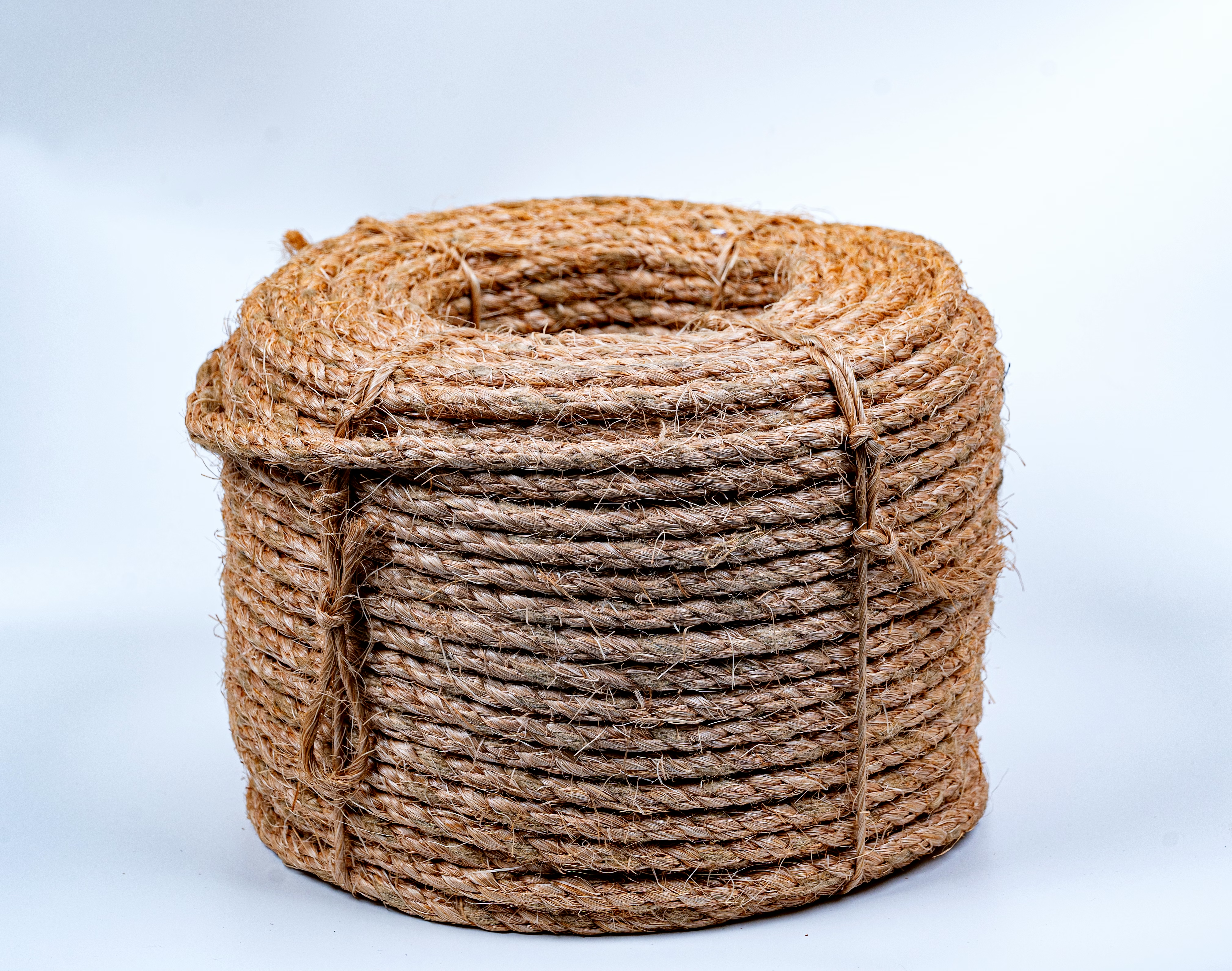
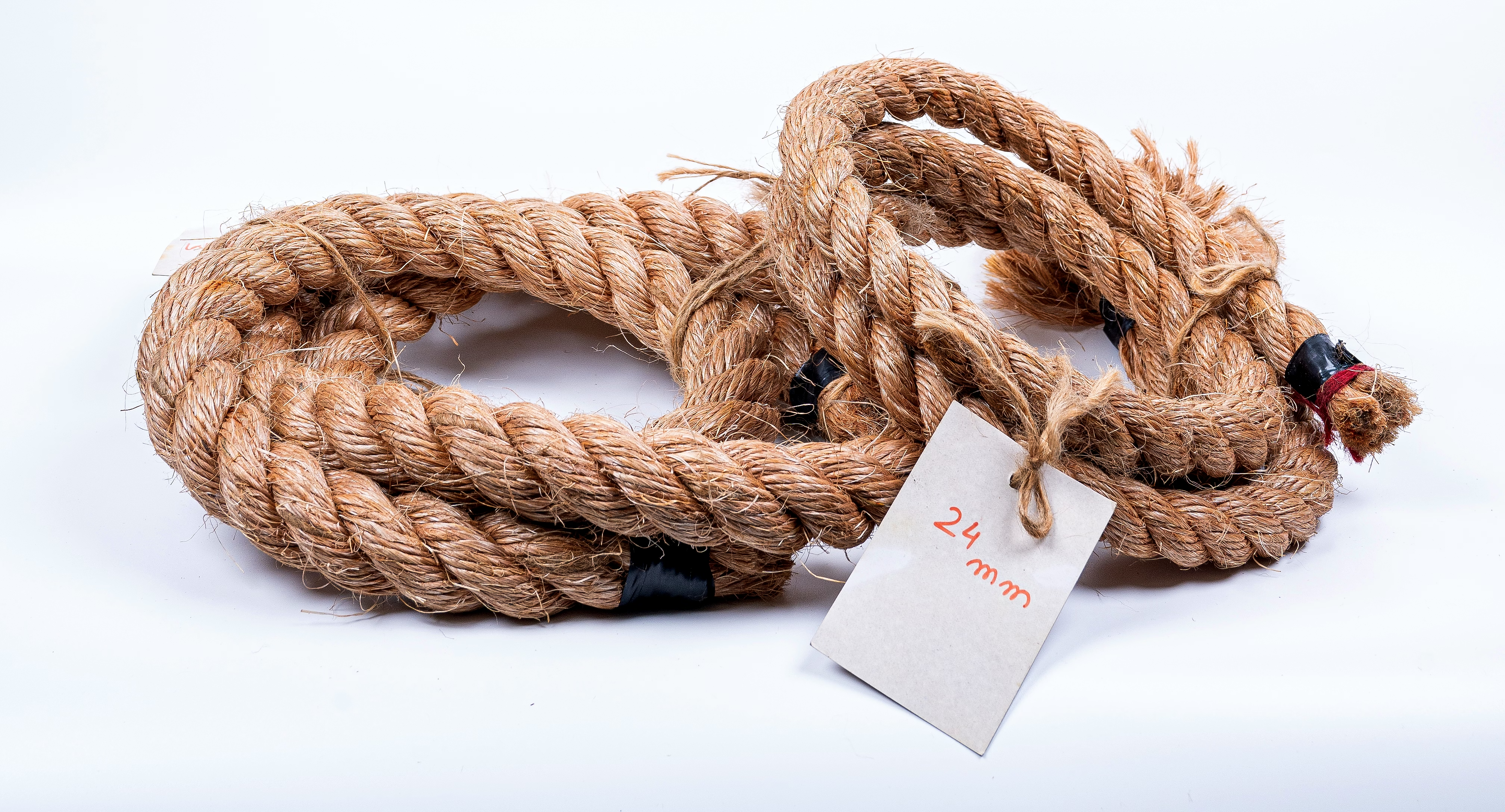
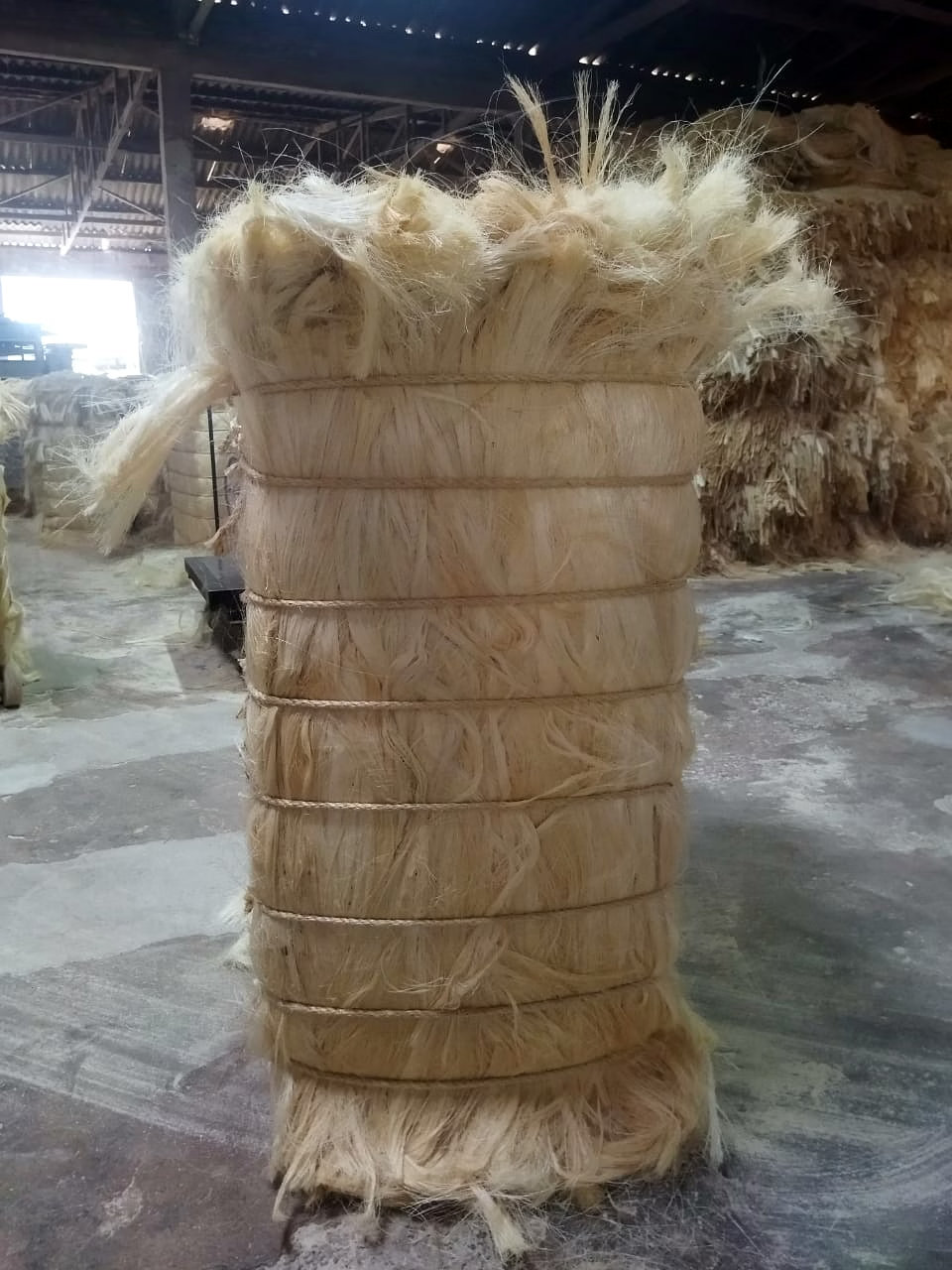
Sisal Fibre is a natural, renewable fiber extracted from the leaves of the Agave sisalana plant. Known for its exceptional strength, durability, and resistance to moisture and saltwater damage, this fiber is widely used across multiple industries including agriculture, textile manufacturing, automotive, and construction. It provides an eco-friendly alternative to synthetic fibers, making it highly valued in sustainable product manufacturing. Sisal Fibre’s coarse texture lends itself well for making ropes, mats, brushes, carpets, and upholstery, while its biodegradable nature ensures minimal environmental impact. This fibre also exhibits excellent tensile strength and flexibility, attributes that elevate its performance in geotextiles and composite materials. Available in long, spun strands, Sisal Fibre is easy to process and blend with other fibers or resins, meeting specific industrial requirements for strength and durability.
Key Features
| Features | Description |
|---|---|
| Source | Agave sisalana plant leaves |
| Fiber Type | Natural, renewable, biodegradable |
| Strength | High tensile strength ideal for ropes and composites |
| Durability | Resistant to moisture, saltwater, and wear |
| Applications | Rope making, mats, carpets, brushes, upholstery, geotextiles, composites |
| Texture | Coarse and stiff fibre suitable for industrial use |
| Eco-Friendliness | Biodegradable and sustainable alternative to synthetic fibers |
| Processing | Easily spun, blended with other fibers or resins |
| Moisture Resistance | Tolerates humid and salty environments without degradation |
| Attributes | Description |
|---|---|
| Fiber Length | Typically 1-1.5 meters |
| Fiber Diameter | 100–300 microns |
| Color | Natural off-white to yellowish |
| Tensile Strength | 400–700 MPa |
| Moisture Absorption | 7-11% by weight |
| Density | 1.5 g/cm³ |
| Origin | Cultivated in tropical and subtropical regions |
| Processing Method | Decortication and drying of sisal leaves |
*Disclaimer: The above description has been AI-generated and has not been audited or verified for accuracy. It is recommended to verify product details independently before making any purchasing decisions.
Sisal Fibre is widely used in rope manufacturing, carpet and mat production, brushes, upholstery, geotextiles for erosion control, and as reinforcement in composite materials.
Due to its resistance to moisture and saltwater, Sisal Fibre performs well in humid and marine environments without significant loss of mechanical properties.
Yes, Sisal Fibre can be easily spun and blended with synthetic fibers or resins to improve strength, flexibility, and durability for composite applications.
Sisal Fibre is biodegradable and sourced from a renewable plant, making it an eco-friendly alternative to synthetic fibers, reducing plastic waste and carbon footprint.
Sisal Fibre is obtained through the decortication process that separates the fibers from the leaves, followed by drying and combing to prepare it for further industrial processing.
Country Of Origin: India