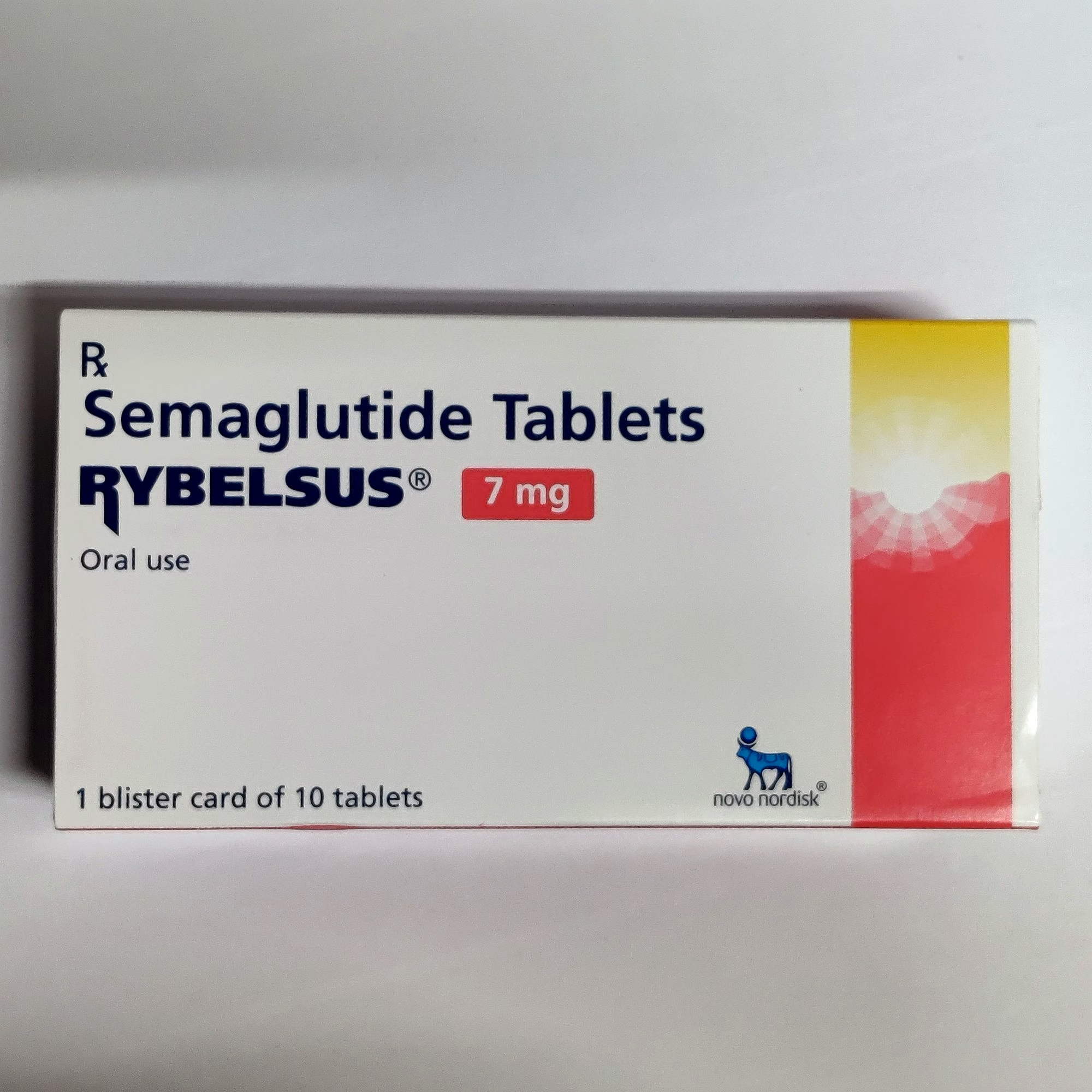
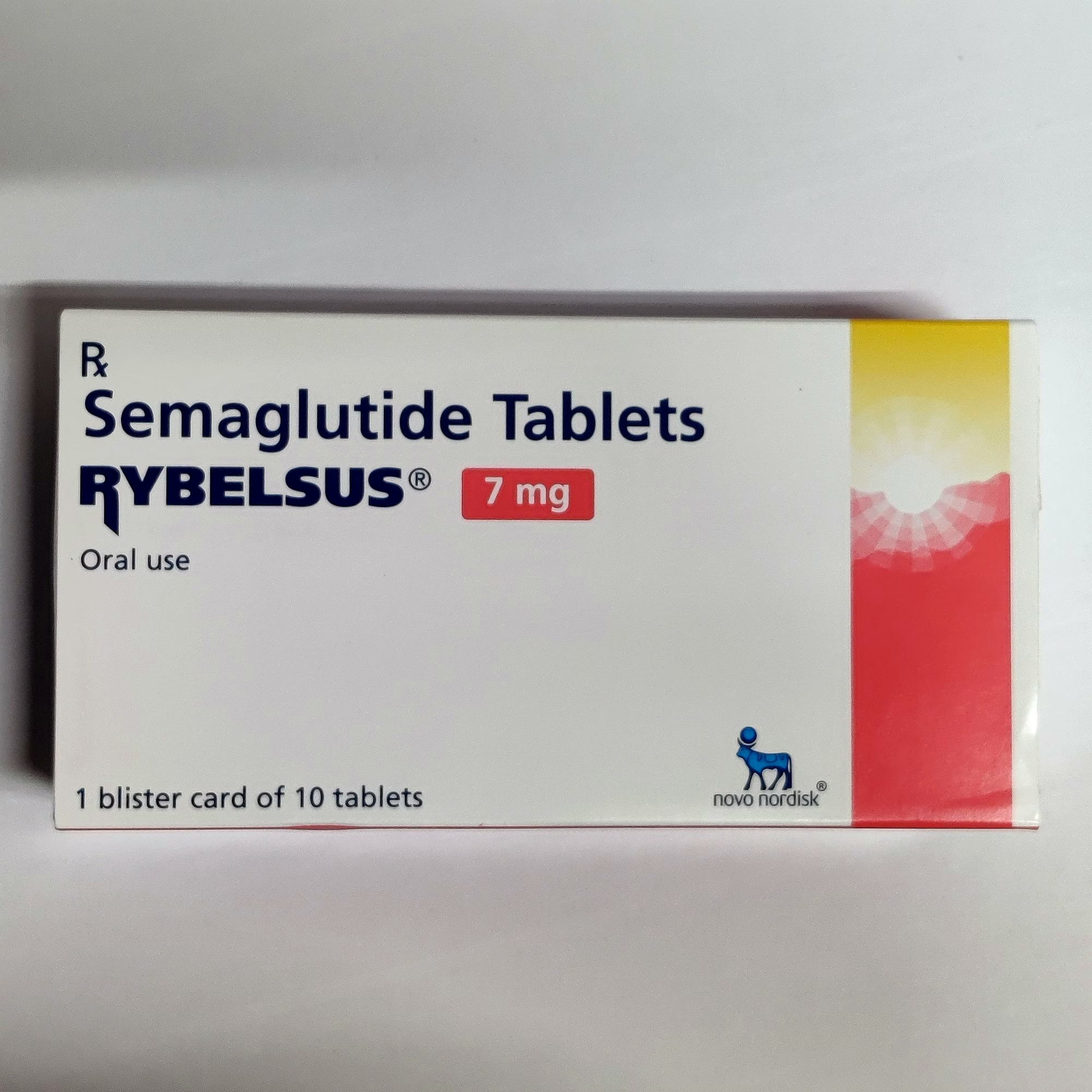
Semaglutide Tablets are a prescription medication specifically formulated for the management of type 2 diabetes mellitus. These tablets contain semaglutide, a glucagon-like peptide-1 (GLP-1) receptor agonist that enhances blood sugar control by stimulating insulin secretion, reducing glucagon release, and slowing gastric emptying. Semaglutide provides an effective therapeutic option for healthcare providers to help patients achieve glycemic control, reduce the risk of cardiovascular events, and promote weight loss associated with type 2 diabetes. These tablets are designed for ease of administration, stability, and reliable efficacy in blood glucose management. Ideal for pharmaceutical companies, healthcare providers, and distributors looking for quality diabetes treatment options.
Key Features
| Features | Description |
|---|---|
| Active Ingredient | Semaglutide |
| Dosage Form | Oral Tablets |
| Indication | Management of Type 2 Diabetes Mellitus |
| Mechanism of Action | GLP-1 receptor agonist enhancing insulin secretion and reducing glucagon |
| Administration | Oral once daily dosing |
| Therapeutic Benefits | Improves glycemic control, aids in weight loss, reduces cardiovascular risks |
| Packaging | Blister packs or bottles as per manufacturer |
| Storage Condition | Store at controlled room temperature (25°C) |
| Prescription Status | Prescription required |
| Attributes | Description |
|---|---|
| Molecular Formula | C187H291N45O59 |
| Molecular Weight | 4113.58 g/mol |
| Strength | Available in 0.25 mg, 0.5 mg, and 1 mg tablets |
| Shelf Life | Typically 24 months from manufacture |
| Packaging Types | Blister packs or bottles, quantity per pack varies |
| Manufacturer Guidelines | Use as adjunct to diet and exercise under physician supervision |
| Regulatory Status | Approved for use by CDSCO in India |
| Storage Instructions | Protect from moisture and heat; keep in a cool, dry place |
*Disclaimer: The above description has been AI-generated and has not been audited or verified for accuracy. It is recommended to verify product details independently before making any purchasing decisions.
The typical starting dose is 0.25 mg once daily to reduce gastrointestinal side effects, gradually increasing to 0.5 mg and then 1 mg once daily based on the patient's response and physician's guidance.
Yes, Semaglutide Tablets can be used as monotherapy when diet and exercise alone do not provide adequate glycemic control, but they are often used as adjunct therapy alongside other anti-diabetic agents.
Semaglutide Tablets should be stored at controlled room temperature around 25°C, in a dry place protected from moisture, heat, and direct sunlight to maintain stability and efficacy.
Patients with a personal or family history of medullary thyroid carcinoma or Multiple Endocrine Neoplasia syndrome type 2 should avoid Semaglutide. It is also contraindicated in patients with known hypersensitivity to semaglutide or any component of the tablet.
Semaglutide Tablets are available in blister packs or bottles, with varying quantities per pack depending on the manufacturer's specifications and distributor requirements.
Semaglutide is used in the treatment of type 2 diabetes mellitus.