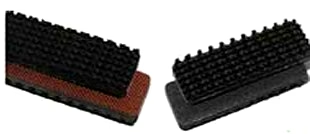
Rough Top Conveyor Belts, also known as Super Grip or Grip Top Belts, are specialized conveyor belts engineered for reliable transportation of lightweight goods including sacks, boxes, and parcels on inclined surfaces. These belts feature a durable two or three-ply construction with cut edges and a carcass made from Nylon-Nylon (NN) or Polyester-Nylon (EP) fabrics, ensuring enhanced tensile strength and durability. The key highlight is their wear-resistant rubber top cover with a textured, non-slip surface, often designed with a mesh-like or relief pattern to maximize grip, prevent slippage, and reduce the risk of slide-back on inclines up to 30-35 degrees, depending on the material conveyed. This cushioning top layer also absorbs vibrations and impacts, protecting fragile or deformed materials during transport. Rough Top Belts are widely used in baggage handling systems, packaging industries, recycling plants, cement and fertilizer mills, and for applications like lorry loaders and belt flight loaders requiring steady, slip-free transport of flat packages. Available with options such as a bare back for slider bed conveyors or a bottom cover, these belts provide resistance against tears, rips, weather, and heat, with some variants crafted from Butyl EPDM rubber to handle high-temperature conditions. They range in customizable widths from 400mm to 1800mm and thickness from 8.5mm up to 20mm, accommodating diverse industrial requirements. Their odorless, non-toxic, and non-marking properties also make certain grades ideal for packaged food handling. This robust combination of superior grip, durability, and versatility makes Rough Top Conveyor Belts an indispensable component for efficient, safe, and reliable material handling in various industrial sectors.
Key Features
| Features | Description |
|---|---|
| Top Cover Material | Wear-resistant rubber with non-slip rough textured surface (typically SBR or Butyl EPDM) |
| Construction | Two or three-ply construction with NN (Nylon-Nylon) or EP (Polyester-Nylon) carcass |
| Surface Design | Mesh-like or relief pattern to enhance grip and prevent material slippage |
| Incline Capability | Suitable for transporting goods on inclines up to 30-35 degrees |
| Applications | Ideal for baggage handling, cement & fertilizer plants, packaging, recycling, lorry loaders, belt flight loaders |
| Customizable Dimensions | Belt width from 400mm to 1800mm; thickness from 8.5mm to 20mm |
| Operating Temperature Range | -53.9° to 148.8° C (-65° to 300° F), depending on belt grade |
| Special Properties | Anti-tear, rip-resistant, weather-resistant, odorless, non-toxic, non-marking |
| Back Options | Available with bottom cover or bare back for slider bed conveyor applications |
| Attributes | Description |
|---|---|
| Belt Width | Customizable, 400mm to 1800mm |
| Belt Thickness | 8.5mm to 20mm |
| Number of Plies | Typically 2 to 4 plies |
| Carcass Material | NN (Nylon-Nylon) or EP (Polyester-Nylon) fabric |
| Top Cover Thickness | Full 1/8 inch (approximately 3.2mm) rubber top cover |
| Operating Temperature | -53.9° to 148.8° C (-65° to 300° F) depending on type |
| Surface Texture | Rough, non-slip, wear-resistant rubber with mesh relief pattern |
| Material Composition | SBR rubber standard; Butyl EPDM for high-temperature versions |
| End-use Industry | Packaging, baggage handling, cement & fertilizer plants, recycling |
| Back Cover Options | With bottom cover or bare back for slider beds |
*Disclaimer: The above description has been AI-generated and has not been audited or verified for accuracy. It is recommended to verify product details independently before making any purchasing decisions.
These belts are designed to handle conveying on inclined surfaces up to 30-35 degrees, depending on the type of material, by utilizing the rough top textured surface to prevent slide-back.
Yes, Rough Top Conveyor Belts are highly customizable with widths ranging from 400mm to 1800mm and thicknesses between 8.5mm and 20mm to suit different industry and machinery requirements.
The carcass is typically constructed using Nylon-Nylon (NN) or Polyester-Nylon (EP) fabrics, which provide the necessary tensile strength and durability for industrial applications.
Certain variations of Rough Top Belts incorporate Butyl EPDM rubber in the top cover, which allows them to operate safely at elevated temperatures up to approximately 148.8° C (300° F).
Rough Top Belts are extensively used in baggage handling systems, cement and fertilizer plants, packaging and recycling industries, and for loaders requiring superior grip to transport fragile or flat packages.
Some Rough Top Conveyor Belts are designed to be odorless, non-toxic, and non-marking, making them suitable and safe for handling packaged food items.
Brand: instacon
Country Of Origin: India
Rough Top Conveyor Belts, also known as super grip or grip top belts, are designed for transporting lightweight goods such as sacks, boxes, and parcels, especially on inclined surfaces. They typically feature a two or three-ply construction with cut edges and a carcass of NN (Nylon-Nylon) or EP (Polyester-Nylon) fabric.
Rough Top belts designed for transport of sacks, boxes and parcels. The top cover is made of wear resistant rubber with a non-slip surface.
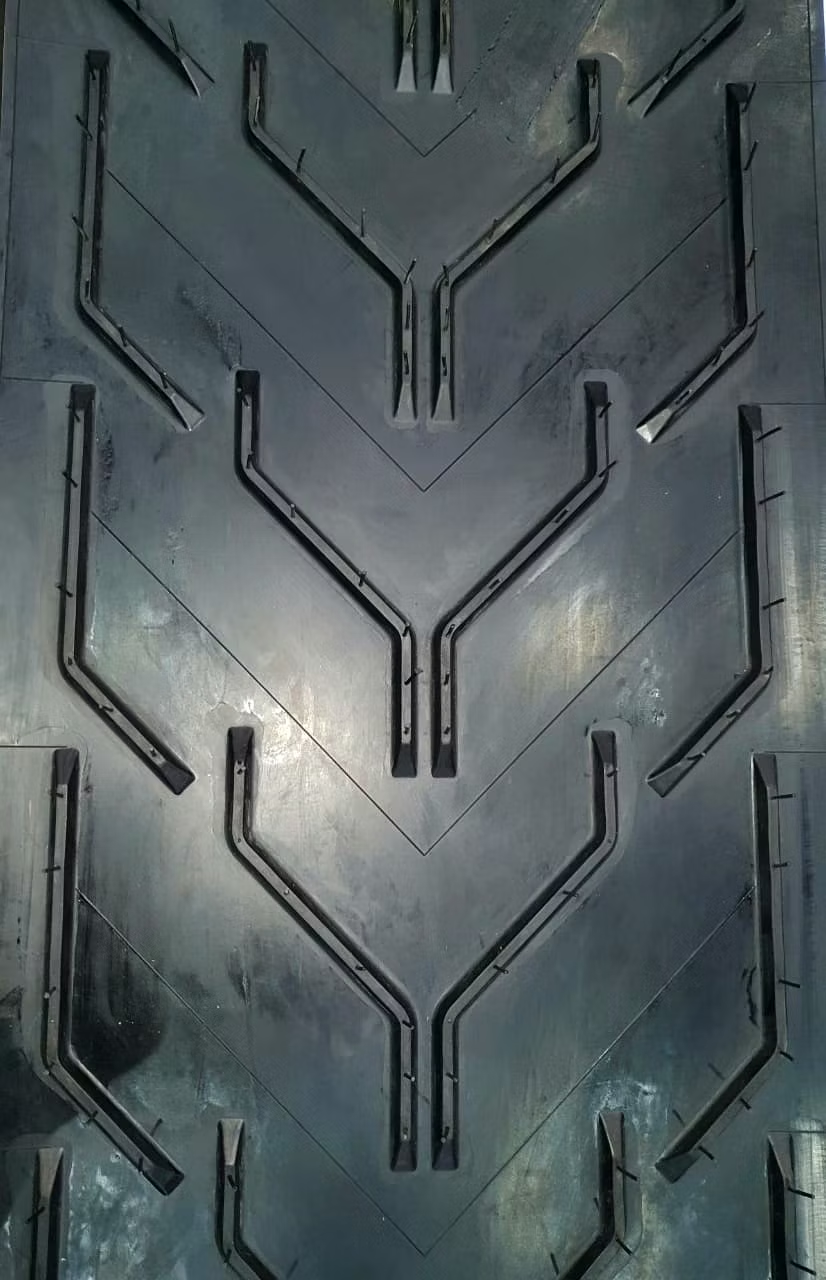
Due to high inclinations, belts carrying flat packages could have slide-back problems. Rough surface belts with profiles are offered for such applications. They have been specially developed for Baggage Handling Systems, besides finding wide usage in Cement And Fertilizers plants.
Less friction coefficient is created.
Ideal for running over table and flat panel.
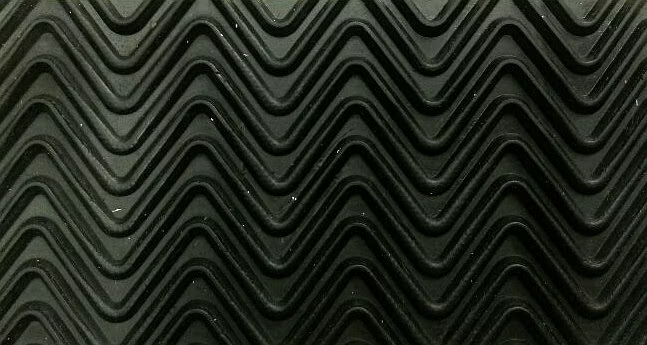
Mesh-like pattern generates the relief effect and absorbs any type of vibrations, preventing the material, being conveyed, from slipping. Key features and properties include:
Surface Texture: The top cover is made of wear-resistant rubber with a non-slip, textured "rough" finish (often resembling a mesh pattern). This design provides superior grip, prevents materials from slipping or rolling back, and creates a cushioning effect that absorbs vibrations and impacts.
Applications: Ideally suited for inclined conveying (up to 30-35 degrees depending on the material), these belts are commonly used in packing industries, recycling industries, bagging plants, for lorry loaders, and belt flight loaders. They are also suitable for transporting fragile or deformed materials.
Construction Options: Available with a bottom cover or a bare back for slider bed applications.
Material: The top cover often comprises full 1/8 inch thick SBR (Styrene-Butadiene Rubber). Some variations include Butyl EPDM for high-temperature applications.
Properties: They are known for their anti-tear and rip-resistant qualities, high resilience, and weather resistance. Some are odorless, non-toxic, and non-marking, making them suitable for packaged food products.
Specifications (examples, as these can vary):
Belt Width: Customizable, often ranging from 400mm to 1800mm.
Belt Thickness: Customizable, commonly 8.5mm to 12mm, up to 20mm.
Tensile Strength: Varies depending on ply and thickness (e.g., 400/4 to 630/4).
Number of Plies: Typically 2, 3, or 4 plies.
Operating Temperature: Can range from -53.9° to 148.8° C (-65° to 300° F) for certain types.