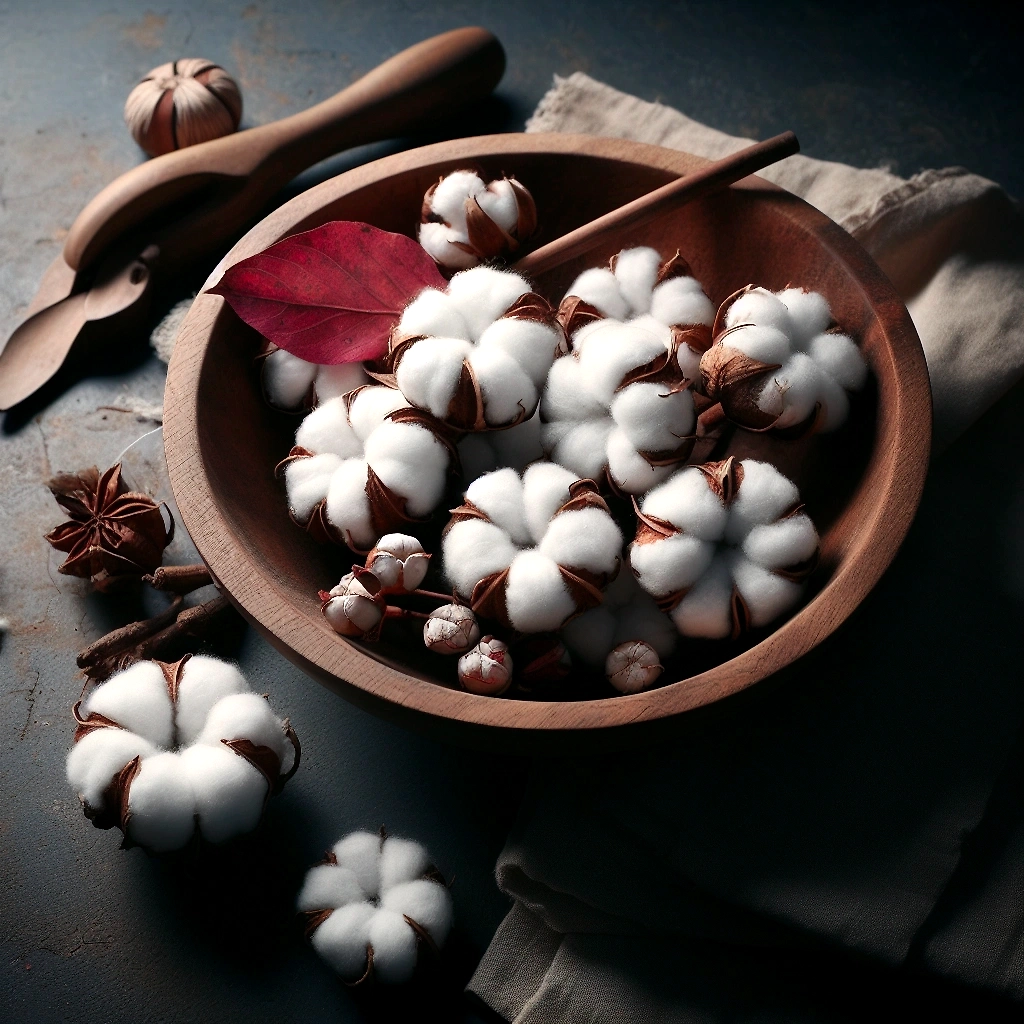
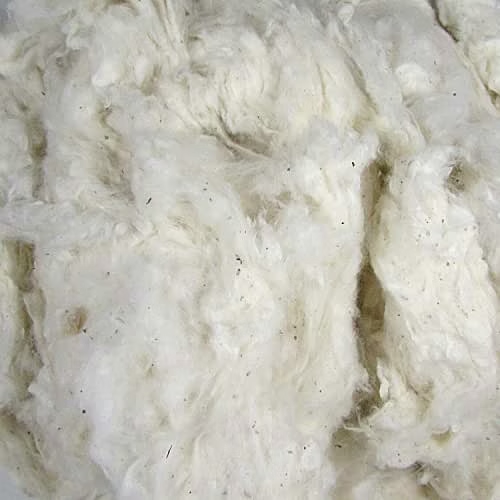
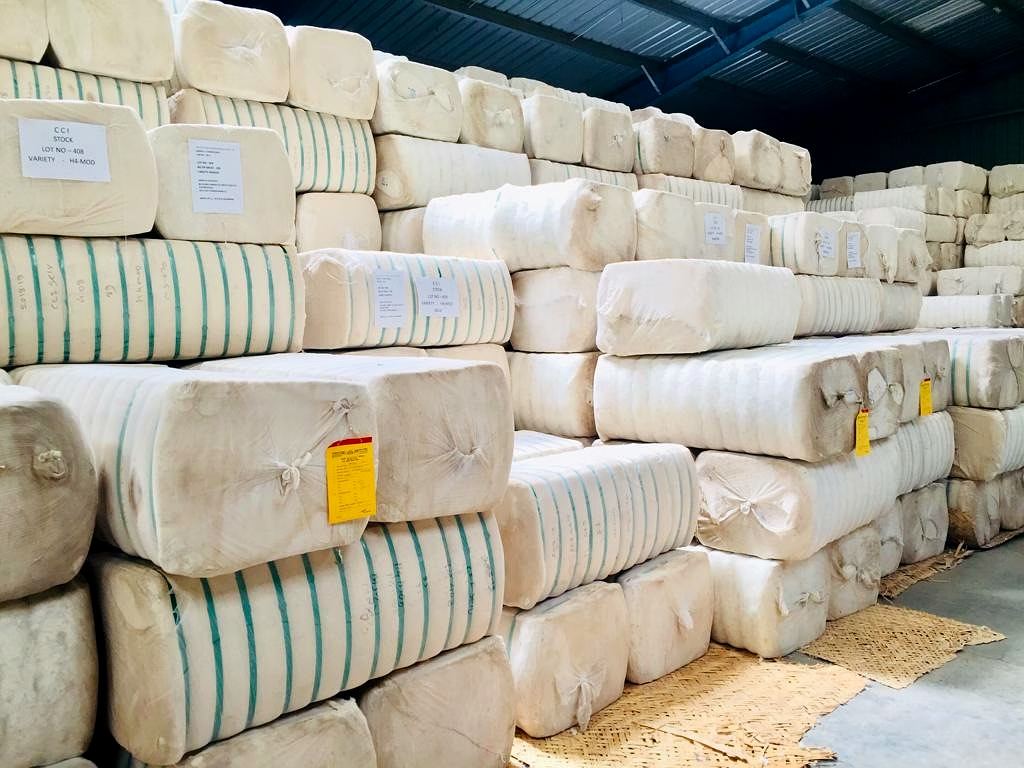
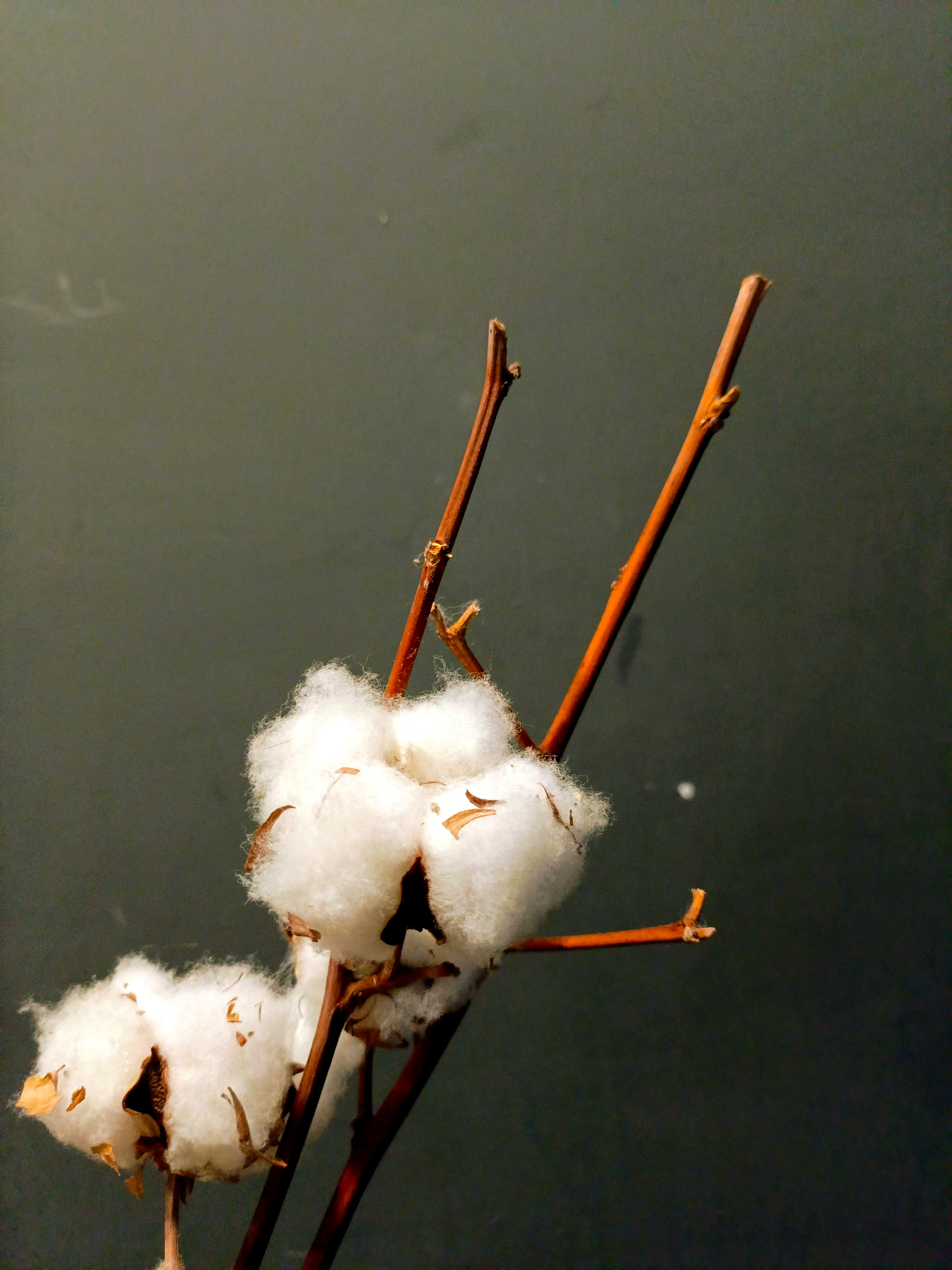
Raw Cotton is a naturally harvested fiber obtained directly from the cotton plant’s seed fibers before any processing or refining. This unprocessed cotton is characterized by its soft, fluffy texture and natural off-white to creamy color. Ideal for use in textile manufacturing, raw cotton serves as the fundamental starting material for producing yarns, fabrics, and various cotton-based products. It is predominantly sourced in bulk by textile mills, garment manufacturers, and industrial players involved in the production of natural fiber goods. The purity and quality of raw cotton significantly impact the efficiency and outcome of subsequent processing, making it essential for high-grade textile and industrial applications.
Key Features
| Features | Description |
|---|---|
| Source | Directly harvested from cotton plant seed fibers |
| Appearance | Soft, fluffy texture with natural off-white to creamy color |
| Processing Stage | Unprocessed/Raw, before ginning and refining |
| Fiber Length | Varies depending on cotton variety, typically medium to long staple |
| Impurities | Contains natural impurities like seeds, leaves, and dirt |
| Usage | Ideal for textile mills, yarn production, and industrial applications |
| Attributes | Description |
|---|---|
| Cotton Type | Raw/Unprocessed |
| Color | Off-white to creamy |
| Moisture Content | Typically 7-8% |
| Staple Length | Variable, typically 15-35 mm |
| Fiber Fineness | Varies with variety and growing conditions |
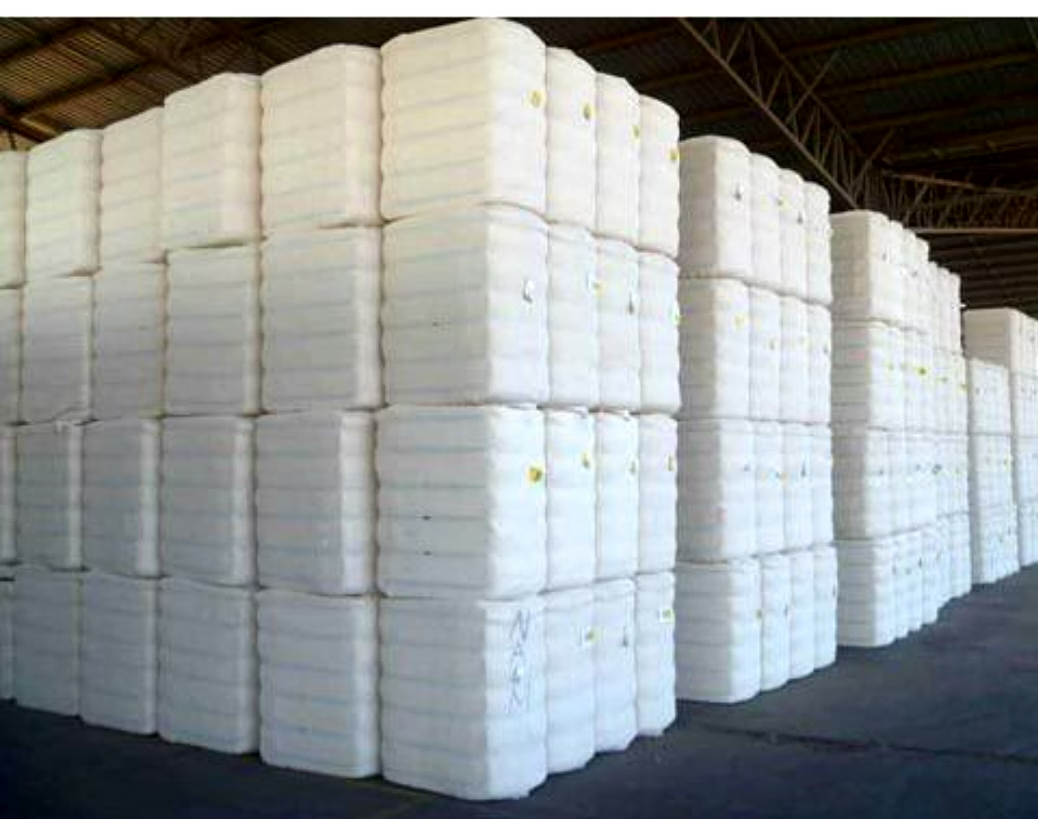
| Packaging | Baled and compressed for bulk shipping |
| Origin | Depends on supplier and sourcing region |
*Disclaimer: The above description has been AI-generated and has not been audited or verified for accuracy. It is recommended to verify product details independently before making any purchasing decisions.
The fiber length, cleanliness, and moisture content of raw cotton directly affect the spinning efficiency, yarn strength, and fabric quality in subsequent processes.
Raw cotton usually contains seed particles, leaf fragments, dirt, and other plant debris which must be removed during ginning and cleaning to ensure quality fiber.
Yes, suppliers can provide raw cotton varieties differing in staple length and origin to meet specific manufacturing requirements.
Raw cotton is commonly baled and compressed into large bundles to optimize bulk storage and transportation.
No, raw cotton requires ginning to separate fibers from seeds and additional cleaning before it can be spun into yarn for weaving or knitting.
Country Of Origin: India