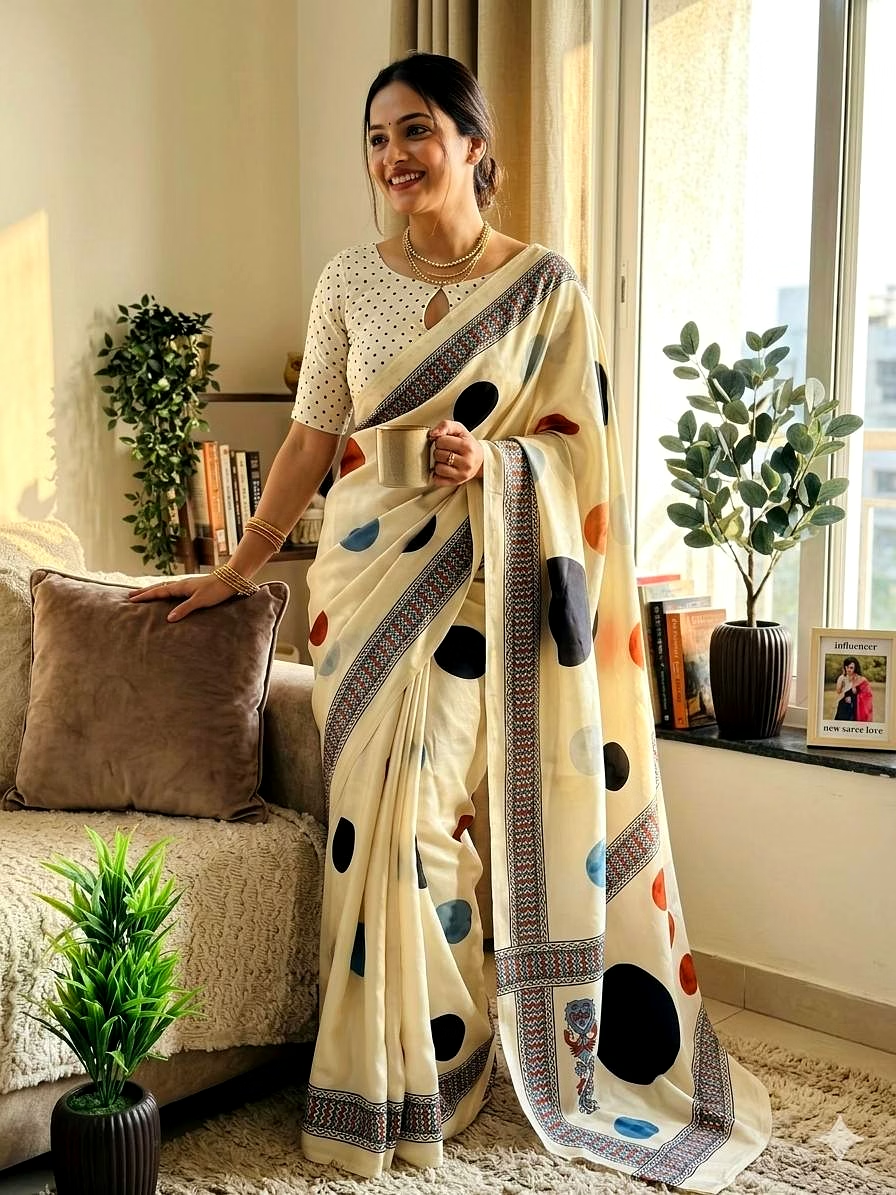
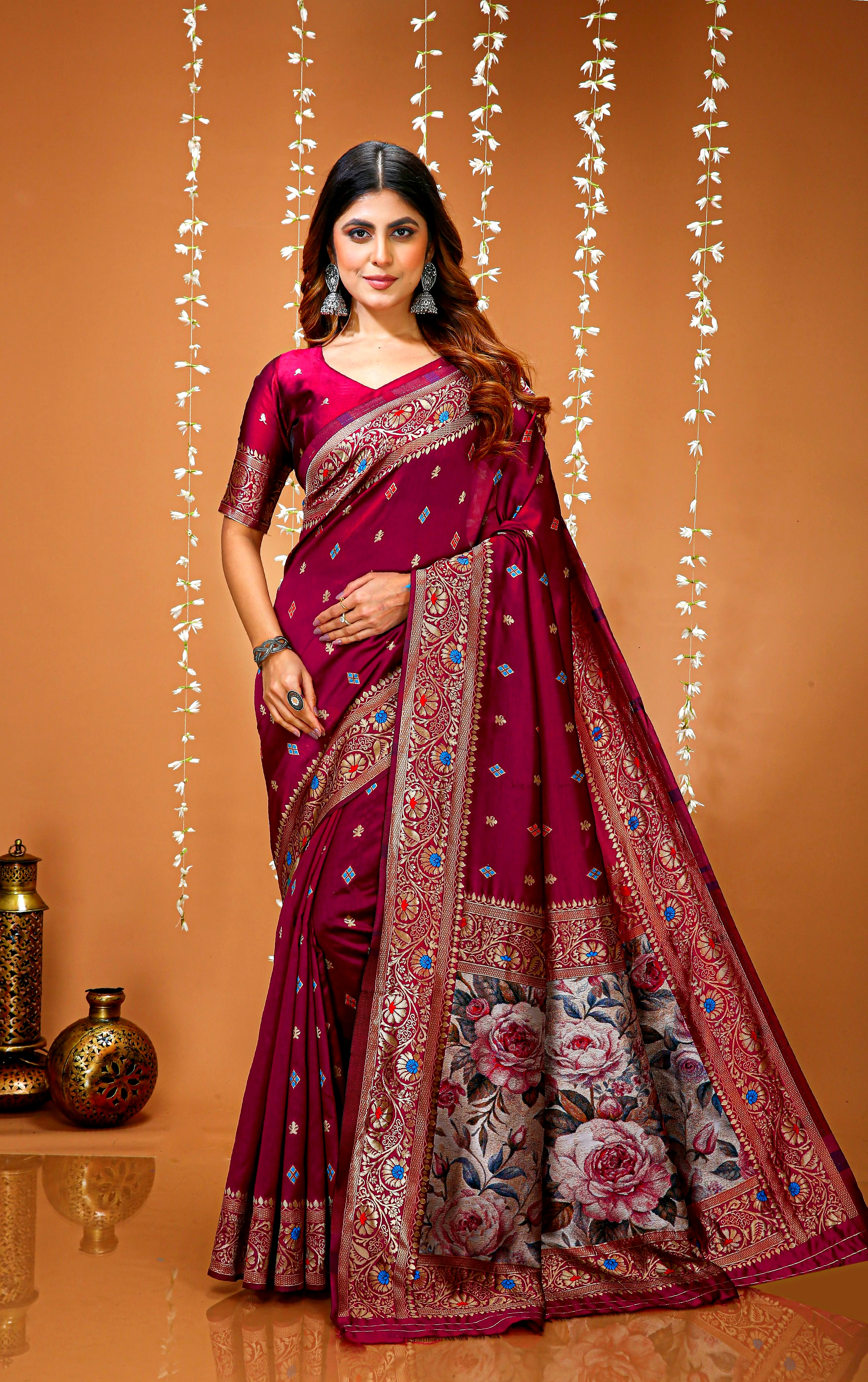
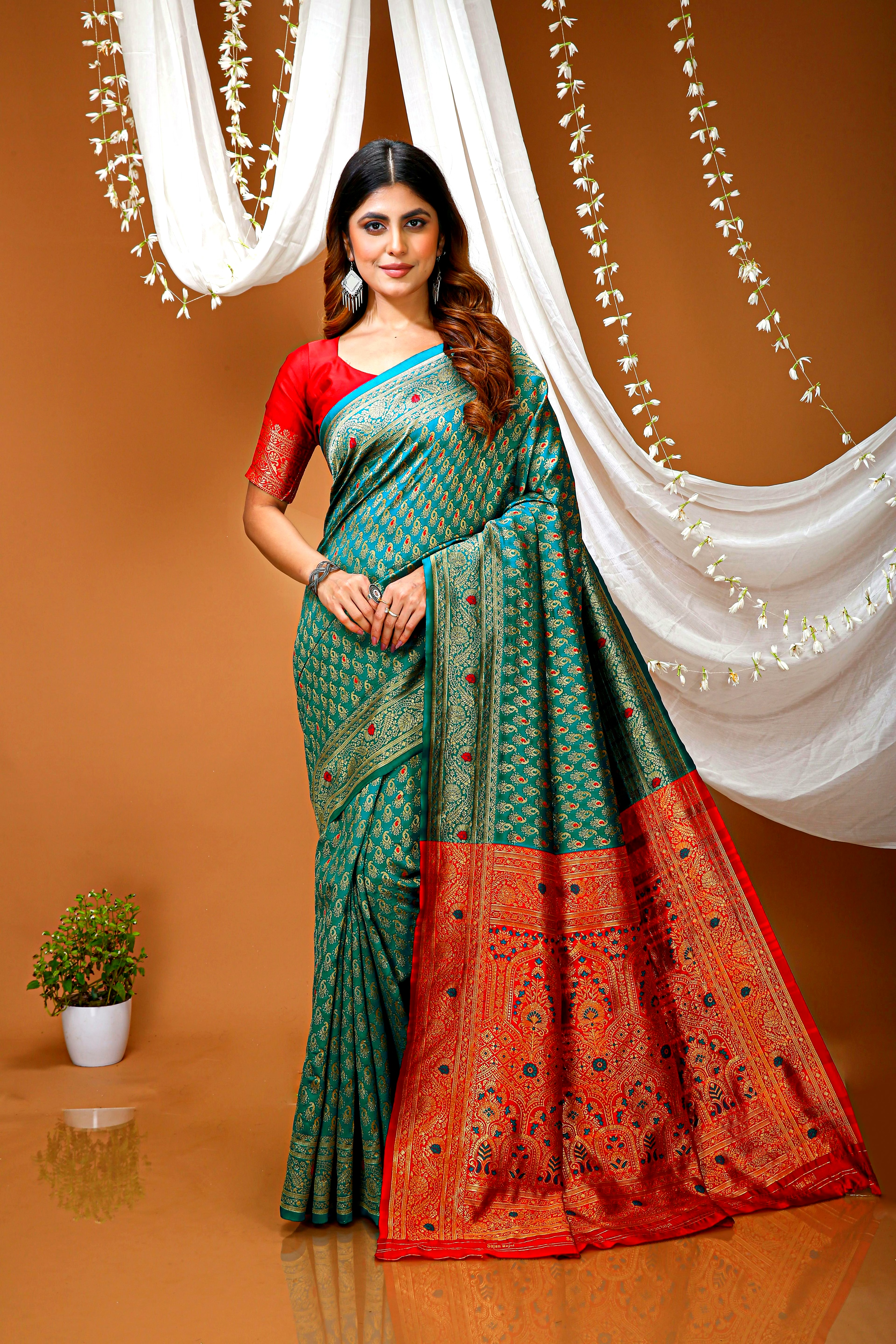
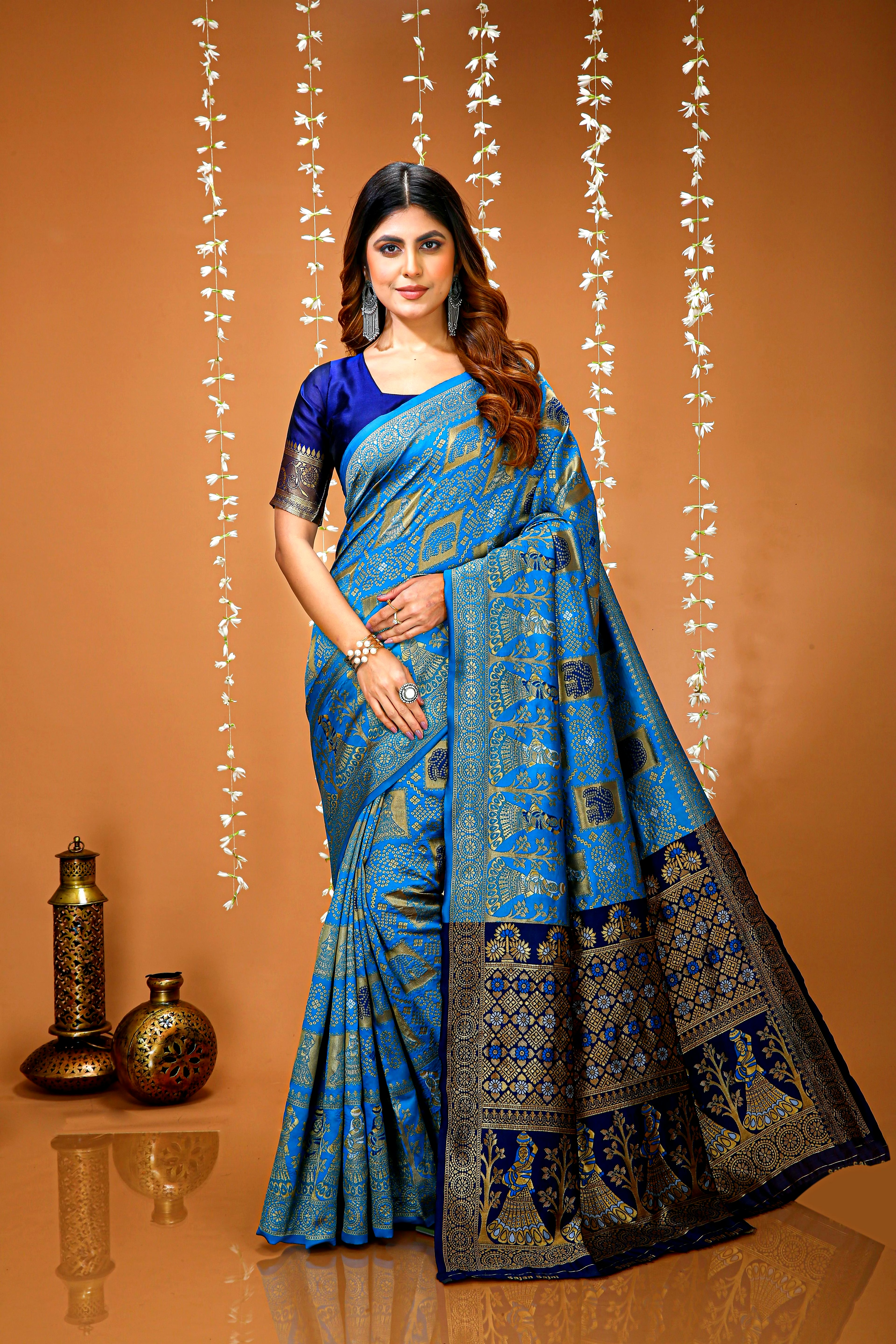
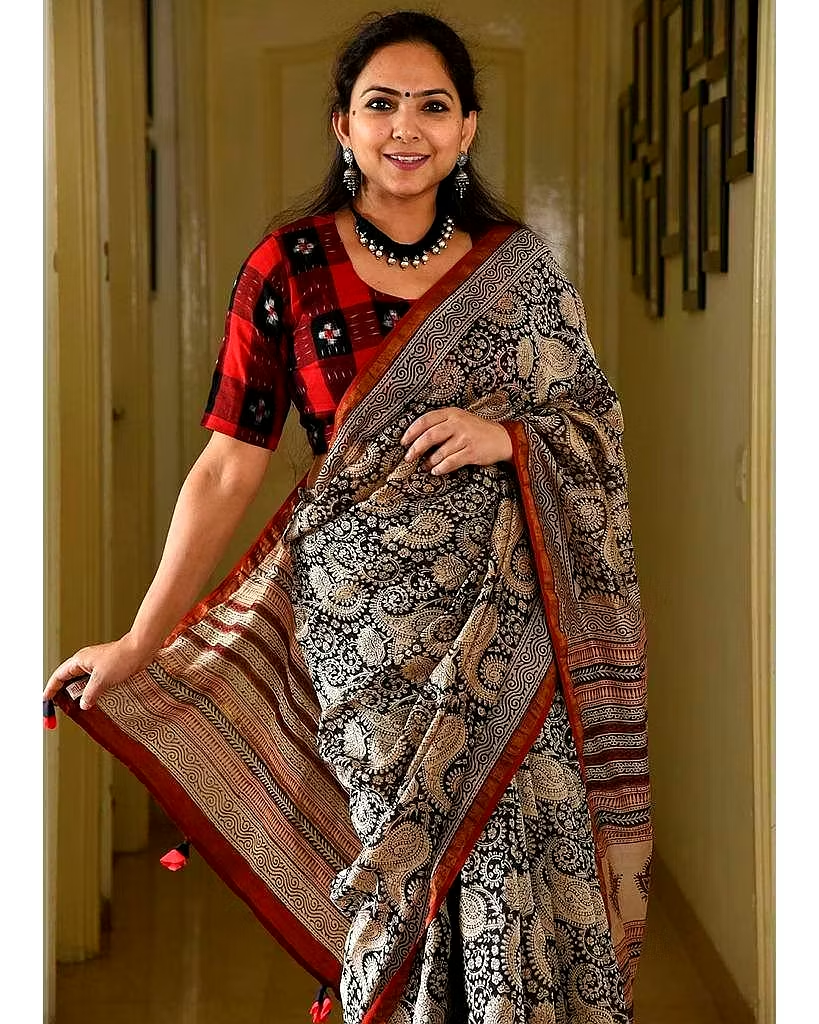
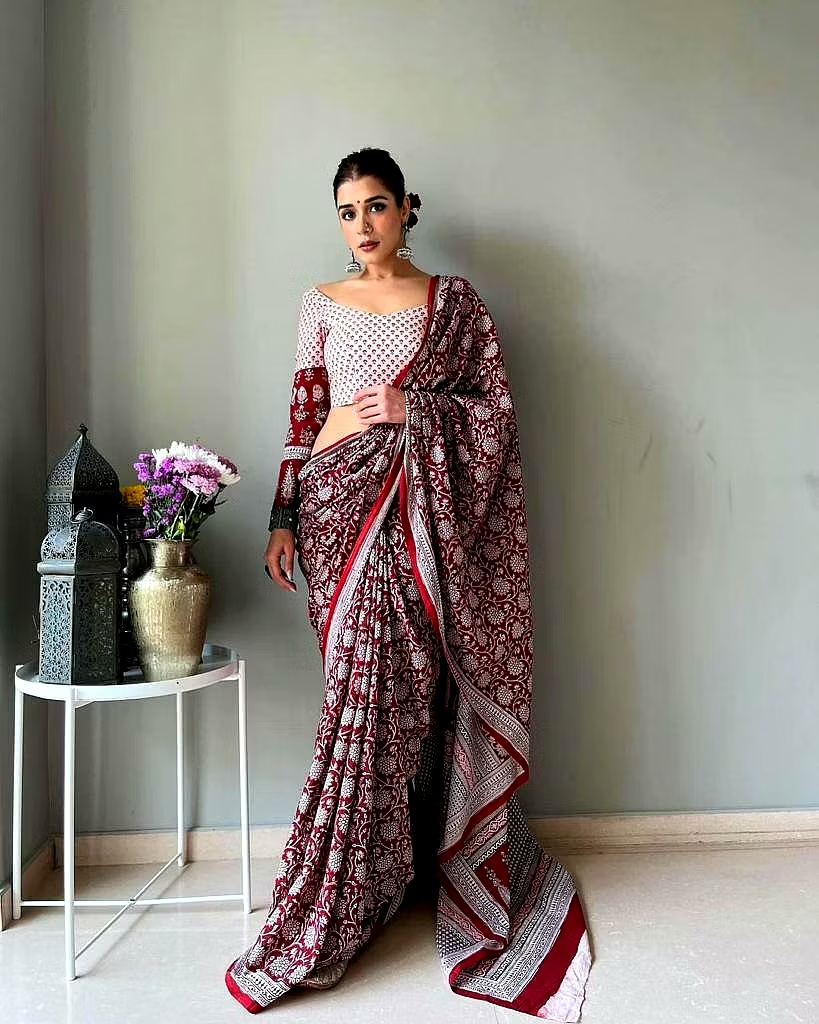
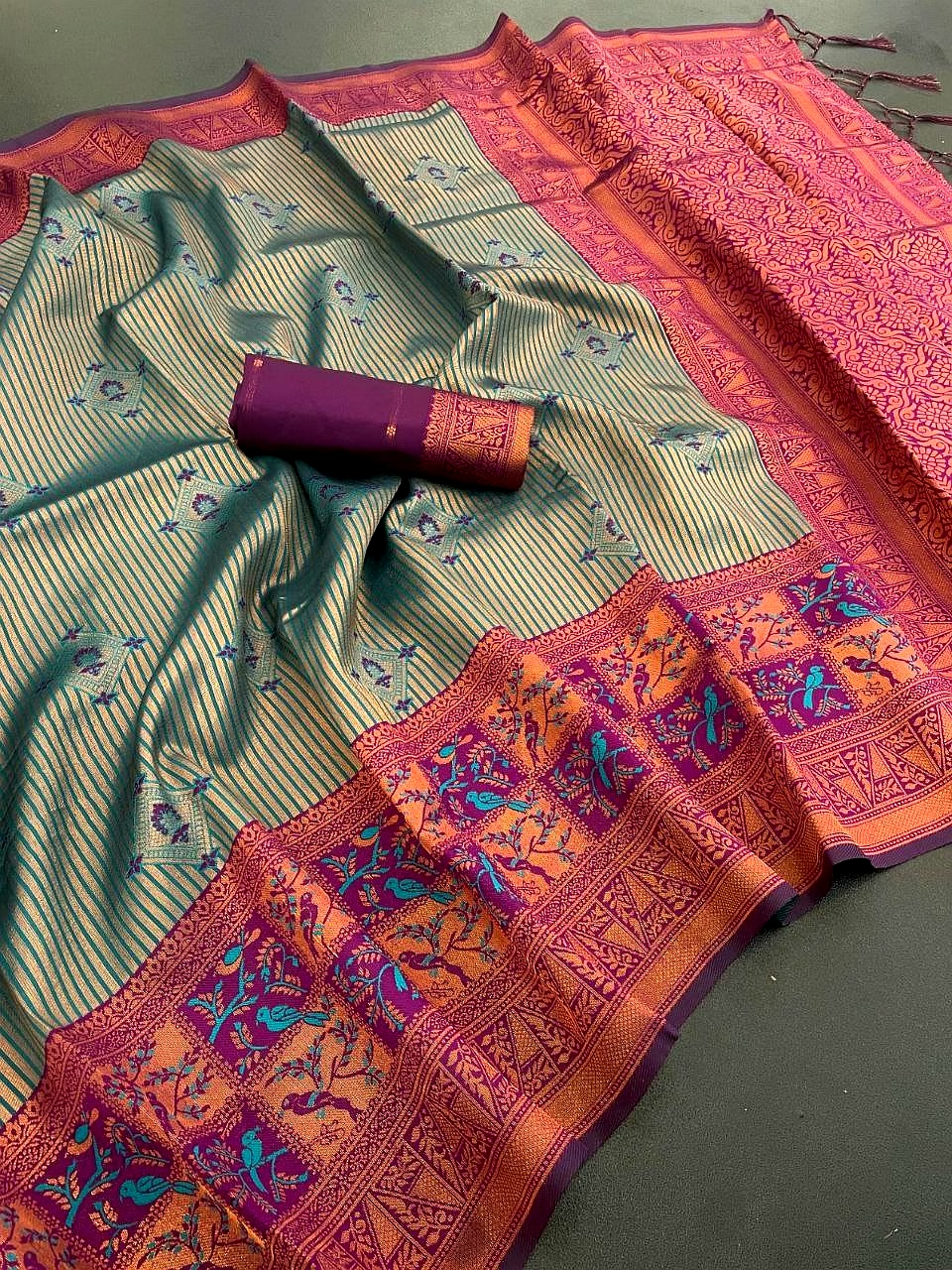
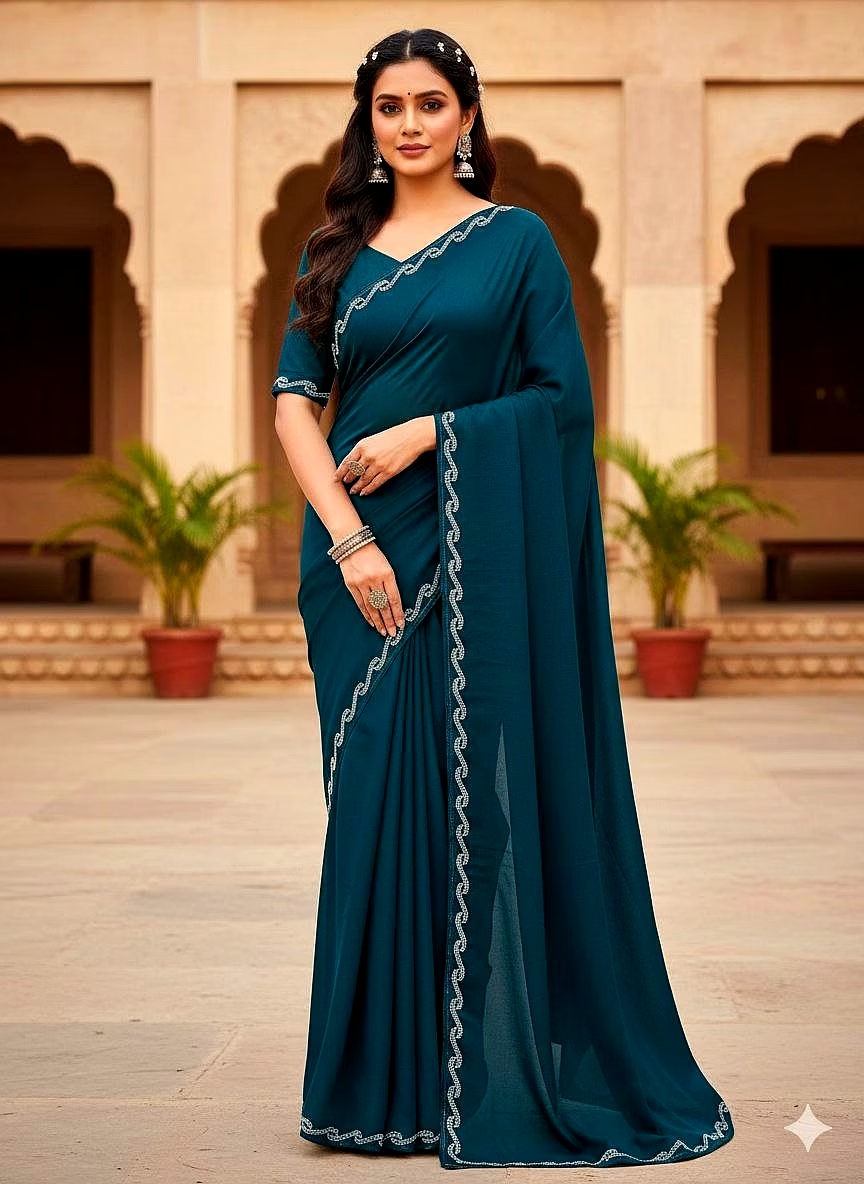
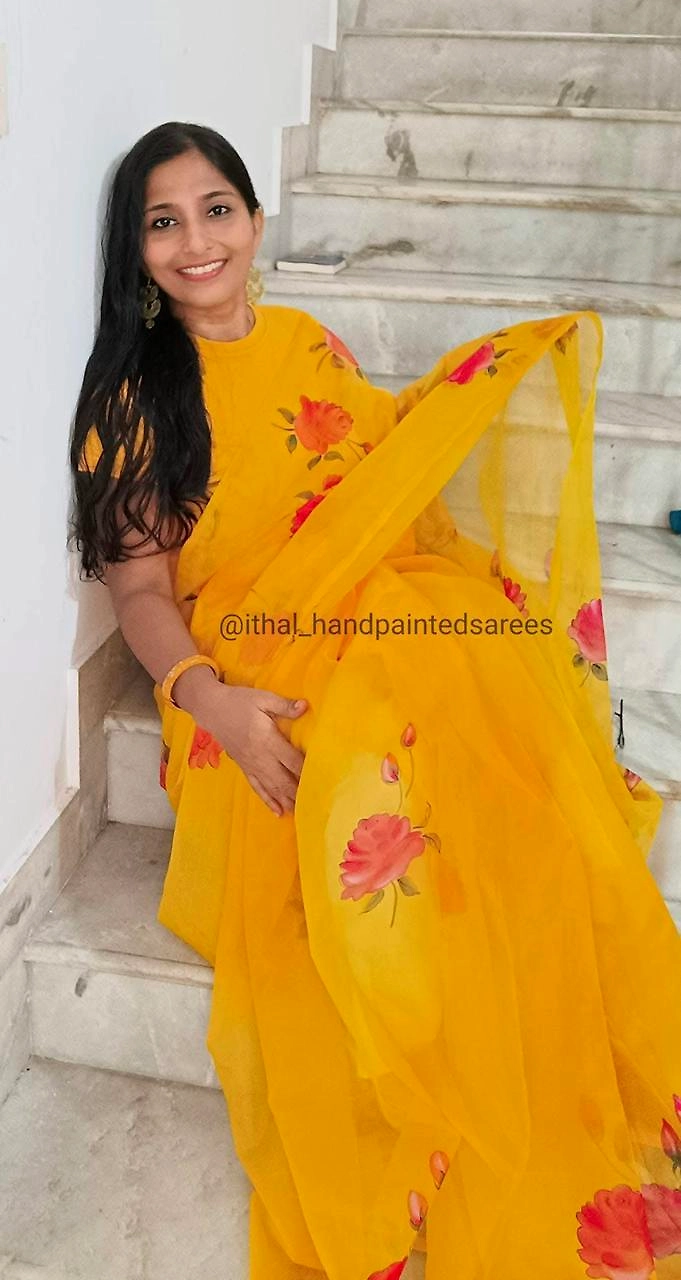
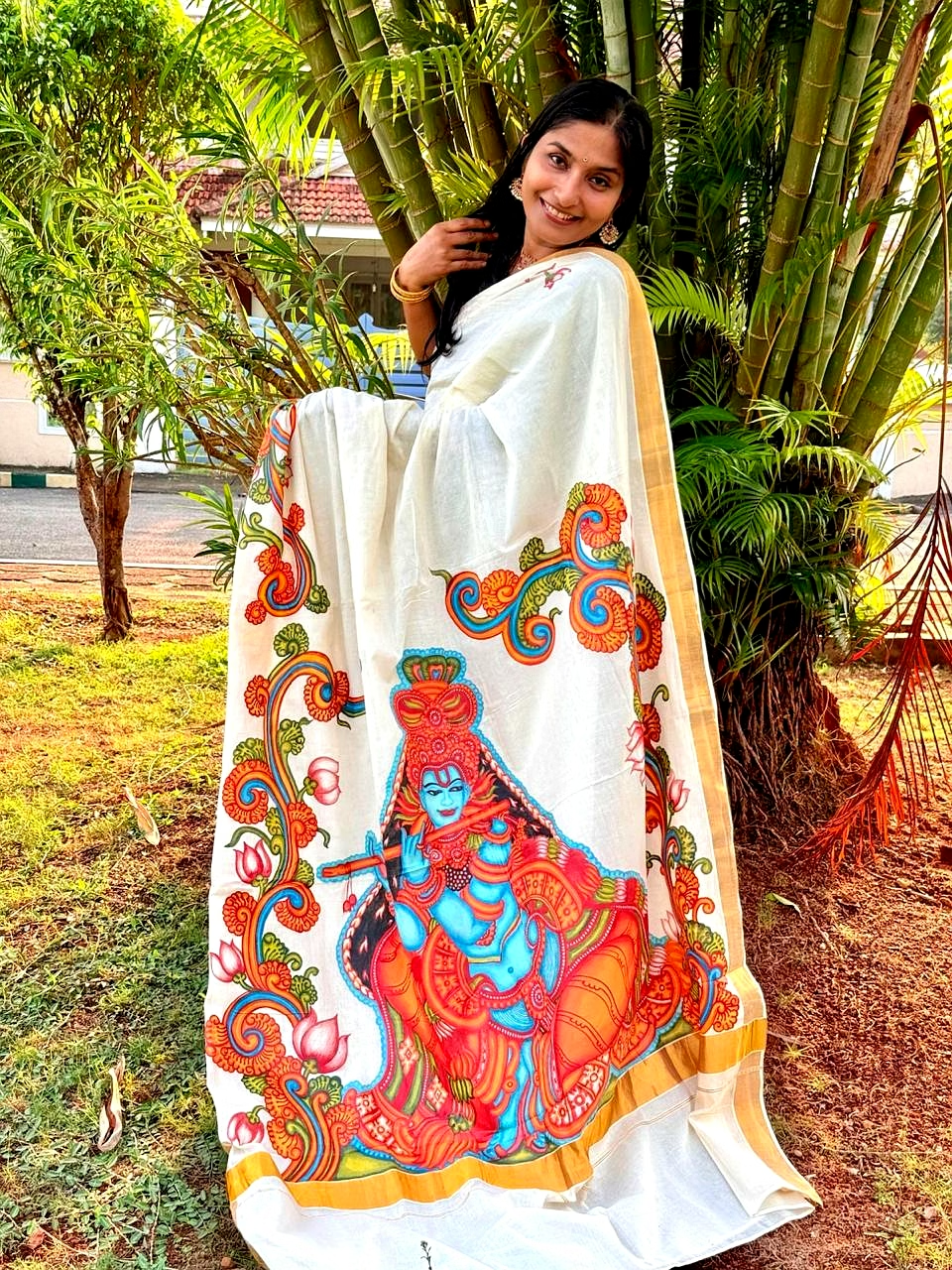
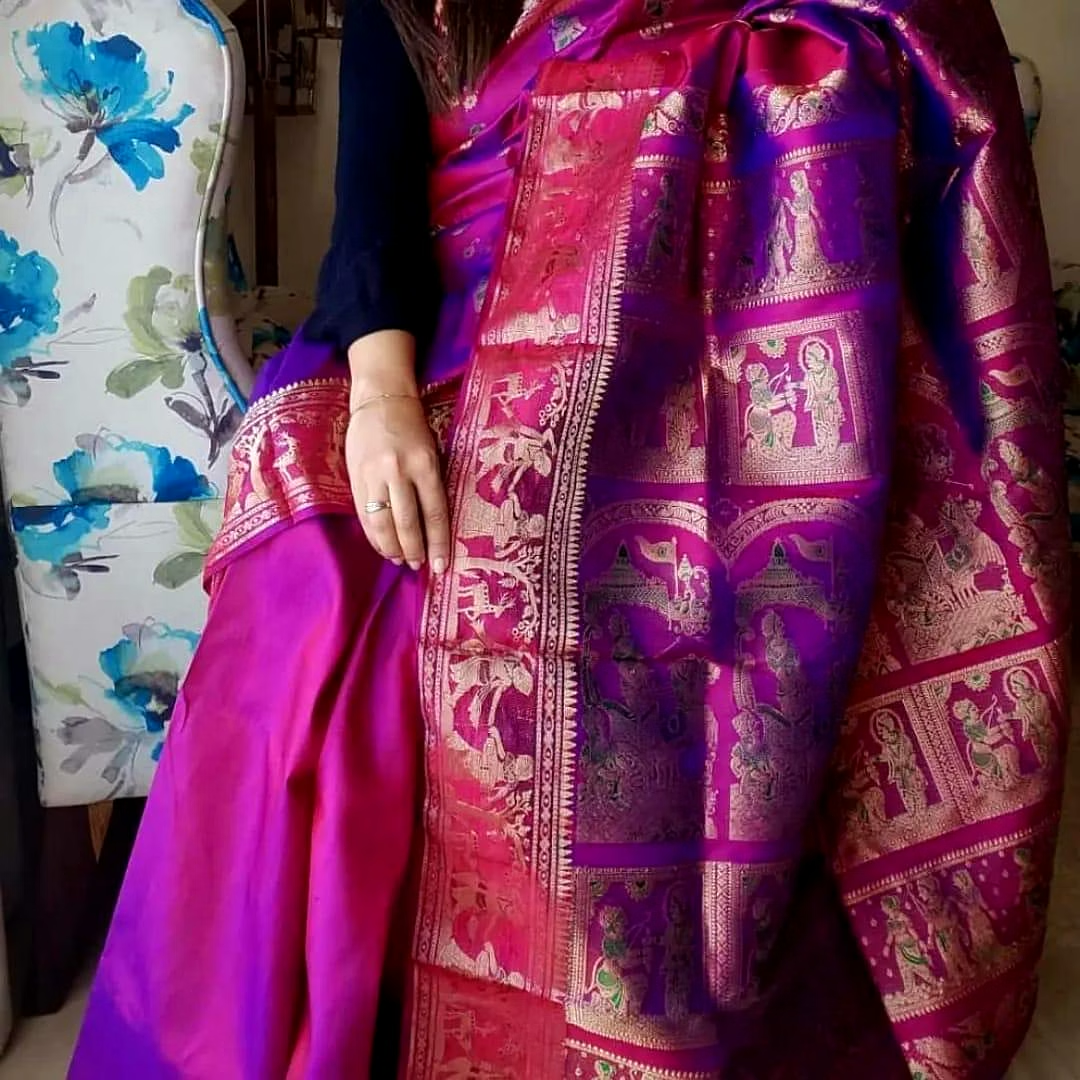
Pure silk sarees are a symbol of elegance and tradition, meticulously crafted from the finest mulberry silk threads. The journey of creating these exquisite sarees begins with the cultivation of mulberry plants, nourishing silk worms that produce delicate cocoons. The reeling process extracts silk fibers, which are then dyed using natural and synthetic dyes to achieve vibrant colors. Expert artisans from renowned weaving hubs such as Kanchipuram and Salem in Tamil Nadu weave intricate designs and patterns, utilizing age-old techniques to elevate the saree's beauty. The finishing touches often include elaborate embellishments like embroidery and zari work, making each piece a work of art. Each saree is finally presented with care, symbolizing not just craftsmanship but also the rich cultural heritage embedded in traditional Indian attire.
Key Features
| Features | Description |
|---|---|
| Material | 100% Pure Mulberry Silk |
| Weaving Technique | Handloom weaving with intricate designs |
| Origin | Kanchipuram and Salem, Tamil Nadu |
| Dyeing Process | Natural and synthetic dyes for vibrant colors |
| Embellishments | Zari work, embroidery and finishing details |
| Cultural Significance | Embodies traditional Indian craftsmanship |
| Presentation | Crafted packaging that reflects artistry |
| Attributes | Description |
|---|---|
| Fabric | 100% Mulberry Silk |
| Dimensions | 6.5 meters x 1.2 meters (typical saree length) |
| Weight | Approximately 0.5 - 1 kg, varies by design |
| Care Instructions | Dry clean only to maintain texture and color |
| Customization | Available in various colors and designs upon request |
| Production Time | Typically 2-4 weeks, depending on the complexity of design |
*Disclaimer: The above description has been AI-generated and has not been audited or verified for accuracy. It is recommended to verify product details independently before making any purchasing decisions.
Kanchipuram silk sarees are known for their vibrant colors, durability, and intricate designs, achieved through a unique three-shuttle weaving technique.
To maintain the quality of your silk saree, it is recommended to dry clean only. Avoid washing with water as it can damage the fabric.
Yes, we offer customization options where you can choose colors and designs tailored to your preferences.
Mulberry silk is preferred for its softness, sheen, and strength, making it ideal for creating luxurious sarees that drape beautifully.
Common embellishments include intricate zari work and embroidery, which enhance the beauty and uniqueness of each saree.
Brand: ithal
Country Of Origin: India
Pure silk saree making involves a multi-stage process, from cultivating mulberry silk to the final weaving and embellishment. The process typically involves selecting the finest silk threads, dyeing them, and then weaving them on a loom to create the saree's intricate designs and patterns. Kanchipuram and Salem in Tamil Nadu are known for their skilled artisans and the production of renowned silk sarees
1. Silk Cultivation and Reeling:
The process begins with cultivating mulberry plants, which are the primary food source for silk worms.
Silk worms spin cocoons, which are then carefully harvested and processed to extract the silk fibers.
The silk fibers are then wound onto spools to create the silk threads.
2. Dyeing and Thread Preparation:
The silk threads are dyed using various natural or synthetic dyes to achieve the desired colors and patterns.
The threads are then prepped and prepared for weaving.
3. Weaving:
The weaving process involves meticulously interlacing the threads on a loom to create the fabric.
Skilled artisans use various weaving techniques to create intricate designs and patterns, says Exotic India Art.
Kanchipuram sarees, for instance, are known for using three shuttles and weaving the body and border separately, according to Wikipedia.
4. Embellishment and Finishing:
Once the weaving is complete, the saree may be further embellished with intricate embroidery, zari work, or other embellishments.
The saree is then carefully trimmed and finished, with loose threads and other details taken care of.
5. Packaging and Presentation:
The final saree is carefully folded and packaged, often with intricate designs and protective materials, according to Ramdhanu.
The presentation of the saree is an art form in itself, reflecting the care and craftsmanship that went into its creation.
Inclusive of all taxes
You Save: 0
Alappuzha , India
Service Center, Professional Services, Brand Owner, Exporter, Women Entrepreneur