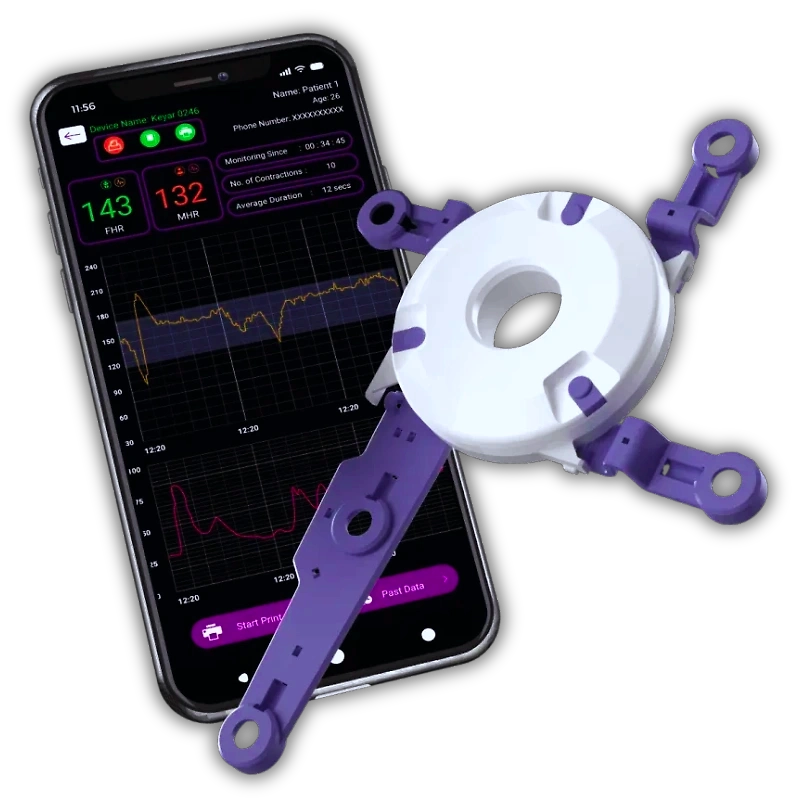
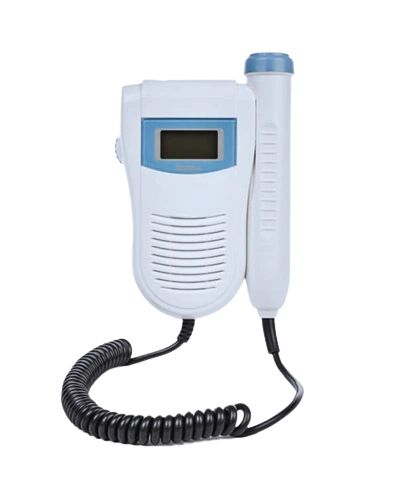
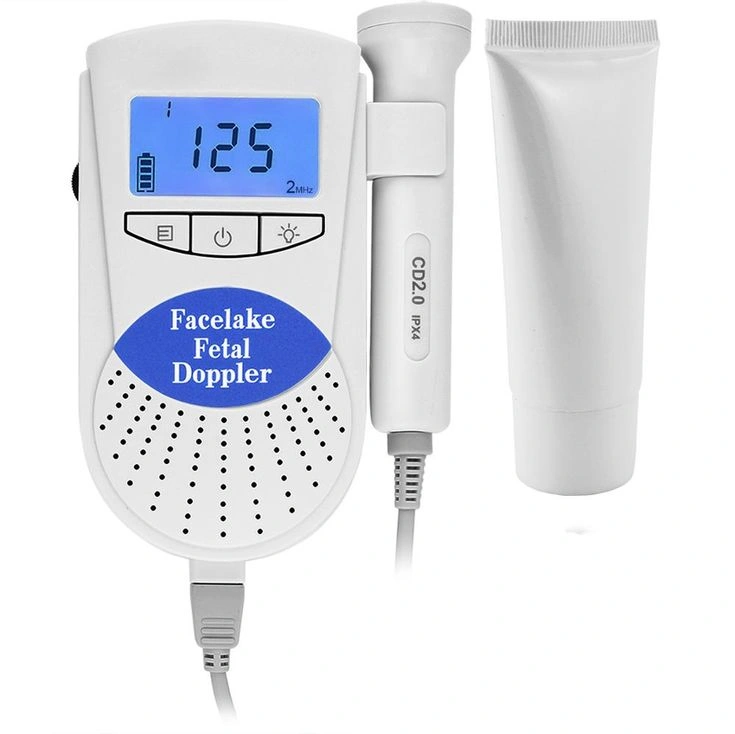
Prenatal heart rate monitors are critical medical devices specifically designed to measure the heart rate and rhythm of a fetus during pregnancy. These monitors offer healthcare professionals vital information about fetal well-being, especially when monitoring pregnant patients during routine check-ups or labor. Utilizing advanced technologies, both external and internal monitors provide accurate readings necessary for early detection of potential complications, making them indispensable tools in maternal-fetal medicine.
Key Features
| Features | Description |
|---|---|
| Heart Rate Measurement | Measures fetal heart rate in beats per minute (bpm). |
| Heart Rate Variability Detection | Monitors changes in heart rate variability that can indicate fetal distress. |
| Accelerations and Decelerations Detection | Identifies increases and decreases in fetal heart rate to indicate fetal well-being. |
| Doppler Ultrasound Technology | External monitors utilize Doppler technology to detect fetal heartbeat through the mother's abdomen. |
| Internal Electrode Option | Internal monitors use a thin electrode wire placed on the fetal scalp for more accurate readings during labor. |
| Attributes | Description |
|---|---|
| Measurement Range | Normal fetal heart rate range between 120 bpm and 160 bpm. |
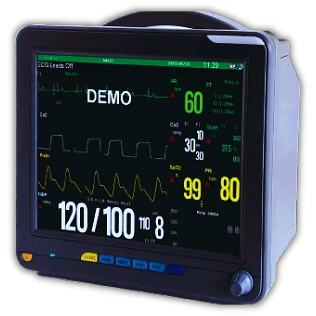
| Display Type | LCD digital display for easy readings. |
| Power Source | Battery-operated with charging options. |
| Portability | Lightweight and portable for in-home use and hospital settings. |
| Safety Standards | Meets all medical device safety regulations. |
*Disclaimer: The above description has been AI-generated and has not been audited or verified for accuracy. It is recommended to verify product details independently before making any purchasing decisions.
The primary function of a prenatal heart rate monitor is to measure and monitor the heart rate and rhythm of a fetus during pregnancy.
An external prenatal heart rate monitor uses Doppler ultrasound technology to detect the fetal heartbeat through the mother's abdomen, making it suitable for routine check-ups.
Internal heart rate monitors are typically used during labor when the cervix is dilated and the amniotic sac has ruptured, providing more accurate heart rate readings.
Prenatal heart rate monitors usually measure heart rates within a normal range of 120 bpm to 160 bpm for fetal health.
Yes, advanced prenatal heart rate monitors can detect changes in heart rate variability, accelerations, and decelerations, which can indicate fetal distress.
Country Of Origin: India
A prenatal heart rate monitor, also known as a fetal heart rate monitor, is a medical device used to measure the heart rate and rhythm of a fetus during pregnancy. It is an essential tool for healthcare providers to assess the well-being of the fetus and detect any potential issues.
External Monitors: These monitors use a Doppler ultrasound device to detect the fetal heartbeat through the mother's abdomen. They are commonly used during prenatal check-ups and labor. [1]
Internal Monitors: These monitors use a thin wire electrode placed on the fetus's scalp to measure the heart rate. They are typically used during labor when the cervix is dilated and the amniotic sac has ruptured. [3]
Key Features:
Heart Rate Measurement: Prenatal heart rate monitors measure the heart rate of the fetus in beats per minute (bpm).
Heart Rate Variability: Some monitors can detect changes in the heart rate variability, which can indicate fetal distress.
Accelerations and Decelerations: Monitors can detect accelerations (increases) and decelerations (decreases) in the fetal heart rate, which can indicate fetal well-being.
Inclusive of all taxes
You Save: 0
Delhi , India
Service Provider , Service Center, Manufacturer, Professional Services, Contractor, Retailer, Brand Owner, Distributor, Exporter, Importer, Wholesaler, Women Entrepreneur, Startup