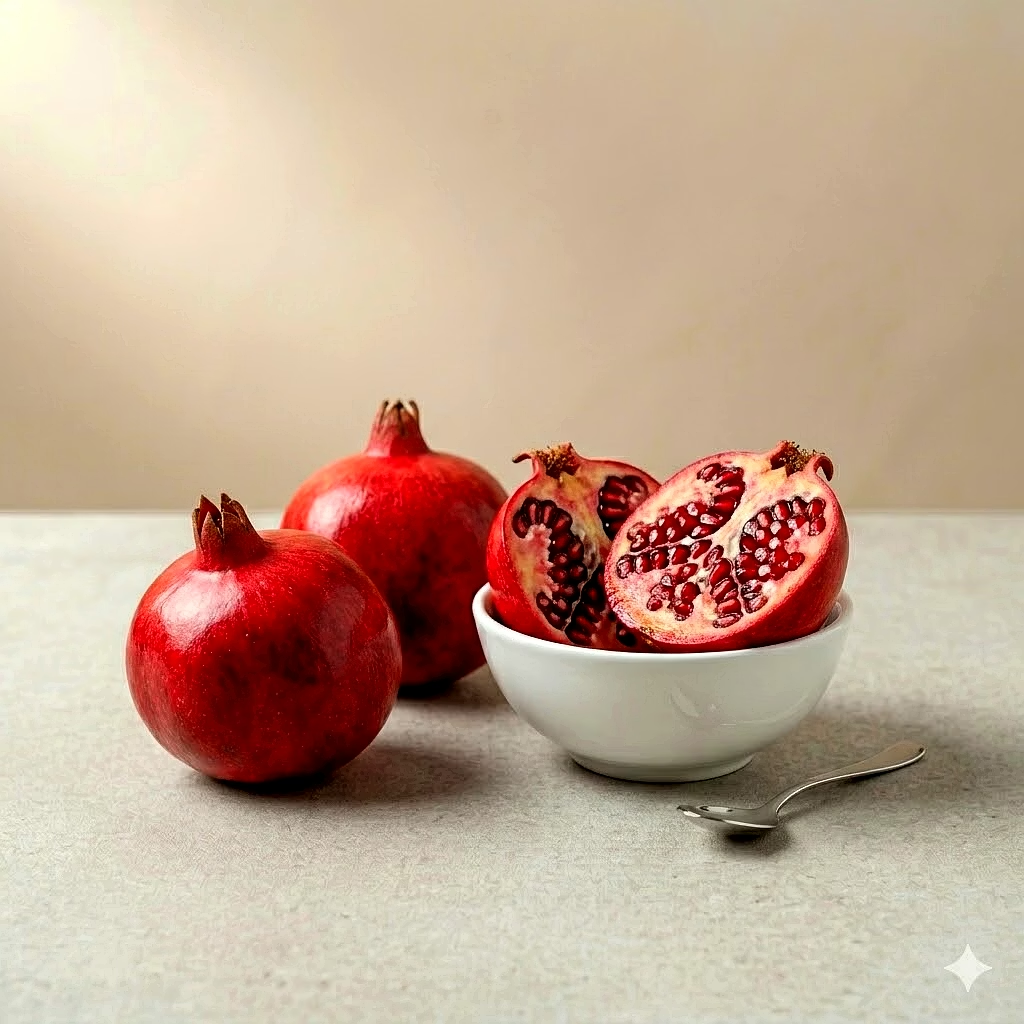
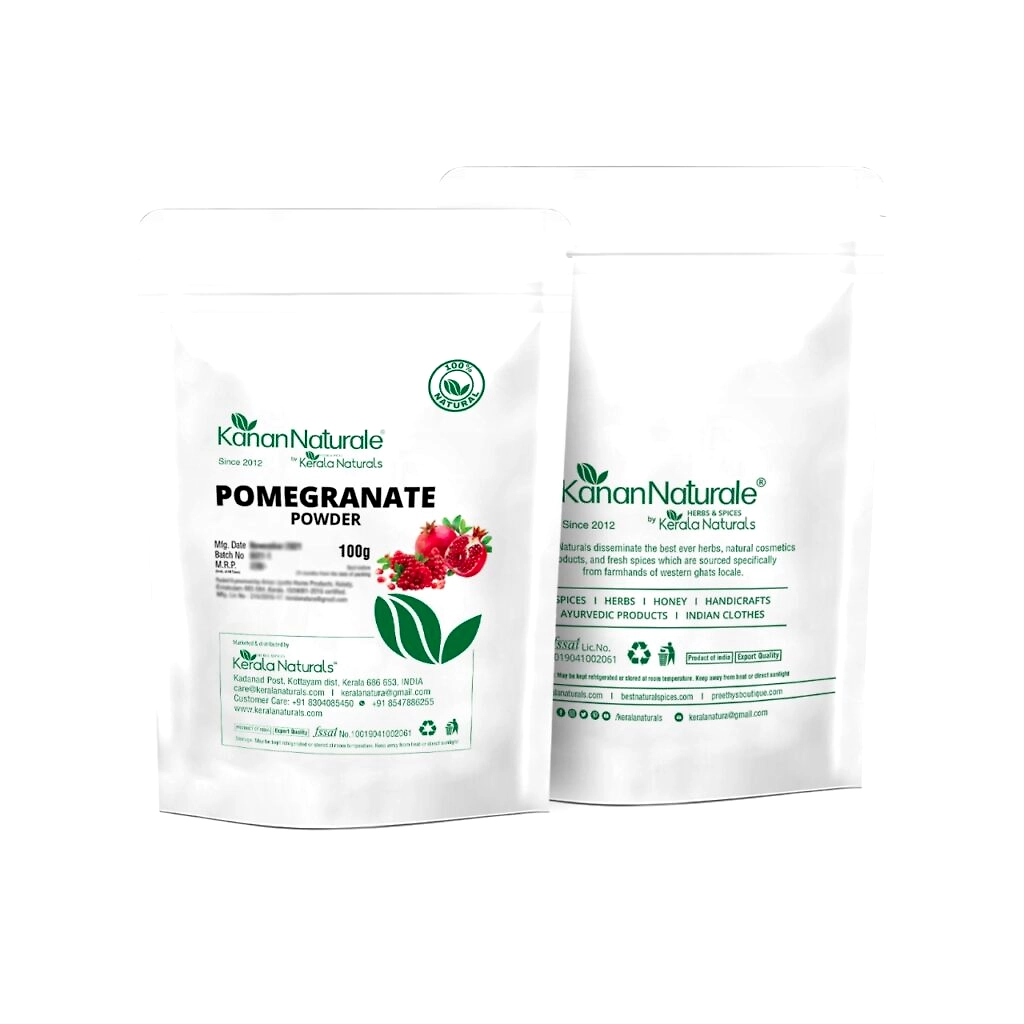
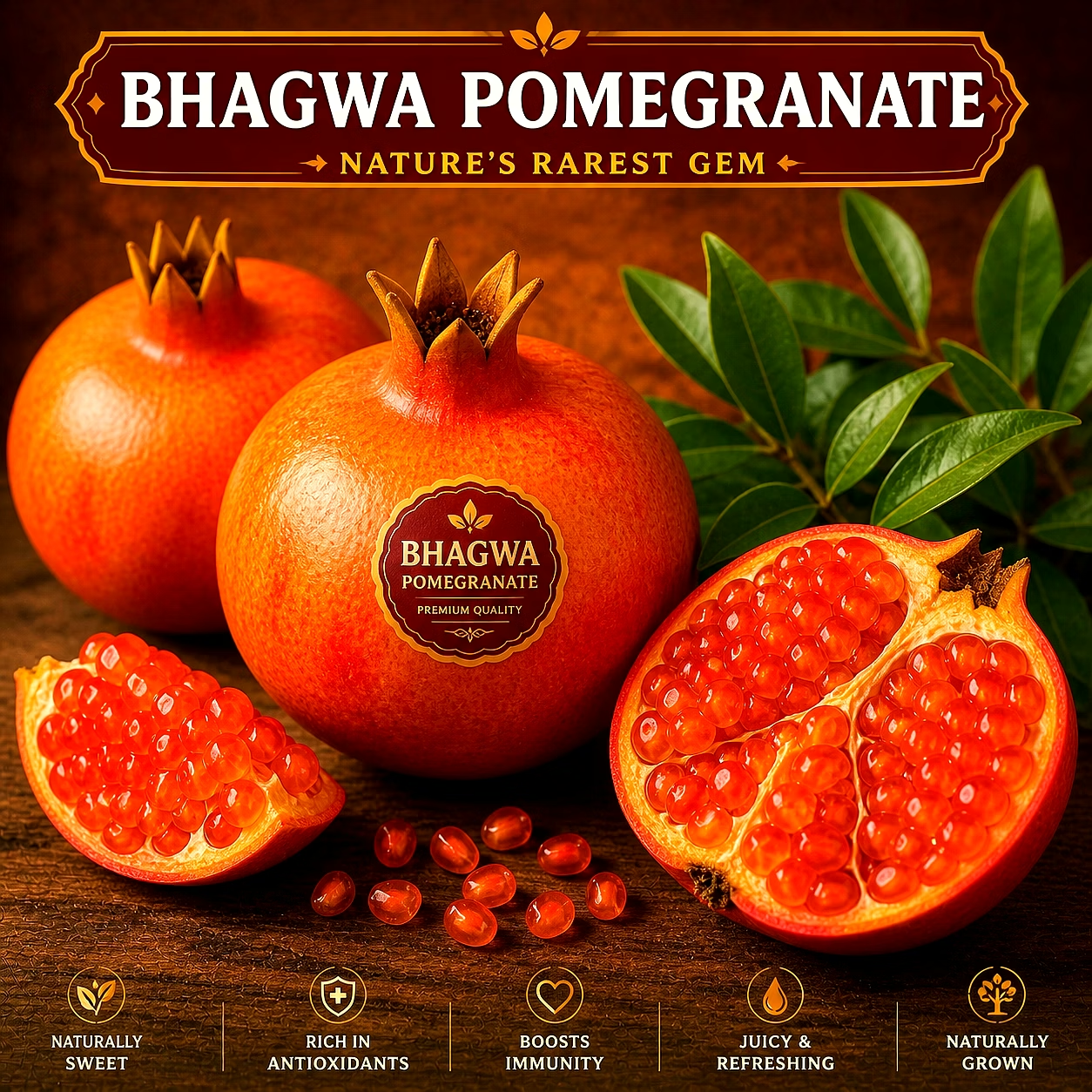
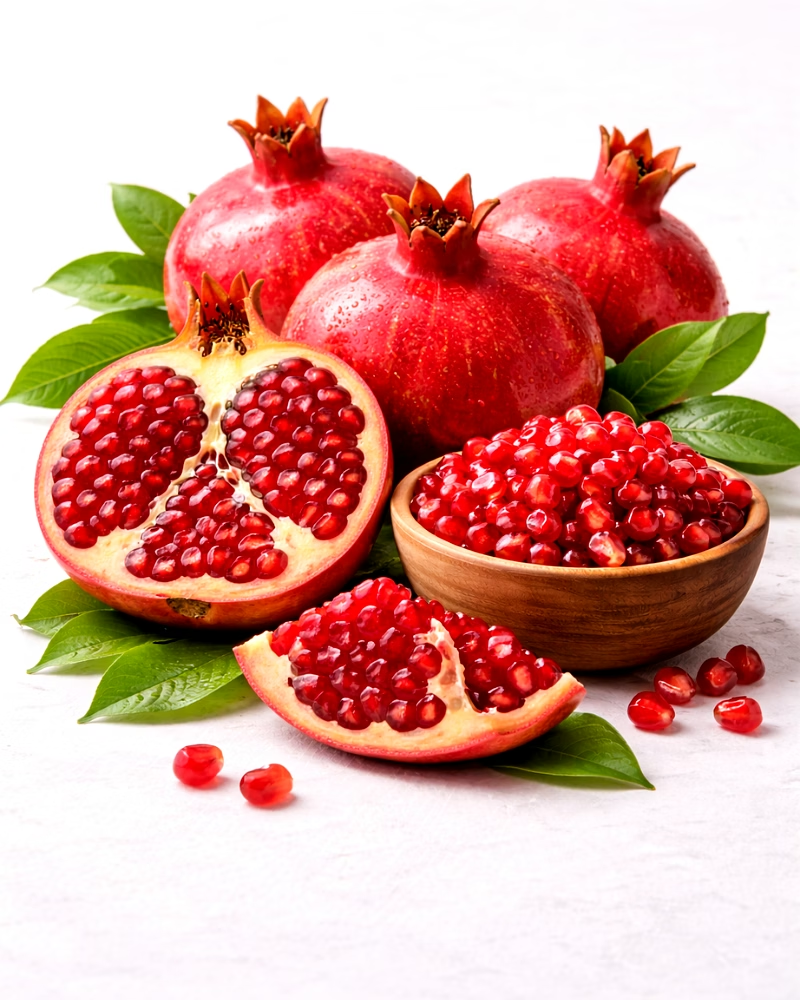
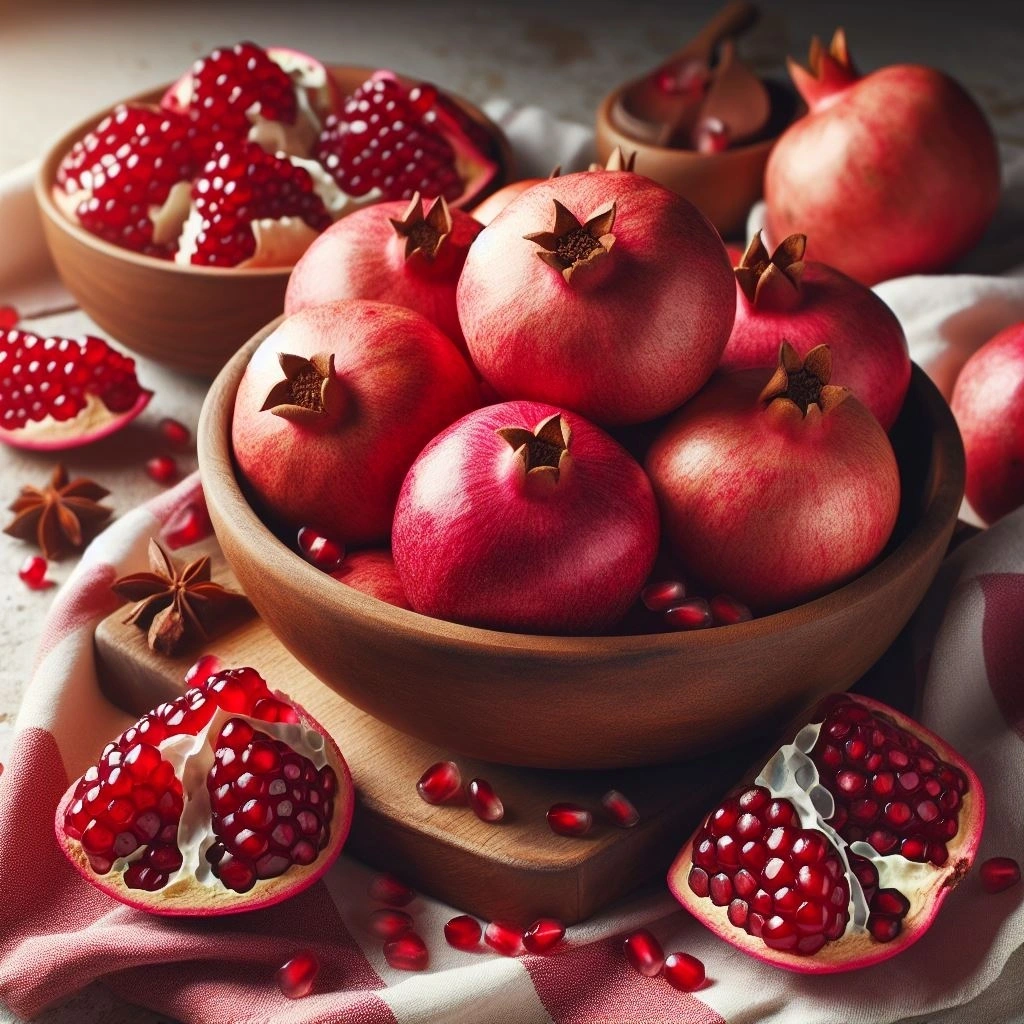
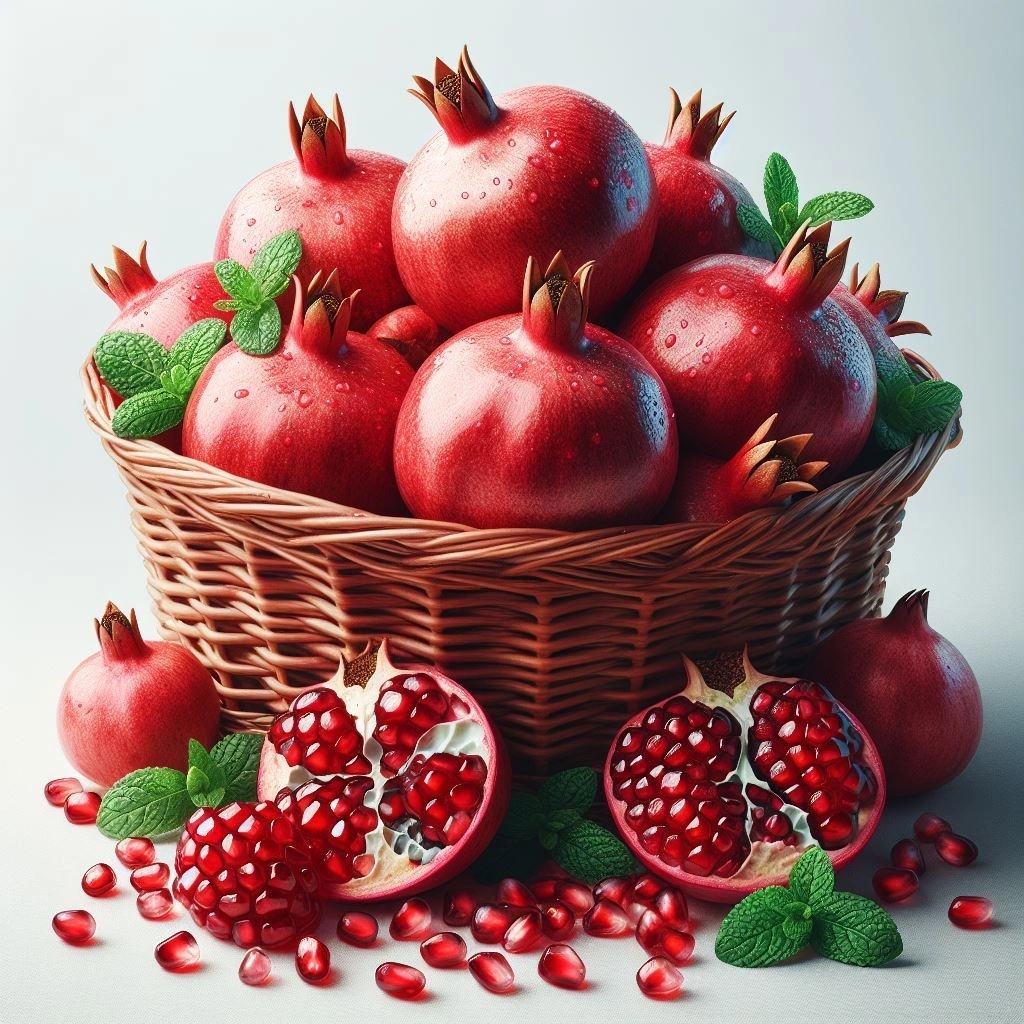
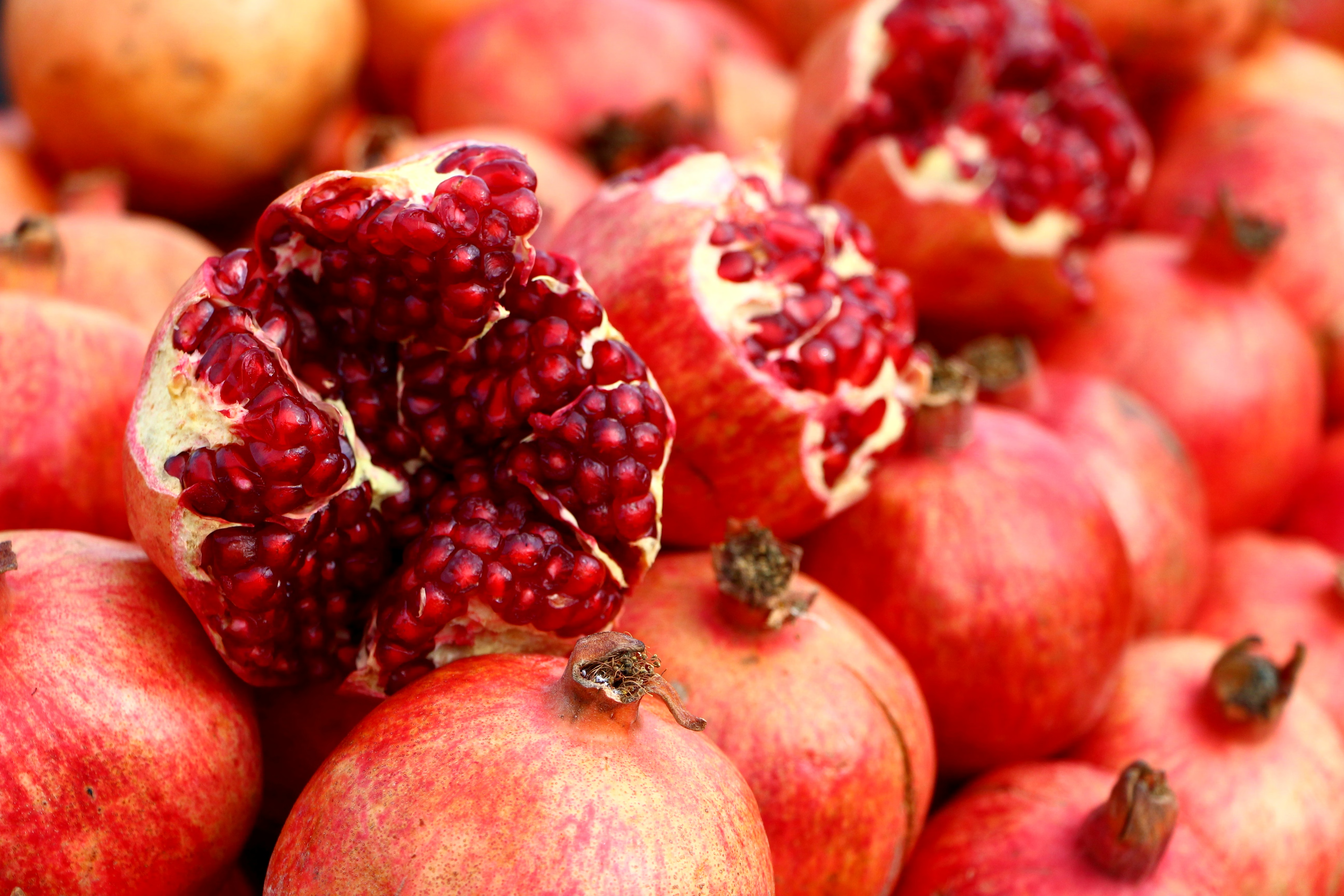
Pomegranates, scientifically known as Punica granatum, are nutrient-dense fruits prized for their vibrant, deep red to purple leathery skin and jewel-like arils. Each aril encases a juicy seed bursting with a unique sweet and tart flavor, making pomegranates versatile for direct consumption and culinary applications. Rich in antioxidants such as punicalagins and anthocyanins, alongside essential nutrients like vitamin C, potassium, and dietary fiber, pomegranates support health and wellness. This fruit is ideal for fresh eating, salads, desserts, yogurts, and savory dishes, while its juice serves as a flavorful ingredient in beverages, cocktails, sauces, and dressings. The precise compartmentalized structure of the arils ensures easy extraction and incorporation into food products, catering directly to businesses in food production, hospitality, and health-oriented markets seeking premium fruit ingredients.
Key Features
| Features | Description |
|---|---|
| Scientific Name | Punica granatum |
| Fruit Appearance | Round with thick leathery skin; color varies from yellow-orange to deep red or purple |
| Aril Characteristics | Juicy seed compartments offering sweet and tart flavor |
| Nutrient Content | High in antioxidants (punicalagins, anthocyanins), vitamin C, potassium, dietary fiber |
| Culinary Uses | Can be consumed fresh, used in salads, desserts, savory dishes, and beverages |
| Flavor Profile | Balanced sweet and tart taste |
| Packaging Suitability | Easy-to-handle fruit suitable for fresh produce markets and processed food ingredient use |
| Attributes | Description |
|---|---|
| Botanical Genus | Punica |
| Species | Punica granatum |
| Fruit Size | Typically 5-12 cm in diameter |
| Skin Texture | Thick and leathery |
| Color Variants | Yellow-orange, deep red, purple |
| Main Nutrients | Antioxidants (punicalagins, anthocyanins), vitamin C, potassium, dietary fiber |
| Typical Uses | Fresh consumption, culinary ingredient, beverage base |
| Shelf Life | Up to several weeks under proper refrigeration |
| Origin | Native to region extending from Iran to northern India; widely cultivated worldwide |
*Disclaimer: The above description has been AI-generated and has not been audited or verified for accuracy. It is recommended to verify product details independently before making any purchasing decisions.
These pomegranates are particularly rich in punicalagins and anthocyanins, potent antioxidants known for their health benefits.
Yes, the high juice content and sweet-tart flavor profile make these pomegranates excellent for commercial juice production and beverage bases.
With proper refrigeration, the pomegranates can maintain freshness and quality for several weeks, suitable for distribution and storage.
Absolutely, the juicy arils add a refreshing sweetness and texture, enhancing salads, sauces, and various savory recipes.
This product generally ranges from 5 to 12 cm in diameter, accommodating different market demands from small to large fruit sizes.
Country Of Origin: India
Pomegranates are vibrant and nutrient-rich fruits that have been enjoyed for centuries. Here are some key aspects of pomegranates:
Botanical Information:
Pomegranates come from the Punica genus. The most commonly cultivated species is Punica granatum.
Appearance:
Pomegranates are round fruits with a thick, leathery skin that can range in color from yellow-orange to deep red or purple.
Inside, the fruit is divided into compartments called arils, each containing a juicy seed.
Flavor Profile:
Pomegranates have a unique flavor that is both sweet and tart. The arils burst with a juicy and refreshing taste.
Nutritional Content:
Pomegranates are rich in antioxidants, particularly punicalagins and anthocyanins.
They are a good source of vitamin C, potassium, and dietary fiber.
Culinary Uses:
Pomegranate arils can be eaten fresh as a snack or added to salads, yogurt, desserts, and savory dishes.
Pomegranate juice is used in beverages, cocktails, and as a base for sauces and dressings.
Pomegranates are vibrant and nutrient-rich fruits that have been enjoyed for centuries. Here are some key aspects of pomegranates:
Botanical Information:
Pomegranates come from the Punica genus. The most commonly cultivated species is Punica granatum.
Appearance:
Pomegranates are round fruits with a thick, leathery skin that can range in color from yellow-orange to deep red or purple.
Inside, the fruit is divided into compartments called arils, each containing a juicy seed.
Flavor Profile:
Pomegranates have a unique flavor that is both sweet and tart. The arils burst with a juicy and refreshing taste.
Nutritional Content:
Pomegranates are rich in antioxidants, particularly punicalagins and anthocyanins.
They are a good source of vitamin C, potassium, and dietary fiber.
Culinary Uses:
Pomegranate arils can be eaten fresh as a snack or added to salads, yogurt, desserts, and savory dishes.
Pomegranate juice is used in beverages, cocktails, and as a base for sauces and dressings.
Inclusive of all taxes
You Save: 0
Mumbai , India
Service Provider , Brand Owner, Distributor, Exporter, Importer, Wholesaler, Startup