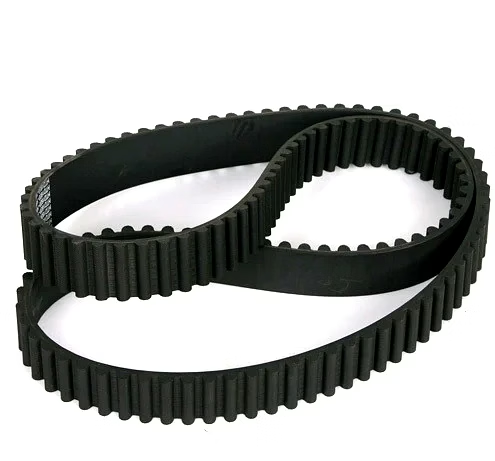
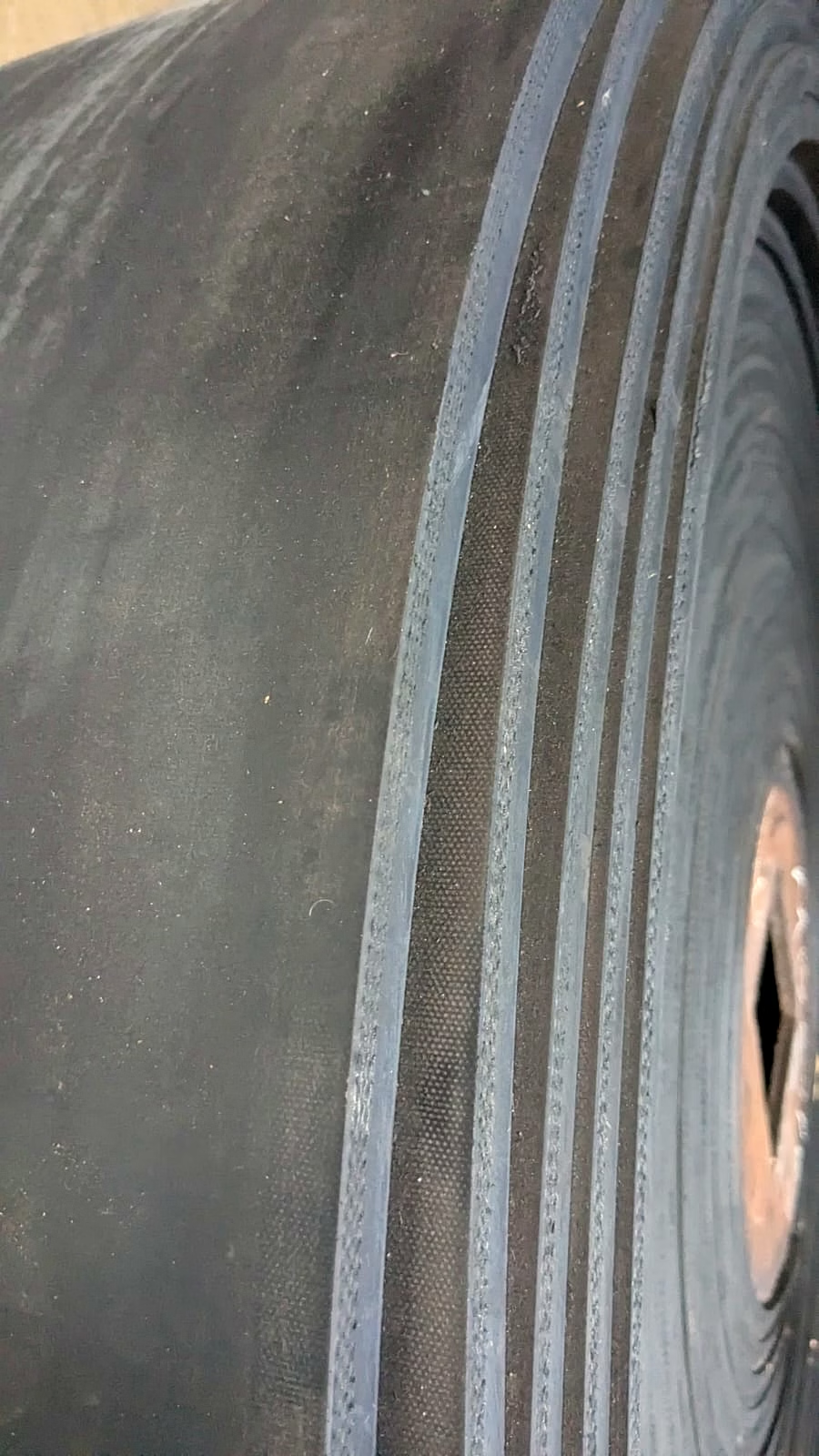
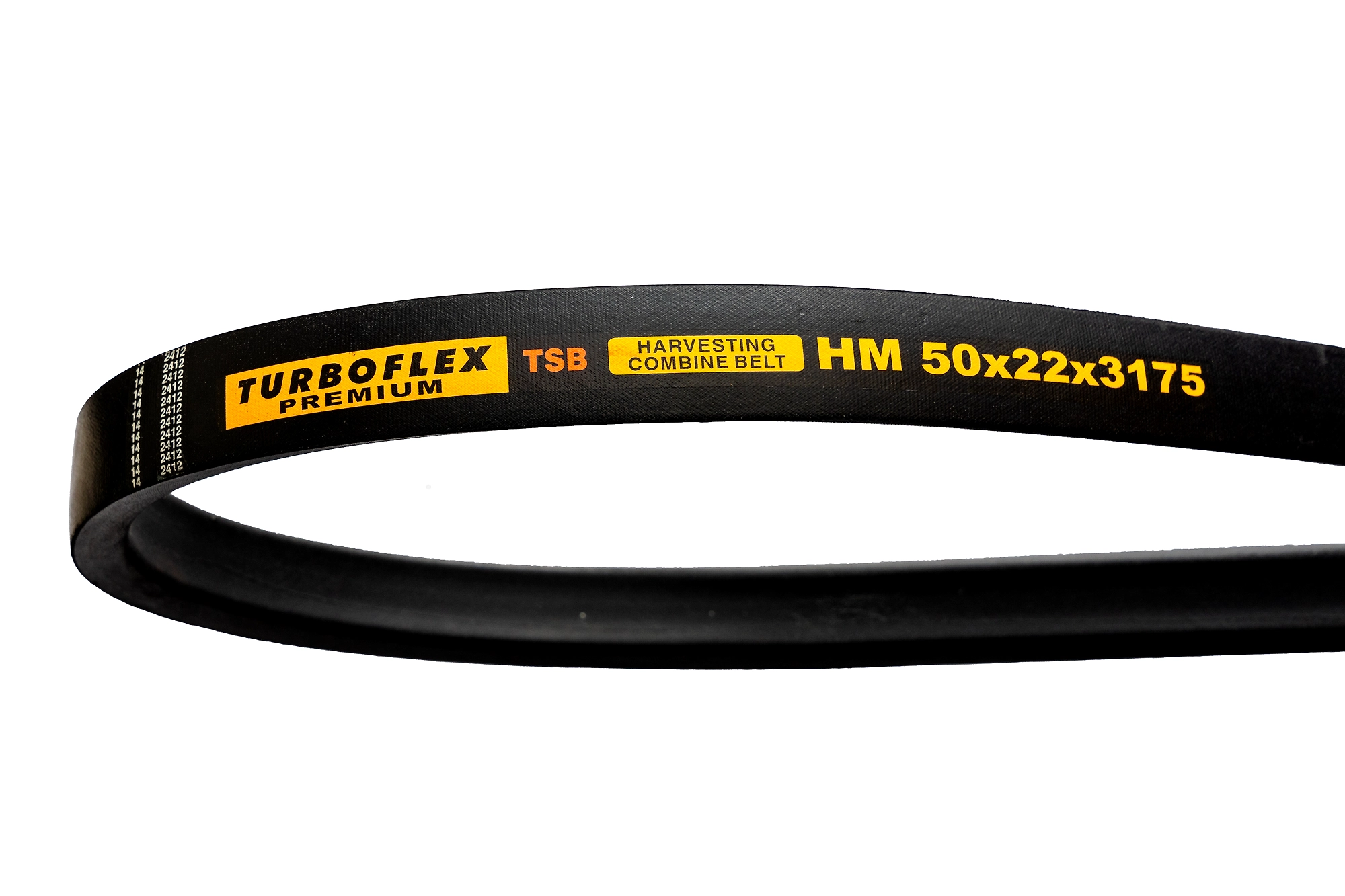
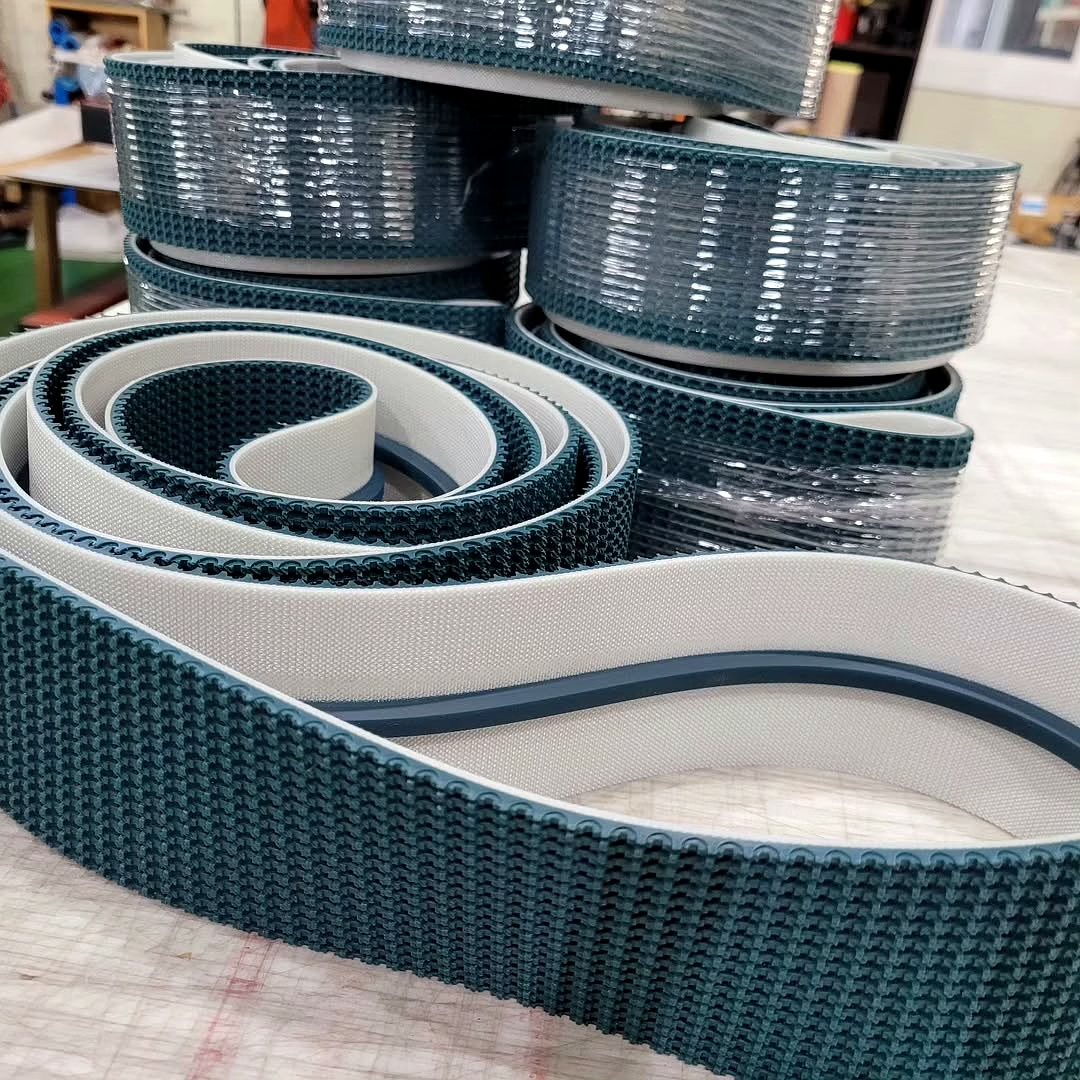
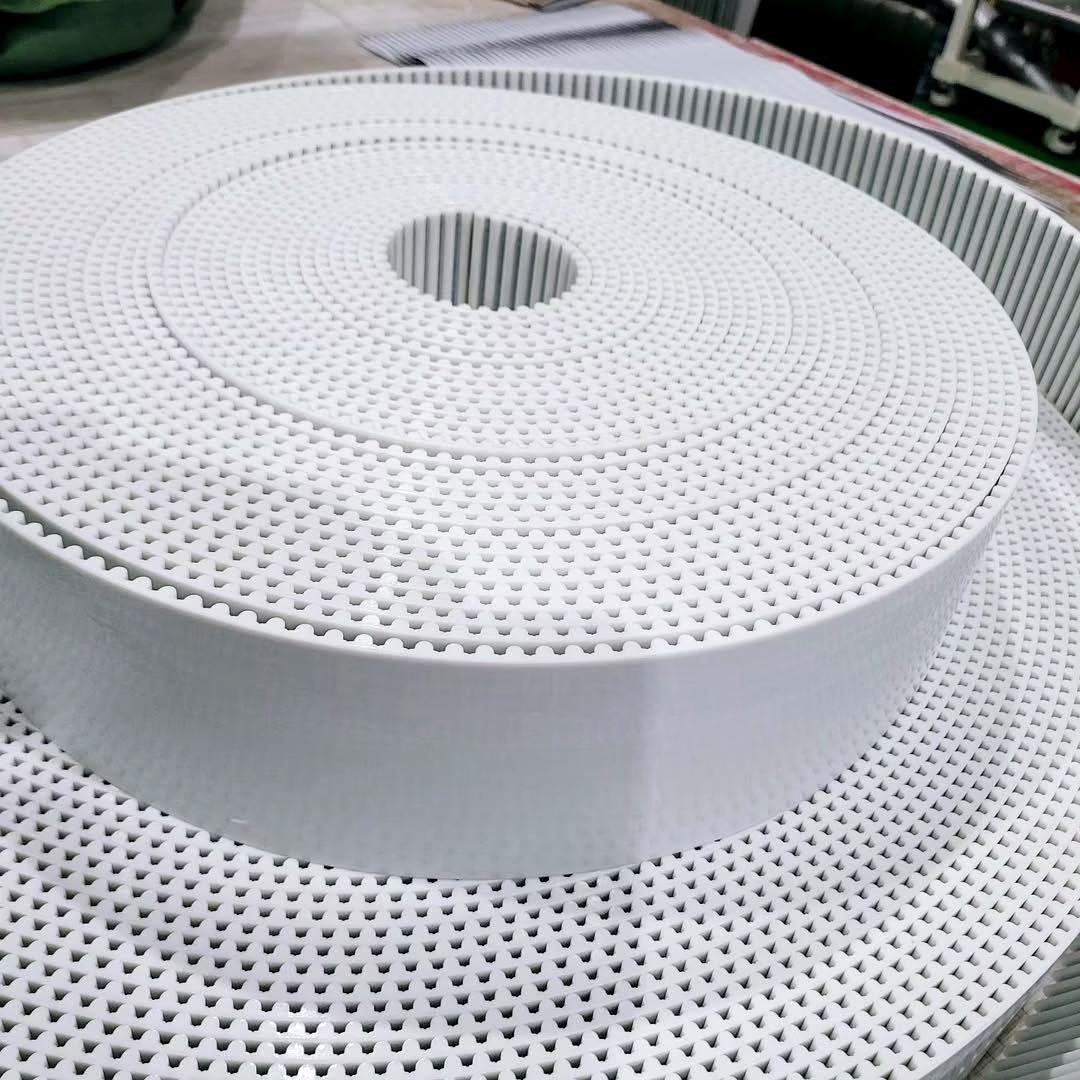
Polyurethane Timing Belts are engineered for high-performance synchronous power transmission applications where durability, precision, and reliability are key. Constructed from premium polyurethane materials combined with high-strength steel or aramid cord reinforcements, these belts deliver exceptional tensile strength and wear resistance. Their superior dimensional stability ensures consistent and accurate timing, eliminating slippage even under high load and high-speed operational conditions. Ideal for industrial machinery, robotics, automotive engines, and automated equipment, these belts maintain optimal performance in demanding environments, resist oil, chemicals, and abrasion, and provide longer service life compared to conventional rubber belts.
Key Features
| Features | Description |
|---|---|
| Material Composition | High-quality polyurethane with steel or aramid cord reinforcement |
| Tensile Strength | High tensile strength ensuring robust load handling |
| Wear Resistance | Excellent resistance to abrasion, oil, and chemical exposure |
| Dimensional Stability | Superior stability for precise synchronous operation |
| Slip Resistance | Ensures accurate power transmission without slippage |
| Operational Environment | Suitable for harsh industrial environments and temperatures |
| Applications | Ideal for automotive timing systems, industrial machinery, robotics, and automation |
| Cord Reinforcement Options | Choice between steel cord and aramid cord based on application needs |
| Longevity | Extended service life compared to traditional rubber belts |
| Attributes | Description |
|---|---|
| Belt Type | Synchronous timing belt |
| Material | Polyurethane with steel or aramid cord reinforcement |
| Pitch | Available in standard and custom pitches |
| Width Options | Customizable widths to fit various pulley sizes |
| Temperature Range | -30°C to +80°C (typical) |
| Tensile Strength Rating | Up to several thousand Newtons depending on cord type |
| Chemical Resistance | Resistant to oils, solvents, and many industrial chemicals |
| Surface Finish | Smooth or cogged profiles for specific engagement requirements |
| Reinforcement Material Options | High-strength steel wire or aramid fiber cords |
| Compliance Standards | Manufactured according to ISO and DIN timing belt standards |
*Disclaimer: The above description has been AI-generated and has not been audited or verified for accuracy. It is recommended to verify product details independently before making any purchasing decisions.
Polyurethane timing belts offer superior wear resistance, higher tensile strength, better chemical and oil resistance, and enhanced dimensional stability, resulting in longer service life and more precise timing in demanding industrial applications compared to rubber belts.
Steel cord reinforcements provide extremely high tensile strength ideal for heavy-load applications, while aramid cords offer excellent flexibility with high strength and resistance to elongation, making them suitable for lighter loads and environments requiring more belt flexing.
Yes, polyurethane timing belts can be manufactured in various pitches, widths, and cord reinforcements, allowing customization to meet specific operational requirements such as load capacity, speed, and environmental resistance.
These belts typically operate effectively within a temperature range of -30°C to +80°C, suitable for most industrial environments; custom formulations may extend this range depending on application needs.
Yes, polyurethane materials offer excellent resistance to oils, solvents, and many industrial chemicals, making them ideal for use in harsh environments where chemical exposure might degrade other belt materials.
Country Of Origin: India
Polyurethane timing belts are high-performance synchronous belts known for their excellent wear resistance, high tensile strength, and superior dimensional stability.
Made with a polyurethane body and reinforced with high-strength steel or aramid cords, these belts ensure precise and slip-free power transmission.