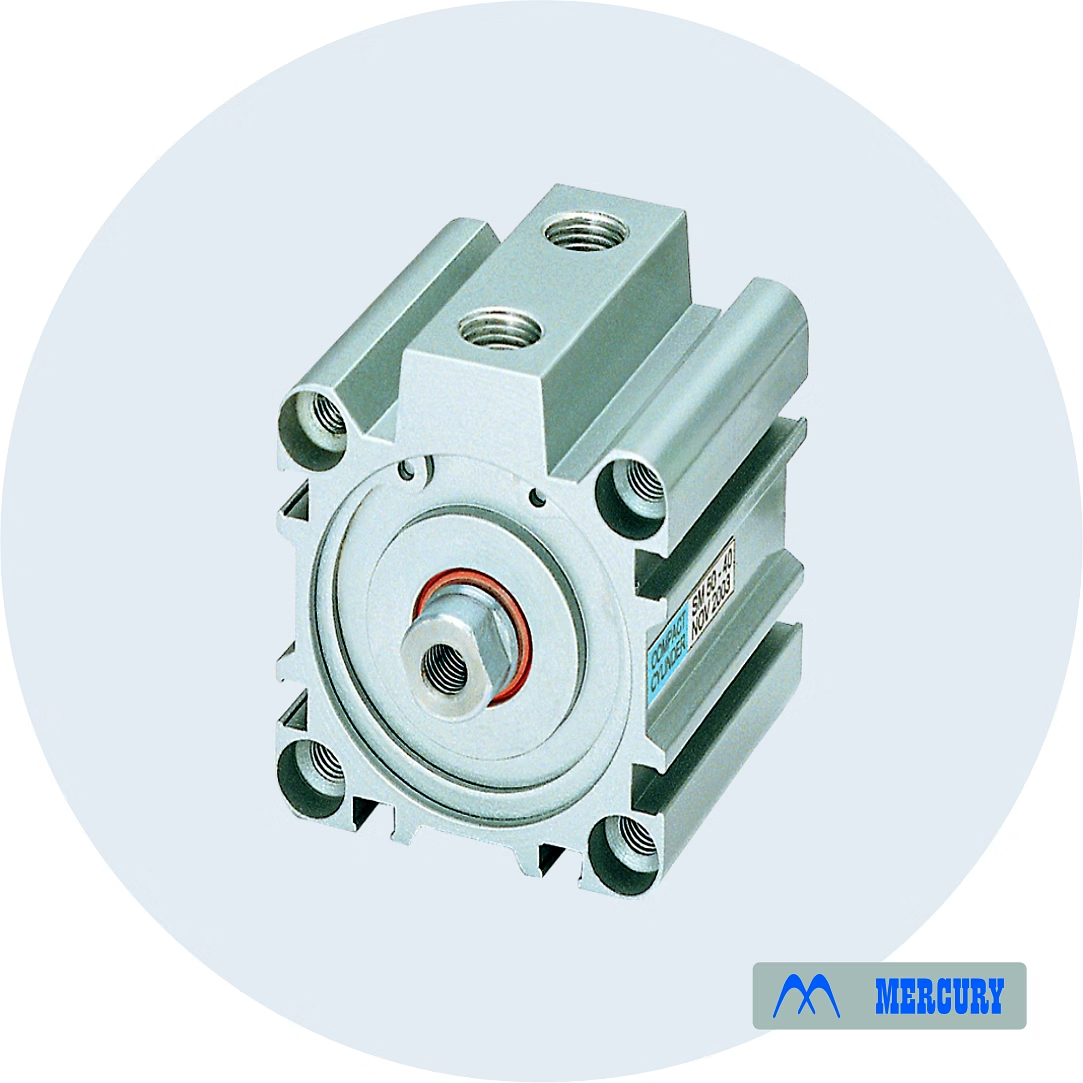
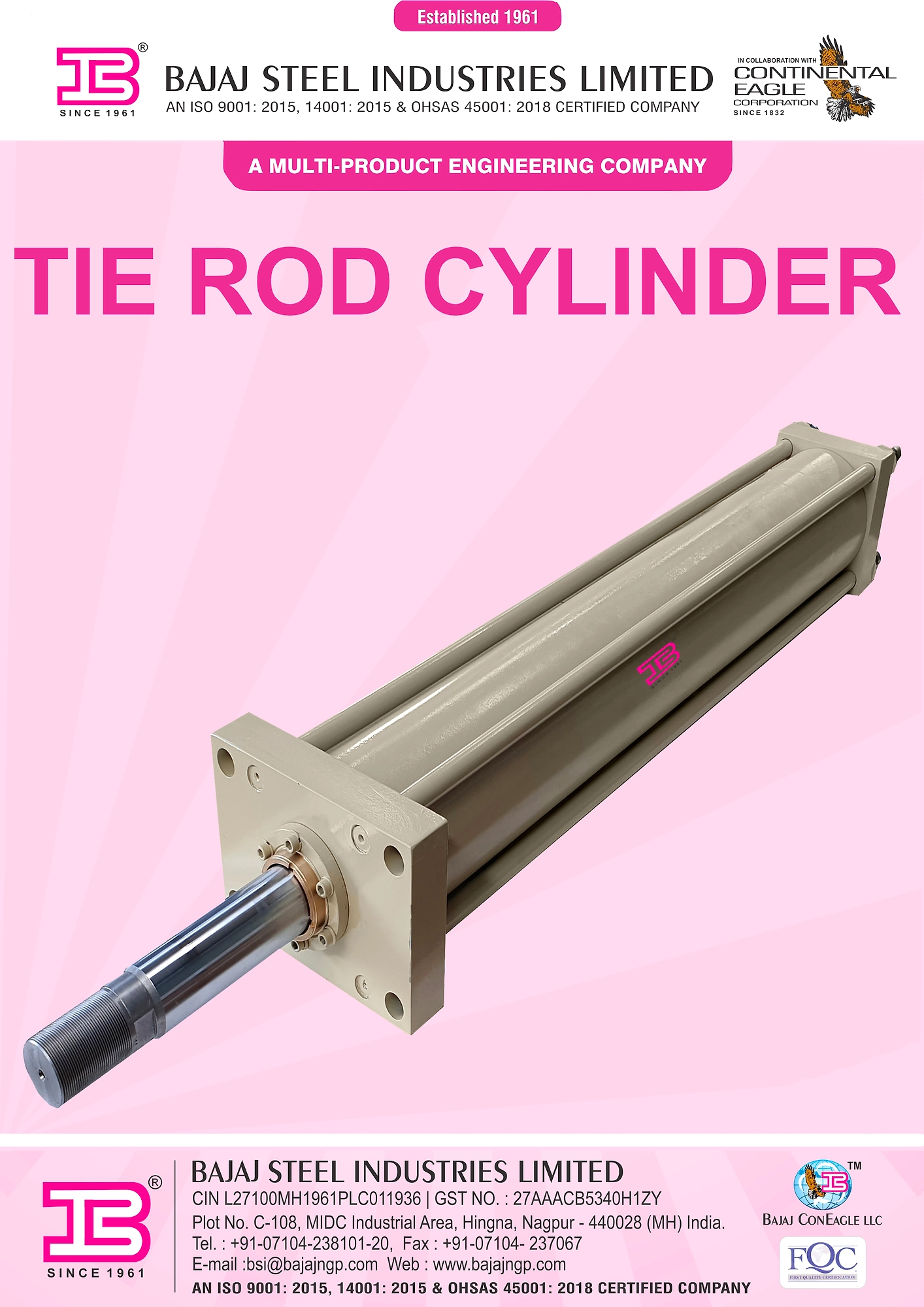
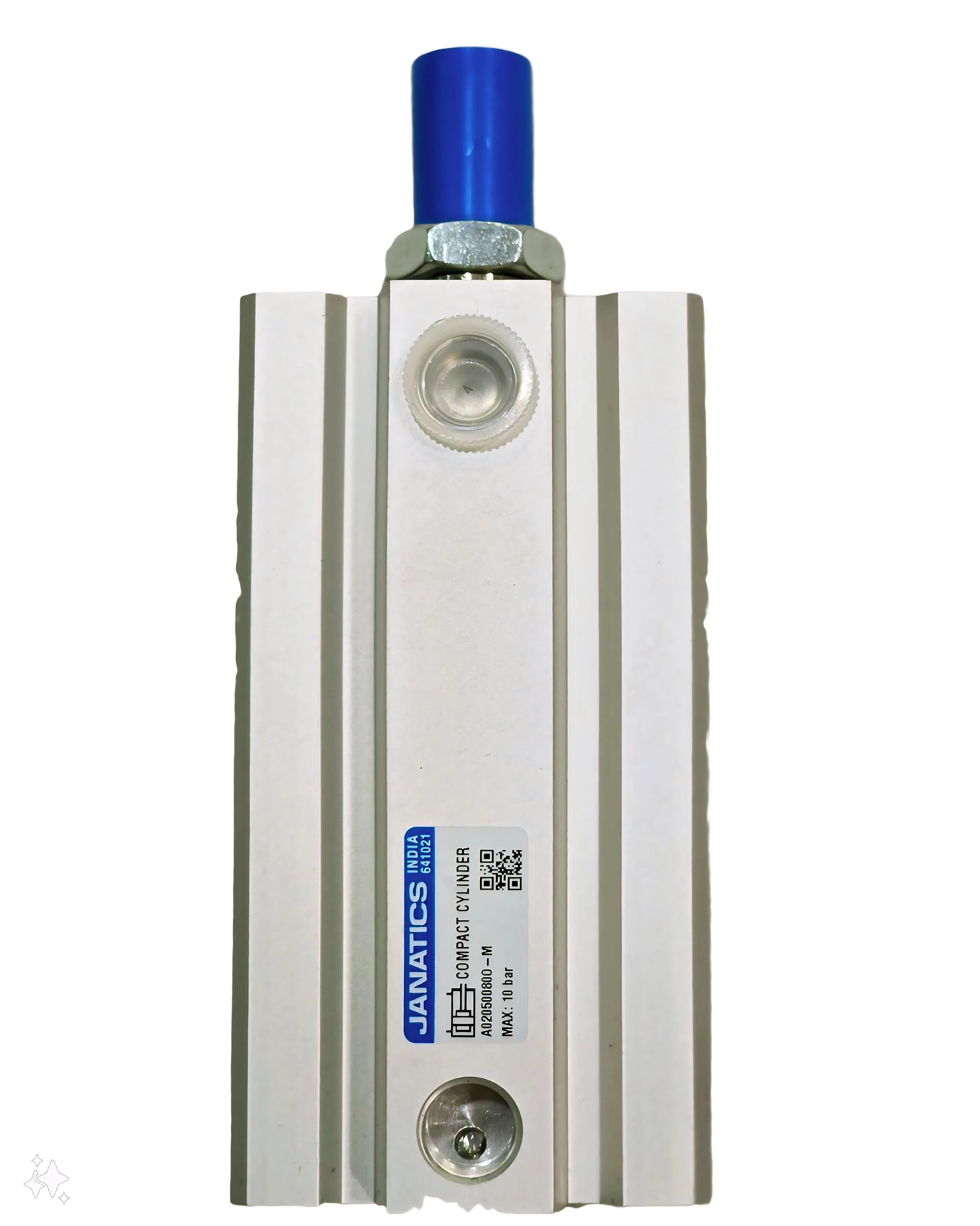
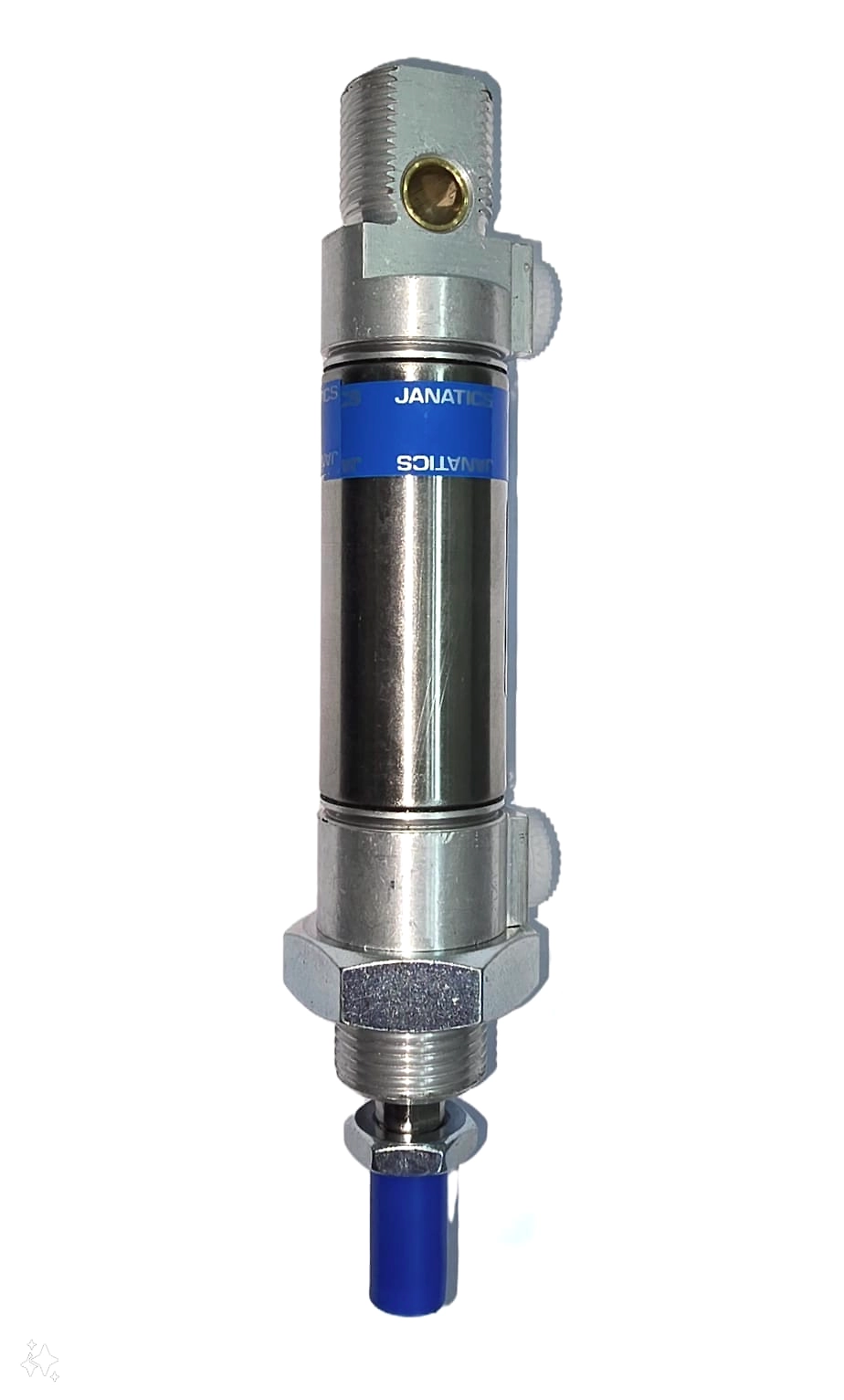
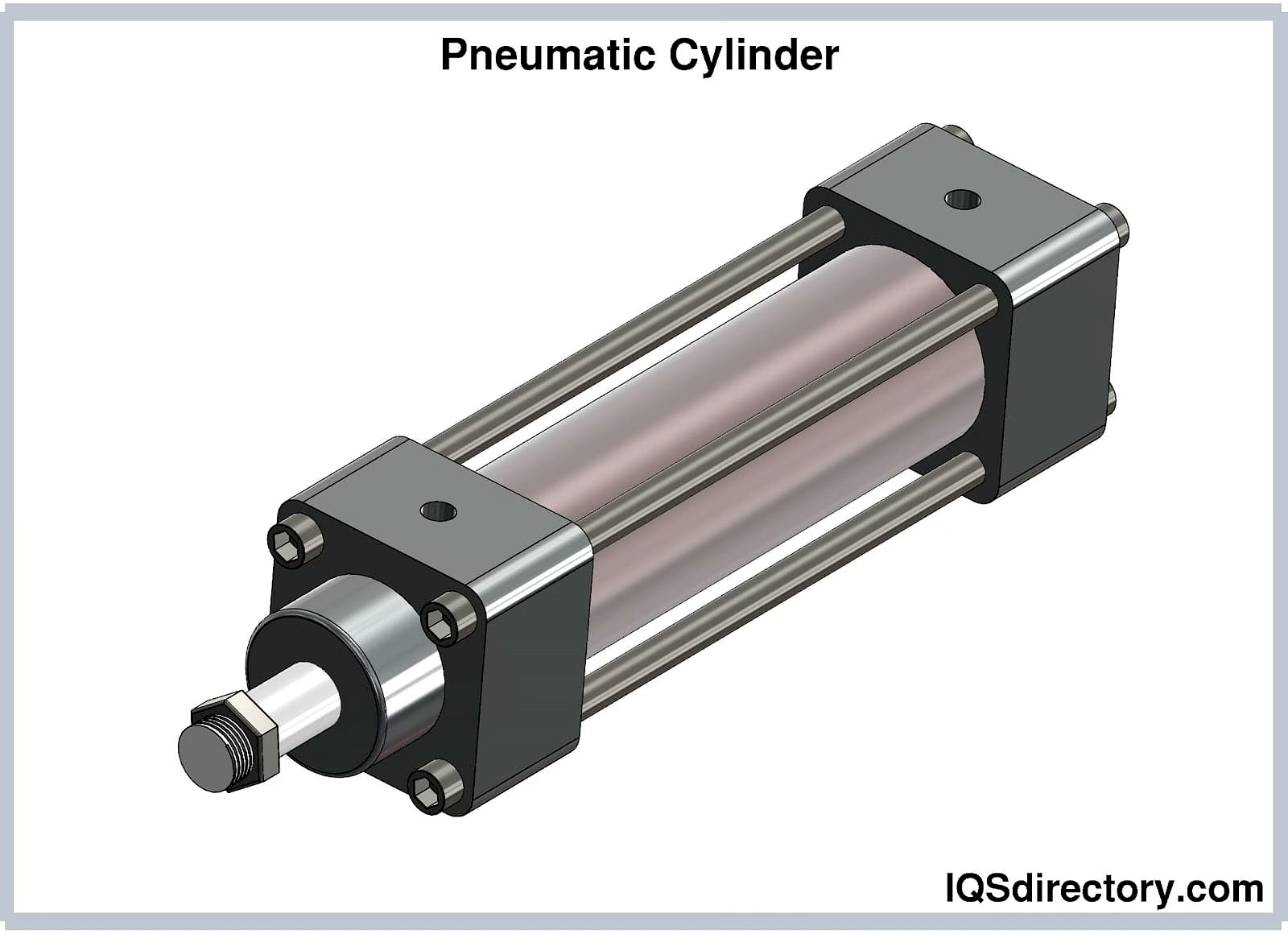
The Pneumatic Air Cylinder is an advanced device engineered for efficient force generation in mechanical systems. Designed with a durable cylinder barrel typically made from aluminum or steel, this product encompasses vital components such as a piston, piston rod, end caps, seals, and ports. The piston moves back and forth inside the barrel, driven by air pressure and effectively dividing the barrel into two chambers for supply and exhaust air. These cylinders are available in various types including single-acting, double-acting, rodless, and compact variants, each tailored for specific applications ranging from automation systems to material handling and packaging. With their ability to ensure fast movement, clean operation, and cost-effective functionality, pneumatic air cylinders are essential for enhancing productivity in industrial settings.
Key Features
| Features | Description |
|---|---|
| Material | Durable aluminum or steel barrel |
| Type | Available in single-acting, double-acting, rodless, and compact |
| Operational Principle | Uses compressed air for movement |
| Applications | Widely used in automation, material handling, and packaging |
| Movement Speed | High-speed operation due to quick air movement |
| Cost Efficiency | Less expensive and easier to maintain than hydraulic systems |
| Maintenance | Minimal upkeep required due to clean operation |
| Force Application | Exerts significant force for clamping and pressing |
| Attributes | Description |
|---|---|
| Cylinder Diameter | Varies based on application requirements |
| Stroke Length | Available in various lengths for flexibility |
| Rod Diameter | Appropriate rod sizing for the specific force requirements |
| Pressure Rating | Typically operates between 60-120 psi |
| Sealing | High-grade seals for leak prevention |
| Port Configuration | Multiple ports for versatile air supply/exhaust |
| Operating Temperature | Suitable for standard industrial environments |
*Disclaimer: The above description has been AI-generated and has not been audited or verified for accuracy. It is recommended to verify product details independently before making any purchasing decisions.
Single-acting cylinders extend the piston using air pressure in one direction and rely on a spring to return, while double-acting cylinders utilize air pressure to extend and retract the piston in both directions.
Pneumatic air cylinders are commonly constructed from durable materials such as aluminum and steel to withstand industrial conditions.
These cylinders are widely used in automation systems, material handling, packaging processes, and in clamping or pressing operations in various industries.
Pneumatic cylinders are generally easier and less expensive to maintain than hydraulic systems due to their use of compressed air which does not leave residue.
Pneumatic cylinders offer fast movement, clean operation, and cost-effectiveness, making them ideal for many industrial applications.
Country Of Origin: India
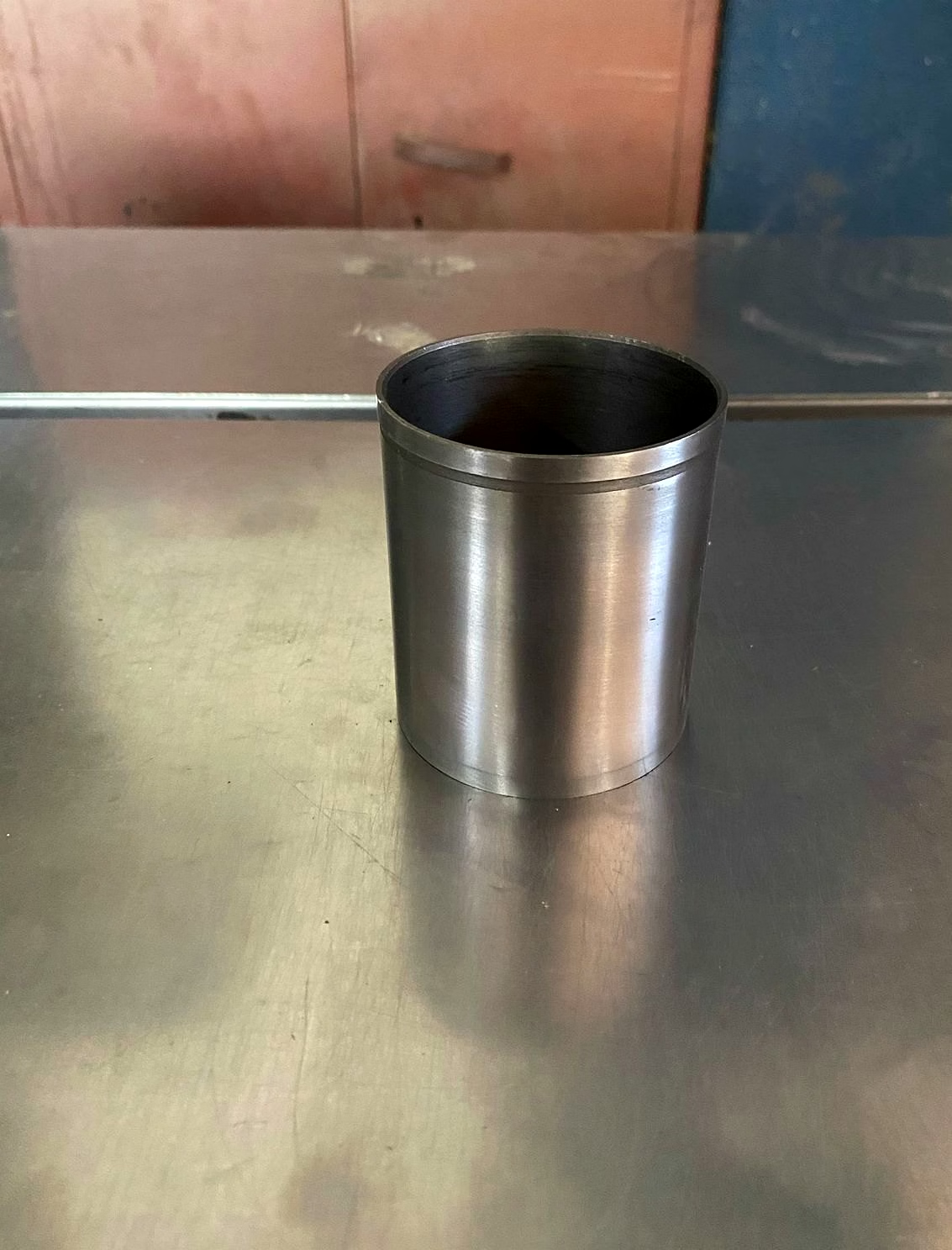
Cylinder Barrel (Tube): This is the main body of the cylinder where the air is housed. It's typically made from durable materials like aluminum or steel.
Piston: Inside the barrel, the piston is driven by the air pressure and moves back and forth. It divides the barrel into two chambers—one for the supply air and the other for the exhaust air.
Piston Rod: Attached to the piston, the piston rod extends outside the cylinder and is used to connect to whatever is being moved (a mechanical system, load, etc.).
End Caps: These are located at both ends of the cylinder and house seals and the rod guiding mechanism.
Seals: These are used to prevent air from leaking out and to ensure smooth movement of the piston.
Ports: These are openings through which air is supplied and exhausted into the cylinder. There may be multiple ports depending on the cylinder's
Types of Pneumatic Cylinders:
Single-Acting Cylinders: These only use air pressure to extend the piston in one direction. A spring is often used to return the piston back to its original position when the air supply is cut off.
Double-Acting Cylinders: These use air pressure to extend and retract the piston, meaning both directions of motion are powered by compressed air.
Rodless Cylinders: These cylinders have no piston rod. Instead, the piston moves within the cylinder, and a mechanical drive system (like a magnet or mechanical chain) is used to move the load.
Compact Cylinders: These are designed to be smaller and more space-efficient while still providing the same level of force and motion.
Applications:
Automation Systems: Pneumatic cylinders are widely used in factories and assembly lines for tasks like pushing, lifting, or moving components.
Material Handling: They’re used in robotic arms, conveyors, and lifts.
Packaging and Processing: In automated packaging machines or processing lines, pneumatic cylinders can assist in handling items.
Clamping and Pressing: Pneumatic cylinders can exert significant force to clamp, press, or hold items in place during various operations.
Advantages:
Fast Movement: Pneumatic cylinders can move quickly due to the high-speed movement of air.
Clean Operation: Compressed air doesn’t leave residue, which makes it a cleaner alternative to hydraulic systems.
Cost-Effective: Pneumatic systems tend to be cheaper and easier to maintain than hydraulic or electric alternatives.