


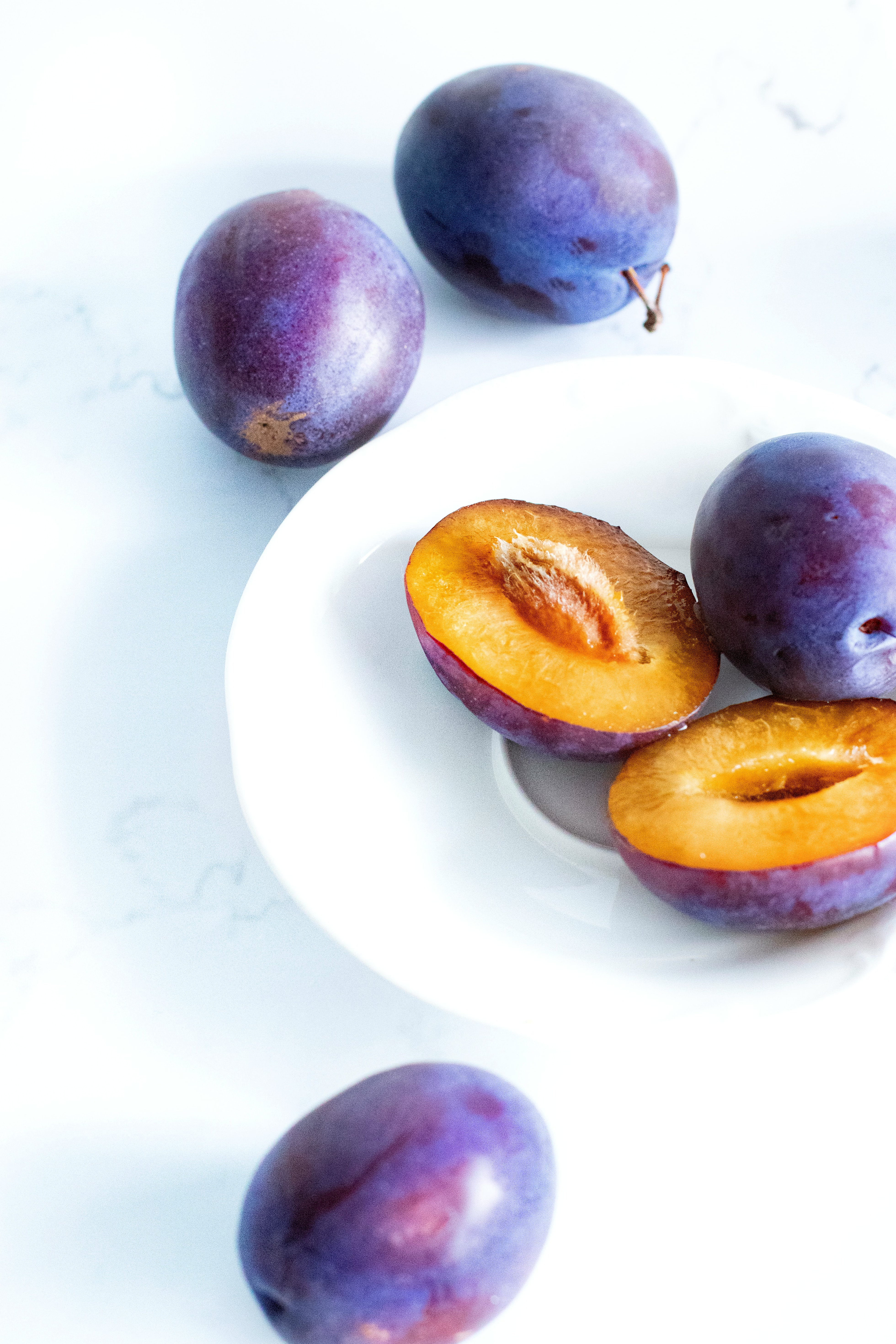
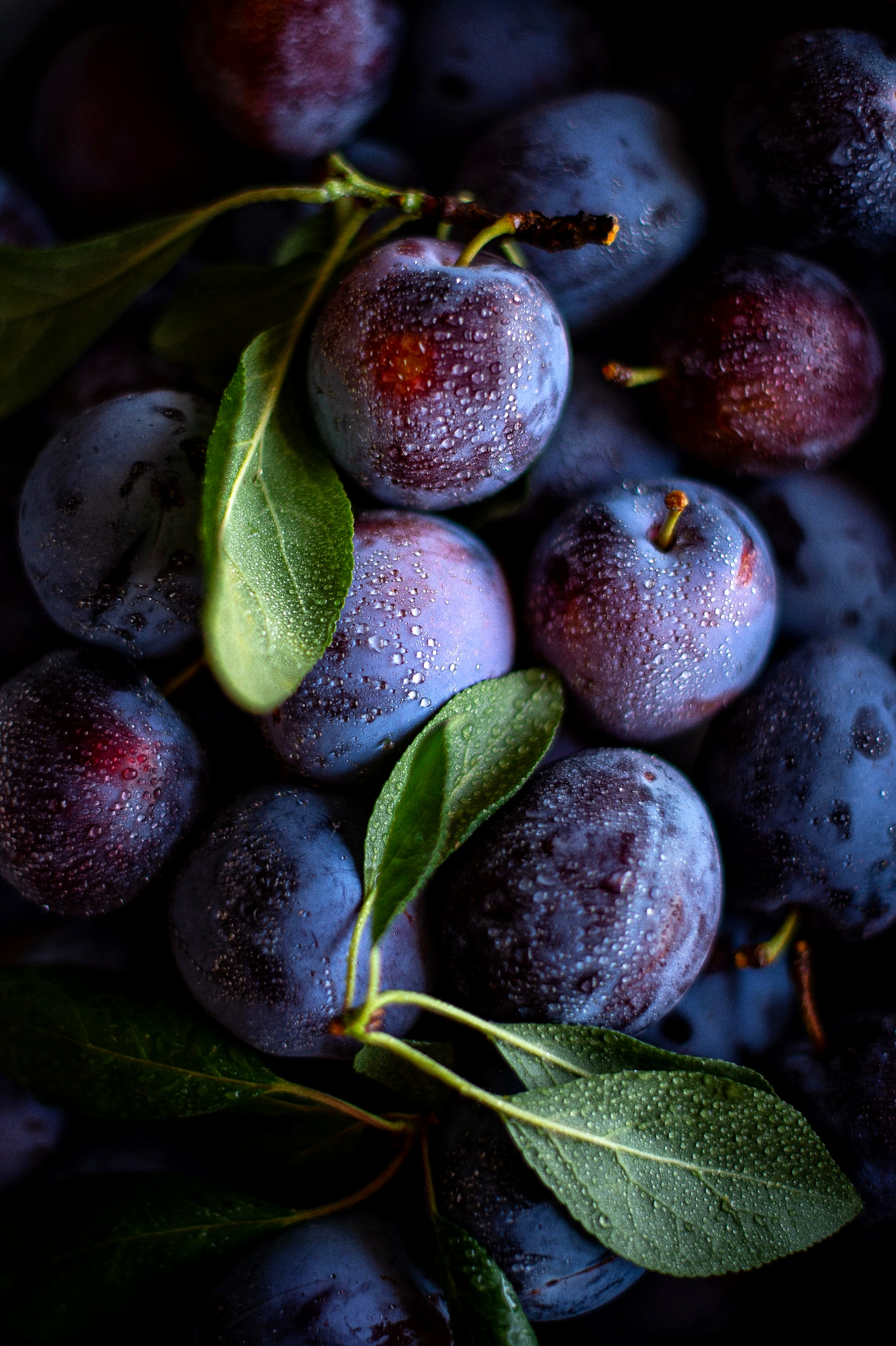
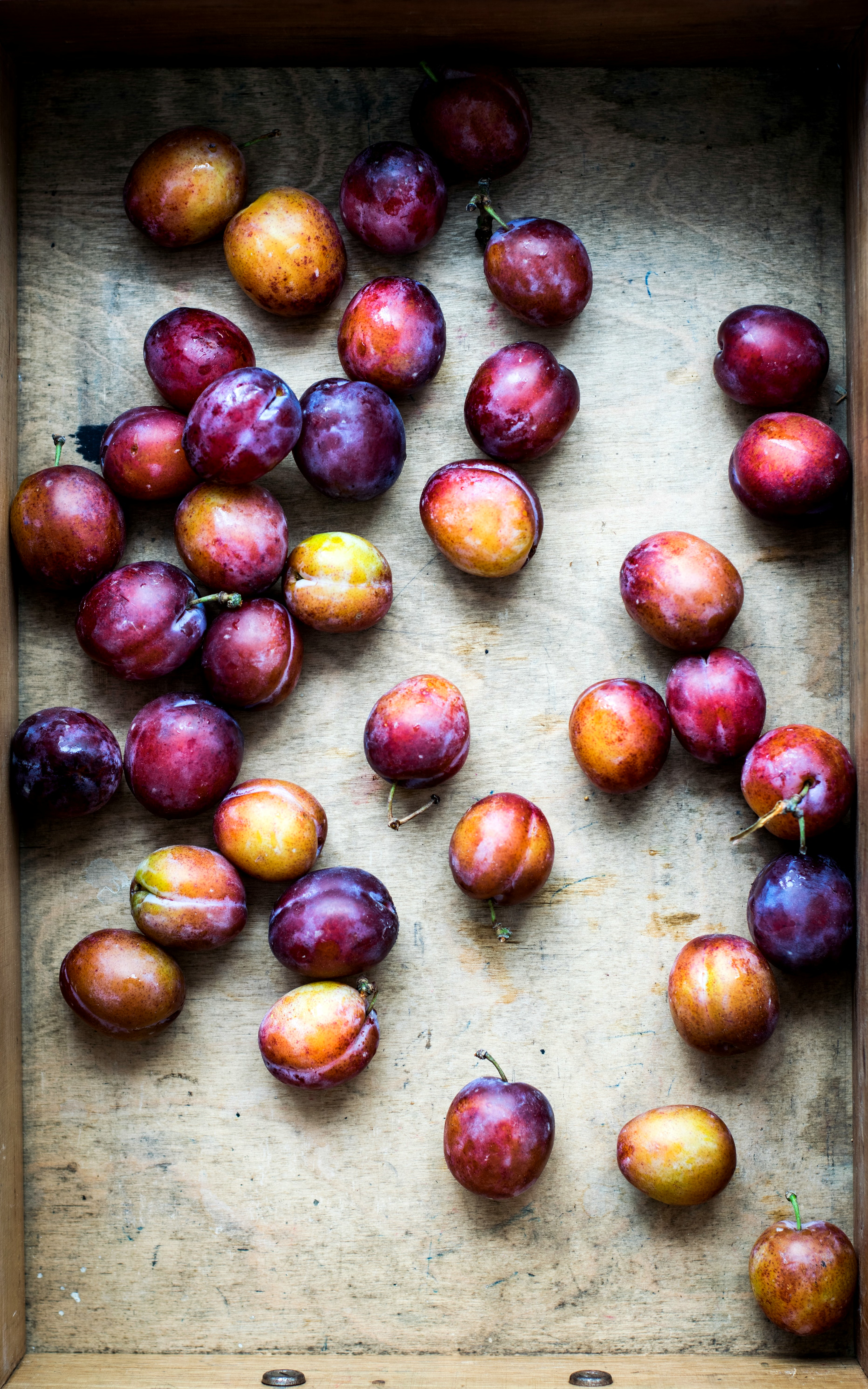
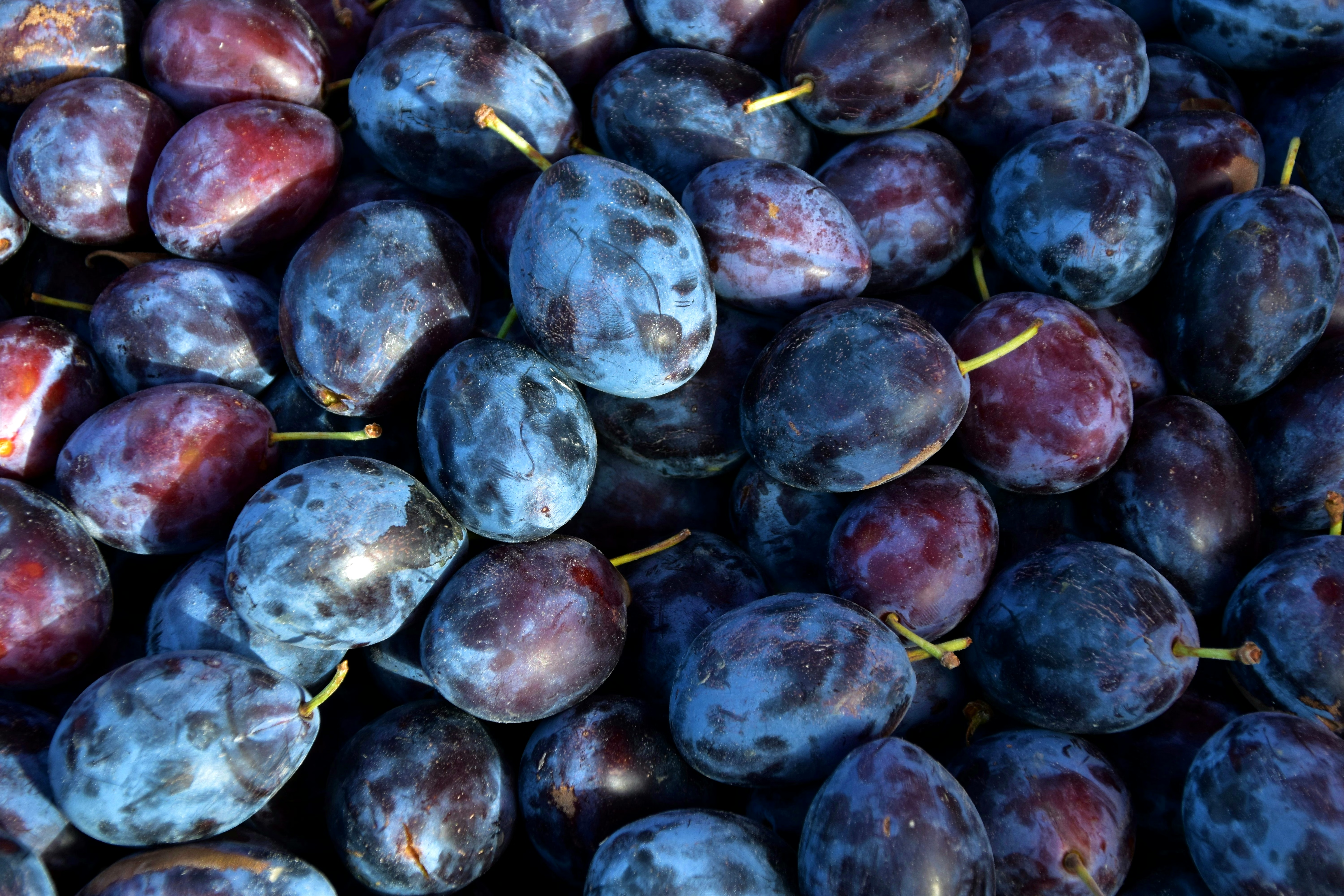
Plums are a versatile stone fruit belonging to the Prunus genus and Rosaceae family, widely appreciated in global markets for their unique flavor profiles and nutritional benefits. The two main types of plums available for commercial trade include the European plum (Prunus domestica) and the Japanese plum (Prunus salicina). Each type offers distinct characteristics in terms of size, skin color, taste, and usage. Commonly traded varieties such as Santa Rosa, Damson, and Greengage showcase diverse colors ranging from deep reds and purples to yellows and greens, making them adaptable for fresh consumption, processing into jams, juices, or dried prunes. Plums are prized in the B2B marketplace for their firm texture, natural sweetness balanced with tartness, and rich antioxidant content, catering to food manufacturers, supermarkets, wholesalers, and agricultural suppliers. Their seasonal availability and high demand in flower-to-fruit commercial planting further increase their value in the fruit trade sector.
Key Features
| Features | Description |
|---|---|
| Botanical Family | Rosaceae |
| Genus | Prunus |
| Scientific Names | Prunus domestica (European), Prunus salicina (Japanese) |
| Varieties | Santa Rosa, Damson, Greengage, among others |
| Skin Colors | Red, Purple, Yellow, Green |
| Fruit Shape | Round to Oval |
| Usage | Fresh consumption, processing (jams, juices, dried products) |
| Nutritional Value | Rich in antioxidants, vitamins, and dietary fiber |
| Market Applications | Food manufacturers, wholesalers, supermarkets |
| Seasonality | Summer to early autumn depending on variety and region |
| Attributes | Description |
|---|---|
| Fruit Weight | Approximately 30-70 grams per plum depending on variety |
| Shelf Life | Typically 2-4 weeks under refrigerated conditions |
| Harvest Period | Varies by variety; generally mid-summer to early autumn |
| Storage Conditions | Keep refrigerated at 0-4°C with high humidity |
| Moisture Content | Approximately 85-88% |
| Sugar Content | Varies from 9-16%, influencing sweetness |
| Export Packaging | Cartons or crates with ventilation, sized per trade agreement |
| Origin | Multiple zones globally, including Europe, Japan, and the USA |
| Pest Management | Follows integrated pest management protocols to ensure quality |
| Certification | Often available with GlobalGAP or organic certifications upon request |
*Disclaimer: The above description has been AI-generated and has not been audited or verified for accuracy. It is recommended to verify product details independently before making any purchasing decisions.
European varieties like Greengage are often favored for fresh consumption due to their sweeter, delicate flavor, while stronger flavored varieties such as Damson are more commonly used for processing into jams and preserves.
Maintaining a refrigerated environment at 0-4°C with high humidity significantly extends the shelf life to around 2-4 weeks, whereas ambient storage drastically reduces freshness and quality.
Yes, many suppliers provide plums with GlobalGAP or organic certifications, assuring adherence to safety, quality, and sustainability standards preferred by B2B buyers.
The primary markets include food processing companies, supermarkets, wholesalers, and exporters requiring high-quality fresh stone fruits for both domestic and international demand.
Plums are generally exported in ventilated cartons or crates sized to preserve product integrity during transport, with packaging customized based on order volume and destination logistics.
Country Of Origin: India
Plums are stone fruits that belong to the Prunus genus, which also includes cherries, apricots, and almonds. Here are some key aspects of plums:
Botanical Information:
Plums belong to the Rosaceae family and the Prunus genus. The scientific name for the common European plum is Prunus domestica, while the Japanese plum is Prunus salicina.
Varieties:
There are various varieties of plums, including European plums, Japanese plums, and American plums, each with its own flavor, color, and size. Common varieties include Santa Rosa, Damson, and Greengage.
Appearance:
Plums are typically round or oval-shaped fruits with smooth skin.
The skin can range in color from red, purple, yellow, to green, depending on the variety.
Plums are stone fruits that belong to the Prunus genus, which also includes cherries, apricots, and almonds. Here are some key aspects of plums:
Botanical Information:
Plums belong to the Rosaceae family and the Prunus genus. The scientific name for the common European plum is Prunus domestica, while the Japanese plum is Prunus salicina.
Varieties:
There are various varieties of plums, including European plums, Japanese plums, and American plums, each with its own flavor, color, and size. Common varieties include Santa Rosa, Damson, and Greengage.
Appearance:
Plums are typically round or oval-shaped fruits with smooth skin.
The skin can range in color from red, purple, yellow, to green, depending on the variety.
Inclusive of all taxes
You Save: 0

Mumbai , India
Service Provider , Brand Owner, Distributor, Exporter, Importer, Wholesaler, Startup
