Inclusive of all taxes
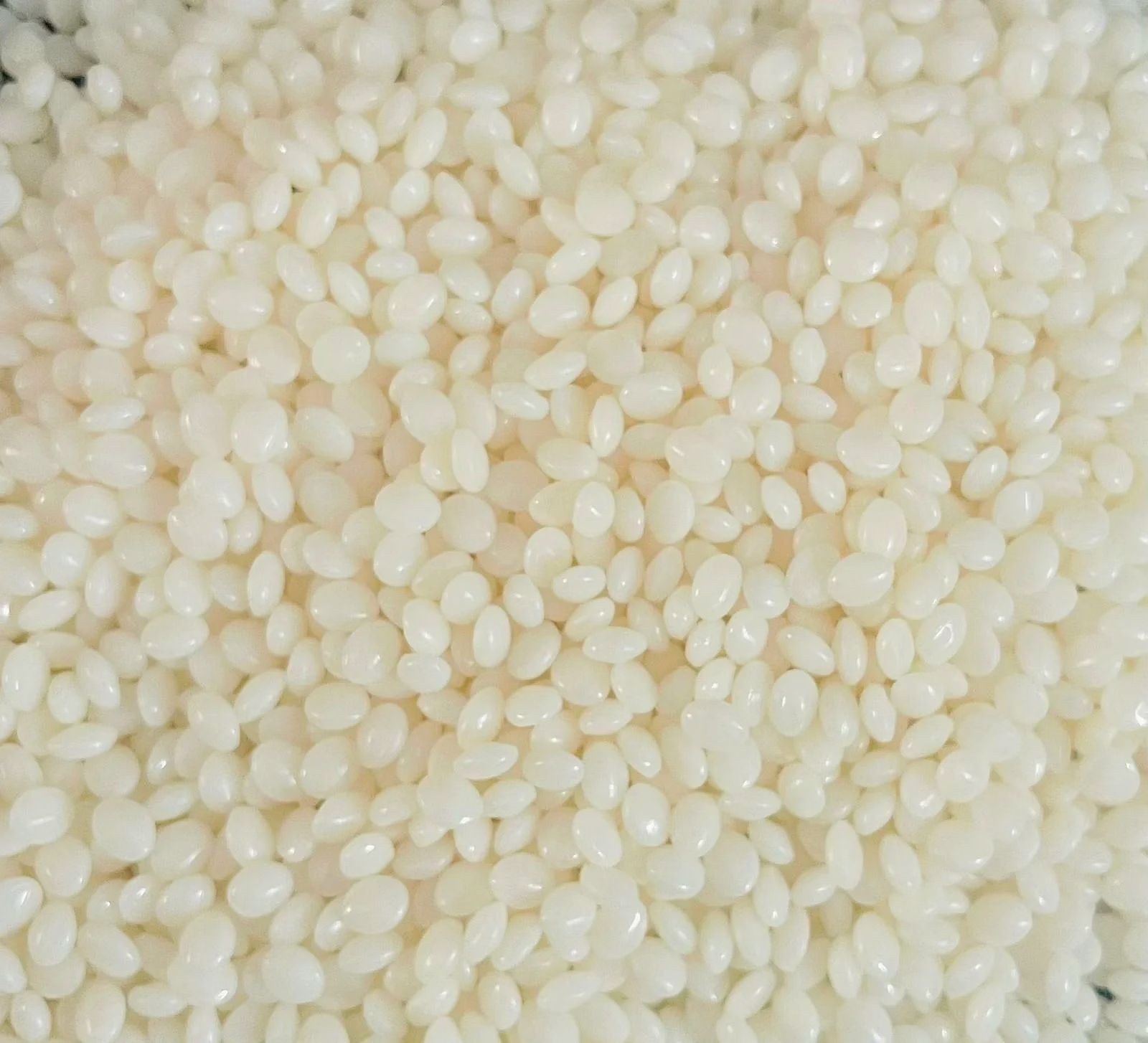
PBAT (Polybutylene Adipate Terephthalate) is an eco-friendly biodegradable polymer specifically engineered for sustainable packaging and disposable items. It offers superior flexibility, strength, and compostability, making it an ideal material for manufacturing biodegradable polybags, flexible packaging films, and single-use utensils such as straws, spoons, and forks. PBAT naturally breaks down under industrial composting conditions, leaving no toxic residues, thus supporting environmental safety and reducing plastic pollution. Its versatile nature finds extensive use in food packaging including films, trays, and containers that require both durability and biodegradability. Additionally, PBAT is used in agricultural films such as mulch films where degradation is essential post-harvest to avoid manual removal and environmental damage. This biodegradable polymer is a sustainable alternative for businesses looking to transition towards green packaging solutions without compromising on product performance or food safety standards.
Key Features
| Features | Description |
|---|---|
| Biodegradability | Designed to decompose under specific composting conditions leaving no harmful residues |
| Material Composition | Copolymer of adipic acid, 1,4-butanediol, and terephthalic acid |
| Flexibility | High flexibility suitable for flexible packaging and disposable cutlery |
| Applications | Ideal for bio polybags, food packaging films, shopping bags, agricultural mulch films, straws, spoons, and forks |
| Food Contact Safety | Safe for direct contact with food items |
| Environmental Impact | Reduces plastic pollution with compostable properties |
| Durability | Strong yet biodegradable material for packaging and agricultural use |
| Attributes | Description |
|---|---|
| Chemical Name | Polybutylene Adipate Terephthalate (PBAT) |
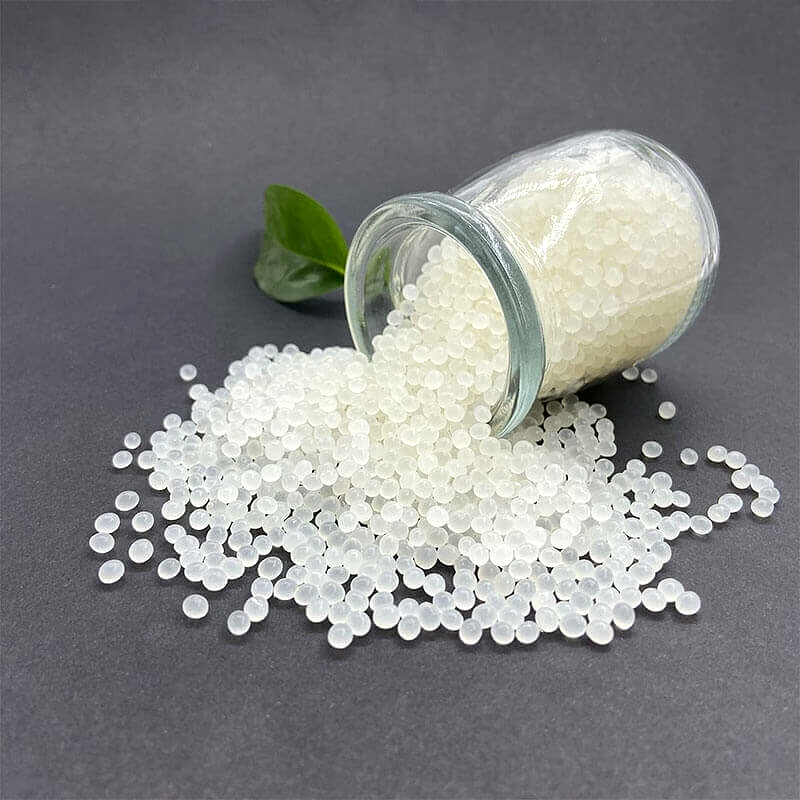
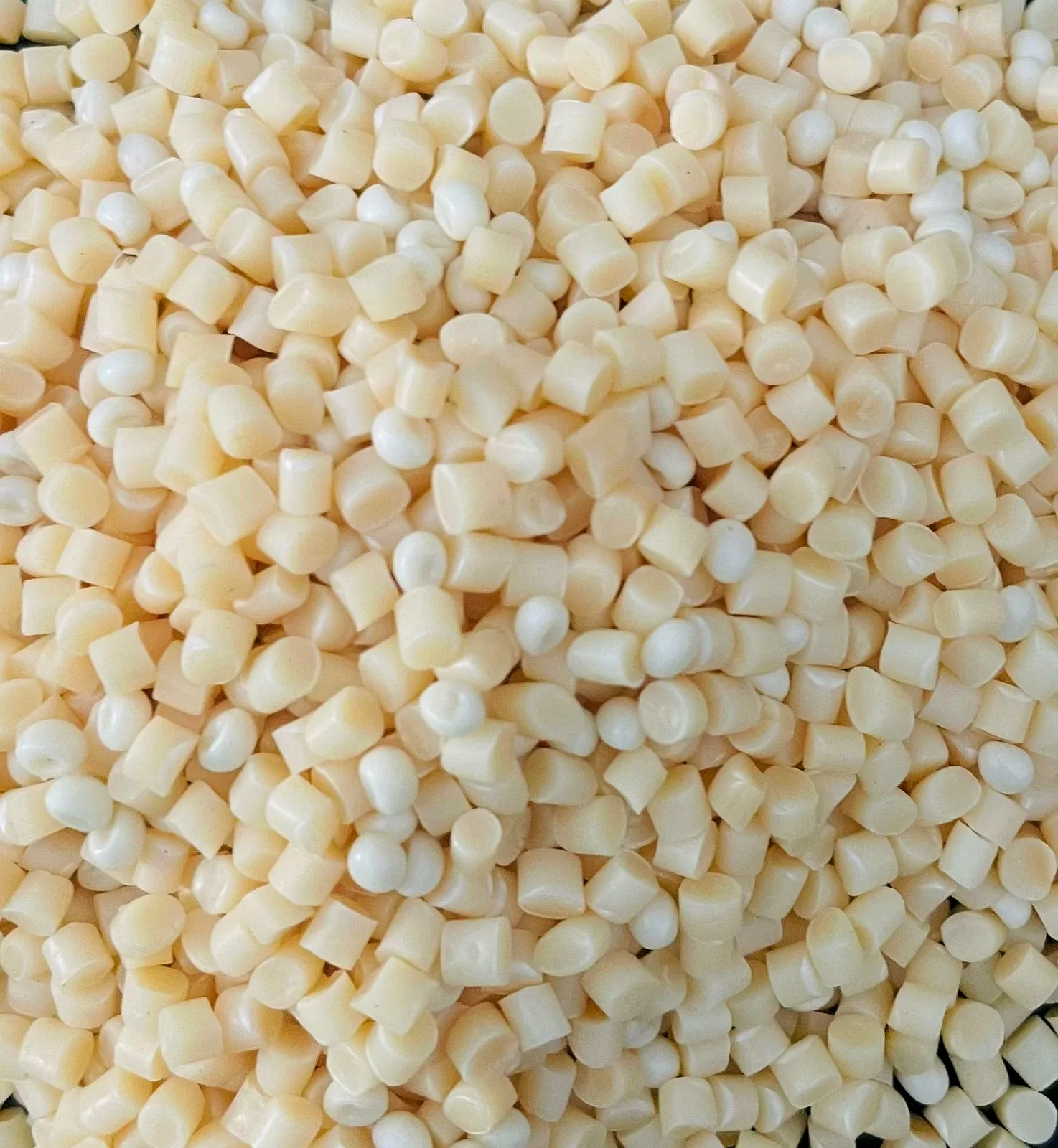
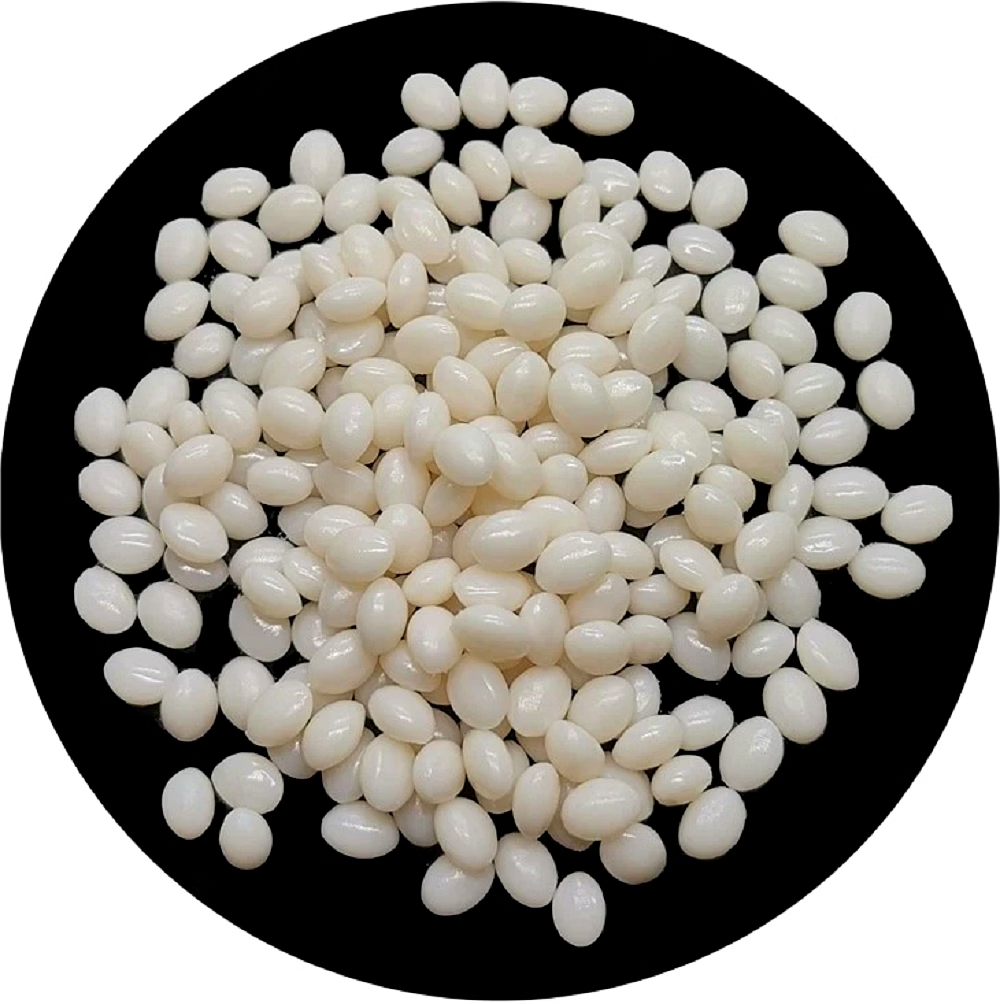
| Physical Form | Pellets/Granules for processing |
| Decomposition Time | Typically degrades within 3-6 months under industrial composting |
| Color | Off-white translucent pellets |
| Melting Point | Approximately 110-120°C |
| Density | Approximately 1.25 g/cm³ |
| Processing Methods | Extrusion, blown film, injection molding |
| Shelf Life | 12 months when stored in a cool, dry place |
| Compliance | Compliant with food safety regulations for indirect and direct food packaging |
*Disclaimer: The above description has been AI-generated and has not been audited or verified for accuracy. It is recommended to verify product details independently before making any purchasing decisions.
PBAT is flexible, durable, and complies with food safety regulations, making it safe for direct contact with food while being fully biodegradable under composting conditions.
Yes, PBAT can be processed through conventional methods such as extrusion, blown film, and injection molding, enabling easy integration into existing manufacturing lines.
Under industrial composting conditions, PBAT typically decomposes completely within 3 to 6 months, breaking down into non-toxic byproducts.
Yes, PBAT is widely used in mulch films due to its biodegradability, eliminating the need for film removal after crop harvest and reducing environmental impact.
No, PBAT degrades fully into natural substances without leaving any toxic residues or microplastics, ensuring environmental safety.
PBAT, or Polybutylene Adipate Terephthalate, is a biodegradable plastic, often used as a substitute for conventional plastics, particularly in films. It's a copolymer composed of adipic acid, 1,4-butanediol, and terephthalic acid. PBAT is known for its flexibility and is commonly used in applications like food packaging, shopping bags, and agricultural films.
Inclusive of all taxes
You Save: 0