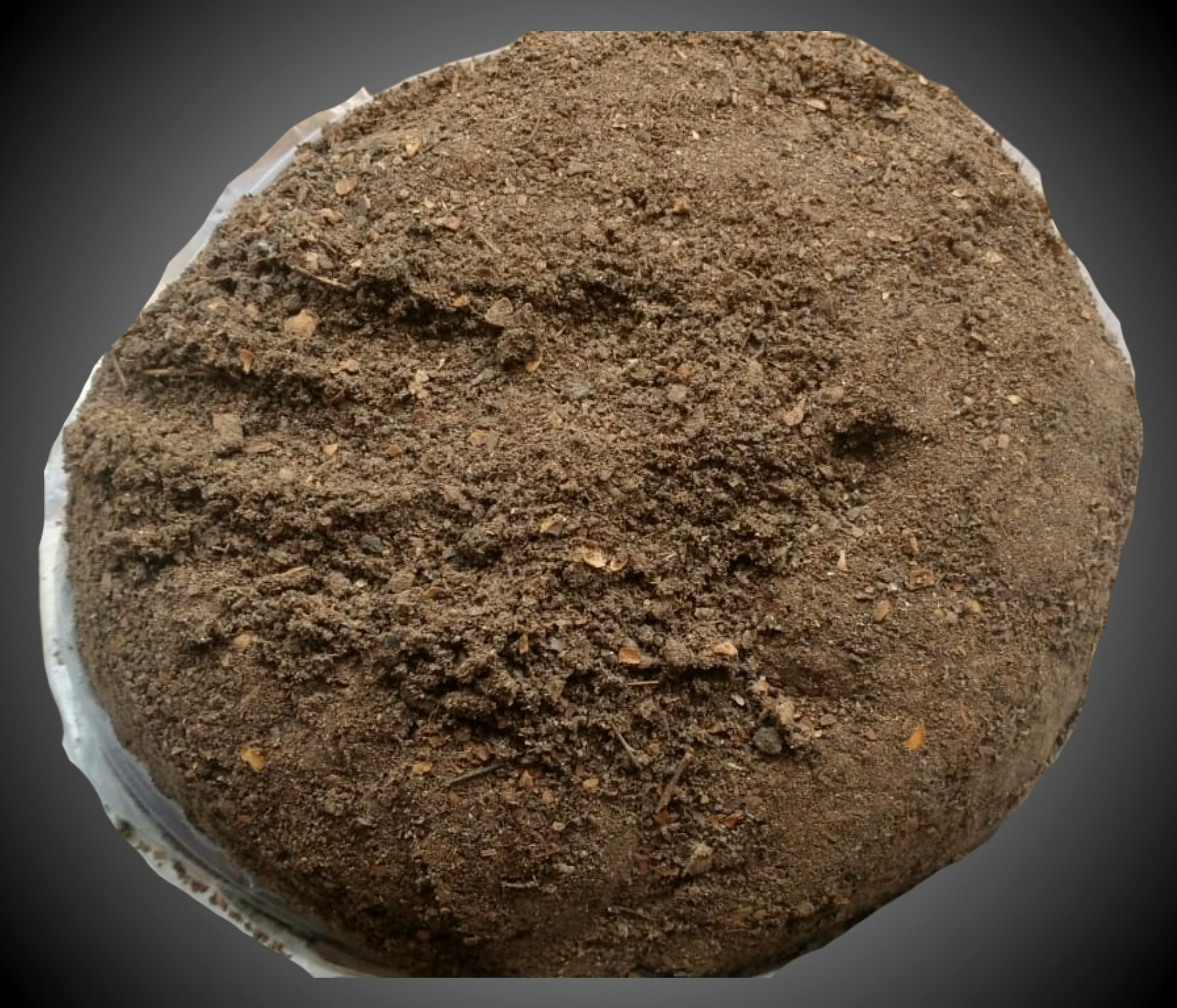
Organic Cow Dung Cake, traditionally known as 'uplas', 'goitha', or 'kande' in various South Asian regions, is a natural biofuel made by sun-drying fresh cow dung mixed with straw or hay. This eco-friendly product serves multiple purposes including use as a renewable fuel source for cooking and heating, organic fertilizer enriching soil fertility, and as a sacred material in Hindu religious ceremonies. The cow dung cakes are formed into flat, round shapes and dried under sunlight until hardened. Widely used in rural areas, these cakes help reduce reliance on chemical fuels and fertilizers, promoting sustainable agricultural and household practices. Their application extends to construction uses where mixed with mud for insulating and plastering homes. Although they produce smoke when burned, proper ventilation reduces health risks, making these organic cow dung cakes an environmentally beneficial and cost-effective option for businesses in agribusiness, renewable energy, and rural development sectors.
Key Features
| Features | Description |
|---|---|
| Product Type | Organic Cow Dung Cake (biofuel and organic fertilizer) |
| Material Composition | Fresh cow dung mixed with straw or hay |
| Shape and Size | Flat, round cakes typically sun-dried |
| Primary Uses | Cooking fuel, heating fuel, organic fertilizer, religious rituals, construction insulation |
| Environmental Benefits | Renewable, biodegradable, reduces chemical fertilizer usage |
| Storage | Stored in stacks or walls until use |
| Combustion Properties | Improved burning quality due to straw/hay content |
| Health Consideration | Requires proper ventilation to minimize smoke inhalation |
| Cultural Significance | Used in Hindu religious ceremonies as a purifying agent |
| Attributes | Description |
|---|---|
| Origin | Cow dung sourced from organic cattle |
| Drying Process | Sun-dried until hardened |
| Weight per Cake | Approximately 500 grams to 1 kilogram (varies) |
| Combustion Duration | Long burning time compared to loose dung |
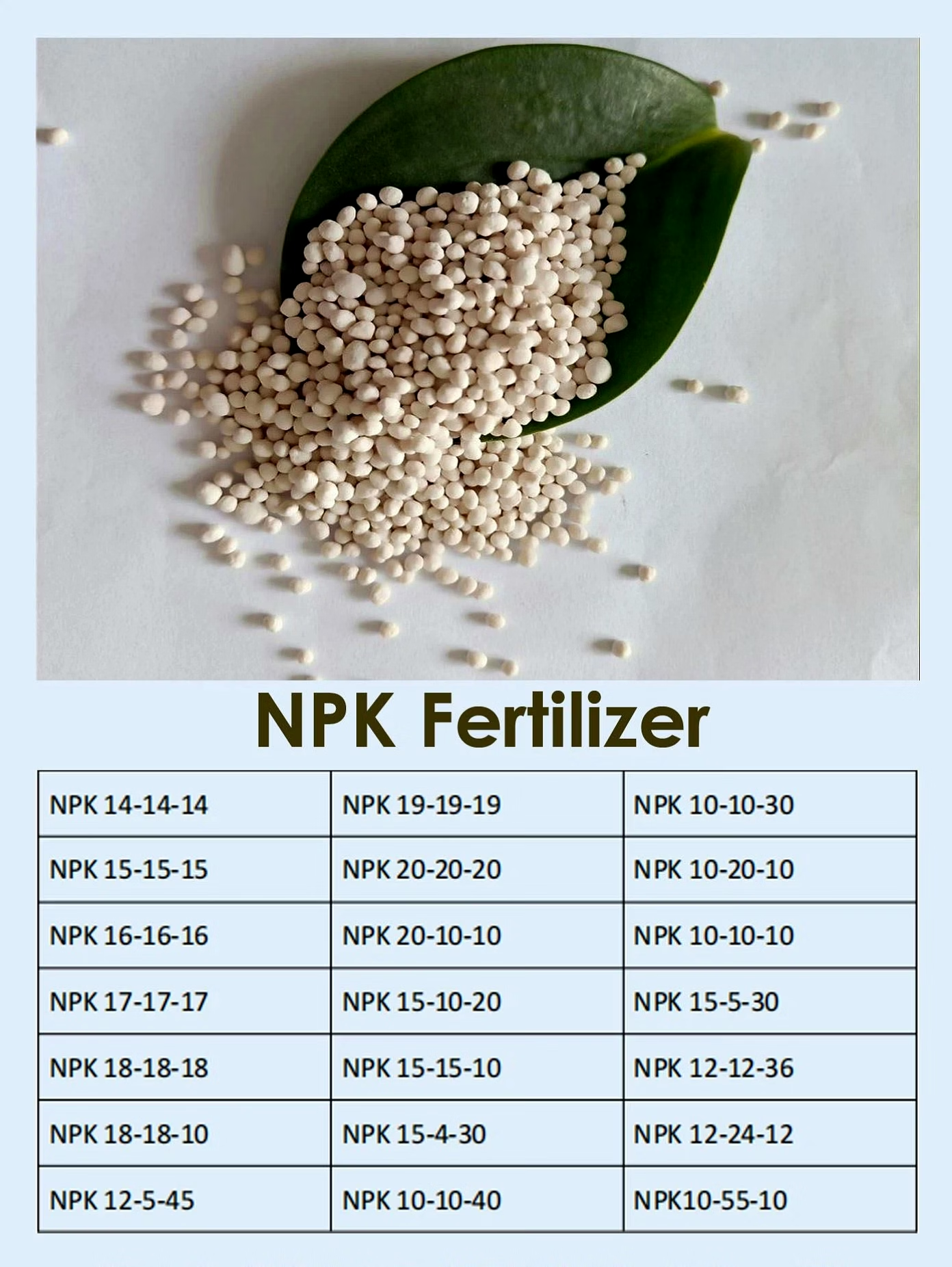
| Nutrient Content | Rich in nitrogen, phosphorus, potassium (NPK) |
| Packaging | Bundled in stacks or wrapped bundles for transport |
| Shelf Life | Indefinite if kept dry and protected from moisture |
| Usage Area | Rural and semi-urban households, agricultural farms, temples |
| Environmental Impact | Emission of smoke particulate, but low carbon footprint overall |
*Disclaimer: The above description has been AI-generated and has not been audited or verified for accuracy. It is recommended to verify product details independently before making any purchasing decisions.
These cow dung cakes are prepared from pure organic cow dung without chemical additives, dried naturally in sunlight, and traditionally used in Hindu rituals for their purifying and sacred properties.
Yes, these dried cow dung cakes can be crushed and mixed into soil as a rich source of nitrogen, phosphorus, and potassium, enhancing soil fertility and organic matter content.
The straw or hay mixed with fresh cow dung improves aeration and drying efficiency of the cakes, resulting in better combustion quality, longer burning time, and reduced smoke emission.
Store the dried cow dung cakes in a cool, dry place away from moisture to prevent mold growth and degradation. Bundling or stacking in ventilated areas is recommended to maintain their integrity.
They provide a renewable and biodegradable alternative to fossil fuels and chemical fertilizers, reducing carbon footprint and promoting organic farming practices while minimizing soil and air pollution.
Brand: dalai impex
Country Of Origin: India
Cow Dung Cake (also known as "uplas," "goitha," or "kande" in various parts of South Asia) is a traditional biofuel and organic material made by drying the dung of cows. It has been used for centuries in rural communities for cooking, heating, and even as a component in religious rituals.
What Is It?
Made by shaping fresh cow dung into flat, round cakes.
Often mixed with straw or hay to improve combustion.
Dried in the sun to harden.
Typically stored in stacks or walls until use.
Cow Dung Cake (also known as "uplas," "goitha," or "kande" in various parts of South Asia) is a traditional biofuel and organic material made by drying the dung of cows. It has been used for centuries in rural communities for cooking, heating, and even as a component in religious rituals.
What Is It?
Made by shaping fresh cow dung into flat, round cakes.
Often mixed with straw or hay to improve combustion.
Dried in the sun to harden.
Typically stored in stacks or walls until use.
Common Uses
Fuel for Cooking/Heating:
Especially in areas lacking access to modern fuels like gas or electricity.
Fertilizer:
Rich in organic matter and nutrients that improve soil health.
Religious Use:
In Hindu rituals, cow dung is considered purifying and is used in havans (fire rituals), on sacred altars, or even as a cleaning agent.
Construction/Insulation:
Sometimes used in rural housing�mixed with mud for flooring or wall plaster.
Environmental Impact
Pros:
Renewable and biodegradable.
Low-cost fuel alternative.
Can help reduce chemical fertilizer usage.
Cons:
Burning releases smoke and particulate matter.
Health issues if used indoors without proper ventilation.
Inclusive of all taxes
You Save: 0
Cuttack , India
Retailer, Distributor, Exporter, Importer, Wholesaler
GST- 21afcpd0765q3zh