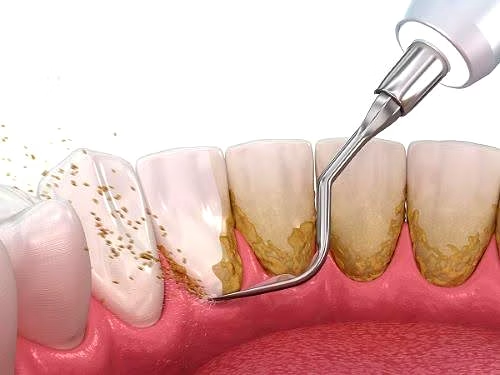
Oral Prophylaxis is a professional dental cleaning procedure aimed at preventing dental diseases such as cavities, gingivitis, and periodontitis by removing plaque, tartar, and stains from the teeth. This treatment is essential for maintaining optimal oral hygiene and is typically performed by dental professionals using specialized instruments to clean above and below the gumline. Regular oral prophylaxis helps in early detection of potential dental issues and promotes overall oral health, making it an indispensable service in dental care clinics and hospitals.
Key Features
| Features | Description |
|---|---|
| Purpose | Prevention of dental diseases by removing plaque and tartar |
| Procedure Type | Professional dental cleaning |
| Performed By | Qualified dental hygienist or dentist |
| Areas Treated | Teeth surfaces, gumline, and interdental spaces |
| Benefits | Prevents cavities, gingivitis, and periodontitis; removes stains; promotes oral hygiene |
| Frequency Recommended | Typically every 6 months or as advised by dental professional |
| Instruments Used | Scaler, ultrasonic device, polishing tools |
| Duration | 30 minutes to 1 hour depending on patient condition |
| Attributes | Description |
|---|---|
| Type of Service | Dental Cleaning and Maintenance |
| Target Audience | Patients requiring preventive dental care |
| Treatment Areas | Coronal surfaces, gum margins, and interdental spaces |
| Materials Used | Dental scalers, ultrasonic cleaners, polishing paste |
| Setting | Dental clinics, hospitals, and specialized oral care centers |
| Duration | 30 to 60 minutes |
| Frequency | Recommended biannually or as per dentist advice |
| Pre-procedure Requirements | No specific fasting or preparation required |
| Post-procedure Care | Maintain oral hygiene, avoid staining foods temporarily |
*Disclaimer: The above description has been AI-generated and has not been audited or verified for accuracy. It is recommended to verify product details independently before making any purchasing decisions.
Yes, oral prophylaxis can be customized for patients with sensitive gums by using gentle instruments and techniques to minimize discomfort.
Yes, by removing plaque, tartar, and bacteria buildup, oral prophylaxis helps reduce the causes of bad breath.
Patients can generally resume normal eating and drinking immediately after the procedure, but it is advisable to avoid staining foods and beverages for a few hours.
Oral prophylaxis helps prevent tooth decay by removing plaque and tartar, which are primary contributors to cavities.
Dental scalers, ultrasonic cleaners, and polishing tools are commonly used to thoroughly clean and polish teeth during oral prophylaxis.