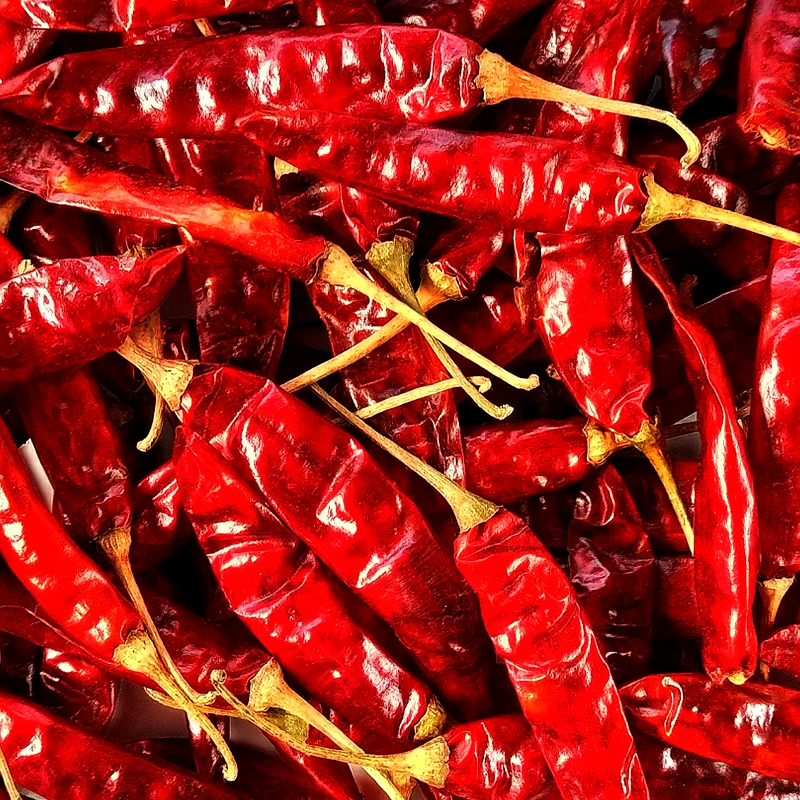
Okra, also known by its regional name bhindi or lady's fingers, is a nutrient-rich flowering plant widely appreciated for its slender, green edible pods. These pods measure between 5 to 15 centimeters and contain small edible seeds. Known for its distinctive mucilaginous texture when cooked, okra is a staple vegetable in diverse global cuisines, contributing both texture and nutritional benefits to meals. Its rich profile includes high levels of vitamin C, vitamin K, folate, important minerals such as potassium, magnesium, and calcium, along with dietary fiber and antioxidants. Used extensively in soups, stews, stir-fries, pickling, and frying, okra also supports digestive health and helps in regulating blood sugar due to its fiber content. Its culinary versatility is further enhanced by pairing well with spices such as cumin, turmeric, coriander, and ingredients like tomatoes and onions. Best stored in cool, dry conditions or refrigerated in perforated bags, okra is a culturally significant vegetable embraced across Indian, Middle Eastern, Caribbean, and Southern American cuisines.
Key Features
| Features | Description |
|---|---|
| Scientific Name | Abelmoschus esculentus |
| Pod Length | 5-15 centimeters |
| Texture | Mucilaginous (slimy) when cooked |
| Nutritional Highlights | Rich in Vitamin C, Vitamin K, Folate, dietary fiber, and antioxidants |
| Culinary Uses | Soups, stews, stir-fries, pickling, frying |
| Storage | Keep in cool, dry place or refrigerated in perforated bag |
| Health Benefits | Supports digestion, regulates blood sugar, anti-inflammatory properties |
| Geographical Popularity | India, Middle East, Caribbean, Southern USA |
| Common Cooking Tips | Cook quickly over high heat to reduce sliminess |
| Attributes | Description |
|---|---|
| Color | Green |
| Edible Part | Pods |
| Shape | Elongated, slender |
| Harvest Time | When pods are young and tender |
| Dietary Fiber Content | High |
| Key Vitamins | Vitamin C, Vitamin K, Folate |
| Key Minerals | Magnesium, Potassium, Calcium |
| Usage | Food ingredient in multiple cuisines |
| Preservation Method | Refrigeration in paper or perforated plastic bags |
| Allergen Information | Generally safe, no common allergens associated |
*Disclaimer: The above description has been AI-generated and has not been audited or verified for accuracy. It is recommended to verify product details independently before making any purchasing decisions.
Okra should be stored in a cool, dry place or refrigerated, ideally in paper bags or perforated plastic bags that allow air circulation to maintain freshness and prevent spoilage during transportation.
Yes, okra plants produce pods throughout their growing season, allowing multiple harvests which is ideal for continuous bulk supply in B2B markets.
For reducing sliminess, it is recommended to cook okra quickly at high heat, such as stir-frying or grilling, which is suitable for commercial kitchens aiming for specific texture profiles.
Yes, the okra complies with Indian agricultural and food safety standards, making it suitable for legal wholesale and commercial distribution.
The product description does not specify organic status; confirm with the supplier if organic certification is required for procurement decisions.
Okra, also known as lady's fingers or bhindi in some regions, is a nutritious vegetable known for its distinct slimy texture when cooked. Here's a brief product description for okra:
**Product Name:** Okra (also known as lady's fingers or bhindi)
**Description:**
Okra is a flowering plant that produces elongated green pods, typically harvested when they are young and tender. These pods are slender, usually about 5-15 centimeters long, and are covered with small edible seeds inside. Okra is known for its mucilaginous (slimy) texture when cooked, which some people find appealing due to its unique mouthfeel.
**Nutritional Benefits:**
- **Vitamins:** Rich in vitamin C, vitamin K, and folate.
- **Minerals:** Contains minerals such as magnesium, potassium, and calcium.
- **Fiber:** High in dietary fiber, which supports digestive health.
- **Antioxidants:** Provides antioxidants that help combat free radicals in the body.
**Culinary Uses:**
Okra is a versatile vegetable used in various cuisines around the world, including:
- **Soups and stews:** It is often added to soups and stews to impart a thickening texture.
- **Stir-fries:** Okra can be stir-fried with spices and other vegetables.
- **Pickling:** Some cultures pickle okra pods for preservation and flavor.
- **Frying:** Fried okra is a popular dish in Southern cuisine in the United States.
**Health Benefits:**
- Supports digestive health due to its fiber content.
- Helps regulate blood sugar levels.
- Provides antioxidants that may help reduce inflammation.
**Cultural Significance:**
Okra is a staple in many cuisines, including Indian, Middle Eastern, Caribbean, and Southern American. It has cultural and culinary significance in these regions, often appearing in traditional dishes and recipes passed down through generations.
**Storage:**
Okra should be stored in a cool, dry place or in the refrigerator, ideally in a paper bag or perforated plastic bag to maintain freshness.
**Cooking Tips:**
To reduce its sliminess, okra can be cooked quickly over high heat, such as stir-frying or grilling. It pairs well with tomatoes, onions, garlic, and spices like cumin, turmeric, and coriander.
**Disclaimer:** Always consult your doctor or a nutritionist for specific dietary advice tailored to your needs.
Would you like to know more details about any specific aspect of okra?