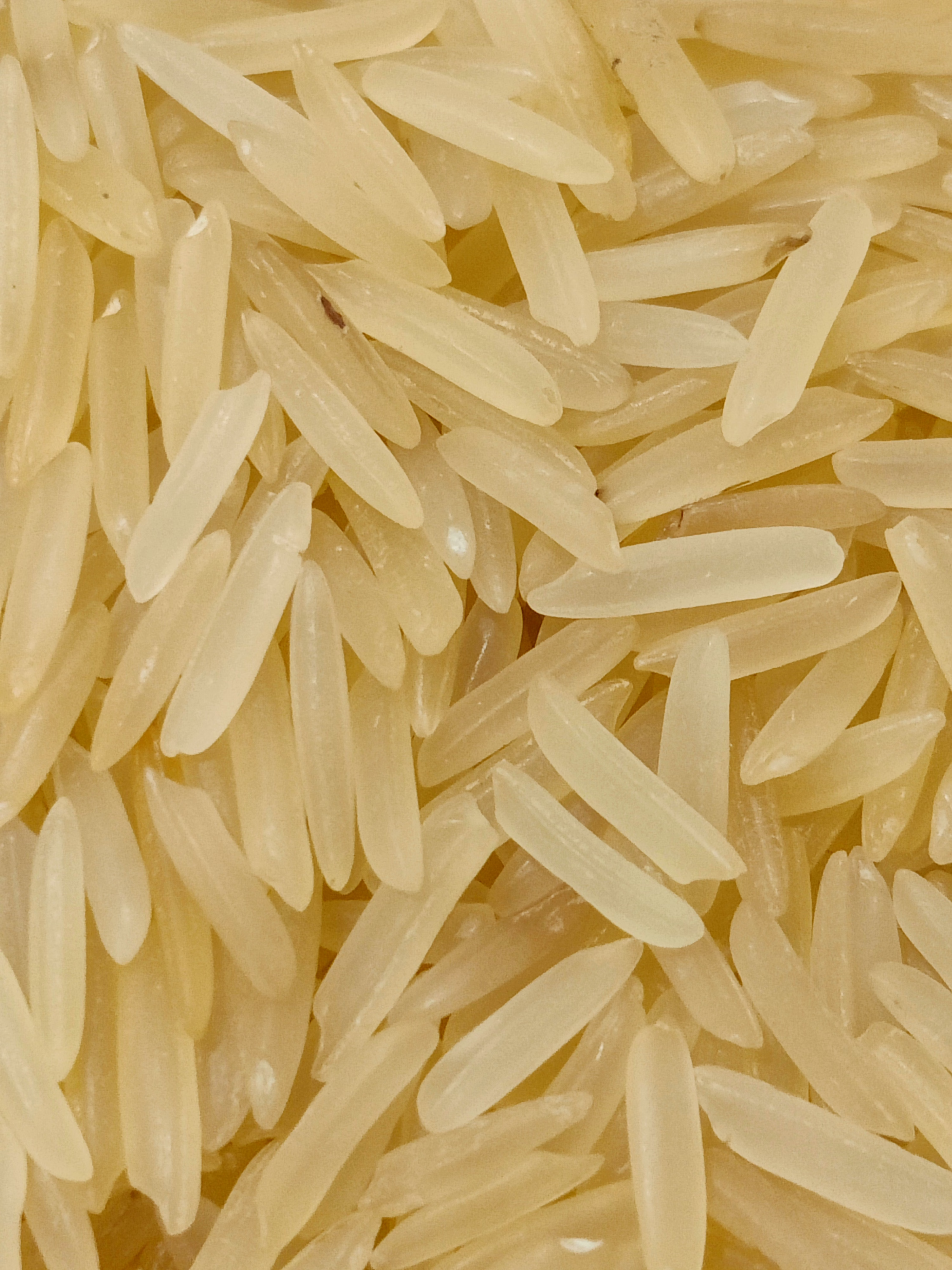
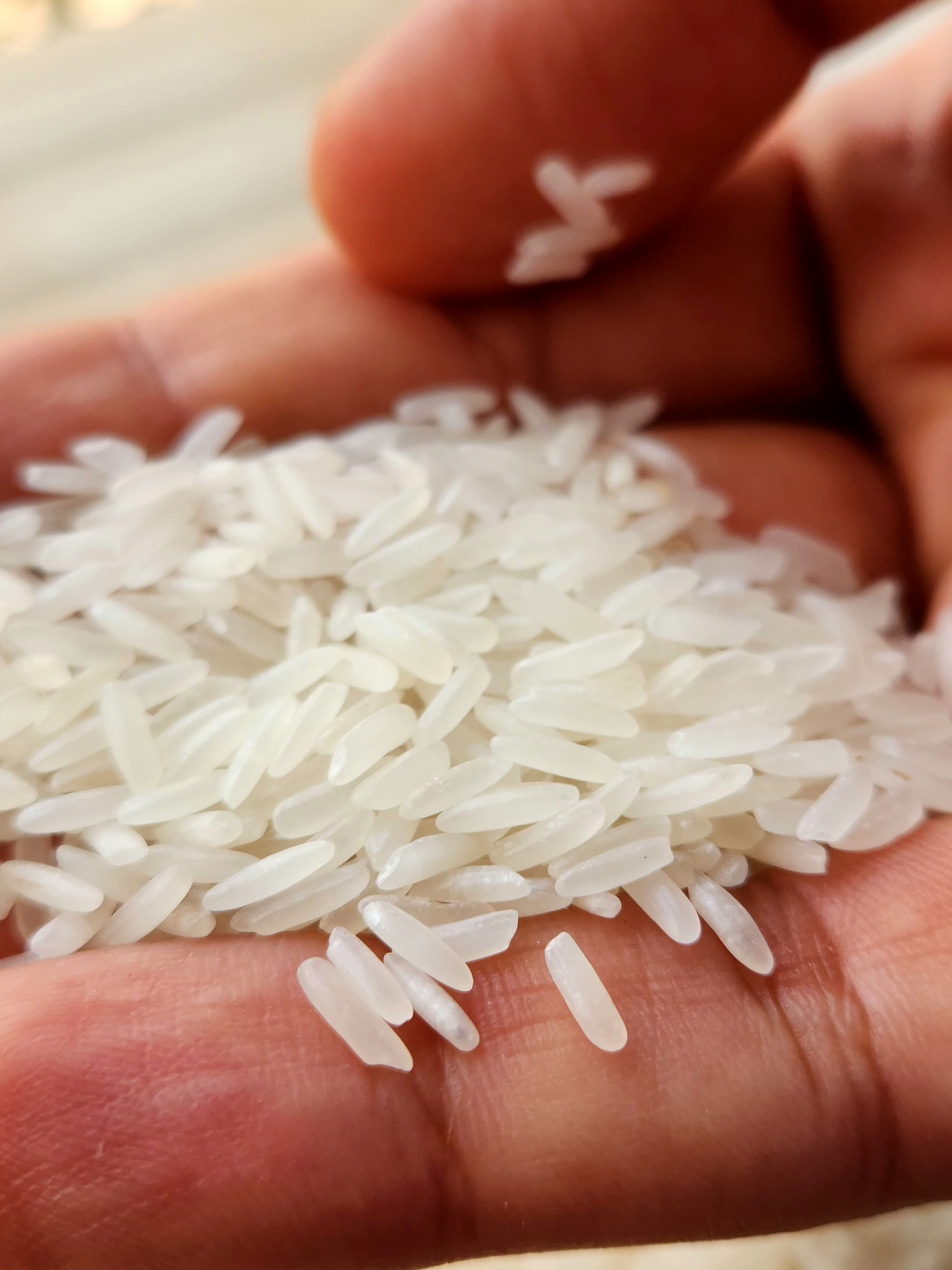
Non-Basmati rice comprises a diverse range of rice grains that are distinguished from the aromatic basmati variety, offering a multitude of culinary possibilities due to their varied grain sizes, textures, and cooking properties. Widely cultivated across India and numerous rice-producing regions globally, this rice category includes medium, short, and broken grain types that accommodate everyday meals and specialized dishes such as idli, dosa, risotto, and a variety of steamed and fried rice recipes. Due to their high carbohydrate content and ease of digestion, non-basmati rice serves as a fundamental ingredient in household and commercial food preparation. Available in raw, parboiled, and broken forms, it balances affordability with nutritional value, making it an indispensable component for food service providers, retailers, and manufacturers seeking adaptable rice options to accommodate diverse dietary requirements and recipes.
Key Features
| Features | Description |
|---|---|
| Variety | Includes medium, short, and broken grain types of rice |
| Forms Available | Raw, parboiled, and broken forms |
| Texture | Varied textures suitable for multiple culinary uses |
| Nutritional Content | Rich source of carbohydrates and easily digestible |
| Use Cases | Ideal for dishes like idli, dosa, risotto, fried rice, and steamed meals |
| Geographical Origin | Grown extensively in India and other rice-producing countries |
| Cost Efficiency | Affordable staple suitable for mass consumption |
| Culinary Versatility | Supports diverse cooking methods and cuisines |
| Attributes | Description |
|---|---|
| Grain Length | Medium to short grain, plus broken variants |
| Cooking Types | Can be steamed, fried, or used in fermented preparations |
| Processing Types | Available as raw, parboiled, and broken rice |
| Color | Typically white or off-white |
| Shelf Life | 12 to 18 months when stored properly in moisture-free conditions |
| Packaging Options | Bulk sacks, retail packaged bags, or customized packing as per buyer needs |
| Carbohydrate Content | Approximately 78-80% depending on type |
| Moisture Content | Typically 12-14% |
| Application | Suitable for domestic consumption, food processing factories, restaurants, and catering services |
*Disclaimer: The above description has been AI-generated and has not been audited or verified for accuracy. It is recommended to verify product details independently before making any purchasing decisions.
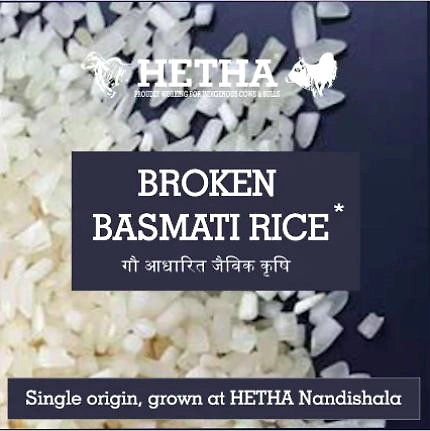
Non-basmati rice is available in raw, parboiled, and broken forms to cater to varied cooking and processing requirements, all suitable for bulk or customized packaging.
Non-basmati rice is highly recommended for traditional dishes such as idli, dosa, and fried rice, as well as for steamed rice and risottos, leveraging its diverse grain types and cooking properties.
Non-basmati rice generally contains about 78-80% carbohydrates, making it a rich energy source ideal for daily consumption and commercial food products.
Buyers can choose from bulk sacks, retail-sized packages, or customized packaging solutions tailored to their distribution or manufacturing needs.
Yes, non-basmati rice is widely used in food processing for producing items like dosa batter, idli mix, and packaged rice meals due to its favorable texture and cooking characteristics.
Country Of Origin: India
Non-Basmati rice refers to a variety of rice grains that do not fall under the basmati category but are widely consumed across the world. These grains come in different shapes and sizes—some are short, some long, and others round. Known for their versatility, non-basmati rice is commonly used in daily meals, including steamed rice, risottos, fried rice, and traditional dishes. It is rich in carbohydrates, easy to cook, and affordable, making it a staple food in many households. Non-basmati rice is available in raw, parboiled, and broken forms.
Non-Basmati rice refers to a wide variety of rice grains that do not fall under the basmati category but are essential to global diets. These include medium to short-grain types with diverse textures and flavors, ideal for daily consumption and various cuisines. Grown across India and other rice-producing countries, non-basmati rice is widely used for dishes like idli, dosa, fried rice, and steamed meals. It is rich in carbohydrates, easy to digest, and available in raw, parboiled, and broken forms, making it a versatile and economical food staple worldwide.