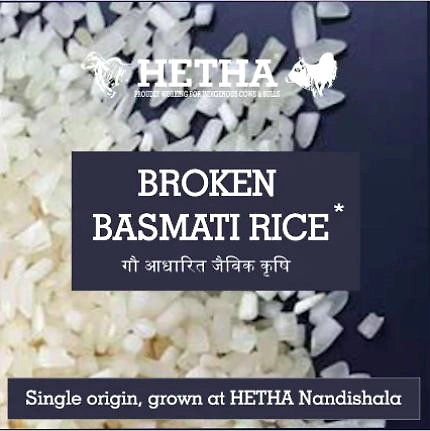
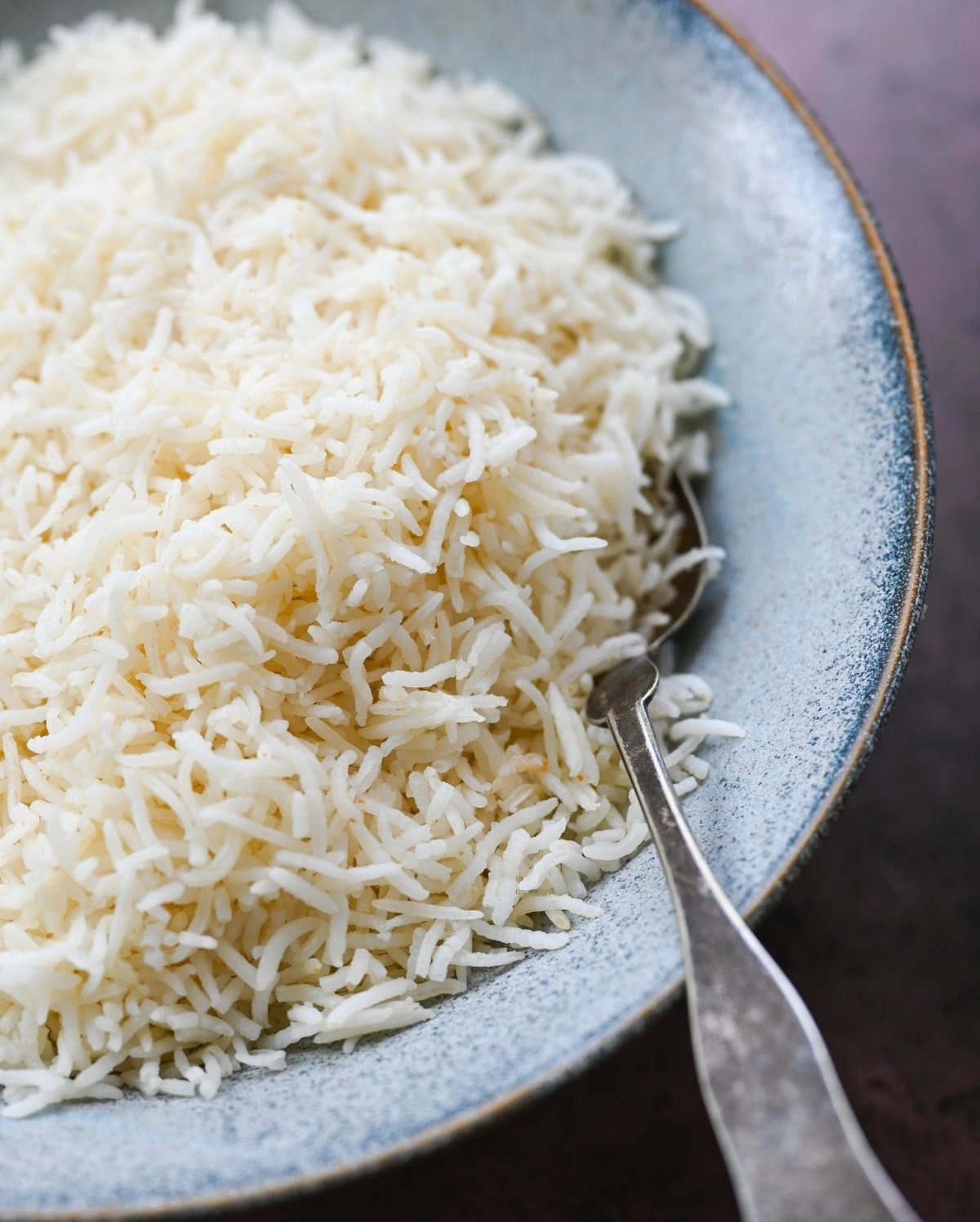
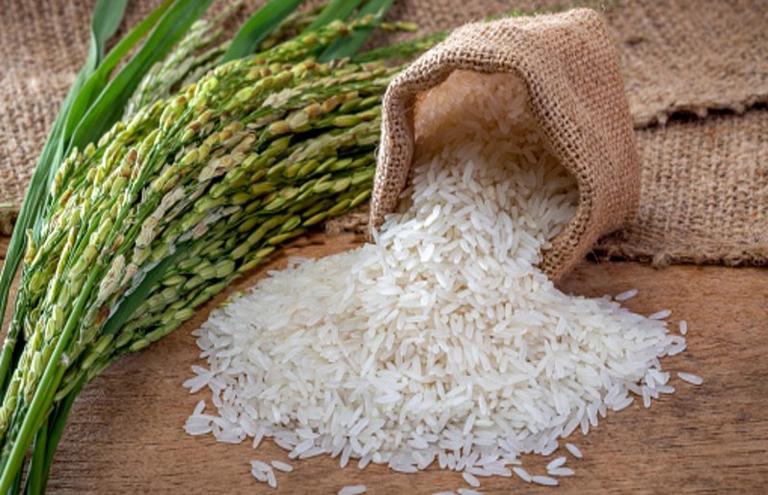
Non-Basmati Rice is an essential staple that encompasses a diverse range of rice varieties, distinctly different from the aromatic and long-grain basmati rice. This category includes short-grain, medium-grain, and other long-grain rice types, showcasing unique characteristics and culinary uses. Popular varieties such as Jasmine rice, known for its fragrant floral aroma, and Arborio rice, celebrated for its creamy texture in risottos, highlight the versatility of non-basmati rice in various cuisines. With a generally neutral flavor profile, Non-Basmati Rice is well-suited for everyday meals as well as gourmet cooking, making it a favorite among chefs and home cooks alike. Its range of textures—ranging from slightly sticky to separate grains—allows it to adapt perfectly to different cooking methods, from steaming to stir-frying. This wide-ranging applicability ensures that Non-Basmati Rice remains a crucial ingredient in kitchens around the world, catering to diverse dietary needs and culinary traditions.
Key Features
| Features | Description |
|---|---|
| Variety of Types | Includes short-grain, medium-grain, and long-grain varieties. |
| Flavor Profile | Generally neutral flavor, allowing compatibility with various dishes. |
| Versatility | Ideal for a wide array of culinary applications, from everyday meals to specialty dishes. |
| Texture Choices | Ranges from slightly sticky to more separate grains, providing culinary flexibility. |
| Common Varieties | Includes Jasmine rice for fragrance and Arborio rice for creamy consistency. |
| Attributes | Description |
|---|---|
| Product Type | Non-Basmati Rice |
| Common Varieties | Jasmine, Arborio, and others |
| Grain Length | Short, Medium, Long |
| Texture | Varies from slightly sticky to separate grains |
| Culinary Uses | Suitable for steaming, cooking, stir-frying, and specialty dishes |
*Disclaimer: The above description has been AI-generated and has not been audited or verified for accuracy. It is recommended to verify product details independently before making any purchasing decisions.
The primary types of Non-Basmati Rice include varieties such as Jasmine rice, Arborio rice, and other short-grain and medium-grain rice.
Non-Basmati Rice generally has a more neutral flavor profile compared to Basmati, making it versatile for a wide range of dishes.
Non-Basmati Rice can be effectively cooked using methods such as steaming, boiling, stir-frying, or incorporating into specialty recipes like risottos.
Yes, varieties like Arborio rice are specifically sought after for gourmet recipes due to their creamy texture, while Jasmine rice adds a fragrant aroma to many dishes.
Absolutely, Non-Basmati Rice is naturally gluten-free, making it a great dietary choice for those with gluten sensitivities or celiac disease.
Country Of Origin: India
Non-basmati rice encompasses a variety of rice types that do not share the distinctive characteristics of basmati. This category includes short-grain, medium-grain, and other long-grain varieties, each with its own unique qualities. Non-basmati rice generally has a more neutral flavor compared to basmati, and its texture can range from slightly sticky to more separate, depending on the type. Common examples include jasmine rice, with its fragrant, slightly floral aroma, and Arborio rice, known for its creamy consistency in risottos. Non-basmati rice is versatile and used in a wide array of dishes, from everyday meals to specialty recipes, providing a suitable base for various culinary styles.