Niacinamide, a potent form of vitamin B3, serves as a foundational ingredient in advanced skincare formulations aimed at enhancing skin health across various types. This water-soluble vitamin is distinguished by its superior tolerance compared to niacin, as it doesn't induce skin flushing even when used in higher concentrations. Niacinamide operates at the cellular level, delivering multifaceted benefits that include regulating sebum production, minimizing the visibility of enlarged pores, and improving skin texture and tone. Ideal for oily and combination skin types, niacinamide’s ability to balance oil secretion directly targets the reduction of pore dilation caused by excess sebum and debris accumulation, promoting a smoother, clearer complexion. Leveraging its anti-inflammatory and barrier-strengthening properties, niacinamide also supports skin resilience, making it an essential additive for manufacturers producing serums, moisturizers, and treatment products aimed at mitigating skin imperfections, managing acne-prone skin, and enhancing overall dermal health.
Key Features
| Features | Description |
|---|---|
| Vitamin Type | Niacinamide (Vitamin B3) |
| Solubility | Water-soluble |
| Skin Tolerance | High tolerance; non-flushing |
| Primary Function | Regulates sebum production |
| Pore Effect | Minimizes the appearance of enlarged pores |
| Suitable For | Oily and combination skin types |
| Benefits | Balances oil, improves skin texture and tone |
| Mechanism | Works on cellular level for skin health |
| Usage in Products | Common in serums, moisturizers, and skin treatments |
| Side Effects | Generally well-tolerated without flushing |
| Attributes | Description |
|---|---|
| Chemical Name | Niacinamide |
| Molecular Formula | C6H6N2O |
| Typical Concentration in Skincare | 2% to 10% |
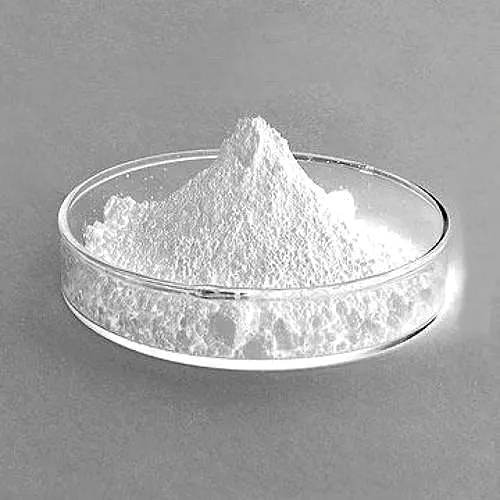
| Appearance | White crystalline powder or water solution |
| Storage Conditions | Store in a cool, dry place away from light |
| Shelf Life | Typically 2 years when stored properly |
| pH Range | Effective in formulations with pH 5-7 |
| Compatibility | Compatible with most skincare ingredients |
*Disclaimer: The above description has been AI-generated and has not been audited or verified for accuracy. It is recommended to verify product details independently before making any purchasing decisions.
Niacinamide is typically used in concentrations ranging from 2% to 5% for effective regulation of sebum without irritation.
Yes, niacinamide is highly compatible with most skincare ingredients including retinols and alpha/beta hydroxy acids, enhancing product versatility.
By regulating excess sebum production and reducing inflammation, niacinamide prevents oil buildup that leads to stretched pore walls, thereby minimizing their appearance.
Niacinamide is well-tolerated even by sensitive skin and does not cause flushing, unlike niacin, making it safe for widespread use.
Niacinamide should be stored in a cool, dry place away from direct sunlight to maintain its stability and potency for up to 2 years.
Country Of Origin: India
Niacinamide is a form of vitamin B3 (niacin). It is a water-soluble vitamin that is essential for human health. Unlike niacin, which can cause skin flushing in high doses, niacinamide is generally very well-tolerated and does not cause this reaction.
It's a true multi-tasking powerhouse ingredient that has become a staple in modern skincare due to its wide range of proven benefits and compatibility with most skin types.
Key Benefits & How It Works
Niacinamide works on a cellular level to improve the skin's overall health and appearance. Its primary benefits include:
Regulates Sebum & Minimizes Pores: For oily and combination skin, niacinamide is excellent for helping to regulate the production of sebum (oil). By balancing oil production, it can reduce the appearance of enlarged pores that get stretched out by excess oil and debris.