• Key Features & Attributes
  • Ratings & Reviews
  • Know your Supplier
  • Product description from supplier

Neurosurgery Instruments

Inclusive of all taxes

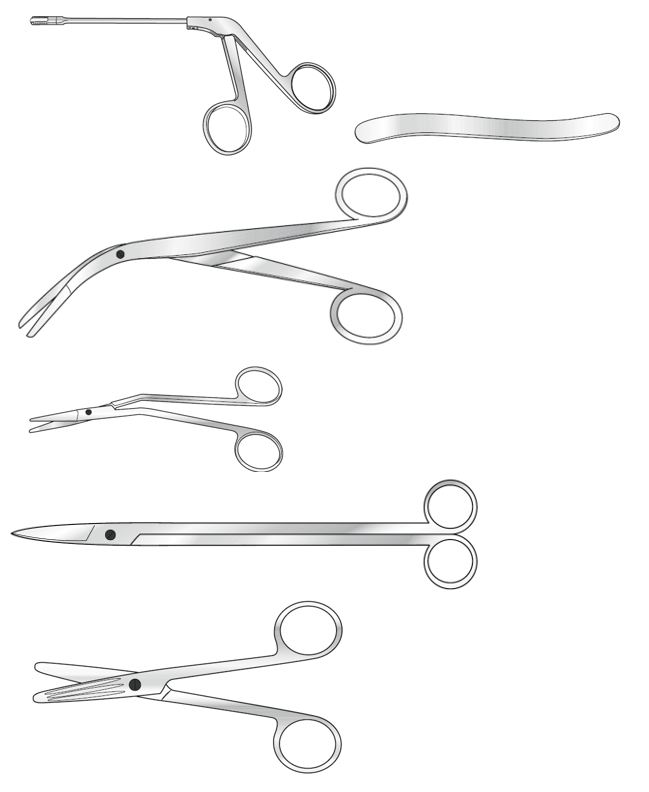
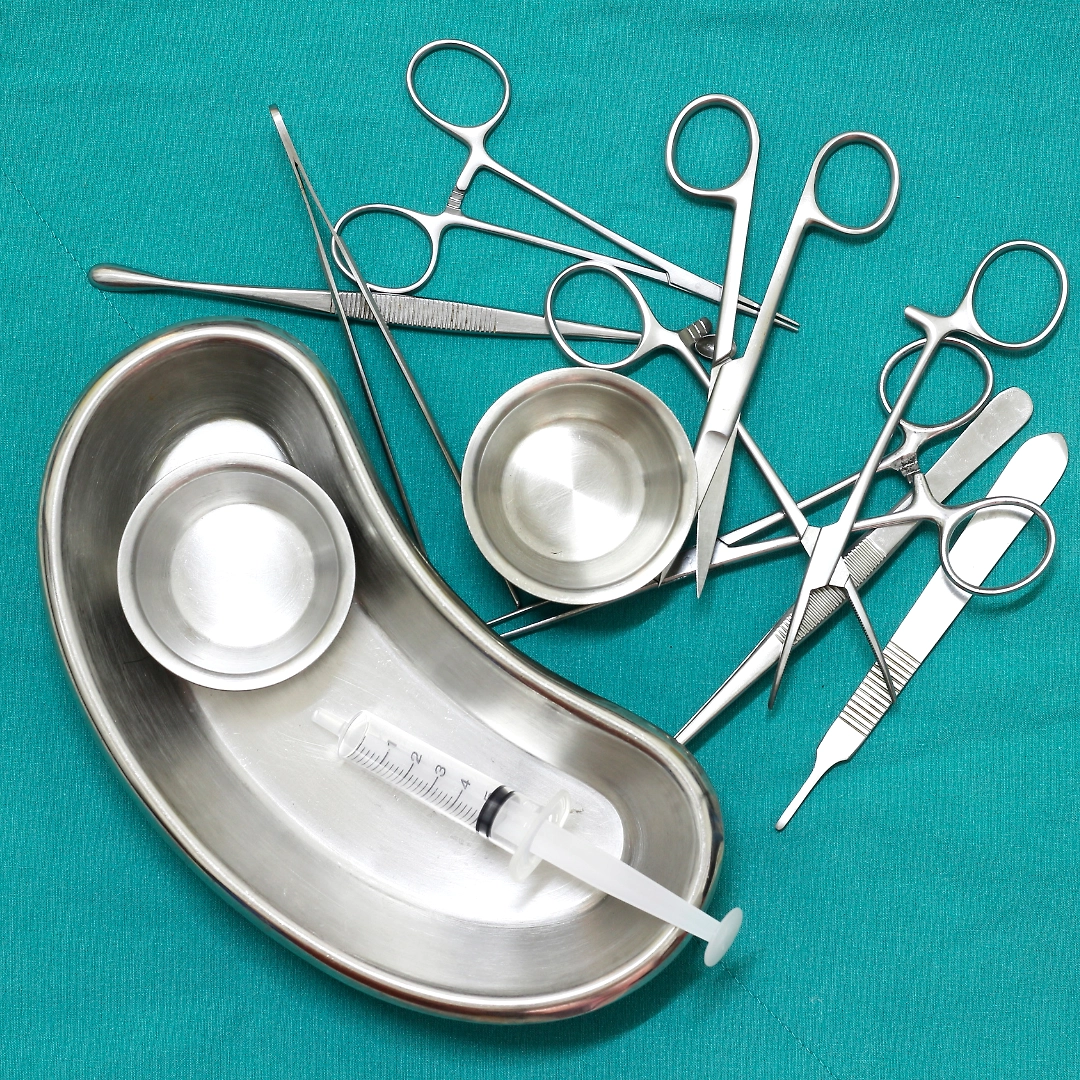
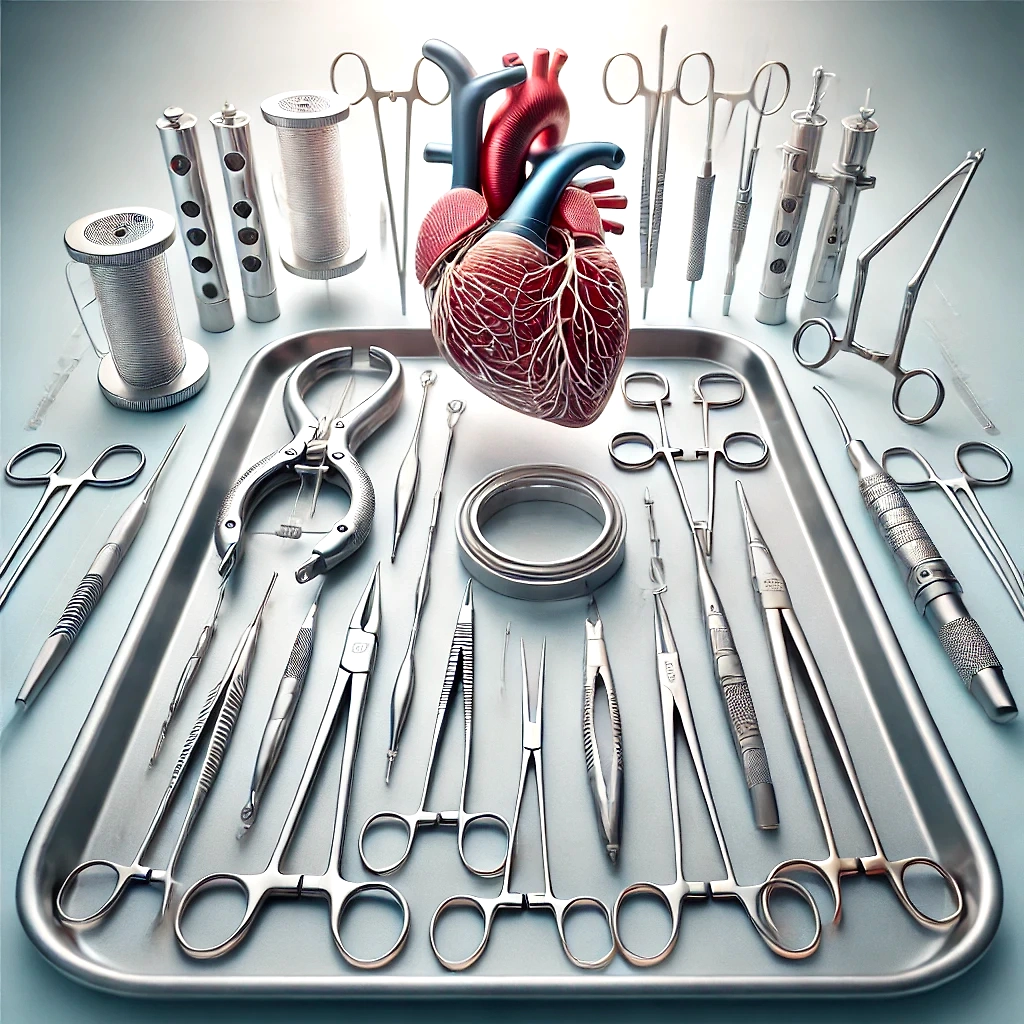
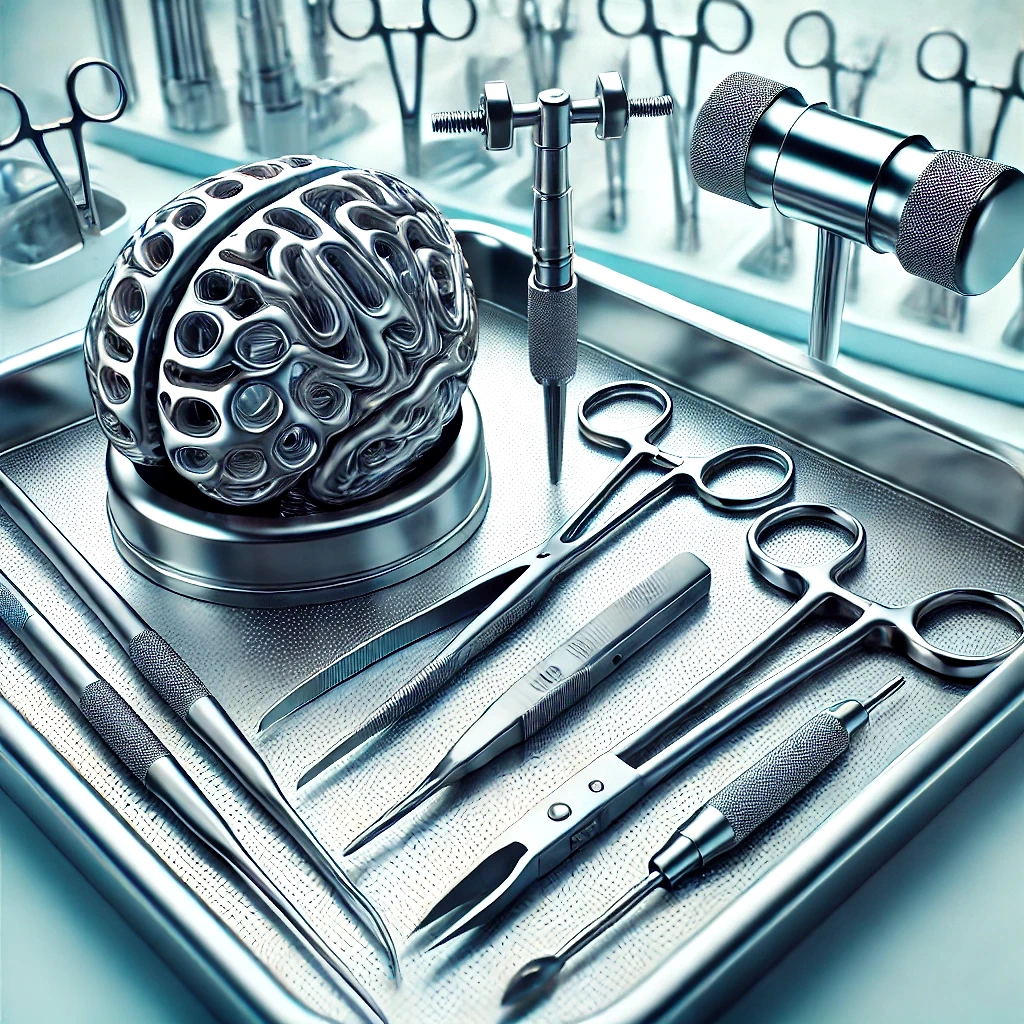
Neurosurgery Instruments are highly specialized surgical tools designed for neurosurgical procedures involving the brain, spinal cord, and peripheral nerves. These instruments ensure precise, safe, and effective treatment of neurological disorders such as brain tumors, spinal injuries, vascular malformations, and other nervous system conditions. They encompass a range of tool categories including Craniectomy Instruments, Microsurgical Instruments, and Neurosurgical Retractors, each tailored for specific surgical tasks. Craniectomy instruments like cranial perforators, cranial rongeurs, bone saws, and mallets allow surgeons to access the brain by safely and accurately removing portions of the skull. Microsurgical instruments, including micro scissors, microvascular clips, microforceps, and needle holders, facilitate ultra-precise manipulation of delicate neural tissues and blood vessels during complex microsurgeries. Retractors such as Deaver, Cushing vein, Senn, and spinal retractors maintain clear surgical fields by carefully holding back brain tissue, blood vessels, muscles, or ligaments. These instruments collectively support surgeons in performing intricate neurosurgical interventions with minimal risk, optimized visibility, and maximum control.

Key Features

Features Description
Cranial Perforator Rotating cutting blade to create precise holes in the skull during craniectomy.
Cranial Rongeurs Sharp bite-like jaws designed for safe removal of bone fragments without damaging brain tissue.
Bone Saw Precision saw used for cutting the skull during craniectomy procedures.
Mallet Used to apply force to rongeurs and other instruments during skull bone removal.
Micro Scissors Ultra-fine scissors for cutting delicate neural tissues with precision.
Microvascular Clips Clips used to occlude small blood vessels, essential in vascular neurosurgeries.
Microforceps Fine-tipped forceps for manipulating tiny tissues or blood vessels.
Needle Holders Precision holders designed to securely hold needles for microsurgical suturing.
Deaver Retractor Flat broad blade retractor to hold back large brain tissues during cranial surgery.
Cushing Vein Retractor Specialized retractor for managing delicate blood vessels and tissues.
Senn Retractor Versatile retractor ideal for spinal surgeries to retract muscles and ligaments.
Spinal Retractors Fixed or self-retaining retractors to provide clear access to the spinal cord during surgery.
Attributes Description
Material Surgical-grade stainless steel or titanium for durability and sterilization.
Precision High precision design to minimize tissue damage during neurosurgery.
Sizes Various sizes and configurations available to suit different neurosurgical applications.
Sterilization Compatible with standard sterilization methods including autoclaving.
Handle Type Ergonomically designed handles for surgeon comfort and control.
Microsurgical Tool Dimensions Ultra-fine and small dimensions suitable for microsurgical procedures.
Retractor Type Includes fixed, handheld, and self-retaining retractors depending on surgical need.

*Disclaimer: The above description has been AI-generated and has not been audited or verified for accuracy. It is recommended to verify product details independently before making any purchasing decisions.

Be the first to write a review

Neurosurgery instruments are typically made from surgical-grade stainless steel or titanium, ensuring corrosion resistance, biocompatibility, and durability under repeated sterilization processes.

Cranial perforators have rotating cutting blades specifically designed to create precise, controlled holes in the skull, minimizing trauma to brain tissue and facilitating safer access during brain surgeries.

Microsurgical instruments are designed smaller and finer to provide extreme precision when manipulating delicate neural tissues and blood vessels under a microscope, which is essential to avoid damage during neurosurgical procedures.

Yes, some spinal retractors are self-retaining, providing stable retraction hands-free during lengthy spinal procedures. Common retractors for spinal surgeries include the Senn retractor and specialized spinal retractors designed to hold back muscle and tissue safely.

Yes, neurosurgery instruments are designed to withstand standard sterilization protocols such as autoclaving without degradation, maintaining hygiene and safety for repeated use.

  • Incorporation Type

  • GST

  • GST Registration Date

  • Number of Employees

  • Import Export Code (IEC)

  • Year of Establishment

  • Nature of Business

  • GlobalLinker Member Since

Brand: leo surgical

Country Of Origin: India

v  Neurosurgery Instruments: Neurosurgery encompasses surgical procedures that treat disorders of the nervous system, including the brain, spinal cord, and peripheral nerves. Neurosurgical procedures may involve treatments for brain tumors, spinal injuries, vascular malformations, and neurological disorders. The tools used in these procedures are specialized for precision, as any error in handling could lead to serious consequences.


1) Neurosurgery Instruments

a) Craniectomy Instruments

i) Cranial Perforator

ii) Cranial Rongeurs

iii) Bone Saw

iv) Mallet

b) Microsurgical Instruments

i) Micro Scissors

ii) Microvascular Clips

iii) Microforceps

iv) Needle Holders

c) Retractors in Neurosurgery

i) Deaver Retractor

ii) Cushing Vein Retractor

iii) Senn Retractor

iv) Spinal Retractors"


 Neurosurgery Instruments: Neurosurgery encompasses surgical procedures that treat disorders of the nervous system, including the brain, spinal cord, and peripheral nerves. Neurosurgical procedures may involve treatments for brain tumors, spinal injuries, vascular malformations, and neurological disorders. The tools used in these procedures are specialized for precision, as any error in handling could lead to serious consequences.

 Craniectomy Instruments: Craniectomy is a procedure where a portion of the skull is removed to provide access to the brain for various types of surgeries. This could be for the treatment of brain tumors, traumatic brain injuries, or other conditions that require direct access to the brain. These instruments are designed to perform the craniectomy with utmost precision while minimizing the risk of injury to the brain tissue.

o Cranial Perforator: Used to create small holes in the skull during craniectomy to facilitate further access to the brain. This instrument is equipped with a rotating cutting blade, ensuring clean and controlled perforation.

o Cranial Rongeurs: Used to remove bone fragments from the skull. These tools come with sharp, bite-like jaws and are specifically designed to remove bone without damaging surrounding tissues.

o Bone Saw: Often used in conjunction with other craniectomy instruments, the bone saw allows for the precise cutting of the skull when larger sections need to be removed.

o Mallet: A mallet is commonly used to help apply force to other instruments, such as the rongeur, during the craniectomy procedure.

Craniectomy instruments provide precision in skull removal during brain surgeries. The cranial perforator creates accurate holes in the skull for easy access, while cranial rongeurs and bone saws remove bone fragments with care, minimizing risk to surrounding brain tissue."

 Microsurgical Instruments: Microsurgery involves the use of specialized, highly precise instruments to treat delicate structures, such as blood vessels, nerves, and tissues, often under a microscope. These instruments are critical for delicate brain, spinal cord, and nerve surgeries, requiring the utmost accuracy. Microsurgical tools are typically smaller and finer than general surgical tools, designed for intricate tasks like suturing or removing microscopic tissue samples.

 Micro Scissors: These ultra-fine scissors are designed for cutting very delicate tissues with precision, such as those found in the brain or spinal cord. They come in straight or curved variations to allow for flexibility in different types of surgeries.

 Microvascular Clips: These clips are used to occlude small blood vessels during surgery, especially in vascular surgeries or when treating aneurysms. They are used to stop bleeding and secure blood vessels during delicate brain surgeries.

 Microforceps: Small, fine-tipped forceps that allow for the manipulation of tiny tissues or blood vessels, essential for handling delicate structures in the brain or spinal cord.

 Needle Holders: In microsurgery, needle holders are designed to securely hold needles for suturing small tissues in the brain or nervous system, with fine tips for ultimate precision.

Microsurgical instruments are designed for the most delicate neurosurgical procedures. Micro scissors and microforceps enable precise tissue manipulation, while microvascular clips provide secure vessel occlusion during vascular surgeries. These instruments ensure utmost accuracy for brain and spinal cord surgeries.

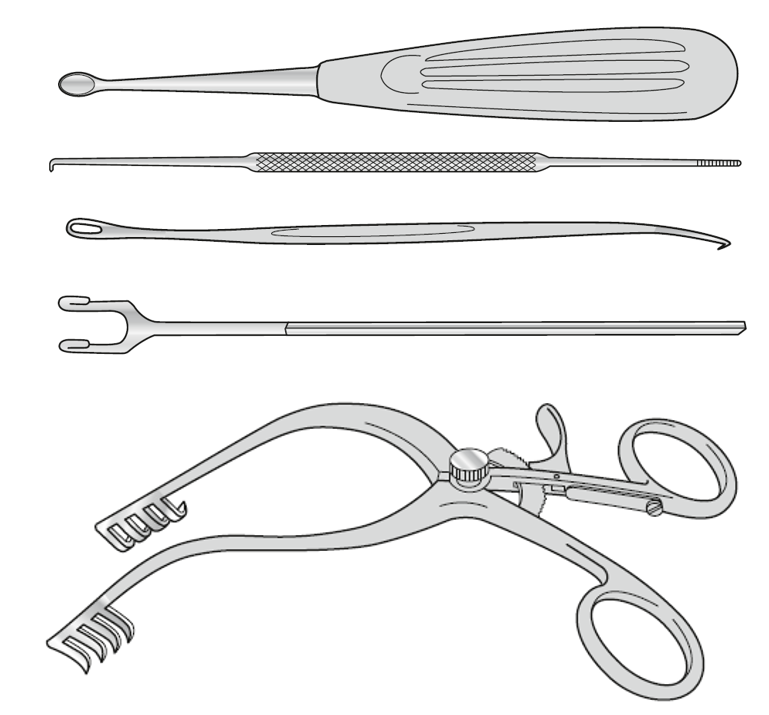
 Retractors in neurosurgery are used to hold back brain tissue, blood vessels, and other structures, ensuring that the surgical site remains visible and accessible. These instruments are essential for providing unobstructed views of the brain and spinal cord, which are often located deep within the body.

o Deaver Retractor: A widely used retractor with a flat, broad blade that helps hold back large sections of brain tissue or muscles. It is typically used in cranial surgeries to provide optimal access and visibility.

o Cushing Vein Retractor: Specifically designed for neurosurgery, the Cushing vein retractor holds back smaller blood vessels and tissues, providing exposure to specific areas of the brain during delicate procedures.

o Senn Retractor: A versatile retractor often used in spinal surgeries to retract muscles, ligaments, or tissue and provide access to the spinal cord. The Senn retractor is particularly effective in tight spaces, allowing for precise control over tissue retraction.

o Spinal Retractors: These retractors are used during spinal surgeries to hold back muscle tissue and provide clear access to the spine or spinal cord. They can be both fixed or self-retaining, ensuring stability during longer procedures.

Retractors ensure optimal exposure during neurosurgeries. The Deaver retractor holds back brain tissue for clean surgical access, while the Cushing vein retractor manages delicate blood vessels. The Senn retractor is perfect for spinal surgeries, offering precision when retracting muscle or tissue."


Medical Devices And Supplies

leo surgical

Neurosurgery Instruments

Cranial Perforator

Micro Scissors

Neurosurgical Retractors

Brain Surgery Tools

Spinal Surgery Instruments

Microsurgical Instruments

Cranial Rongeurs

Neurosurgical Tools

Surgical Instruments For Neurosurgery

Neurosurgery Instruments

Inclusive of all taxes

You Save: 0

Send Inquiry
avanteq exports pvt. ltd.

Rohtak , India

Exporter, Wholesaler

GST- 06abaca9844l1zb

  • Secure
    Transaction

  • Free
    Delivery

  • Day
    Dispatch

Report a problem with this product