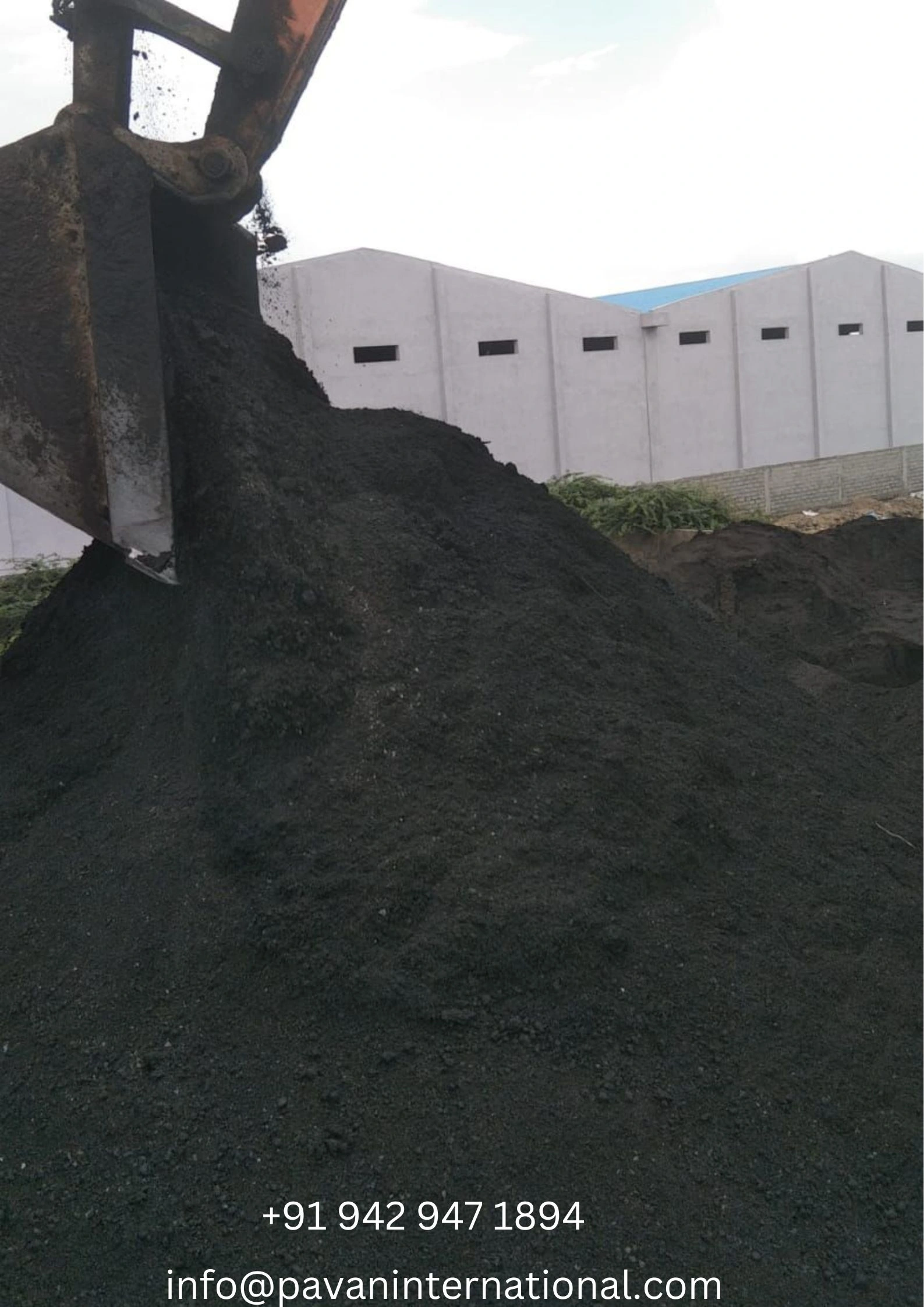
MS Mill Scale is a high-grade byproduct of steel manufacturing processes, boasting an impressive iron content ranging from 68% to 72%. Although classified as industrial waste, it is a valuable resource due to its potential for recycling and utility in various applications. In steel production facilities, mill scale is predominantly recycled into iron ore sinter or pellets, which are essential for iron-making furnaces. Additionally, this material serves as an effective coolant in steel-making furnaces, enhancing operational efficiency. Innovative recycling methods such as briquetting, where mill scale is compressed with a binder, enable further utilization of this material. Furthermore, MS Mill Scale is recognized for its role in manufacturing granular refractories; when cast and preheated, it facilitates moisture evaporation, reinforcing the structural integrity and durability of monolithic refractories. By repurposing mill scale, steel manufacturers can reduce waste and promote sustainability while extracting value from what was once considered an industrial byproduct.
Key Features
| Features | Description |
|---|---|
| Iron Content | 68%-72% |
| Silica Content | >1% |
| Moisture Content | >1% |
| Recycling Potential | Used in iron ore sinter/pellets |
| Applications | Coolant in steel-making furnaces |
| Attributes | Description |
|---|---|
| Material Type | Mill Scale |
| Industrial Classification | Industrial Waste |
| Primary Use | Raw material for sintering and refractory manufacturing |
| Environmental Impact | Promotes recycling and reduces industrial waste |
| Form | Briquettes or granules |
| Manufacturing Process | Generated during steel rolling processes |
*Disclaimer: The above description has been AI-generated and has not been audited or verified for accuracy. It is recommended to verify product details independently before making any purchasing decisions.
MS Mill Scale is primarily recycled into iron ore sinter or pellets for use in iron-making furnaces.
MS Mill Scale reduces industrial waste by being recycled and repurposed in various applications, promoting eco-friendly practices in steel manufacturing.
When mill scale is cast and preheated in granular refractory, it aids in the escape of evaporating water vapor, preventing cracks and ensuring a strong, durable structure.
Yes, mill scale can be briquetted with a binder to enhance recycling efficiency, making it easier to handle and transport.
MS Mill Scale typically has silica content greater than 1% and moisture content greater than 1%.
Country Of Origin: India
Mill scale, despite its high iron content (68%-72%), is classified as industrial waste primarily due to contamination with water and oil during the rolling process. In steel plants, most mill scale is recycled into the production of iron ore sinter or pellets, which are subsequently used in iron-making furnaces. It also serves as a coolant in steel-making furnaces. Additionally, mill scale is recycled by briquetting it with a binder.
Moreover, mill scale is utilized as a raw material in granular refractory. When this refractory is cast and preheated, the mill scale facilitates the escape of evaporating water vapor, preventing cracks and ensuring a strong monolithic structure.
Fe 68%-72%
Silica >1%
Moisture >1%