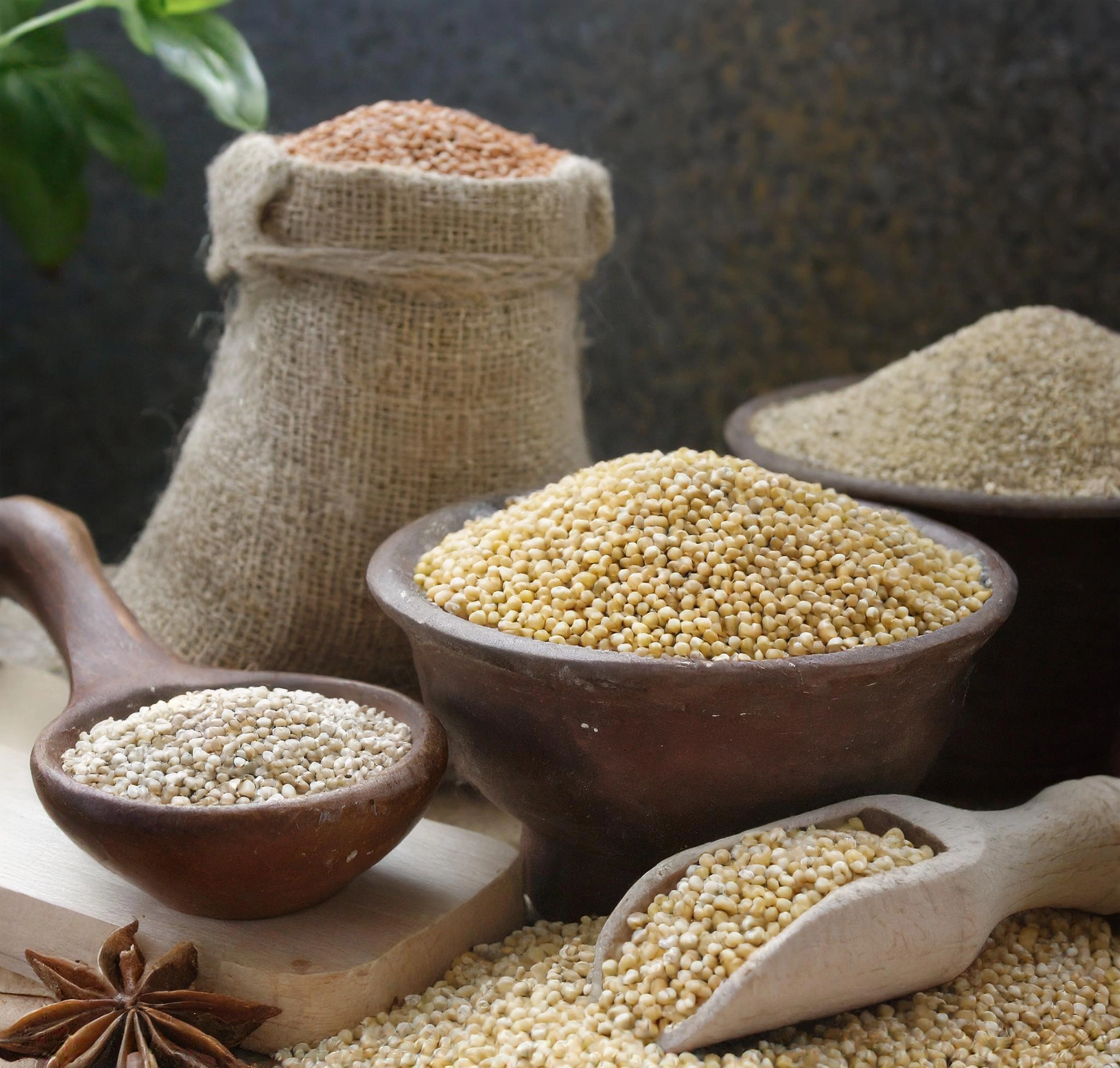
Sorghum, a highly nutritious millet variety, offers exceptional health benefits making it a preferred choice for health-conscious businesses and food manufacturers. This gluten-free grain is abundant in antioxidants like tannins and phenolic acids, which protect cells against oxidative damage, thereby reducing the risk of chronic illnesses such as cardiovascular diseases and certain cancers. Its high dietary fiber content supports heart health by aiding in the reduction of cholesterol levels, improving blood circulation, and helping regulate blood pressure. Sorghum's natural gluten-free property makes it ideal for companies producing gluten-free food products, catering to celiac and gluten-sensitive consumers. Additionally, its rich nutrient profile includes B vitamins, iron, magnesium, and protein, which enhance energy and support digestive health by promoting a healthy gut microbiome and preventing constipation. Sorghum's low glycemic index makes it valuable for managing blood sugar levels, thereby suitable for diabetic-friendly food formulations. Incorporating sorghum millets can diversify product offerings while supporting sustainability due to its adaptability to various growth conditions. This makes sorghum an excellent product for B2B suppliers in the healthy food ingredient, organic food, and health supplement sectors.
Key Features
| Features | Description |
|---|---|
| Nutrient Density | Rich in B vitamins, iron, magnesium, and protein |
| Antioxidants | Contains high levels of tannins and phenolic acids |
| Gluten-Free | Suitable for gluten-sensitive and celiac consumers |
| Dietary Fiber Content | Promotes digestion and supports heart health |
| Low Glycemic Index | Helps regulate blood sugar levels |
| Heart Health Benefits | Aids in lowering cholesterol and blood pressure |
| Versatility | Can be used in a variety of food products |
| Sustainability | Drought-resistant and adaptable crop |
| Protein and Energy | High protein content supports energy needs |
| Attributes | Description |
|---|---|
| Scientific Name | Sorghum bicolor |
| Grain Type | Millet |
| Gluten Content | Gluten-Free |
| Nutrient Composition | High in B vitamins, iron, magnesium, antioxidants, fiber, and protein |
| Glycemic Index | Low |
| Typical Uses | Gluten-free flours, cereals, health foods, supplements |
| Packaging | Bulk bags suitable for B2B supply |
| Shelf Life | 12-18 months when stored in cool and dry conditions |
| Origin | India |
*Disclaimer: The above description has been AI-generated and has not been audited or verified for accuracy. It is recommended to verify product details independently before making any purchasing decisions.
Yes, this sorghum millet is naturally gluten-free, making it ideal for gluten-sensitive and celiac-safe food product development.
Sorghum millet contains high dietary fiber and plant compounds that help reduce cholesterol and regulate blood pressure, which support cardiovascular health.
Yes, due to its low glycemic index, sorghum millet helps in regulating blood sugar levels, making it suitable for diabetic-friendly formulations.
When stored in cool, dry conditions, the sorghum millet has a shelf life of 12 to 18 months.
The product complies with Indian food safety regulations and is free from contaminants; specific certifications can be provided based on buyer requirements.
Brand: agropex global exports
Country Of Origin: India
Sorghum, a type of millet, is an incredibly nutritious grain with several health benefits. It’s gaining popularity worldwide due to its nutrient density, versatility, and positive impact on health. Here’s a breakdown of some of its key health benefits:
Rich in Antioxidants
Sorghum is high in antioxidants, including tannins and phenolic acids, which help protect cells from oxidative stress. This may reduce the risk of chronic diseases, including heart disease and certain cancers.
Supports Heart Health
Sorghum is a heart-friendly grain due to its high fiber content and presence of plant compounds that help reduce cholesterol levels, lower blood pressure, and improve blood circulation.
Gluten-Free and Great for Digestion
As a naturally gluten-free grain, sorghum is ideal for people with celiac disease or gluten sensitivity. Its high fiber content promotes digestive health, prevents constipation, and supports a healthy gut microbiome.
Here are some reasons why consuming millets in our daily routine can be beneficial:
1) Nutrient-rich: High in B vitamins, iron, and magnesium.
2) Fiber: Supports digestion and gut health.
3) Low glycemic index: Regulates blood sugar levels.
4) Gluten-free: Suitable for gluten-sensitive individuals.
5) Antioxidants: Reduce oxidative stress, lower disease risk.
6) Heart health: Helps in cholesterol and blood pressure regulation.
7) Diversifies diet: Adds nutritional variety, supports sustainability.
8) High in Protein and Energy