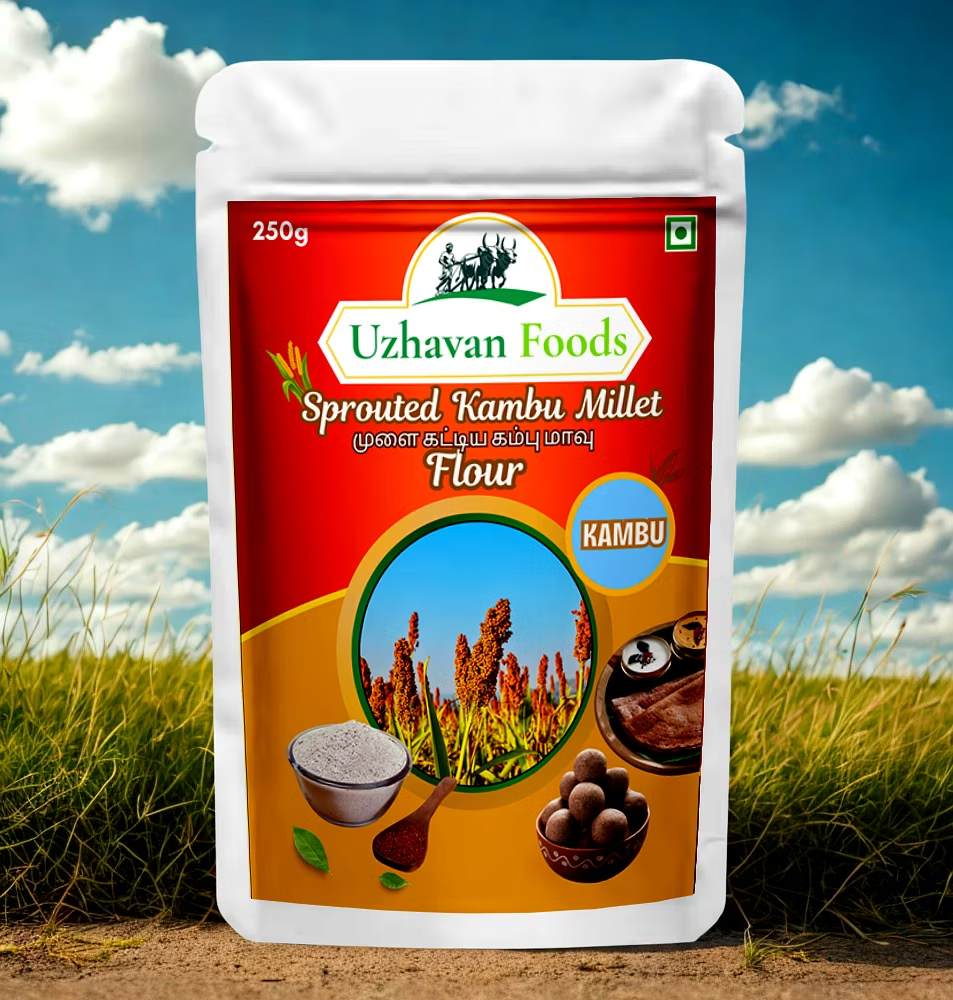
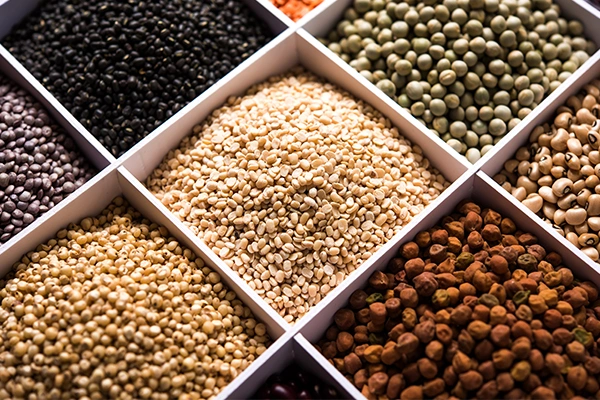
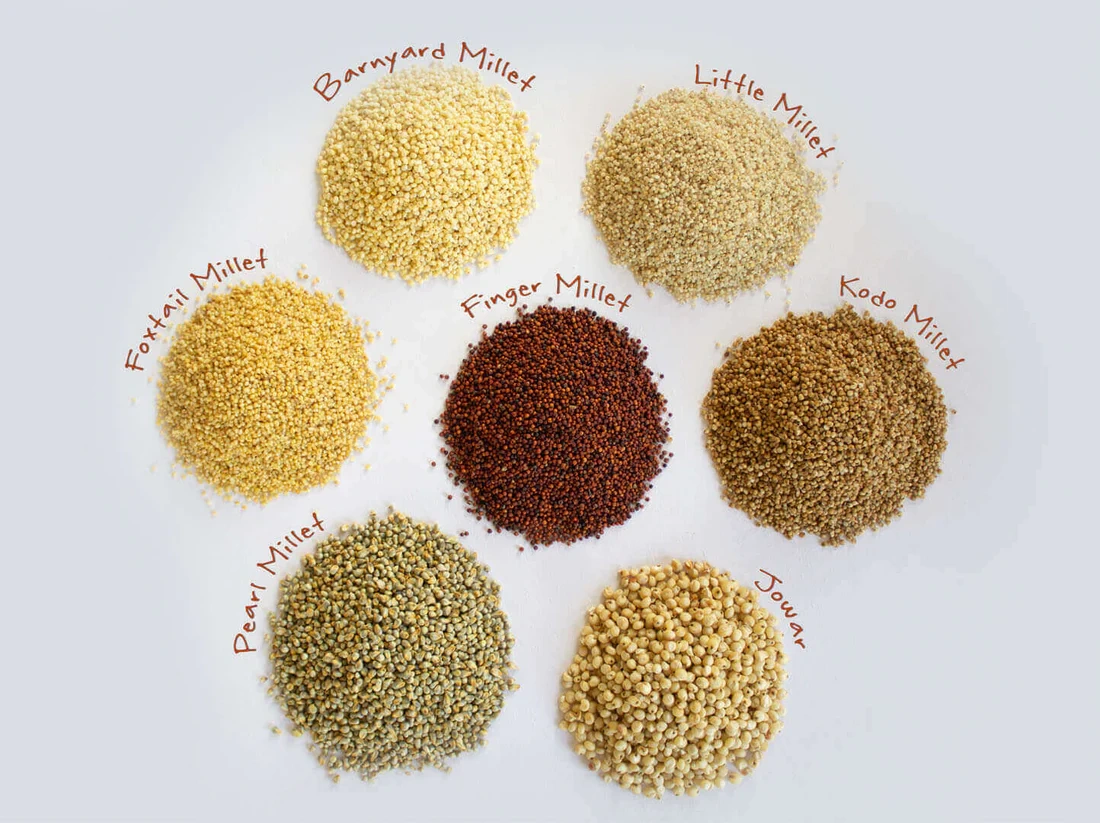
Millets are an exceptional category of small-seeded grasses that serve as a staple food source in various regions, especially across Africa and Asia. These ancient grains have risen in popularity due to their impressive nutritional profile and gluten-free nature, making them a healthy choice for many consumers. Millets are rich in fiber, vitamins, and minerals, and they can play a significant role in promoting a balanced diet. They are also versatile in the kitchen, easily incorporated into a variety of dishes ranging from porridge and bread to salads and snacks. With various types of millets available, such as Barnyard, Little, Kodo, Finger, Foxtail, Pearl, and Jowar, each type offers unique flavors and textures suitable for both traditional and contemporary cuisines. Embracing millets not only supports health-conscious diets but also contributes to sustainable agricultural practices, making them an ideal ingredient for B2B suppliers looking to enhance their product offerings.
Key Features
| Features | Description |
|---|---|
| Nutritional Value | High in fiber, vitamins, and minerals. |
| Dietary Compatibility | Gluten-free and suitable for various dietary needs. |
| Versatility in Cooking | Can be used in a variety of dishes, from breakfast to dinner. |
| Range of Types | Includes Barnyard, Little, Kodo, Finger, Foxtail, Pearl, and Jowar millets. |
| Sustainability | Supports environmental and sustainable farming practices. |
| Attributes | Description |
|---|---|
| Type of Millets | Barnyard, Little, Kodo, Finger, Foxtail, Pearl, Jowar |
| Origin | Widely cultivated in Africa and Asia. |
| Texture | Small-seeded and varied texture depending on type. |
| Taste | Mild and earthy flavors. |
| Cooking Time | Varies by type; generally between 15 to 30 minutes. |
*Disclaimer: The above description has been AI-generated and has not been audited or verified for accuracy. It is recommended to verify product details independently before making any purchasing decisions.
Millets are high in fiber, proteins, and essential nutrients, which can aid in digestion, help maintain weight, and lower cholesterol levels.
Millets can be used in soups, salads, porridge, or made into bread and snacks. They can be cooked and seasoned, or ground into flour for various recipes.
Yes, all types of millets are naturally gluten-free, making them suitable for individuals with gluten sensitivities or celiac disease.
Cooking times can range from 15 to 30 minutes, depending on the type of millet. Foxtail and Barnyard millets typically cook faster than Pearl millets.
Millets should be stored in an airtight container in a cool, dry place to maintain freshness. They can also be refrigerated for extended shelf life.
Country Of Origin: India
Millets are a group of small-seeded grasses, widely cultivated and consumed as staple grains in many parts of the world, particularly in Africa and Asia. They are highly nutritious, gluten-free, and have been gaining popularity due to their health benefits and versatility in cooking. There are several types of millets, each with its own unique characteristics and culinary uses. Some common types of millets include:
Range of Millets:
Barnyard Millet
Little Millet
Kodo Millets
Finger Millet
Foxtail Millet
Pearl Millets
Jowar