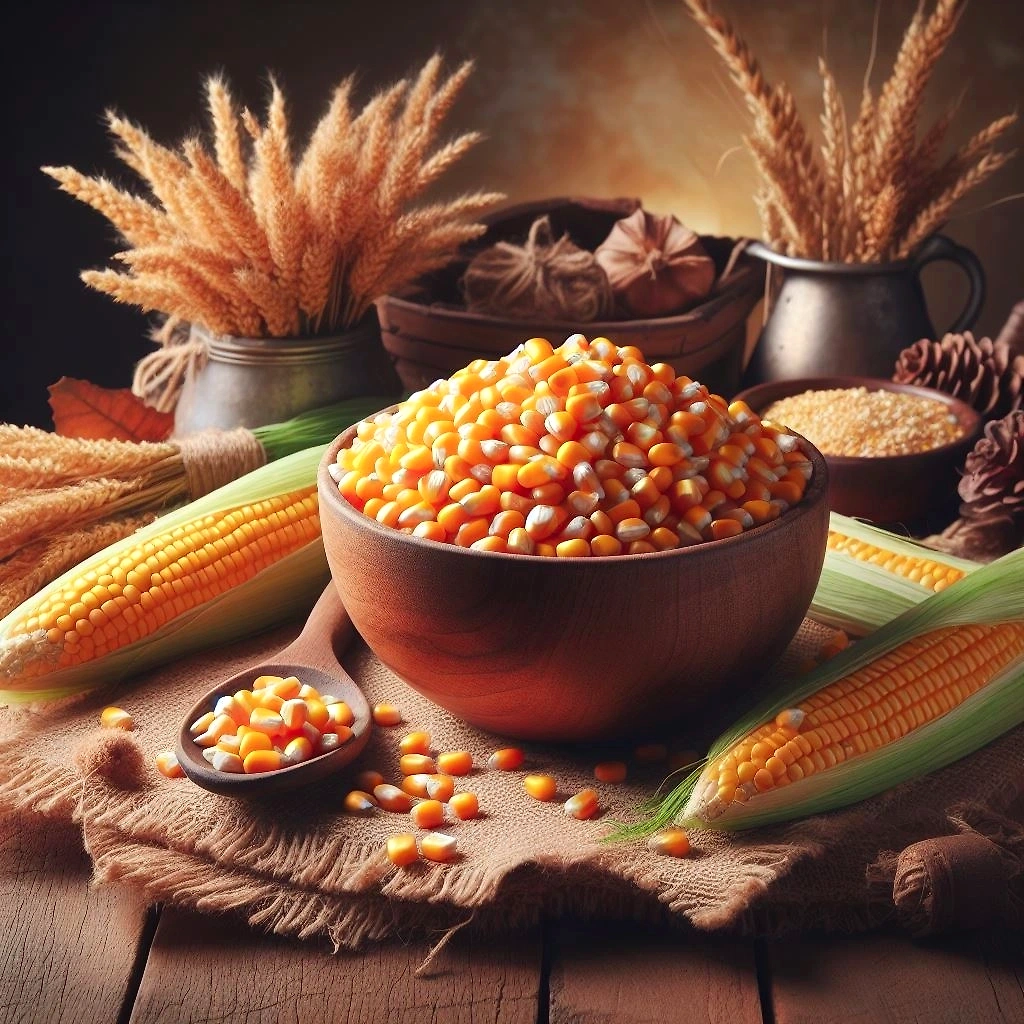
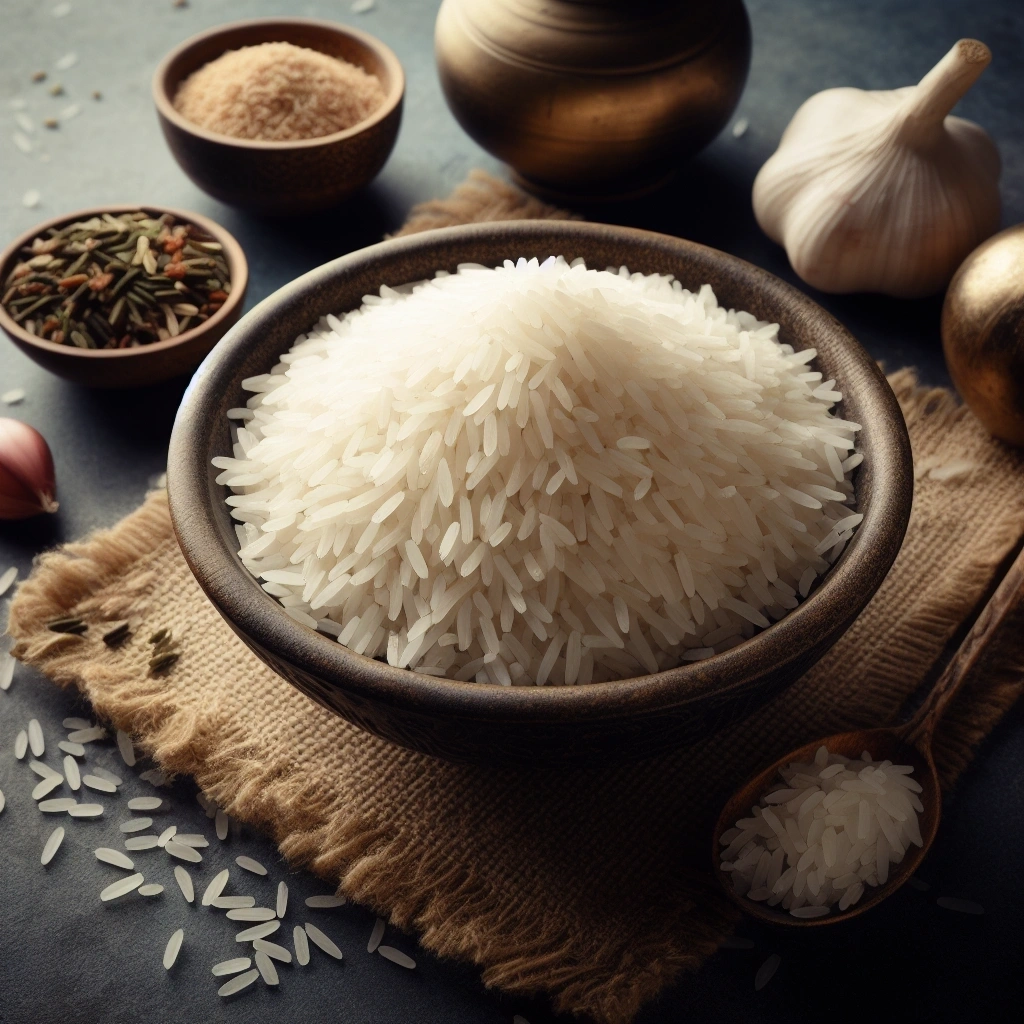
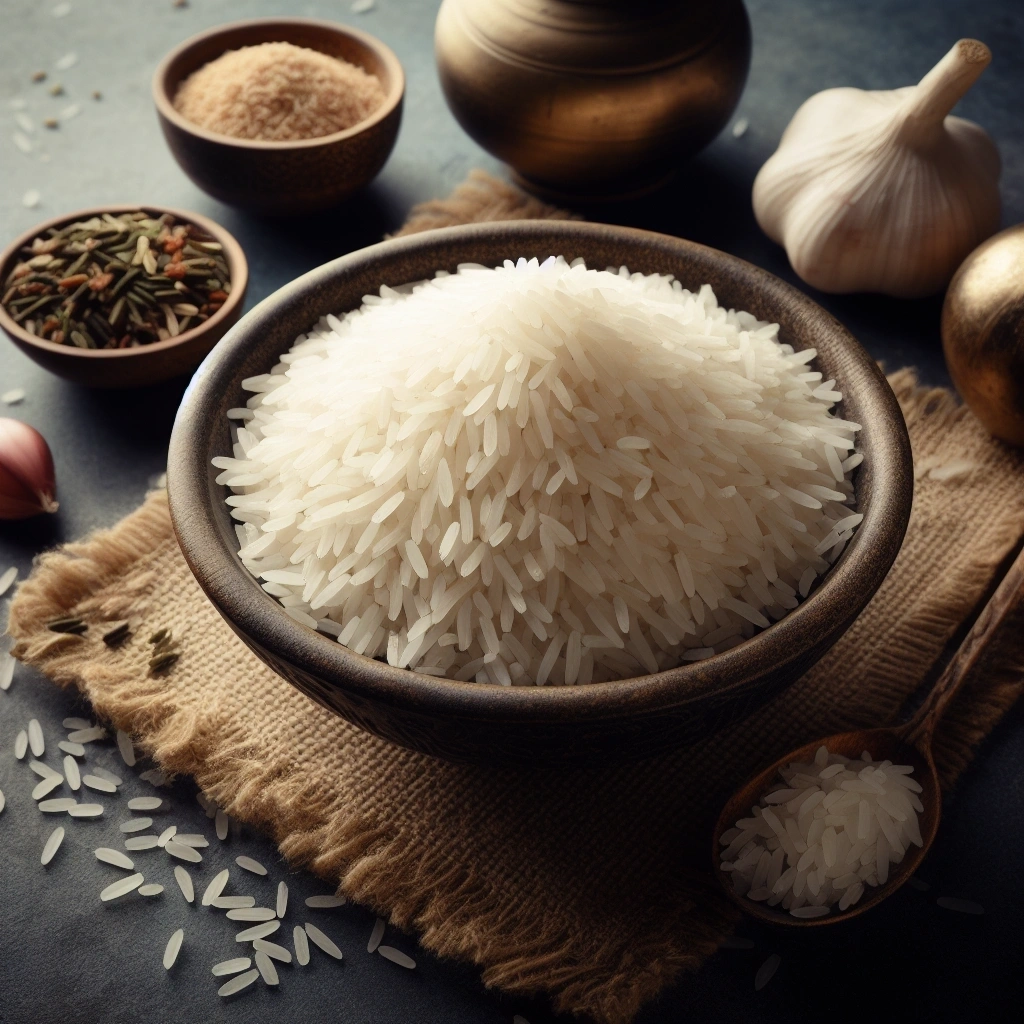
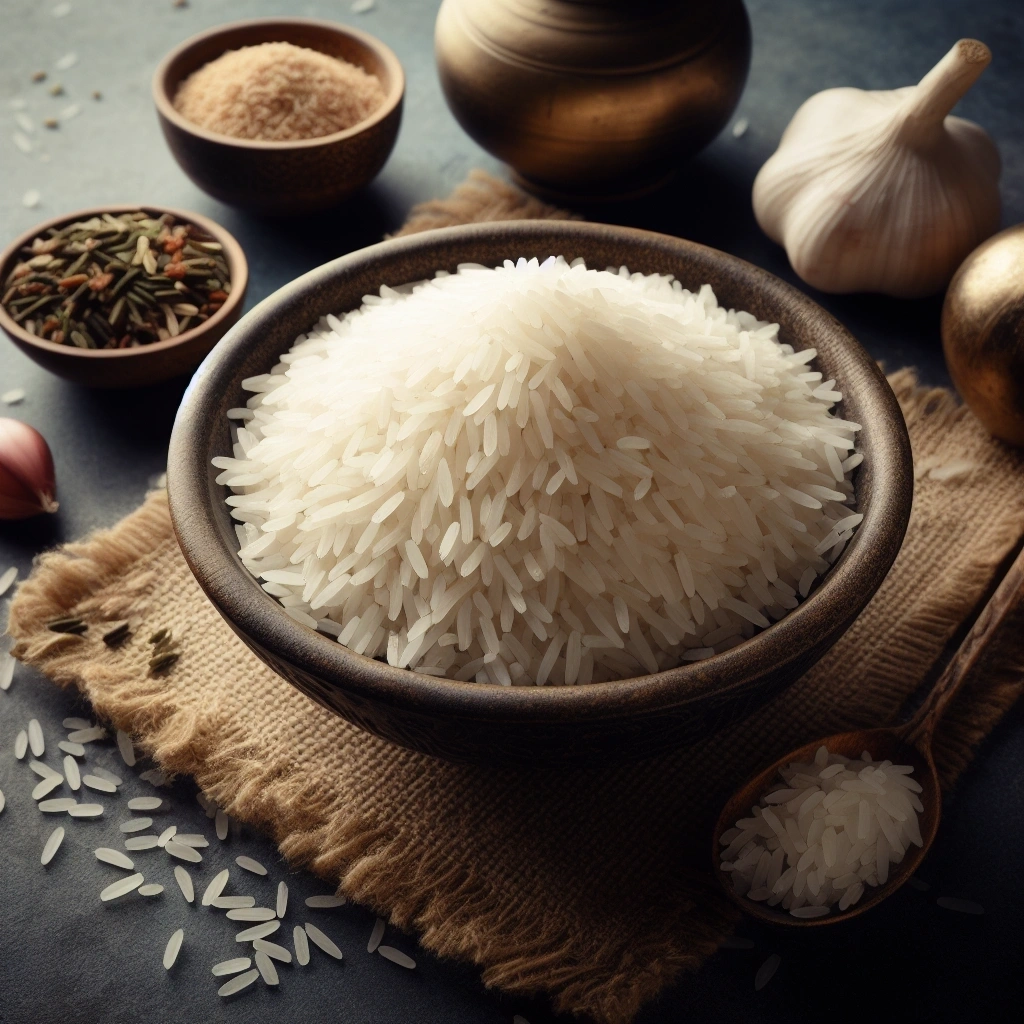
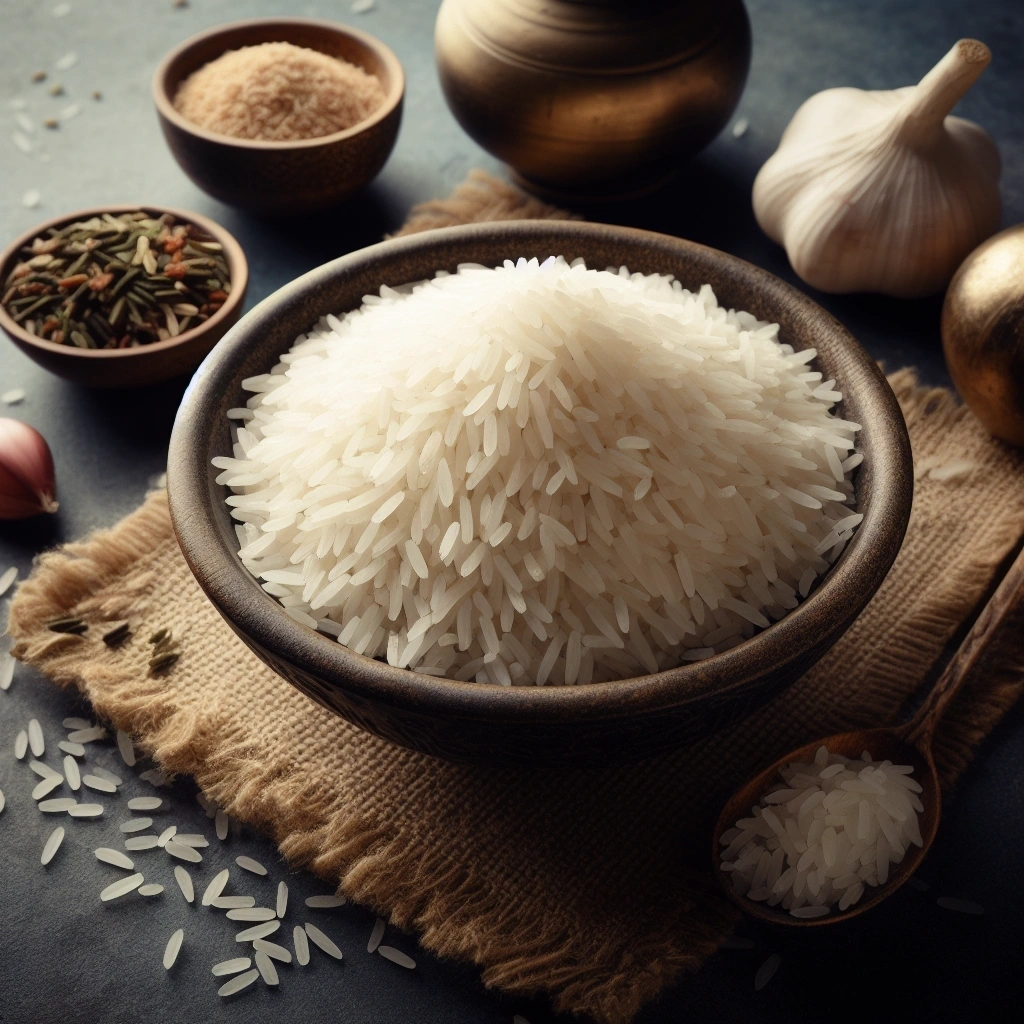
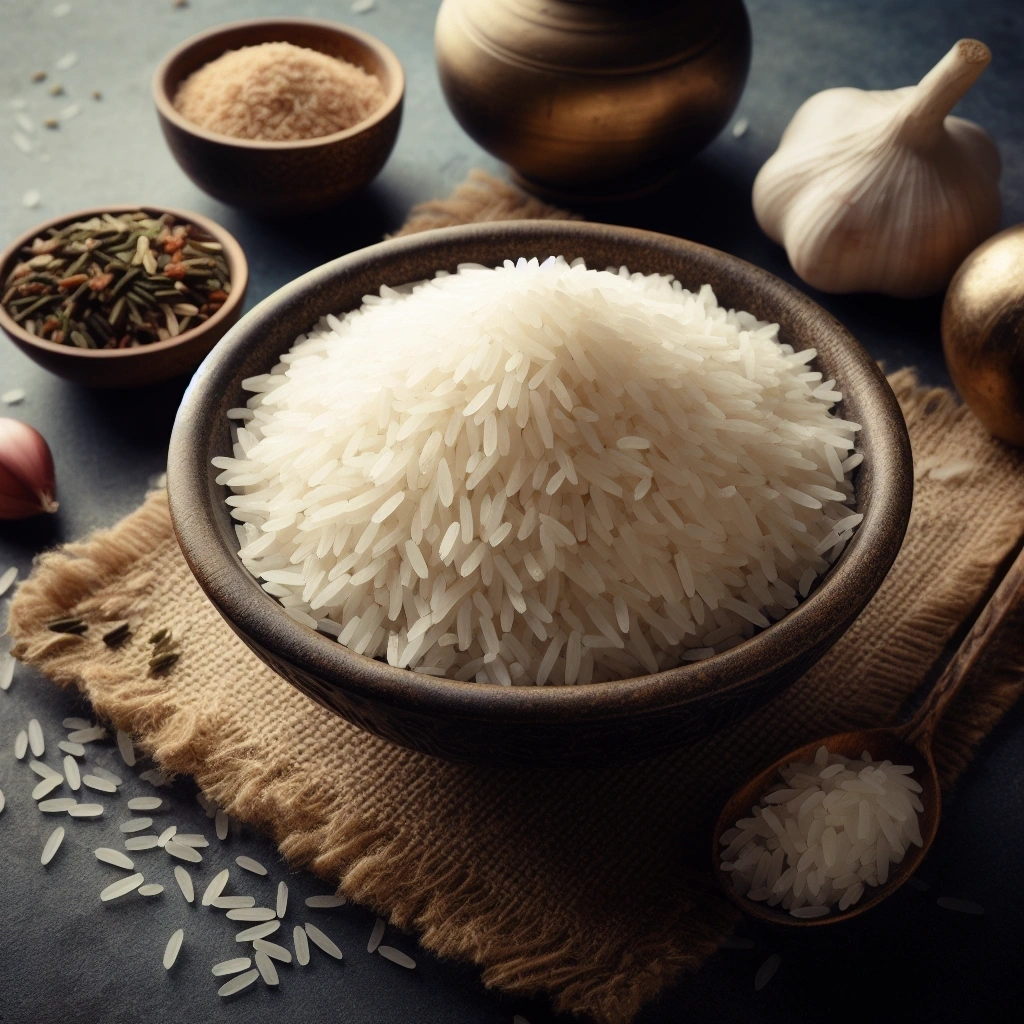
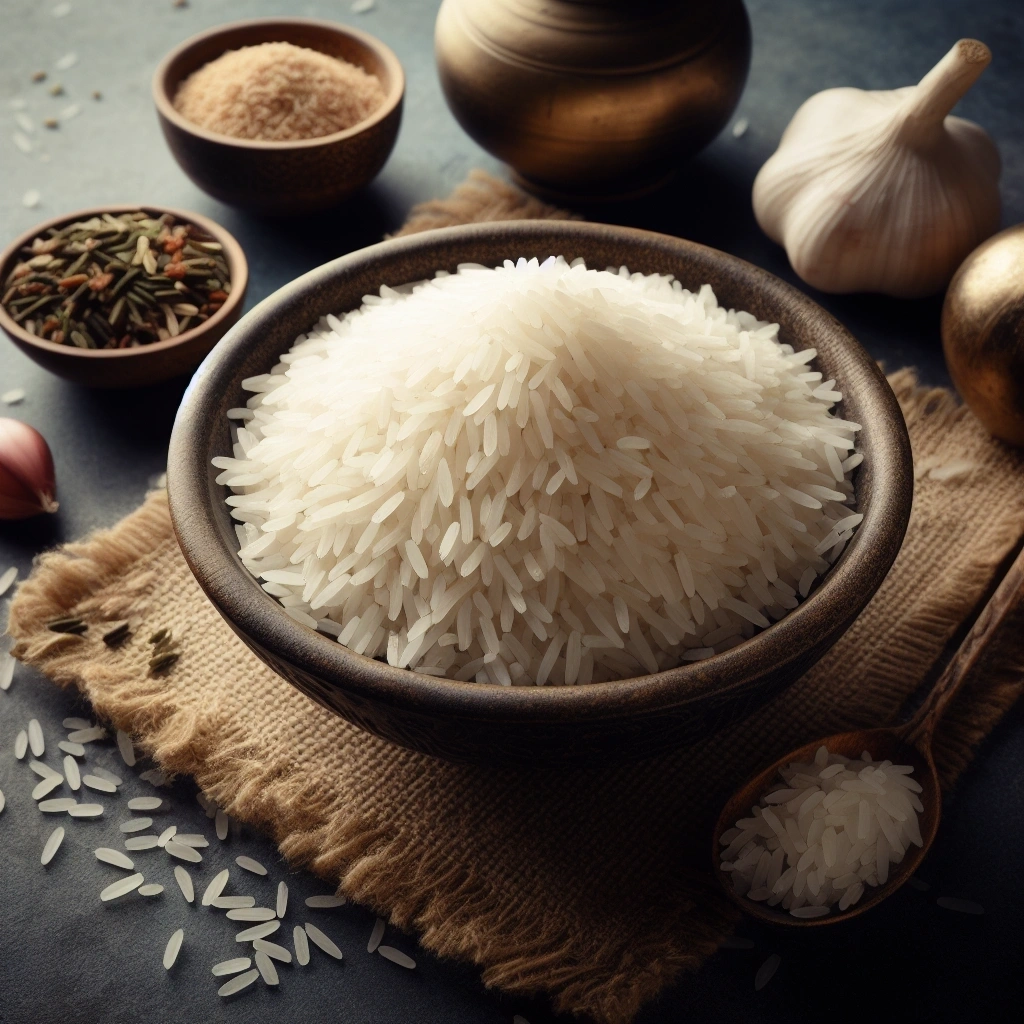
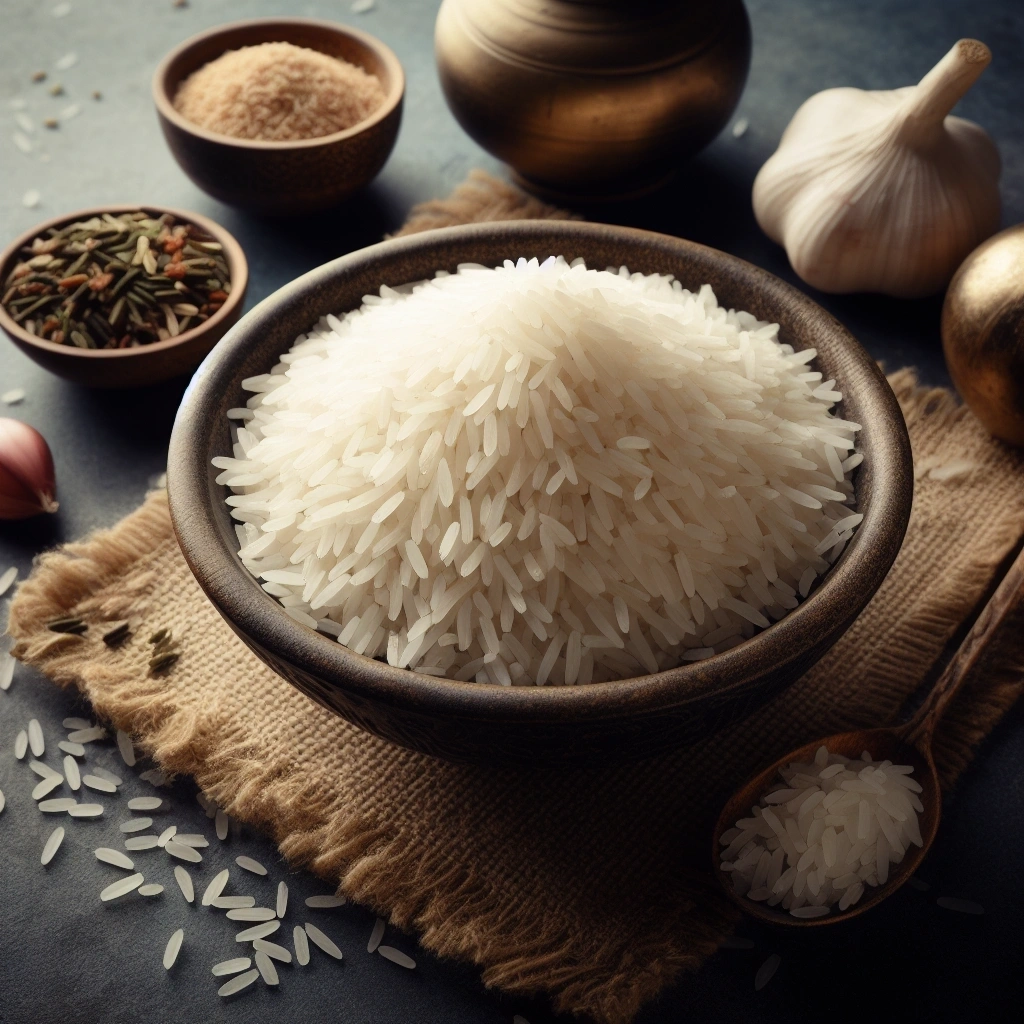
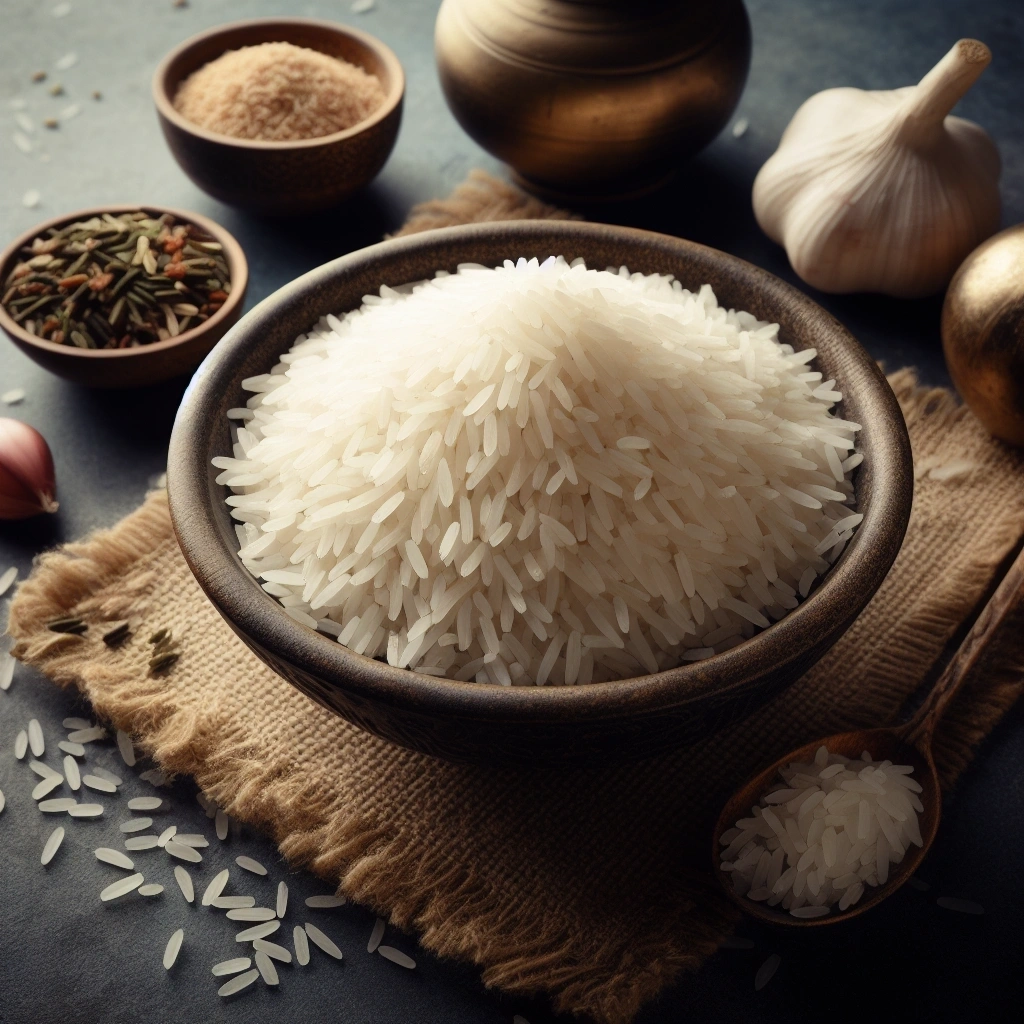
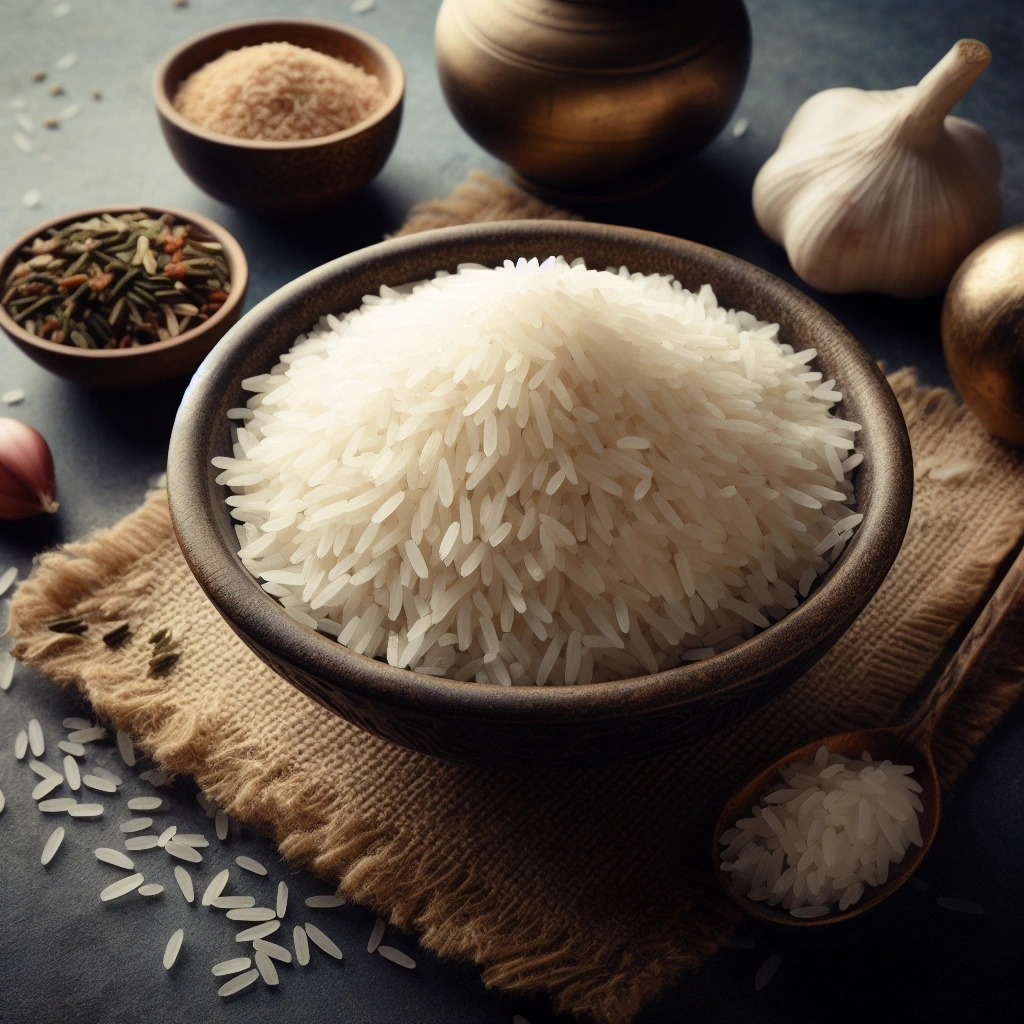
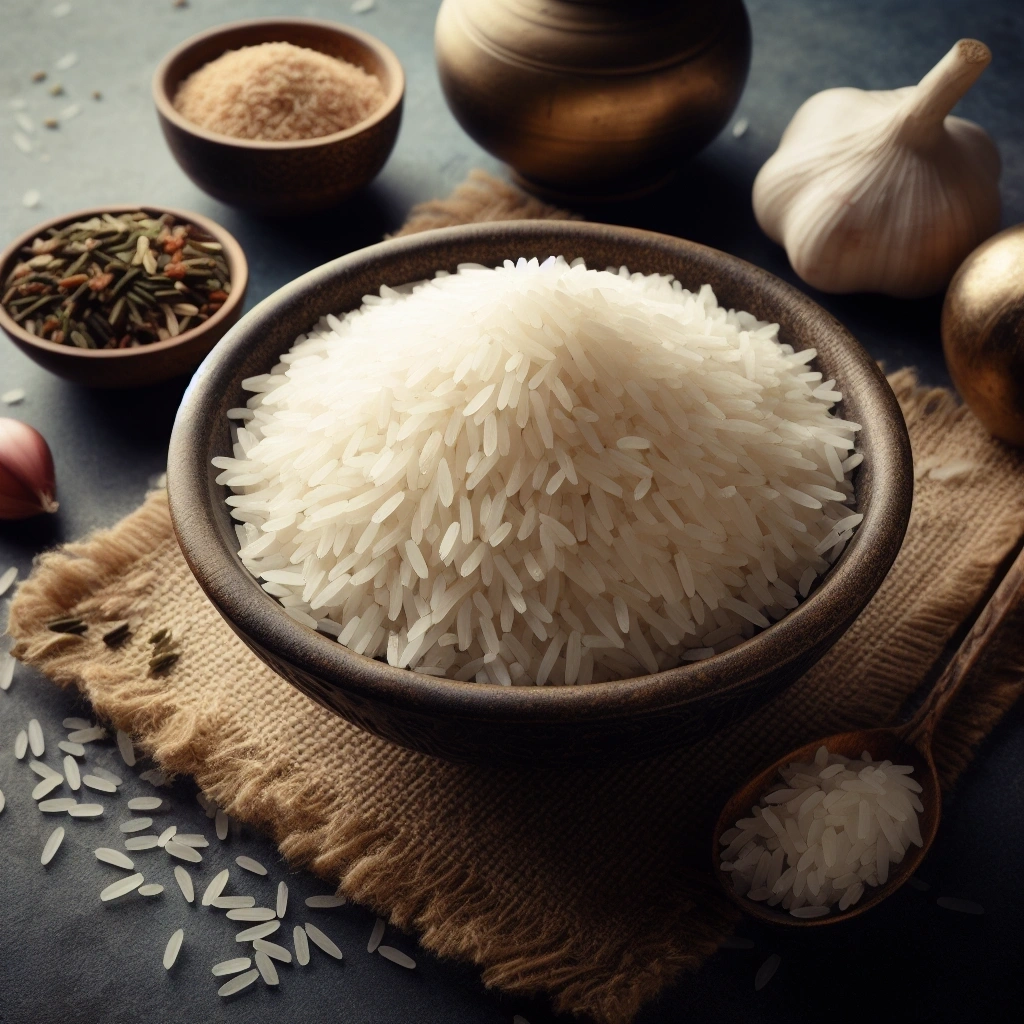
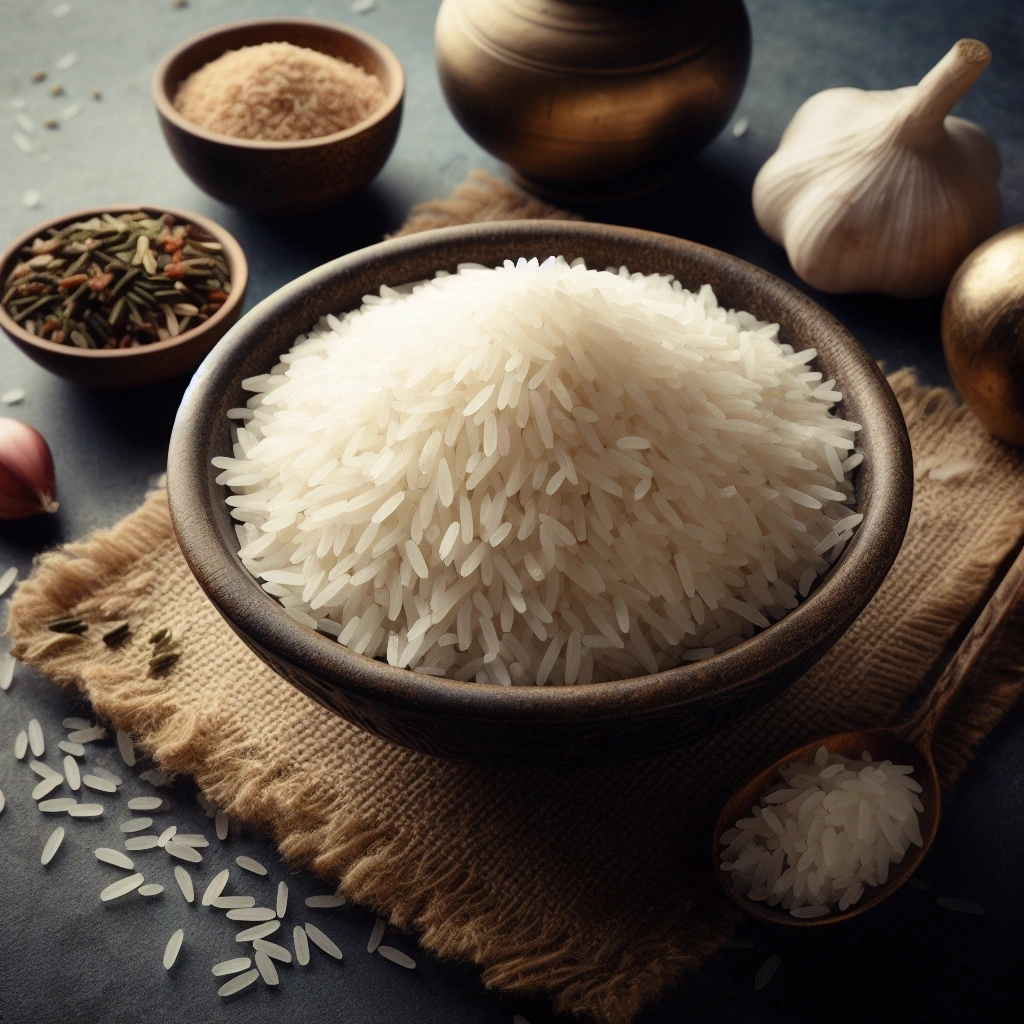
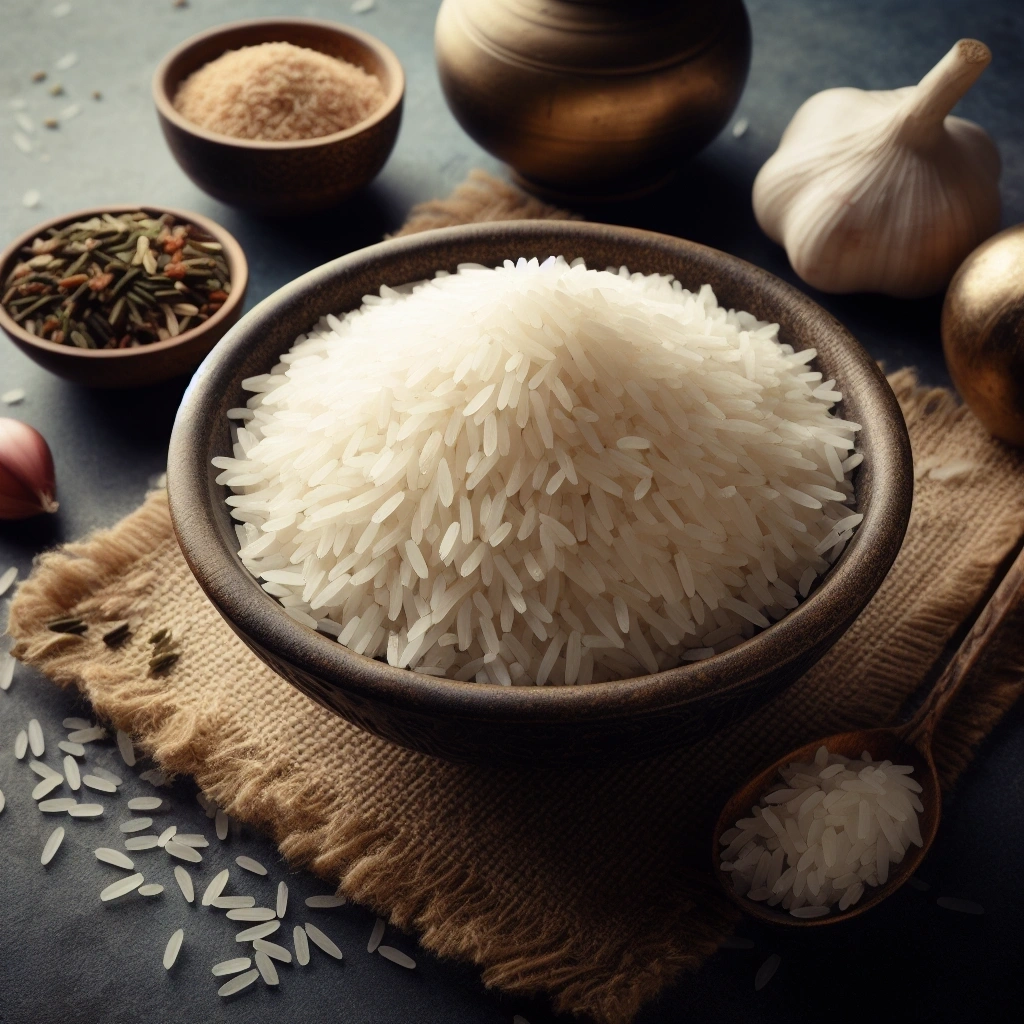
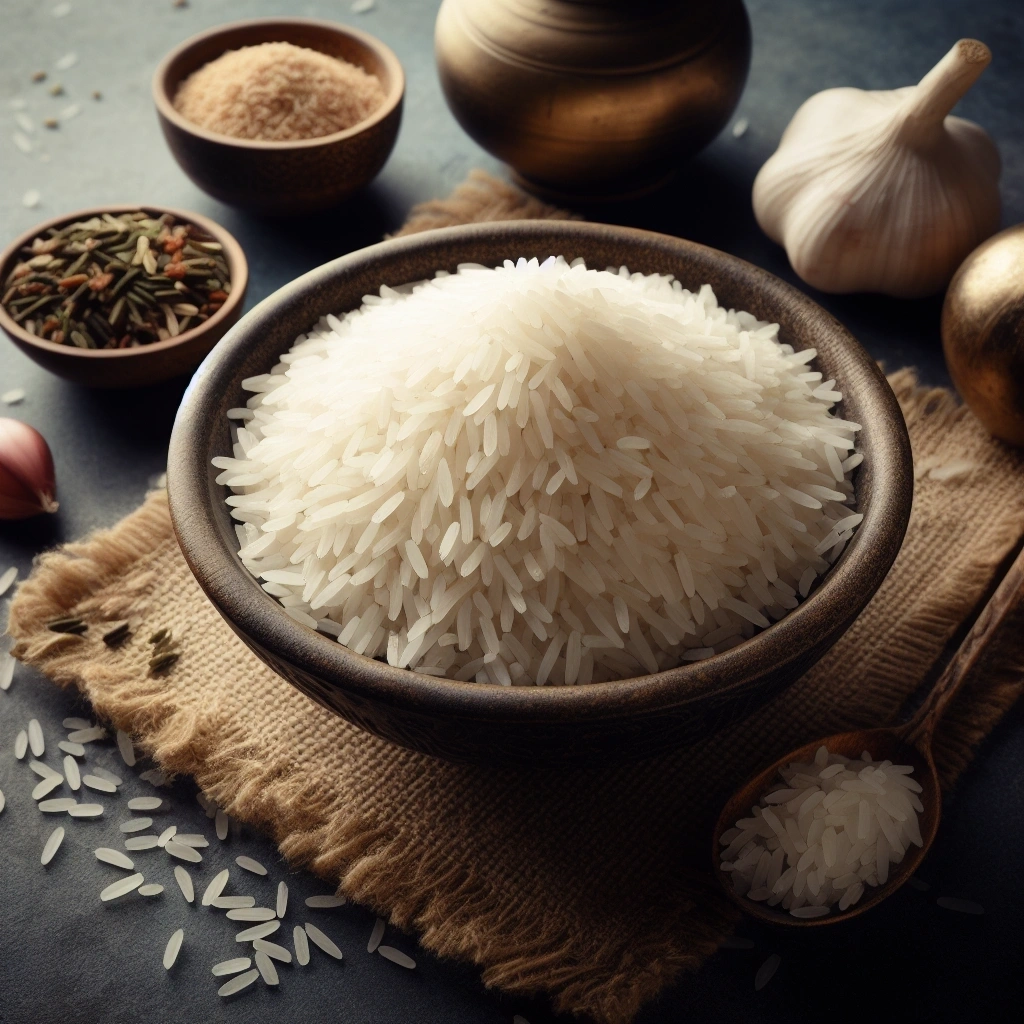
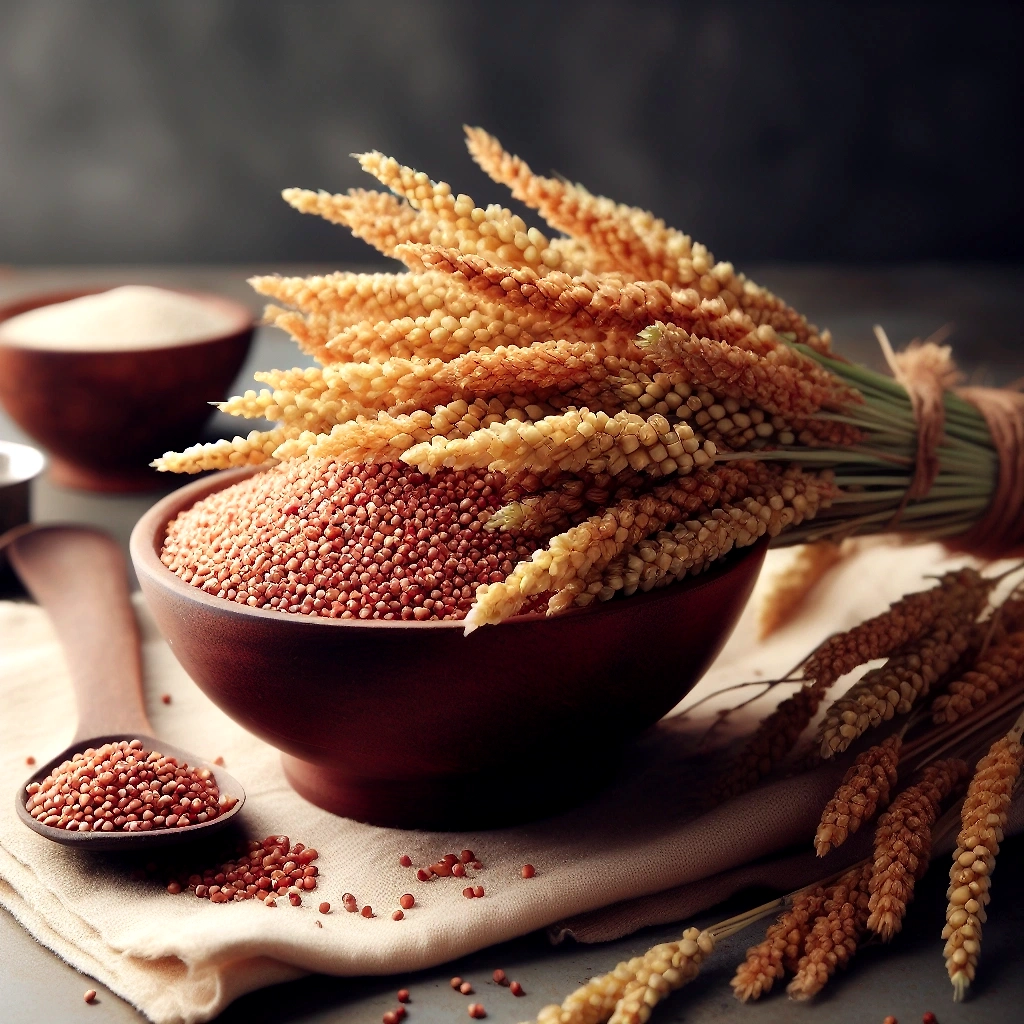
Millets are an ancient group of small-seeded grasses that serve as staple food in many cultures worldwide. Available in various types including pearl millet, finger millet, foxtail millet, proso millet, and little millet, these grains offer unique nutritional profiles and culinary versatility. Millets can be prepared in a multitude of ways ranging from porridge, flatbreads, rotis, and pancakes to serving as a rice substitute for pilafs. Rich in dietary fiber, vitamins, minerals, and antioxidants, millets are gluten-free, making them ideal for gluten-sensitive individuals. Moreover, their adaptability allows them to grow in diverse environments, contributing to food security in regions facing extreme weather conditions. Not only are millets beneficial for health due to their low glycemic index and high fiber content that supports digestion, but they also hold cultural significance, particularly in African and Asian traditions. Their low water requirements and resilience in harsh conditions underline their environmental sustainability, making millets an important food source for communities worldwide, fostering both nutrition and cultural heritage.
Key Features
| Features | Description |
|---|---|
| Varieties | Includes pearl millet (bajra), finger millet (ragi), foxtail millet, proso millet, and little millet. |
| Culinary Usage | Versatile grain used to prepare porridge, flatbreads, rotis, pancakes, soups, and pilafs. |
| Nutritional Value | Rich in fiber, B-complex vitamins, minerals (iron, calcium, magnesium), antioxidants, and essential amino acids. |
| Gluten-Free | Suitable for individuals with gluten sensitivities. |
| Adaptability | Thrives in diverse environments, including dry and semi-arid regions. |
| Health Benefits | Low glycemic index and high dietary fiber content support digestion and blood sugar management. |
| Cultural Significance | Integral part of traditional diets and cultural practices in many regions. |
| Environmental Sustainability | Low water requirements and resilience to harsh conditions. |
| Attributes | Description |
|---|---|
| Types of Millets | Pearl Millet, Finger Millet, Foxtail Millet, Proso Millet, Little Millet |
| Nutritional Content (per 100g) | Approx. 12g protein, 15g fiber, rich in iron and calcium |
| Calories | Approximately 378 calories per 100g |
| Gluten Status | Gluten-free |
| Growing Conditions | Grows in dry and semi-arid regions with low water supply |
| Harvest Time | Varies by millet type, generally between 90 to 180 days |
| Shelf Life | Can last 6-12 months when stored in a cool, dry place |
*Disclaimer: The above description has been AI-generated and has not been audited or verified for accuracy. It is recommended to verify product details independently before making any purchasing decisions.
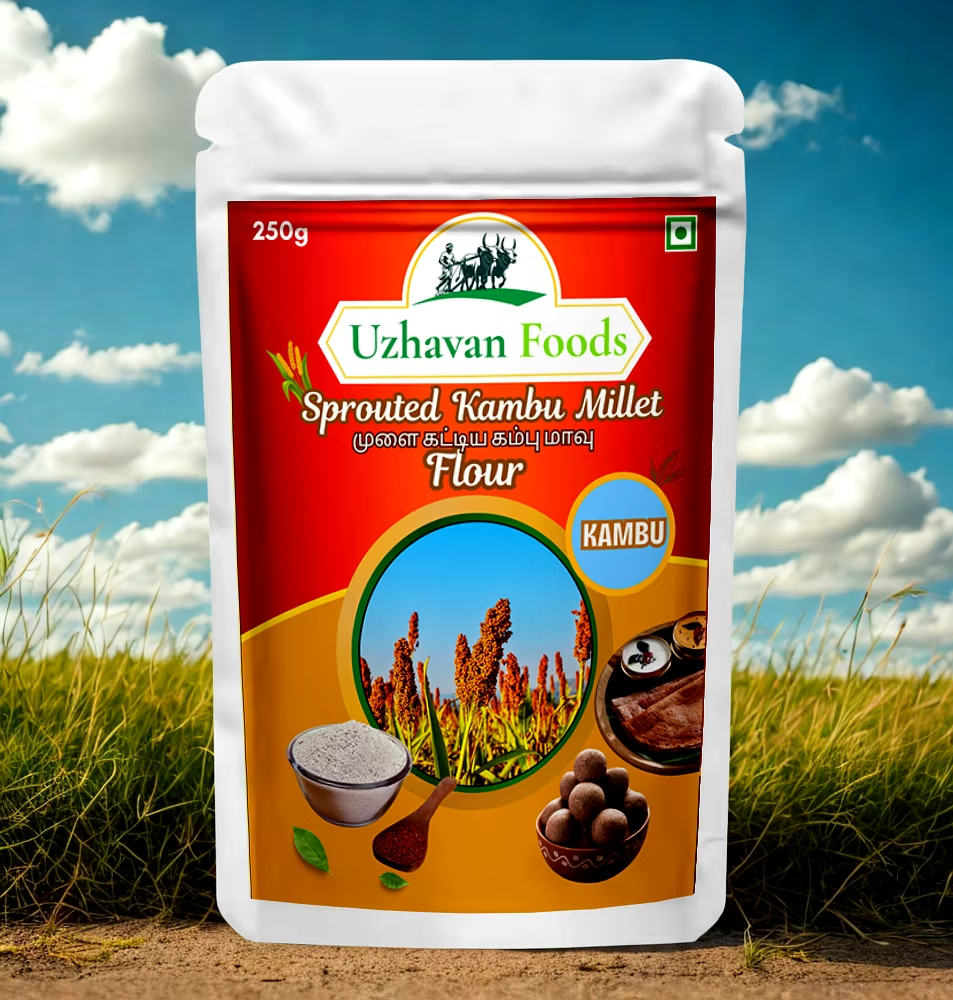
The primary varieties include pearl millet (bajra), finger millet (ragi), foxtail millet, proso millet, and little millet, each with unique nutritional properties.
Millets can be utilized in various dishes such as porridge, flatbreads, rotis, pancakes, and even as a rice substitute in pilafs.
Millets are high in dietary fiber, essential vitamins, and minerals, have a low glycemic index, and support digestive health, making them a beneficial addition to any diet.
Millets require significantly less water compared to other staple crops and are capable of growing in tough environments, contributing to environmental sustainability.
Yes, millets are gluten-free, making them an excellent grain option for individuals with gluten intolerance or celiac disease.
Brand: siegro
Country Of Origin: India
Millets by SIEGRO offers premium quality within the Cereals category. Known for its flavor-rich ingredient, this product is ideal for global food service, retail, and export distribution.