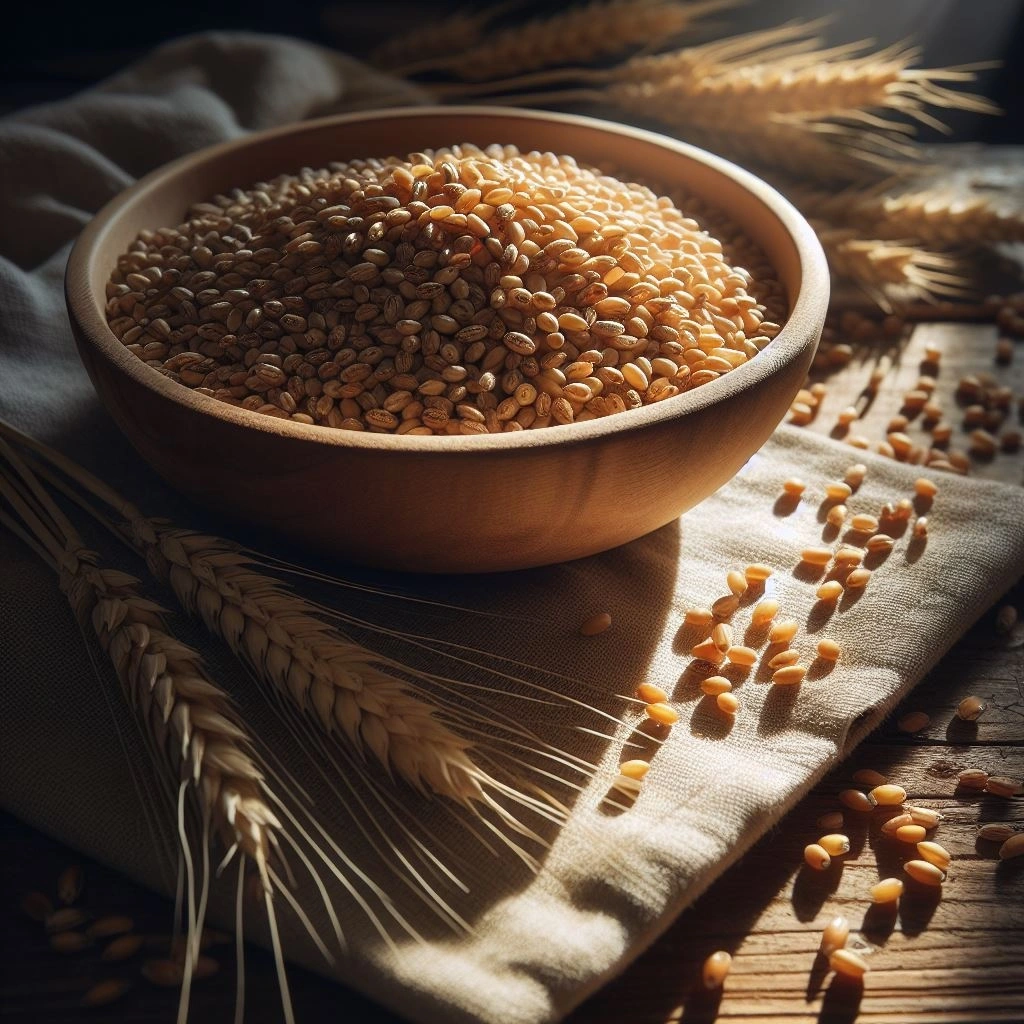
Milling wheat is a specialized cereal grain cultivated specifically for converting into flour, making it a vital ingredient in the food industry. Renowned for its high protein content and superior gluten strength, it is integral in producing high-quality flour suitable for various food products, especially bread, pasta, and baked goods. The milling process involves several meticulous steps—cleaning, conditioning, grinding, and sifting—ensuring a consistent and premium yield of flour. This product not only meets stringent grain quality standards set by regulatory bodies but also boasts distinct varieties that are tailored to diverse climatic conditions and applications in culinary settings. By choosing milling wheat, businesses ensure that their end-products maintain the necessary texture, elasticity, and flavor depth required in baking and food processing.
Key Features
| Features | Description |
|---|---|
| High Protein Content | Essential for dough structure and elasticity. |
| Strong Gluten Strength | Improves dough rising and texture. |
| Versatile Usage | Suitable for bread, pasta, biscuits, cakes, and pastries. |
| Quality Standards Compliance | Meets specific regulatory and quality standards. |
| Diverse Varietals | Adapted to various climatic conditions for better yield. |
| Milling Process Quality | Involves cleaning, conditioning, and grinding for fine flour. |
| Attributes | Description |
|---|---|
| Product Type | Milling Wheat |
| Protein Content | 12-15% |
| Moisture Content | Max 14% |
| Gluten Strength | Strong gluten network ideal for baking. |
| Application | Flour for bread, pasta, biscuits, cakes, pastries. |
| Grade | Classified as Hard or Soft based on protein and hardness. |
*Disclaimer: The above description has been AI-generated and has not been audited or verified for accuracy. It is recommended to verify product details independently before making any purchasing decisions.
Milling wheat is primarily used for producing flour for various food items such as bread, pasta, cakes, biscuits, and pastries.
Gluten strength is crucial for the dough's elasticity and rise, ultimately affecting the texture and quality of baked goods.
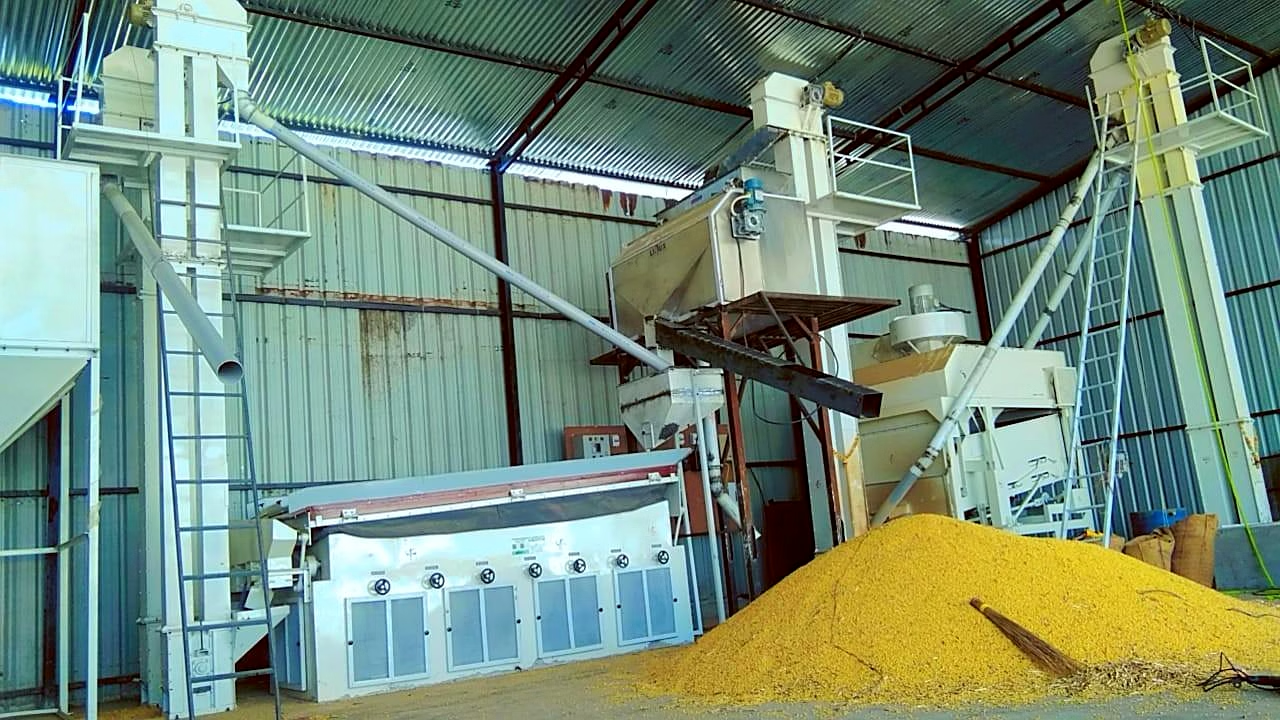
The processing of milling wheat involves harvesting, followed by cleaning, conditioning, grinding, and sifting to produce fine flour.
No, milling wheat contains gluten and is not suitable for gluten-free products.
Yes, milling wheat must meet specific quality standards set by regulatory bodies to ensure a consistent and reliable flour yield.
Brand: tathagat agro exports
Country Of Origin: India
Inclusive of all taxes
You Save: 0
Niphad , India
Manufacturer, Distributor, Exporter, Importer, Wholesaler
GST- 27alepr2675m1zh
Trust Mark