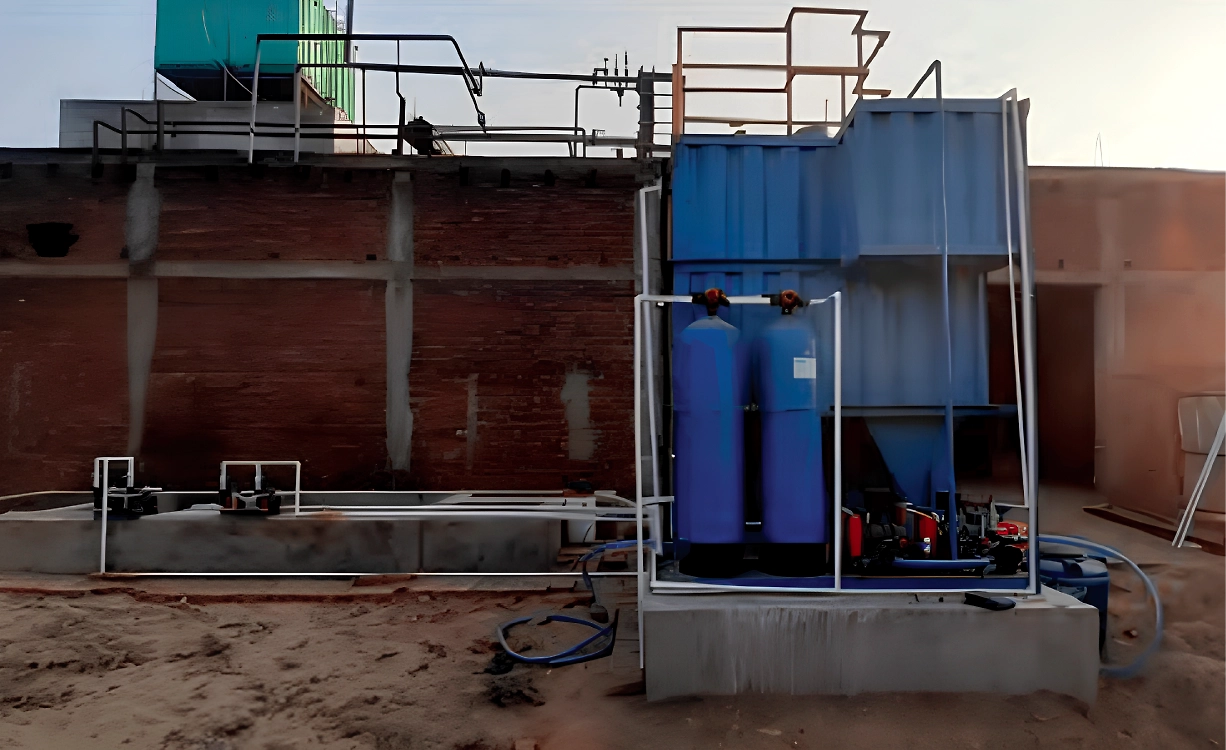
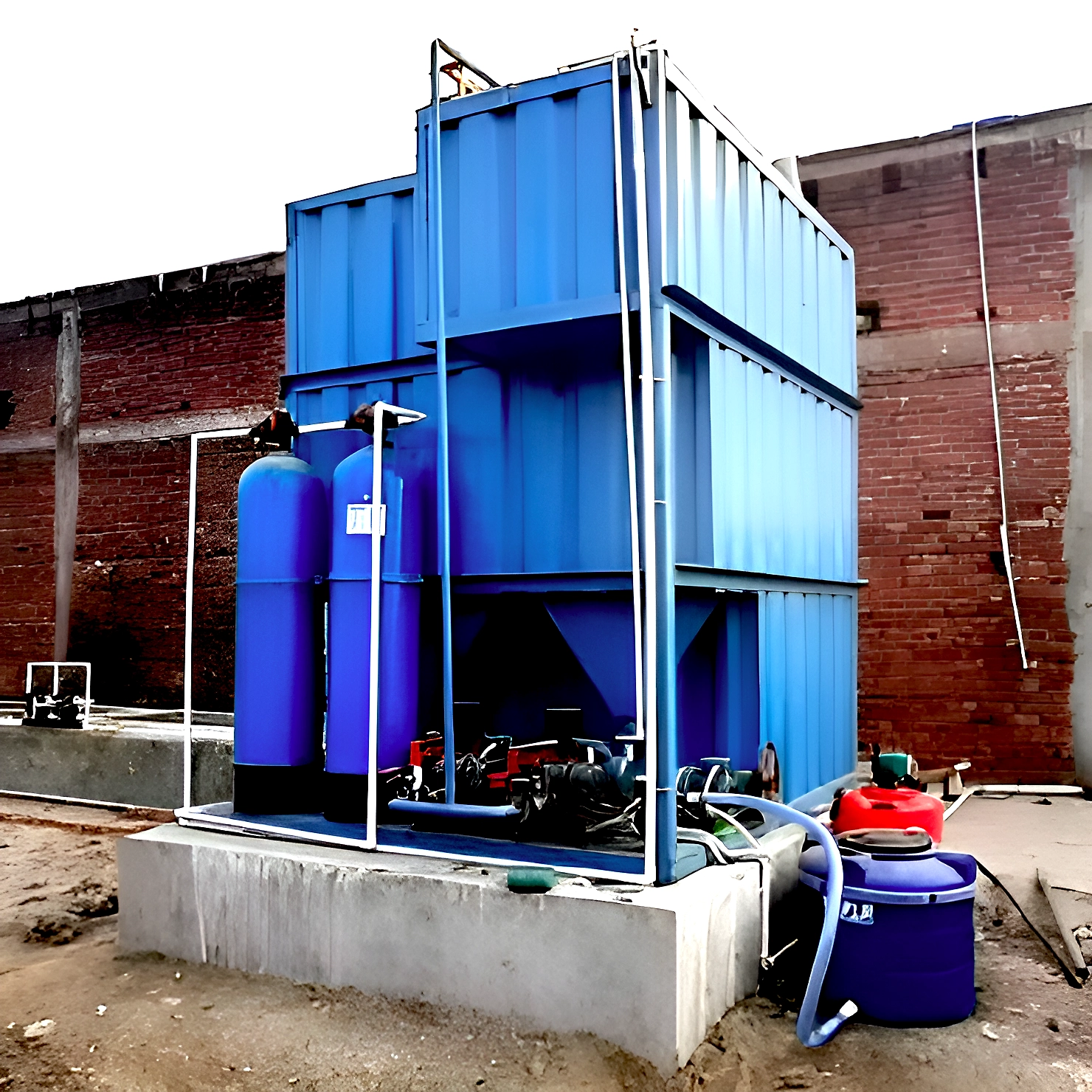
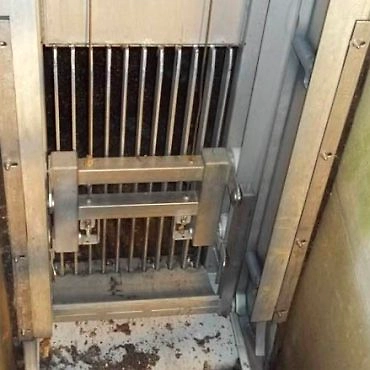
The Mechanical Bar Screen is a vital component for efficient wastewater treatment processes, designed to remove large solid impurities from effluent and sewage in a seamless manner. Operating primarily as the first stage of filtration, this equipment prevents larger debris, such as rags, plastic bottles, and sticks, from damaging downstream treatment systems. Built with various materials of construction (MOC) - Mild Steel (MS), Stainless Steel (SS), Fiberglass Reinforced Plastic (FRP), and Mild Steel Epoxy Painted (MSEP) - the bar screens are tailored to meet specific effluent requirements. With versatile porosity options ranging from 2 mm to 20 mm, they effectively adapt to varied wastewater compositions, ensuring optimal performance and longevity in diverse operational environments.
Key Features
| Features | Description |
|---|---|
| Purpose | Removes larger debris from wastewater to protect downstream equipment. |
| Material Options | Available in MS, SS, FRP, MSEP. |
| Porosity Range | Options from 2 mm to 20 mm for effective solids removal. |
| Rake Mechanism | Automatically cleans bars by raking collected debris. |
| Design | Bar grid structure for effective capture of large solids. |
| Attributes | Description |
|---|---|
| Functionality | Automatic coarse solid removal from wastewater. |
| Construction | Available in several materials to suit different environments. |
| Cleaning Mechanism | Incorporates a rake mechanism that operates automatically. |
| Solid Collection | Includes a hopper for easy disposal of solids. |
| Maintenance | Minimal due to automatic cleaning features. |
*Disclaimer: The above description has been AI-generated and has not been audited or verified for accuracy. It is recommended to verify product details independently before making any purchasing decisions.
The Mechanical Bar Screen can be made from Mild Steel (MS), Stainless Steel (SS), Fiberglass Reinforced Plastic (FRP), or Mild Steel Epoxy Painted (MSEP), depending on specific requirements.
The rake mechanism automatically travels along the bar grid to collect trapped debris, efficiently cleaning the bars and ensuring an uninterrupted flow of wastewater.
The hopper serves as a collection area to deposit removed solids for easy disposal, streamlining the maintenance process.
Porosity options range from 2 mm to 20 mm, allowing for customization based on the type of wastewater being processed.
By removing larger debris from the wastewater, the Mechanical Bar Screen prevents damage to pumps and other electro-mechanical equipment further along in the treatment process.
Brand: uy trienviro private limited
Country Of Origin: India
Bar screens are used in the primary treatment of effluent/sewage to segregate larger impurities from the wastewater. The main purpose is to remove larger debris from the effluent so that it doesn’t harm the electro-mechanical equipment in the plant. We can provide it in MOC such as MS, SS, FRP, MSEP depending upon the effluent and requirement. The porosity ranges from 2 mm to 20 mm.
Mechanical Bar Screen Automatic Coarse Screen Wastewater Treatment PlantA mechanical bar screen is a device used in wastewater treatment plants to remove large solid objects like rags, plastic bottles, and sticks from the water flow by passing it through a grid of vertical bars, with a mechanism that automatically cleans the bars by raking the debris collected between them, allowing the clean water to continue downstream while the captured solids are removed for disposal; essentially acting as the first stage of filtration in the treatment process.
Key points about mechanical bar screens:
Function:
To remove coarse solids from wastewater, preventing damage to downstream equipment.
Components:
. Bar grid: A series of vertical bars spaced apart with specific gaps to catch large debris.
. Rake mechanism: A rotating or reciprocating rake system that travels along the bars to collect and remove trapped debris.
. Hopper: A collection area where the removed solids are deposited.