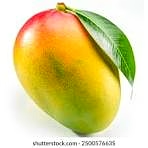
The mango (Mangifera indica) is a tropical stone fruit admired for its sweet, juicy, and vibrant flesh. This versatile fruit is celebrated worldwide, with hundreds of cultivars varying in size, shape, sweetness, and color. Known as the 'king of fruits', the mango is not only a culinary favorite but also holds cultural significance in several countries, being the national fruit of India, Pakistan, and the Philippines. Grown primarily in tropical and subtropical climates, mangoes are an essential agricultural product and a staple in many diets. Rich in vitamins A and C, as well as antioxidants, mangoes are not just delicious but also contribute to health and wellness. Widely used in beverages, desserts, and savory dishes, this fruit offers a myriad of culinary possibilities. For businesses, sourcing quality mangoes is crucial, whether for direct consumption, processing, or exportation. Leveraging the extensive value chain in the mango market can lead to substantial growth opportunities in various sectors.
Key Features
| Features | Description |
|---|---|
| Edibility | Delicious and sweet stone fruit, perfect for direct consumption, cooking, and beverages. |
| Nutritional Value | Rich in vitamins A, C, and antioxidants. |
| Cultivation | Cultivated in tropical and subtropical regions worldwide. |
| Culinary Uses | Ideal for desserts, salads, smoothies, and savory dishes. |
| Cultural Significance | National fruit of India, Pakistan, and the Philippines, emphasizing its importance in various cultures. |
| Attributes | Description |
|---|---|
| Scientific Name | Mangifera indica |
| Origin | Originated from regions of northwestern Myanmar, Bangladesh, and northeastern India. |
| Color Varieties | Possible colors include pale yellow, gold, green, and orange. |
| Cultivar Types | Includes Indian type and Southeast Asian type. |
| Health Benefits | Supports immune health and eye health due to rich vitamin content. |
*Disclaimer: The above description has been AI-generated and has not been audited or verified for accuracy. It is recommended to verify product details independently before making any purchasing decisions.
Mango is commonly used in desserts, smoothies, salads, salsas, and as a main ingredient in various savory dishes.
High-quality mangoes are primarily cultivated in tropical and subtropical regions, particularly in South and Southeast Asia.
Mangoes are high in vitamins A and C, which contribute to immune health and vision. They also contain antioxidants that support overall health.
Different mango cultivars vary in size, color, flavor profile, and sweetness, allowing for diverse culinary applications and consumer preferences.
Businesses can source mangoes directly from cultivators, wholesalers, or through B2B marketplaces specializing in tropical fruits to ensure quality and freshness.
Worldwide, there are several hundred cultivars of mango. Depending on the cultivar, mango fruit varies in size, shape, sweetness, skin color, and flesh color, which may be pale yellow, gold, green, or orange.[4] Mango is the national fruit of India, Pakistan and the Philippines,[5][6] while the mango tree is the national tree of Bangladesh.[7]
A mango is an edible stone fruit produced by the tropical tree Mangifera indica. It originated from the region between northwestern Myanmar, Bangladesh, and northeastern India.[1][2] M. indica has been cultivated in South and Southeast Asia since ancient times resulting in two types of modern mango cultivars: the "Indian type" and the "Southeast Asian type".[1][2] Other species in the genus Mangifera also produce edible fruits that are also called "mang