• Key Features & Attributes
  • Ratings & Reviews
  • Know your Supplier
  • Product description from supplier

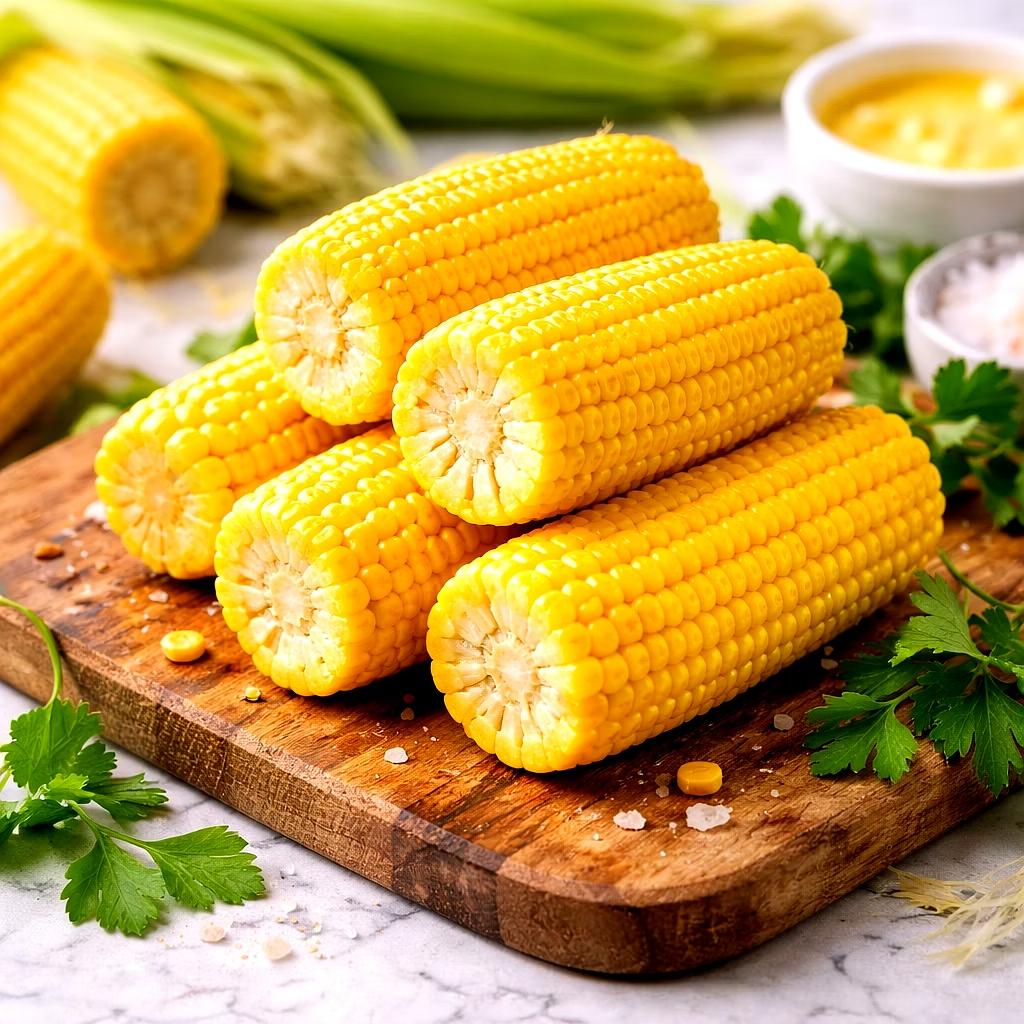
MAIZE

Inclusive of all taxes

Maize, also known as corn, is a versatile cereal grain extensively used across food, animal feed, and industrial sectors. It serves as a staple food product in the form of cornmeal, masa, grits, and various corn flours, essential in producing tortillas, tamales, breakfast cereals, and numerous snacks such as popcorn and corn chips. In the food processing industry, maize derivatives like corn syrup, high-fructose corn syrup, liquid glucose, dextrose, maltodextrin, and maize starch play key roles as sweeteners, thickeners, texture enhancers, and emulsifiers. Corn oil, extracted from maize germ, is a refined edible oil widely used in cooking and food preparations. In animal nutrition, maize kernels, bran, corn gluten meal, and corn oil cake provide high-energy, highly digestible feed components that enhance livestock growth, milk production, and overall health. Industrial applications harness maize starch for biodegradable bioplastics (e.g. polylactic acid), ethanol biofuel production, paper strengthening and adhesives, textile fabric sizing, pharmaceutical excipients, and in producing dextrins for adhesives. Additionally, maize products are found in cosmetics, personal care items, inks, fireworks, and cleaning agents. Maize processing includes dry milling to obtain bran, germ, and flour components; wet milling to extract starch, sweeteners, oil, and gluten meal; and nixtamalization to enhance food nutrition and quality by alkali treatment. This comprehensive utilization of maize underscores its vital economic and functional importance across global food security, animal husbandry, and multiple industrial manufacturing sectors.

Key Features

Features Description
Staple Food Forms Cornmeal, masa, grits, corn flours used in tortillas, tamales, breakfast cereals, and snacks
Sweeteners Derived Corn syrup, high-fructose corn syrup, liquid glucose, dextrose, maltodextrin for food processing
Maize Starch Uses Thickening agent, texture enhancer, emulsifier in food and bakery products
Edible Oil Corn oil used in cooking and food preparations
Animal Feed Components Whole kernels, maize bran, corn gluten meal (60-65% protein), corn oil cake
Industrial Applications Bioplastics, ethanol biofuel, paper industry sizing and adhesives, textile sizing
Pharmaceutical Industry Uses Filler, binder, disintegrant in tablets and capsules, dusting medium for coatings
Processing Methods Dry milling, wet milling, nixtamalization for diverse product extraction
Other Applications Cosmetics, personal care products, inks, fireworks, wood and silver cleaning agents
Attributes Description
Maize Type Cereal Grain (Zea mays)
Common Names Corn
Protein Content in Corn Gluten Meal 60-65%
Processing Techniques Dry milling, wet milling, nixtamalization
Maize Starch Applications Food thickener, industrial adhesive, pharmaceutical excipient
Maize Oil Use Refined cooking oil, salad dressings
Animal Feed Usage Livestock, poultry, aquaculture nutrition
Industrial Byproducts Corn gluten meal, corn oil cake, dextrins
Environmental Contributions Source material for biodegradable bioplastics and renewable ethanol fuel

*Disclaimer: The above description has been AI-generated and has not been audited or verified for accuracy. It is recommended to verify product details independently before making any purchasing decisions.

Be the first to write a review

Dry milling of maize separates the grain into bran, germ, and endosperm components producing products like cornmeal, various types of corn flours, and grits primarily used in food applications.

Wet milling chemically separates maize components to extract starch, sweeteners such as glucose and dextrose, corn oil, and corn gluten meal, enabling the production of industrial and food-grade derivatives.

Corn gluten meal contains a high protein concentration (60-65%), providing digestible protein that supports growth, muscle development, and overall health in livestock and poultry.

Maize starch is widely used in the production of biodegradable bioplastics, as a sizing agent in the paper and textile industries, as an adhesive component, and as a pharmaceutical excipient.

Nixtamalization involves alkali treatment that improves the nutritional profile and processing qualities of maize, producing masa for tortillas and tamales with enhanced flavor and bioavailability of nutrients.

Yes, maize starch is a key raw material in producing biodegradable plastics like PLA, and maize ethanol serves as renewable biofuel, both supporting sustainable industrial practices.

  • Incorporation Type

  • GST

  • GST Registration Date

  • Number of Employees

  • Import Export Code (IEC)

  • Year of Establishment

  • Nature of Business

  • GlobalLinker Member Since

Country Of Origin: India

Maize, commonly known as corn, is a globally significant cereal grain renowned for its versatility and widespread applications across various industries. It is a staple food for human consumption, a primary ingredient in animal feed, and a crucial raw material for numerous industrial products.

Key Product Applications:


1. Food and Beverage Industry:

Maize is a cornerstone of the food industry, appearing in countless forms:


Staple Foods: Cornmeal, masa (for tortillas and tamales), grits, and various flours.


Sweeteners: Corn syrup, high-fructose corn syrup, liquid glucose, dextrose (monohydrate and anhydrous), and maltodextrin are widely used in confectionery, beverages, baked goods, and processed foods as sweeteners, thickeners, and texture enhancers.


Starches: Maize starch (cornstarch) is a popular thickening agent for sauces, gravies, puddings, and pie fillings. It's also used in bakery products to improve texture and tenderness, as a coating for fried foods, and as an emulsifier in dairy products.


Oils: Corn oil is a refined edible oil used for cooking, salad dressings, and in various food preparations.


Breakfast Cereals: Corn flakes and other puffed or extruded corn products are common breakfast items.


Snacks: Popcorn, corn chips, and other corn-based snacks.


Alcoholic Beverages: Maize is a key ingredient in the production of alcoholic beverages like bourbon.


2. Animal Feed Industry:

Maize is a primary component of animal feed due to its high energy content, digestibility, and palatability.


Whole Grains/Kernels: Fed directly to livestock, poultry, and aquaculture.


Maize Bran/Co-feed: A high-quality, nutritious feed made from the outer layer of the maize kernel, providing protein, energy, and fiber. It's highly digestible and contributes to improved growth rates, milk production, and overall animal health.


Corn Gluten Meal: A byproduct of the wet milling process, rich in protein (often 60-65%), used as a high-value protein source in poultry, swine, aquaculture, and cattle feed. It enhances digestibility and supports muscle development and growth.


Corn Oil Cake: The residue after expelling oil from maize germ, used as a protein and fat source in cattle feed.


3. Industrial Applications:

Beyond food and feed, maize plays a significant role in various industrial sectors:


Bioplastics: Maize starch is a key raw material for producing biodegradable bioplastics like PLA (polylactic acid), used in disposable items such as packaging, cups, and bags, contributing to sustainable solutions.


Ethanol Production: Maize is a major feedstock for the production of ethanol, a renewable biofuel alternative.


Paper Industry: Maize starch is used as a sizing agent to enhance paper strength and improve printing properties. It also acts as an adhesive in corrugated box manufacturing.


Textile Industry: Used as a sizing agent to provide stiffness and weight to fabrics, and for material sizing to increase warp yarn strength.


Pharmaceutical Industry: Maize starch acts as a filler, diluent, binder, and disintegrant in tablets and capsules, aiding in drug release and absorption. It's also used as a dusting medium for coatings.


Adhesives: Dextrins derived from maize starch are used in various adhesive applications.


Other: Maize components are found in cosmetics, personal care products (like dry shampoo), inks, fireworks, and even as a cleaning agent for wooden furniture and silver polish.


Processing Methods:

Maize undergoes various processing methods to yield its diverse products, including:


Dry Milling: Separates the grain into its anatomical features like bran, germ, and endosperm, producing products like cornmeal and flours.


Wet Milling: A more complex process that chemically separates compounds like starch and protein, leading to products such as starch, sweeteners (glucose, dextrose, syrups), corn oil, and corn gluten meal.


Nixtamalization: An alkali treatment process where maize is cooked with lime water, commonly used for making masa for tortillas, which also enhances nutritional availability.


In summary, maize is a highly versatile and economically important crop, yielding a vast array of products that are integral to global food security, animal nutrition, and a wide range of industrial applications, demonstrating its indispensable role in modern economies 


Food And Beverage

Fresh And Frozen Vegetables

Corn

Maize Grain Bulk

Corn For Animal Feed

Maize Starch Supplier

Corn Gluten Meal Wholesale

Corn Oil Bulk Supply

Industrial Maize Products

Bioplastic Raw Material Maize

Ethanol Production Maize

Food Grade Maize

Maize Derivatives

MAIZE

Inclusive of all taxes

You Save: 0

Send Inquiry
pj agrawal

Kannad , India

Wholesaler, Startup

  • Secure
    Transaction

  • Free
    Delivery

  • Day
    Dispatch

Report a problem with this product