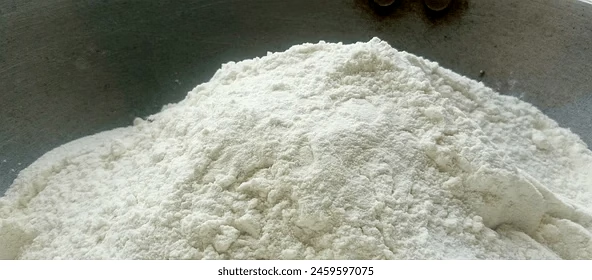
Maida, commonly known as refined flour or all-purpose flour, is a finely milled, white flour derived from the starchy endosperm of wheat grains with the bran and germ removed. This meticulous refining process results in a soft, smooth-textured flour that is highly versatile for industrial and culinary uses such as in the production of naan, pastries, pasta, and an assortment of snack foods. Maida’s fine grain and neutral flavor profile make it ideal for baking applications requiring a tender crumb and delicate texture. Despite its widespread use in food manufacturing, maida contains significantly reduced fiber, vitamins, and minerals compared to whole wheat flour (atta), due to the removal of bran and germ. This refined nature allows for longer shelf life and consistent quality in baked goods but renders it less nutritious. Moreover, regular consumption of maida can contribute to rapid spikes in blood sugar levels and may cause digestive discomfort, necessitating responsible usage in food production. In B2B contexts, maida is highly preferred by bakeries, food processing units, and snack manufacturers seeking a reliable, standardized refined flour with consistent physical and chemical properties, ensuring quality and performance across various culinary and industrial applications.
Key Features
| Features | Description |
|---|---|
| Type of Flour | Refined wheat flour (Maida) |
| Texture | Finely milled, soft and smooth |
| Processing | Bran and germ removed, starchy endosperm retained |
| Color | Bright white |
| Common Uses | Naan, pastries, pasta, snacks, bakery products |
| Nutritional Profile | Low fiber, vitamins and mineral content due to refinement |
| Shelf Life | Extended due to removal of bran and germ |
| Consistent Performance | Uniform quality suitable for industrial food processing |
| Other Name | All-purpose flour |
| Health Considerations | May cause blood sugar spikes and digestive issues with frequent consumption |
| Attributes | Description |
|---|---|
| Wheat Origin | High gluten wheat suitable for refining |
| Moisture Content | As per industry standards (usually below 14%) |
| Ash Content | Low, indicating minimal bran content |
| Protein Content | Typically 8-11%, suitable for soft dough products |
| Particle Size | Fine milling with uniform granularity |
| Packaging Options | Bulk bags, customized industrial packaging available |
| Storage Conditions | Cool, dry place away from direct sunlight |
| Shelf Life | 6-12 months under optimal storage |
| Compliance | Food safety standards (e.g., FSSAI, ISO certified suppliers available) |
*Disclaimer: The above description has been AI-generated and has not been audited or verified for accuracy. It is recommended to verify product details independently before making any purchasing decisions.
Maida is finely milled and free from bran and germ, resulting in a soft, tender texture in baked goods like pastries and naan. Unlike whole wheat flour, it produces lighter and fluffier products but lacks fiber and nutrients.
Yes, maida's consistent particle size and texture make it ideal for manufacturing snacks such as biscuits, namkeen, and pasta where uniform dough performance is critical.
Maida should be stored in a cool, dry environment away from moisture and direct sunlight, maintaining airtight conditions to avoid contamination and preserve shelf life of 6-12 months.
Yes, suppliers often provide maida with tailored protein levels (generally between 8-11%) to meet specific requirements such as bakery softness or pasta firmness.
Yes, removal of bran and germ during refinement reduces oil content, consequently extending maida's shelf life compared to whole wheat flour which has more natural oils prone to spoilage.
Country Of Origin: India
Inclusive of all taxes
You Save: 0
Jaipur , India
Service Provider , Contractor, Brand Owner, Distributor, Exporter, Wholesaler, Women Entrepreneur, Startup