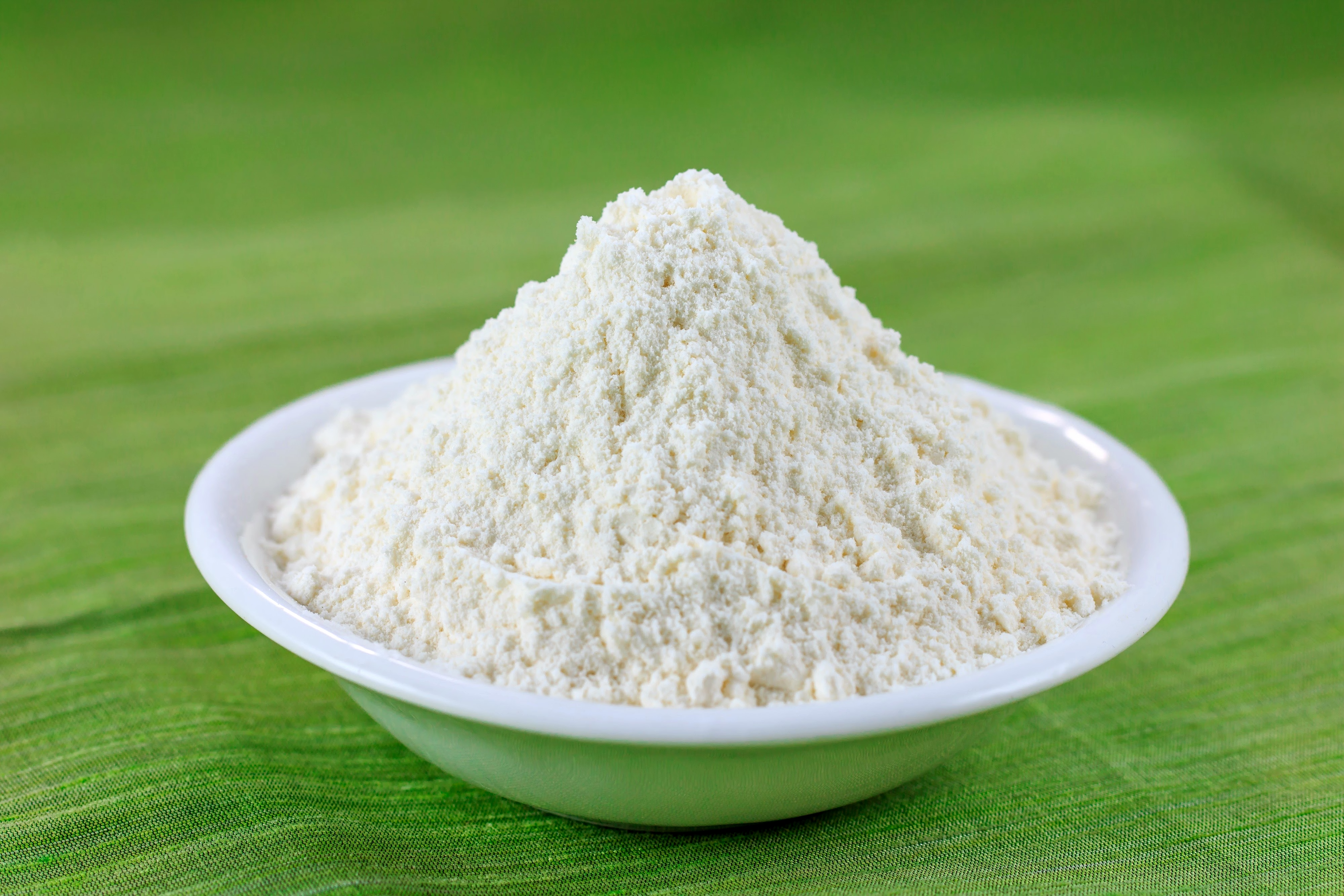
Maida Flour is a highly refined, finely milled white wheat flour originating from the Indian subcontinent. It is produced by removing the bran and germ from the wheat kernel, extracting only the starchy endosperm, which results in a ultra-soft and powdery texture with a bright white appearance. Maida is similar to all-purpose or cake flour but generally has a slightly lower protein and gluten content, making it ideal for producing soft, light, and fluffy baked goods and flatbreads. It is extensively used in South Asian baking and cooking for preparing delicacies such as naan, kulcha, bhatura, parathas, cakes, pastries, samosas, jalebi, and many other sweets and fried snacks. While Maida flour provides excellent texture and baking qualities, it is comparatively low in fiber, vitamins, and minerals due to the removal of bran and germ during processing. It is a staple ingredient for commercial bakeries, food manufacturers, and restaurants specializing in South Asian cuisine requiring a versatile white flour with consistent fine quality and refined texture.
Key Features
| Features | Description |
|---|---|
| Flour Type | Highly refined white wheat flour |
| Texture | Fine, soft, powdery |
| Wheat Component Used | Endosperm only (bran and germ removed) |
| Protein Content | Lower gluten compared to standard all-purpose flour |
| Color | Bright white (often bleached) |
| Culinary Uses | Ideal for making naan, paratha, cakes, pastries, samosas, and fried snacks |
| Nutritional Aspect | Lower in fiber, vitamins, minerals compared to whole wheat flour |
| Origin | Indian subcontinent |
| Suitability | Best for soft, fluffy texture in baked goods and flatbreads |
| Attributes | Description |
|---|---|
| Flour Type | Refined Wheat Flour |
| Milling Process | Bran and germ removed; endosperm finely milled |
| Protein/Gluten Content | Moderate, suitable for light texture baking |
| Color | White, bleached or naturally bleached |
| Particle Size | Fine powder |
| Origin | India/South Asia |
| Packaging Options | Bulk bags, retail packs as per requirement |
| Storage Recommendations | Store in cool, dry place to avoid moisture and contamination |
| Common Uses | Breads (naan, kulcha), pastries, cakes, savory snacks |
| Shelf Life | Typically 6-12 months when stored properly |
*Disclaimer: The above description has been AI-generated and has not been audited or verified for accuracy. It is recommended to verify product details independently before making any purchasing decisions.
Maida flour is a highly refined white wheat flour from the Indian subcontinent with bran and germ removed, resulting in a finer texture and often lower gluten content compared to standard all-purpose flour.
Yes, Maida is ideal for soft leavened breads such as naan and kulcha, as it produces a fluffy, light texture, although it may have slightly less gluten strength than whole wheat flour.
Maida flour typically comes in bulk bags suitable for commercial bakeries and food manufacturers, with options for customized packaging sizes upon request.
Yes, to maintain quality and shelf life of 6-12 months, Maida flour should be stored in a cool, dry environment away from moisture and contaminants.
Absolutely, Maida flour is widely used in South Asian cuisine for preparing crispy and light deep-fried items such as samosas and jalebi.
Country Of Origin: India
Maida is a highly refined white wheat flour from the Indian subcontinent, similar to all-purpose or cake flour. It is made from the wheat kernel's starchy endosperm (with the bran and germ removed), resulting in a fine, soft texture. It is a key ingredient for making naan, paratha, pastries, cakes, and other baked goods.
Maida flour is a type of finely milled and super-refined wheat flour, originating from the Indian subcontinent. It is similar to white flour or sometimes referred to as all-purpose flour (though it often has a lower protein/gluten content than standard all-purpose flour).
Here are the key characteristics and uses of Maida:
Key Characteristics
Highly Refined: It is made from the endosperm of the wheat grain, and the bran and germ are removed during milling.
Texture: It has a very fine, soft, and powdery texture.
Appearance: It is typically white, as it is often bleached (either naturally or chemically) after milling.
Gluten: It contains gluten, but the heat generated during the milling process can sometimes denature the protein, making it less ideal for certain types of highly leavened bread compared to whole wheat flour (atta).
Common Culinary Uses
Maida is used extensively in South Asian cuisine for its ability to create a soft, light, and fluffy texture in baked and fried goods. It is a key ingredient for:
Flatbreads: Naan, Kulcha, Bhatura, and some Parathas.
Bakery Items: Cakes, pastries, biscuits, and cookies.
Snacks/Sweets: Samosas, Jalebi, and many other deep-fried sweets and savory items.
Nutritional Note
Because the bran and germ (the most nutrient-rich parts of the wheat grain) are removed, Maida is lower in fiber, vitamins, and minerals compared to whole wheat flour (atta). It is primarily a simple carbohydrate (starch).