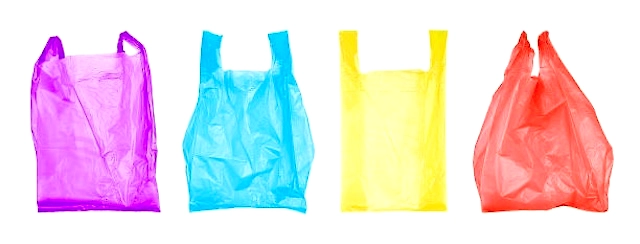
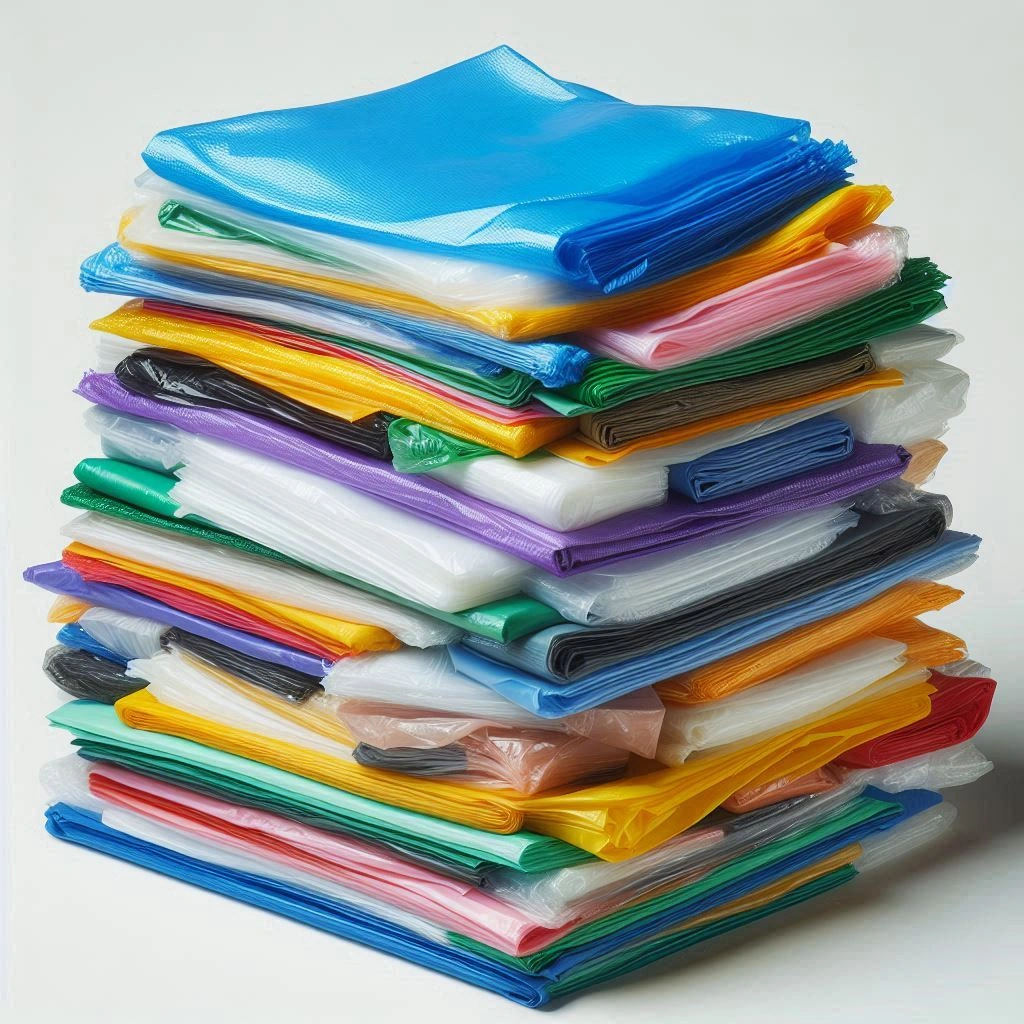
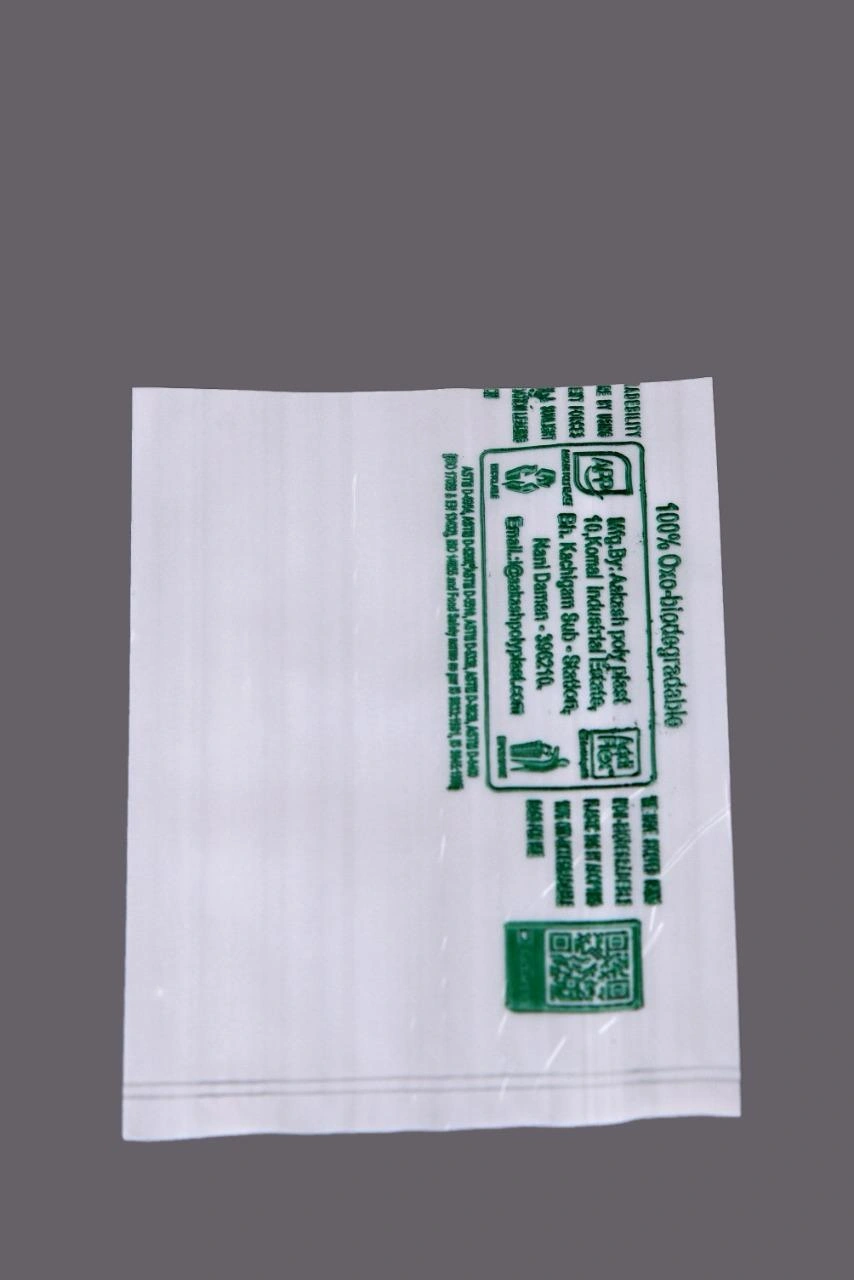
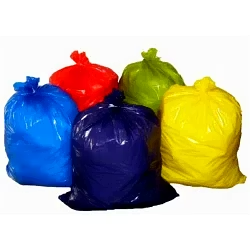
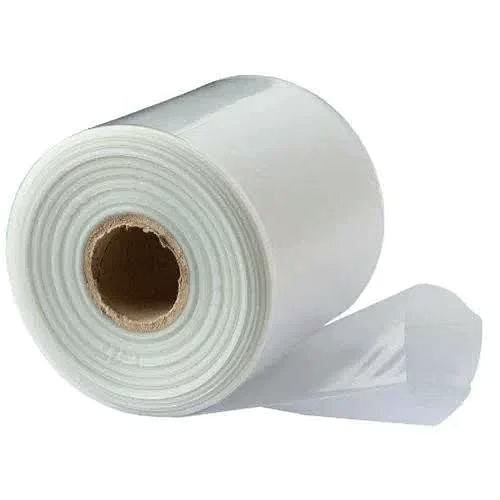
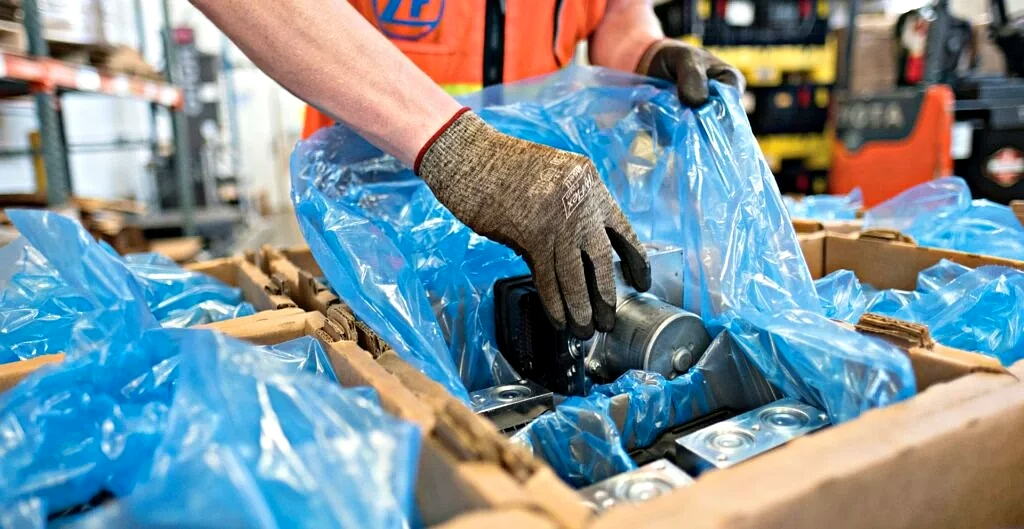
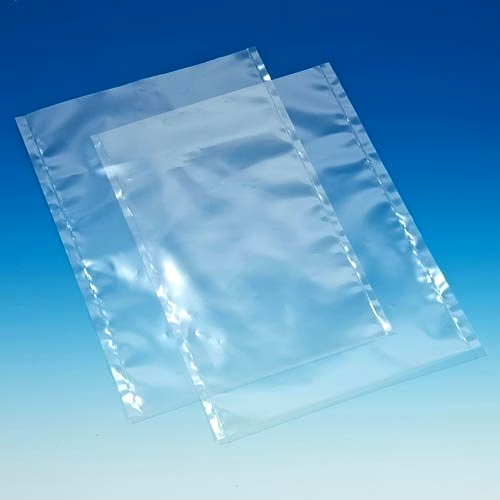
Ultra Flex LDPE Bags are expertly manufactured low-density polyethylene packaging solutions known for their exceptional chemical resistance, low water absorption, and cost-effectiveness. Customizable to client specifications, these bags provide premium quality and superior performance for diverse industrial and commercial packaging needs. Made from LDPE/HDPE materials, these bags feature excellent puncture resistance, low permeability, temperature resistance, and enhanced strength with a propensity to crinkle for better flexibility. Ultra Flex also offers solutions incorporating Linear Low Density Polyethylene (LLDPE), a blend that enhances tensile strength and conformability, ideal for heavy-duty packaging applications requiring durability against impacts, tears, and punctures. Suitable for packaging chemicals, food, and various other products, Ultra Flex LDPE Bags can be produced as sheets, rolls, films, pouches, or bags and can include custom printing through rotogravure or flexographic methods to enhance branding and product identification.
Key Features
| Features | Description |
|---|---|
| Material | Low-Density Polyethylene (LDPE) and High-Density Polyethylene (HDPE) |
| Chemical Resistance | Customizable based on end-use product requirements |
| Water Absorption | Low water absorption rate |
| Strength | Exceptional tensile strength and puncture resistance |
| Flexibility | Includes Linear Low Density Polyethylene (LLDPE) blend for enhanced flexibility and conformability |
| Temperature Resistance | Designed to resist a wide range of temperatures |
| Printing Options | Supports rotogravure and flexographic printing |
| Product Formats | Available as sheets, rolls, films, pouches, and bags |
| Tear Resistance | Tears easily controlled; balanced for strength and flexibility |
| Cost Effectiveness | Economical packaging solution without compromising quality |
| Attributes | Description |
|---|---|
| Base Polymer | LDPE/HDPE with optional LLDPE blending |
| Applicable Sectors | Chemical packaging, food packaging, general industrial use |
| Customization | Available for size, thickness, printing, and finish |
| Printing Techniques | Rotogravure and Flexographic printing options |
| Physical Properties | Superior puncture resistance, low permeability |
| Shelf Life | Extended due to low water absorption |
| Resistance Characteristics | Temperature and chemical resistance based on application |
| Product Range | Sheets, rolls, films, pouches, bags |
*Disclaimer: The above description has been AI-generated and has not been audited or verified for accuracy. It is recommended to verify product details independently before making any purchasing decisions.
Yes, Ultra Flex manufactures LDPE Bags with chemical resistance tailored to the end product, ensuring compatibility with diverse chemical substances.
Ultra Flex offers both rotogravure and flexographic printing techniques for high-quality, customizable branding on LDPE Bags.
The incorporation of Linear Low Density Polyethylene (LLDPE) significantly increases flexibility, tensile strength, and impact resistance, making the bags more durable and adaptable.
Yes, the bags can be produced to meet industry standards for food packaging, with low water absorption and chemical resistance to ensure product safety.
They are available as sheets, rolls, films, pouches, and bags to accommodate various packaging needs.
Country Of Origin: India
We offer a diverse choice of products in low-density packaging. Our product line includes sheets, rolls, films, pouches, and bags constructed of LDPE/HDPE with the advantage of printing solutions – rotogravure or flexographic printing. We believe that all of our customers deserve nothing less than the finest, and at Ultra Flex we deliver this belief every day.
The most flexible of the plastic packaging films is Linear Low Density Polyethylene (LLDPE). LLDPE is a blended version of LDPE that exhibits significantly increased flexibility, tensile strength, and conformability. LLDPE is used to make pond liners and is also incorporated into other films to increase their flexibility and strength. It is also used in films that require a high level of strength to withstand impacts without tearing or puncturing.
Stay informed with the latest market trends, quality guides, and industry analysis