• Key Features & Attributes
  • Ratings & Reviews
  • Know your Supplier
  • Product description from supplier

LATERITE

Inclusive of all taxes

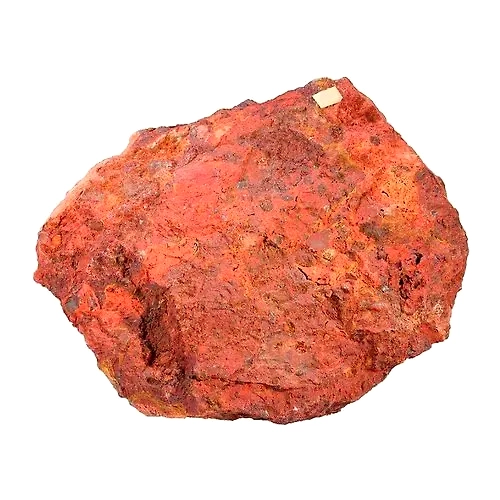
Laterite stone is an exceptional building material that naturally occurs in hot and wet tropical regions. This residual ferruginous rock is rich in iron and aluminum oxides, making it both durable and aesthetically pleasing. Formed through a natural process called laterization, laterite undergoes prolonged weathering of parent rocks, leading to the leaching of silica and the concentration of valuable iron and aluminum oxides. Characterized by its distinctive rusty-red coloration, laterite is often employed in various construction applications such as walls, floors, and foundations. With its porous and claylike texture and cost-effectiveness as a locally sourced material, laterite stands as a premier choice for sustainable building in tropical climates.

Key Features

Features Description
Natural Formation Formed through the natural process of laterization in tropical climates.
Rich Composition Contains high levels of iron and aluminum oxides, contributing to its durability.
Coloration Prominent rusty-red color due to iron oxide content.
Sustainability A locally available and cost-effective building material.
Versatility Suitable for various construction applications, including walls, floors, and foundations.
Attributes Description
Composition Heterogeneous rock with ferruginous skeletal framework and clayey material.
Key Minerals Includes goethite, lepidocrocite, hematite, titanium oxides, and hydrated aluminum oxides.
Porosity Porous and claylike texture, sometimes appearing slaggy or scoriaceous.
Typical Uses Widely used for building walls, floors, and foundations in tropical regions.
Color Rusty-red due to high iron oxide content.

*Disclaimer: The above description has been AI-generated and has not been audited or verified for accuracy. It is recommended to verify product details independently before making any purchasing decisions.

Be the first to write a review

Laterite is mainly used for constructing walls, floors, and foundations, especially in tropical regions due to its durability and cost-effectiveness.

Laterite forms through a geological process called laterization where prolonged weathering results in the leaching of silica, leading to a concentration of iron and aluminum oxides.

Key minerals in laterite include goethite, lepidocrocite, hematite, titanium oxides, and hydrated aluminum oxides.

Laterite is characterized by its distinctive rusty-red color which is attributed to its high iron oxide content, providing an attractive finish for construction.

Yes, laterite is considered sustainable due to its natural formation, locally sourced availability, and durability, making it an environmentally-friendly choice for construction projects.

  • Incorporation Type

  • GST

  • GST Registration Date

  • Number of Employees

  • Import Export Code (IEC)

  • Year of Establishment

  • Nature of Business

  • GlobalLinker Member Since

Country Of Origin: India

Laterite stone is a naturally occurring, residual ferruginous rock, rich in iron and aluminum oxides, commonly found in tropical and subtropical regions and used as a building material.

Formation:

Laterite forms in hot, wet tropical areas through a process called laterization, where prolonged weathering breaks down parent rocks, leaching out silica and concentrating iron and aluminum oxides.

Composition:

It's a heterogeneous rock containing a hard ferruginous skeletal framework and soft clayey material. Typical laterite contains iron oxide minerals like goethite, lepidocrocite, and hematite, as well as titanium oxides and hydrated oxides of aluminum.

Appearance:

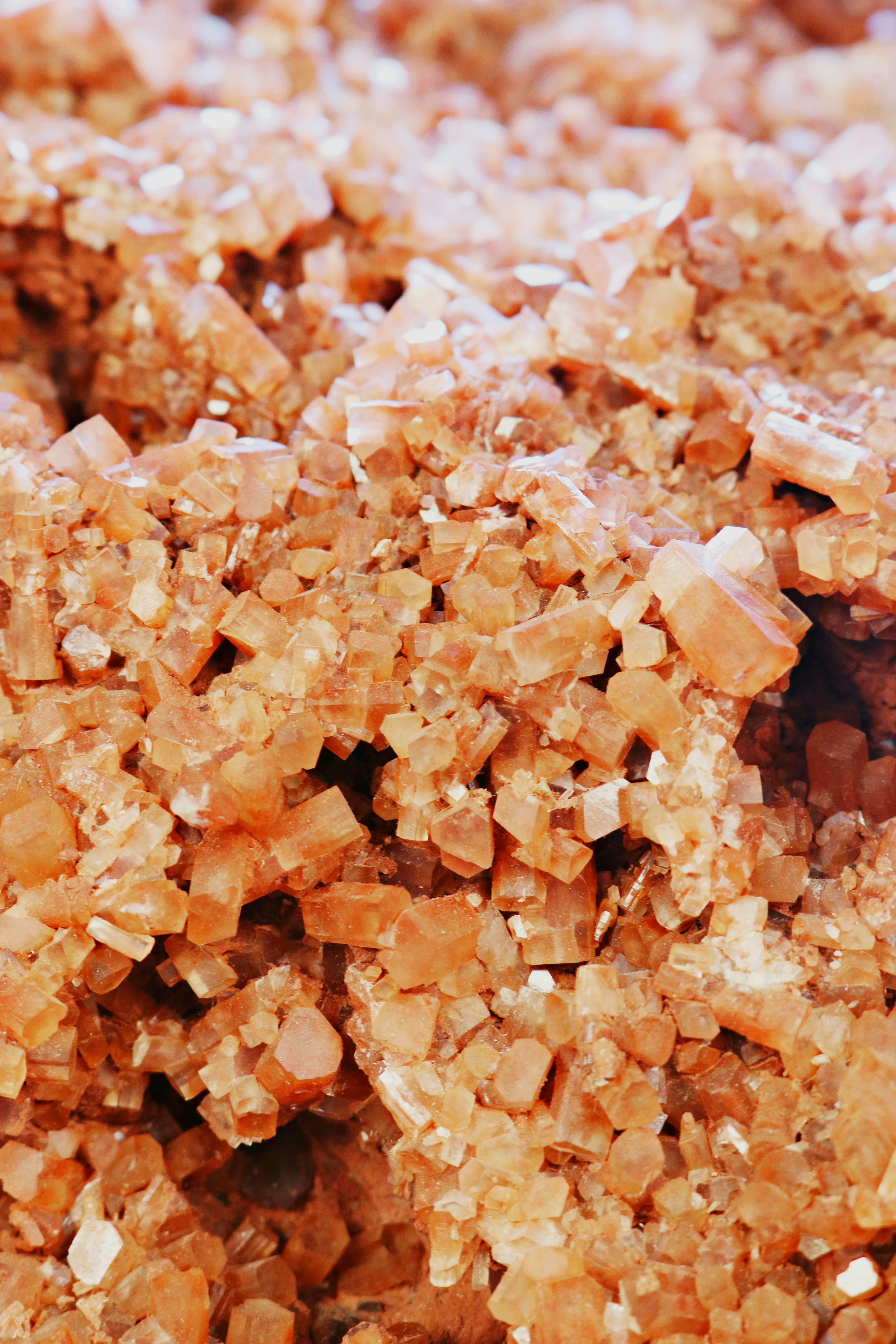
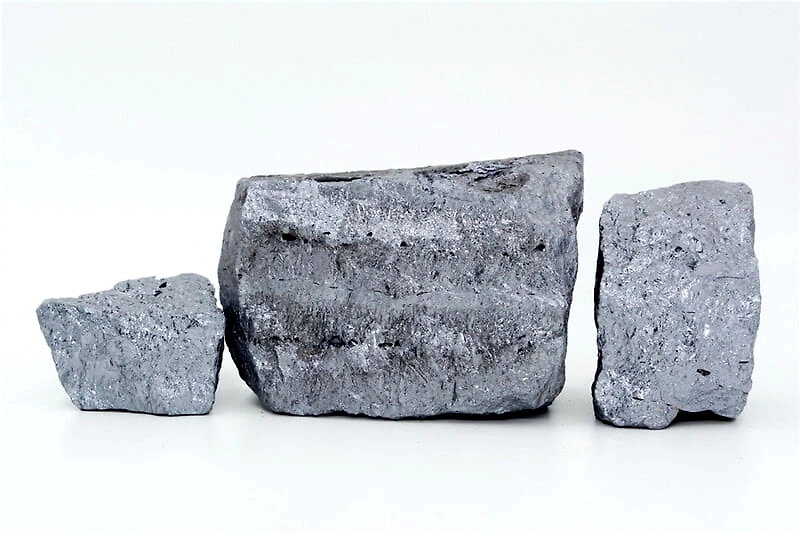
Laterite is often characterized by its rusty-red coloration due to the high iron oxide content. It can be porous and claylike, with exposed surfaces sometimes appearing slaggy or scoriaceous.

Uses:

Laterite is widely used as a building material in tropical regions, particularly for construction of walls, floors, and foundations. It's a cost-effective and locally available option in many areas. 


Non-metallic Mineral Deposits

Laterite Stone

Building Material

Tropical Construction

Iron Oxide

Aluminum Oxides

Sustainable Building

Cost-effective Material

Eco-friendly Construction

LATERITE

Inclusive of all taxes

You Save: 0

Send Inquiry
dk infra projects

Vijayawada , India

Contractor, Retailer, Wholesaler

  • Secure
    Transaction

  • Free
    Delivery

  • Day
    Dispatch

Report a problem with this product