Product Overview
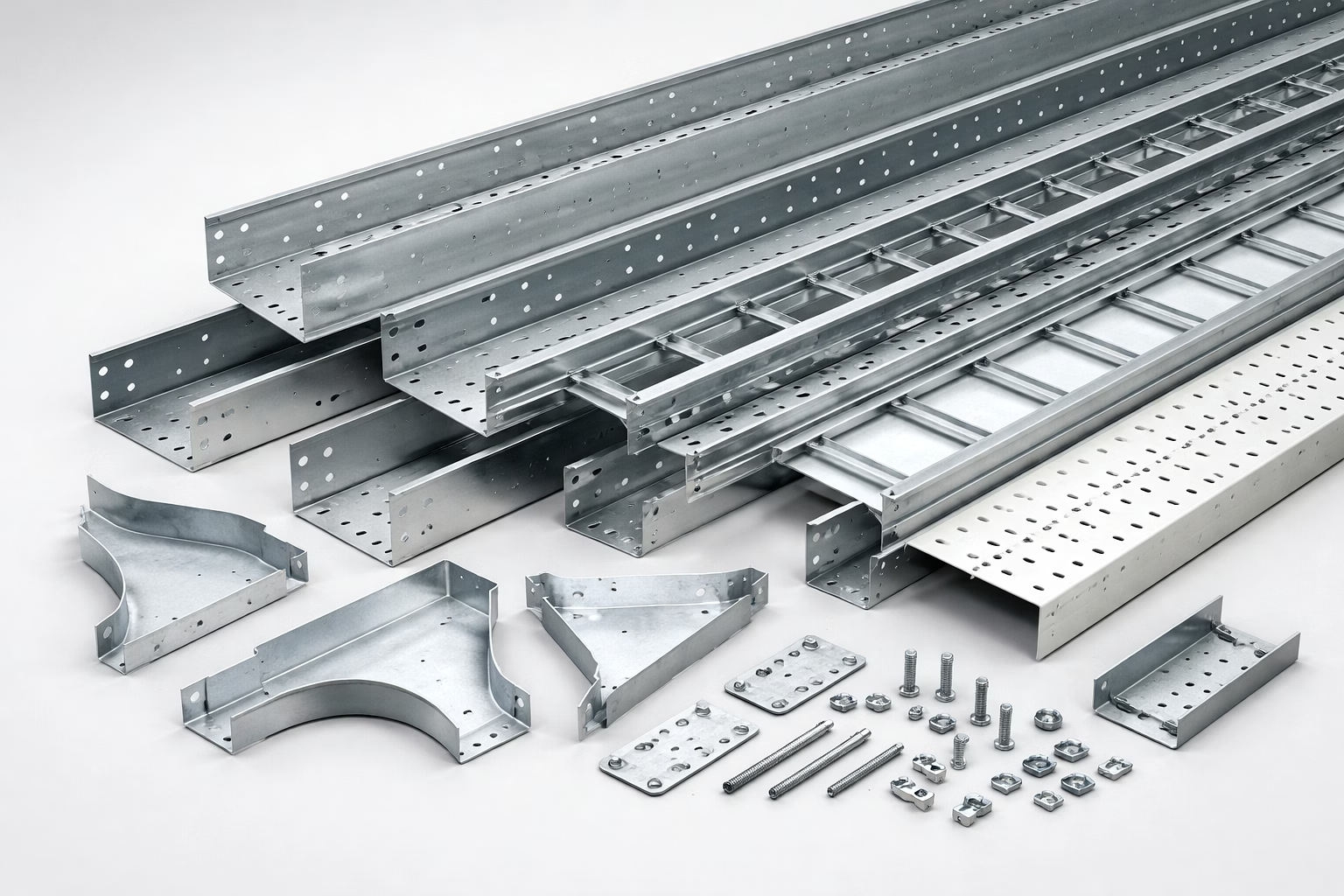
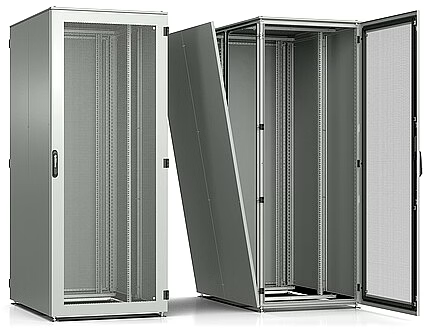
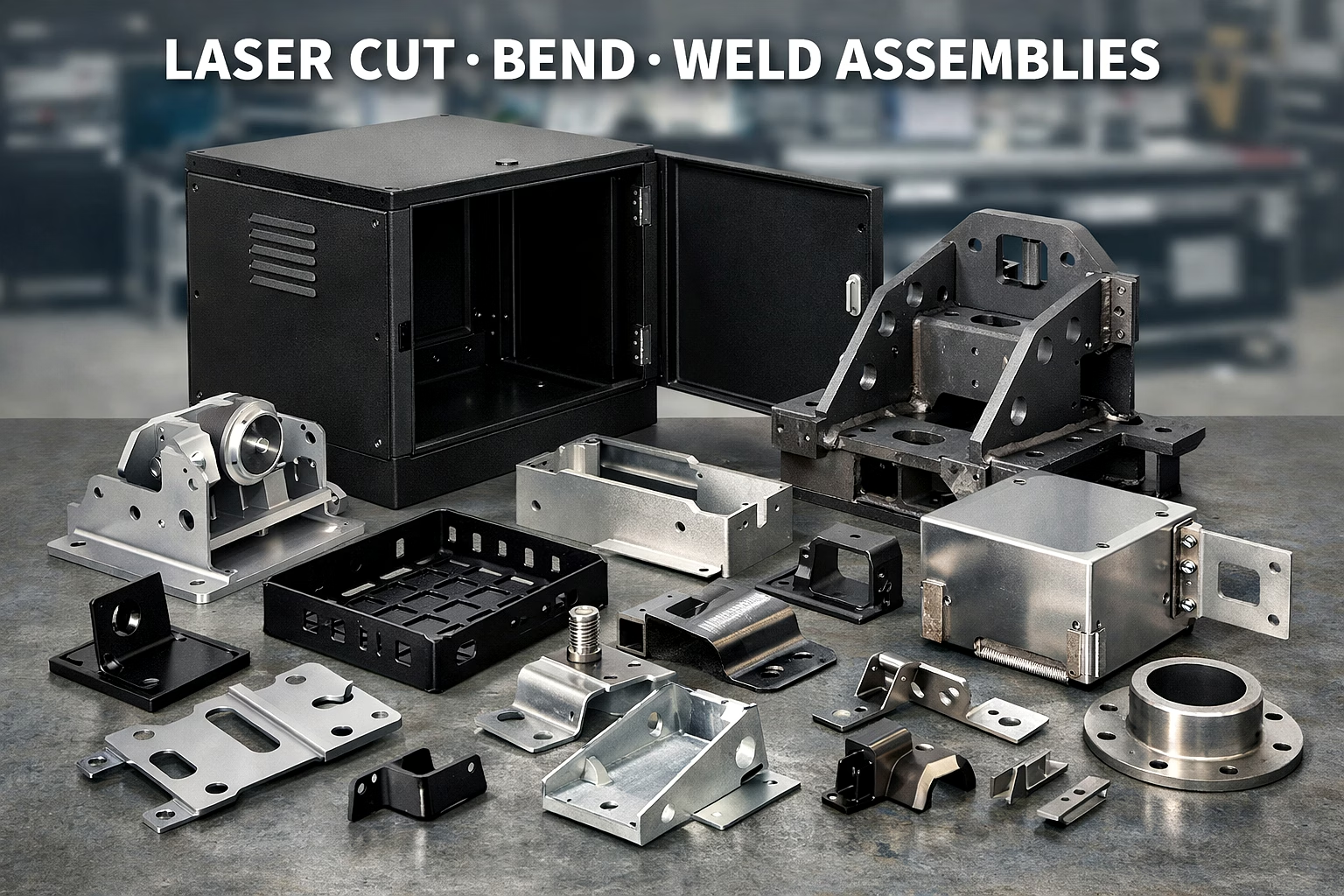
Laser cut, bend and weld assemblies are fabricated metal components manufactured using integrated CNC laser cutting, bending and welding processes. These assemblies are commonly used to produce structural frames, brackets, chassis and enclosures for industrial equipment and machinery applications.
The fabrication process combines precision cutting with controlled forming and welding operations, allowing the production of complex assemblies based on engineering drawings. Production can support both prototype development and bulk manufacturing requirements.
Manufacturing & Construction
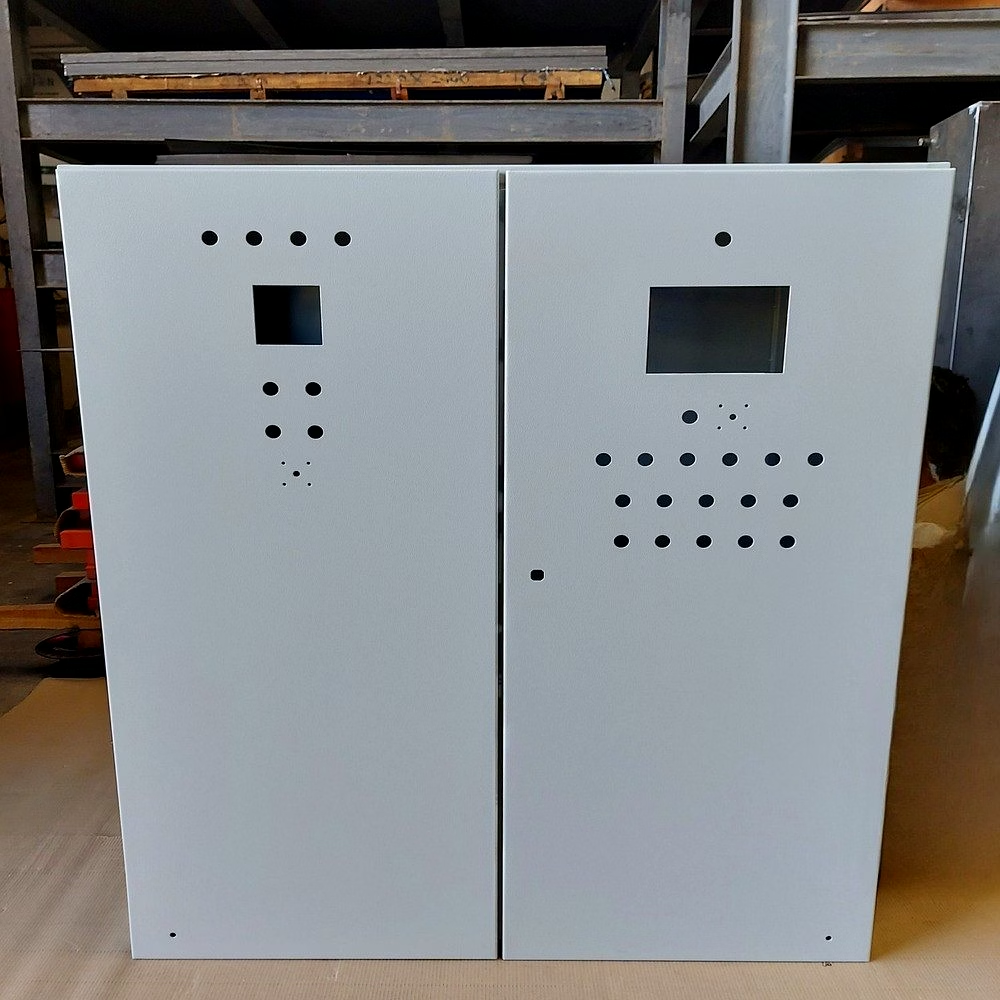
The fabrication process begins with CNC laser cutting of metal sheets to achieve detailed profiles with a tolerance of ±0.1 mm. After cutting, components are formed through bending operations maintaining dimensional accuracy of approximately ±0.2 mm.
Welding operations including MIG welding, TIG welding and spot welding are used to assemble individual components into complete fabricated structures depending on the design and structural requirements.
Material Options
Assemblies can be produced using Mild Steel (MS), Stainless Steel (SS 304) and Aluminium depending on application requirements. Material thickness typically ranges from 0.8 mm to 20 mm as defined in engineering drawings.
The selection of material and thickness depends on the design configuration, structural requirements and intended application of the fabricated assembly.
Surface Finishing
Fabricated assemblies can undergo surface preparation processes such as deburring and grinding to remove sharp edges and improve finishing quality.
Additional finishing treatments including powder coating, painting or zinc plating may be applied depending on the finishing requirement defined for the assembly.
Applications
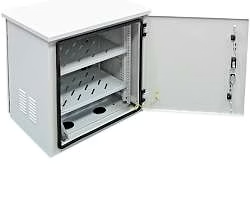
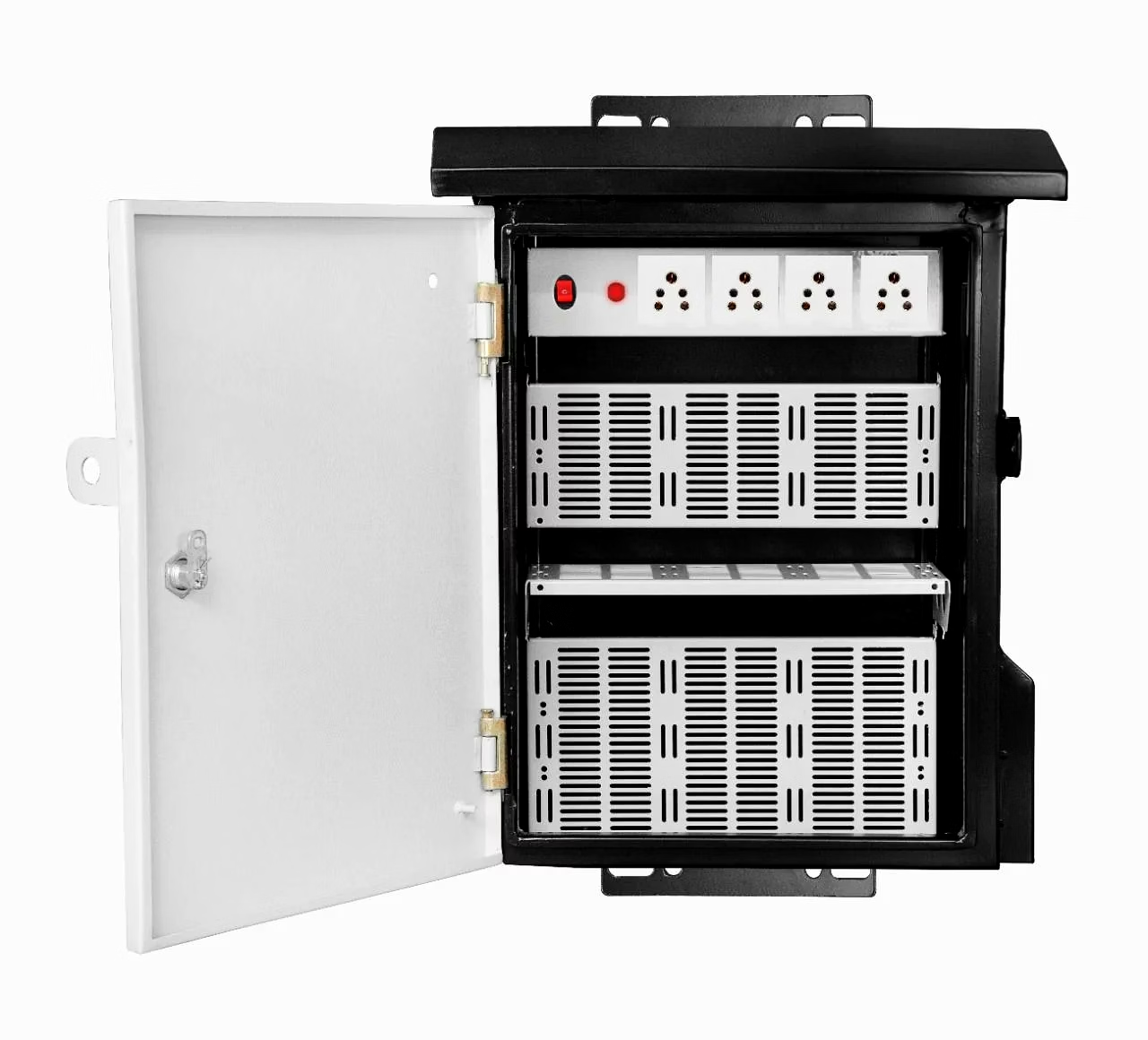
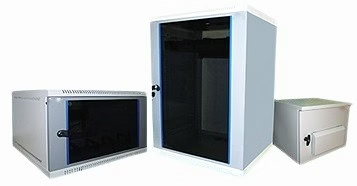
Laser cut bend weld assemblies are used in the manufacturing of frames, brackets, chassis, enclosures and other structural components used in industrial equipment and fabricated metal systems.
These assemblies are typically produced according to technical drawings or engineering specifications to match specific equipment configurations.
Quality & Inspection
Dimensional inspection is conducted according to approved engineering drawings and quality control standards to ensure accuracy of fabricated components.
Quality checks verify dimensional tolerances, fabrication accuracy and finishing consistency prior to dispatch.
FAQs
- What materials are used for laser cut bend weld assemblies? These assemblies can be manufactured using Mild Steel (MS), Stainless Steel SS 304 or Aluminium depending on the fabrication design and application requirement.
- What thickness range can be fabricated? Sheet thickness typically ranges from 0.8 mm to 20 mm depending on the design requirement specified in the engineering drawing.
- What welding processes are used for these assemblies? MIG welding, TIG welding and spot welding processes may be used depending on the structural design and assembly requirement.
- What types of components can be manufactured? Fabricated frames, brackets, chassis, enclosures and structural metal components can be produced using the combined cutting, bending and welding processes.
- Are surface finishing options available? Finishing options may include deburring, grinding, powder coating, painting and zinc plating depending on the finishing requirement.
- Can assemblies be produced in bulk quantities? Production capability ranges from prototype manufacturing to bulk production depending on project requirements.
- How is dimensional accuracy maintained? Dimensional inspection is conducted according to approved drawings and quality control standards to verify fabrication accuracy.
- Can fabrication be done based on engineering drawings? Assemblies are typically manufactured according to design drawings or technical specifications for the required configuration.
Description provided by Perfect Precision Products Llp.