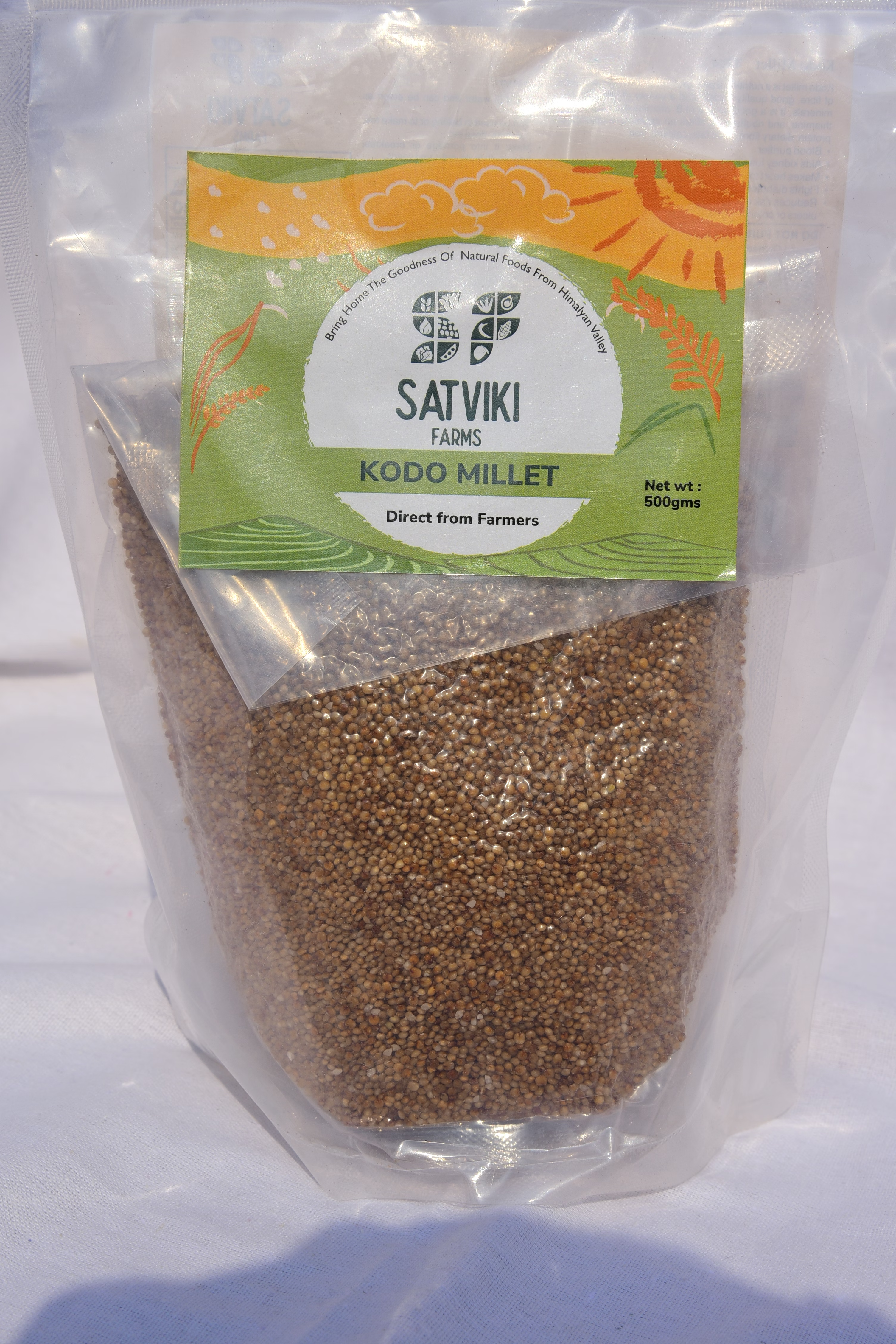
Kodo millet is a nutrient-rich, high-fiber grain renowned for its role as a healthy substitute for refined flour, wheat flour, and rice. Cultivated primarily in India, this coarse grain offers significant health benefits including aiding digestion, regulating blood sugar levels, and supporting weight management. Its versatility in cooking allows it to be used in various forms such as porridge, upma, khichdi, and even baked products, making it an excellent choice for health-conscious businesses and food manufacturers looking to formulate gluten-free or low-GI products. Additionally, Kodo millet is valued for its drought-resistant cultivation and sustainable farming practices, appealing to environmentally responsible enterprises. This grain is ideal for B2B buyers focused on organic, natural, and nutrient-dense food ingredients for mass production or specialty health food products.
Key Features
| Features | Description |
|---|---|
| High Dietary Fiber Content | Rich source of soluble and insoluble fibers aiding digestion and gut health |
| Gluten-Free | Safe alternative for gluten-intolerant populations and celiac disease management |
| Glycemic Index | Low glycemic index helps in blood sugar regulation |
| Nutritional Profile | Contains essential minerals like iron, magnesium, calcium, and antioxidants |
| Culinary Uses | Suitable for making porridge, upma, khichdi, baked goods, and as a rice substitute |
| Agricultural Advantages | Drought-tolerant crop with a sustainable farming footprint |
| Packaging Options | Available in bulk quantities suitable for commercial use |
| Shelf Life | Long shelf life when stored in dry, airtight conditions |
| Certifications | Often available certified organic; verification depends on supplier |
| Market Applications | Ideal for health-food manufacturers, organic product companies, and food service businesses |
| Attributes | Description |
|---|---|
| Grain Type | Coarse cereal grain |
| Dietary Fiber | Approximately 5-6 grams per 100 grams |
| Protein Content | Around 8-9 grams per 100 grams |
| Carbohydrate Content | Approximately 65-70 grams per 100 grams |
| Fat Content | Low fat, around 3 grams per 100 grams |
| Moisture Content | Below 12% |
| Packaging Size | Customizable - typically available from 25 kg to bulk containers |
| Color | Light brown to beige |
| Origin | India |
| Storage Conditions | Store in a cool, dry place away from direct sunlight |
*Disclaimer: The above description has been AI-generated and has not been audited or verified for accuracy. It is recommended to verify product details independently before making any purchasing decisions.
Yes, Kodo millet is naturally gluten-free, making it suitable for gluten-free food manufacturing and safe for individuals with gluten intolerance or celiac disease.
Kodo millet can be used as a substitute but may require some adjustments in cooking time or quantities due to its coarse texture and fiber content.
When stored correctly in a cool, dry, and airtight environment, Kodo millet can maintain quality for 6 to 12 months.
Organic certification availability depends on the supplier; buyers should confirm certification status when placing orders.
Packaging sizes are customizable, commonly ranging from 25 kg bags to larger bulk containers tailored to B2B needs.
Kodo millet is a hi fibre grain used as a replacement for refined flour, wheat flour and rice