• Key Features & Attributes
  • Ratings & Reviews
  • Know your Supplier
  • Product description from supplier

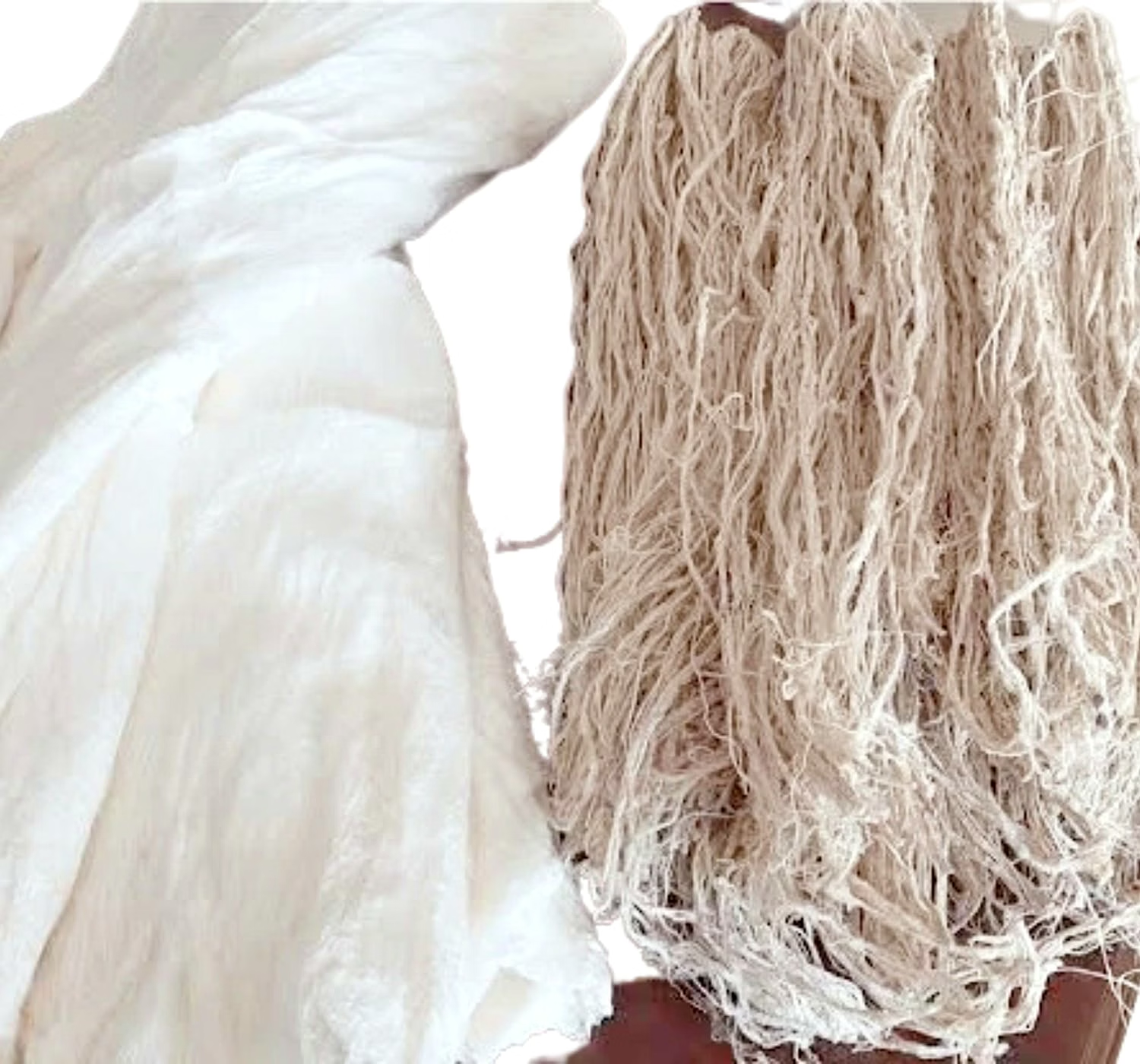
KIBISU RAW SILK WASTE

Inclusive of all taxes

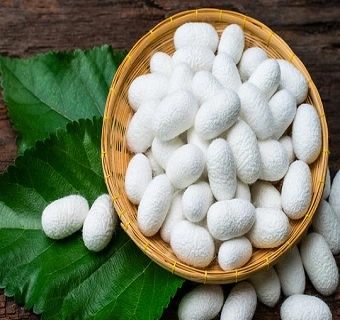
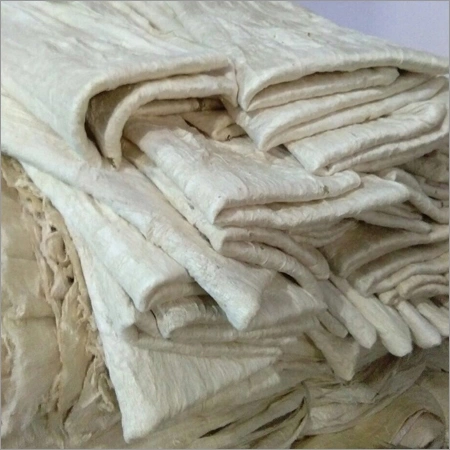
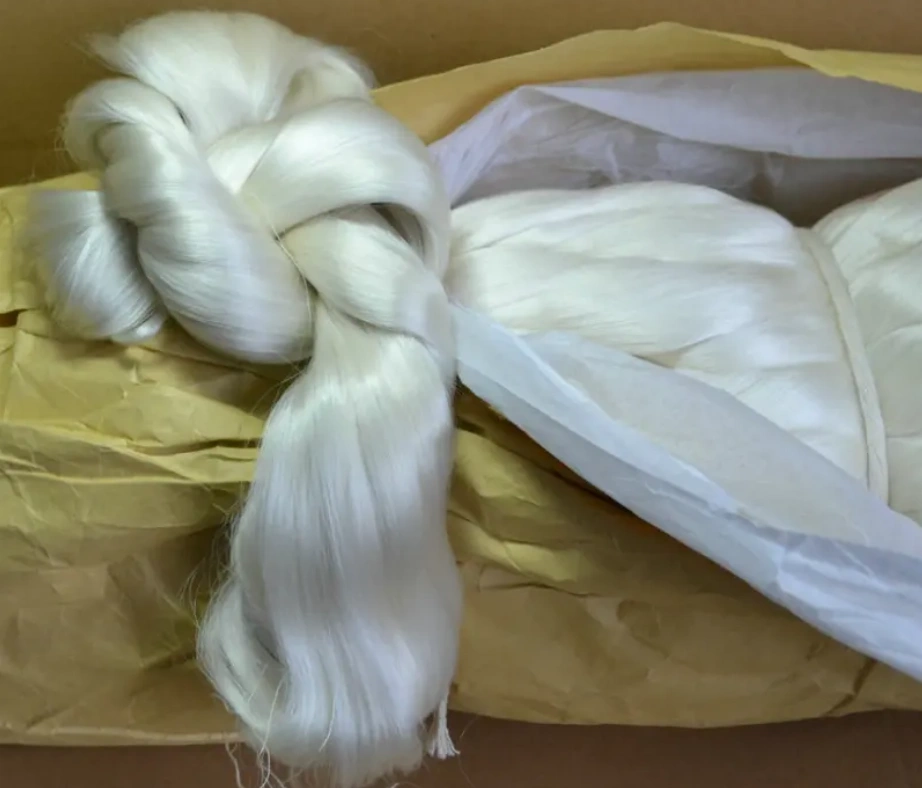
Kibisu Raw Silk Waste is a premium byproduct derived from the silk production process, particularly the silk extraction from silkworm cocoons. This unique silk waste is characterized by its slightly rougher texture compared to pure silk, while still maintaining the opulent softness that silk is known for. It serves as a versatile material in the textile industry, utilized primarily to create spun silk yarns. Additionally, Kibisu can be innovatively processed into various products including fabrics, silk paper, and silk fillings for comforters, making it a sustainable choice for eco-conscious manufacturers. By choosing Kibisu Raw Silk Waste, businesses not only enhance their product offerings but also contribute to the reduction of silk production waste, promoting a circular economy in the textile industry.

Key Features

Features Description
Material Type Kibisu Silk Waste
Texture Slightly rougher than pure silk
Primary Use Manufacturing spun silk yarn
Sustainability Eco-friendly byproduct from silk production
Applications Fabrics, silk paper, silk filling for comforters
Softness Retains a luxurious silk feel
Industry Textile
Benefits Reduces silk production waste, promotes eco-conscious manufacturing
Attributes Description
Source Silkworm cocoons
Color Natural beige/white
Processing Method Byproduct of silk extraction
Weight Varies based on batch
Texture Level Medium
Silk Content Variable, derived from remnants
Packaging Available in bulk or standard sizes

*Disclaimer: The above description has been AI-generated and has not been audited or verified for accuracy. It is recommended to verify product details independently before making any purchasing decisions.

Be the first to write a review

Kibisu silk waste is primarily used for manufacturing spun silk yarn, fabrics, silk paper, and as filling material for comforters.

Kibisu silk waste has a slightly rougher texture than pure silk but still retains the luxurious softness characteristic of silk.

Yes, Kibisu is an eco-friendly byproduct that helps reduce waste from the silk production process, promoting sustainability in the textile industry.

Yes, Kibisu silk waste can be dyed like pure silk, allowing for versatile colors and designs in produced textiles.

Using Kibisu promotes eco-conscious manufacturing by utilizing silk production byproducts, thereby enhancing product offerings while reducing environmental impact.

  • Incorporation Type

  • GST

  • GST Registration Date

  • Number of Employees

  • Import Export Code (IEC)

  • Year of Establishment

  • Nature of Business

  • GlobalLinker Member Since

Kibisu silk waste refers to the byproduct of the silk production process, specifically the remnants left over after extracting silk fibers from the silkworm's cocoon

kibisu is used mainly to use for spun silk yarn

Kibisu silk waste can be utilized in making fabrics with a slightly rougher texture compared to pure silk but still retains the soft, luxurious feel of silk. Additionally, it can be used in making products like silk paper, silk filling for comforters, and silk yarns.


Kibisu silk waste refers to the byproduct of the silk production process, specifically the remnants left over after extracting silk fibers from the silkworm's cocoon


Fabric And Textile Raw Material

Kibisu Raw Silk Waste

Silk Production Byproduct

Spun Silk Yarn

Sustainable Textiles

Silk Filling

Silk Paper

Eco-friendly Silk

KIBISU RAW SILK WASTE

Inclusive of all taxes

You Save: 0

Send Inquiry
MMTSILKS AND CO

Ramanagaram , India

Manufacturer, Brand Owner, Distributor, Exporter, Importer, Wholesaler

  • Secure
    Transaction

  • Free
    Delivery

  • Day
    Dispatch

Report a problem with this product

Market Insights

Stay informed with the latest market trends, quality guides, and industry analysis

Weekly Trade Alerts for Indian Exporters: 10 - 16 July 2025

Presenting the latest updates from India’s foreign trade from 10 - 16 July 2025.