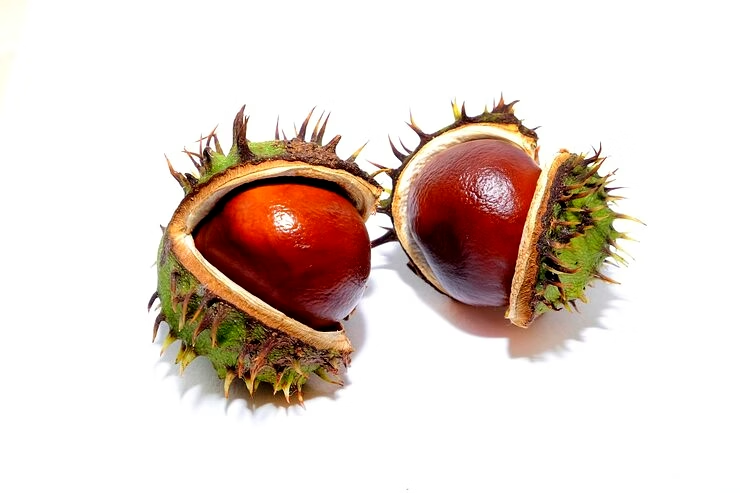
Japanese Chestnuts are premium edible nuts sourced directly from chestnut trees native to Japan. Renowned for their sweet, mild flavor and tender texture, they are a favorite ingredient in roasting, baking, and traditional Japanese culinary recipes. These nuts are rich in carbohydrates, essential vitamins, and minerals, making them a nutritious addition to various food products. Carefully processed in certified food safety facilities, Japanese Chestnuts are non-GMO, gluten-free, and vegan-friendly, ensuring high-quality, allergen-conscious supply suitable for diverse dietary needs and commercial food production.
Key Features
| Features | Description |
|---|---|
| Flavor | Sweet and mild |
| Texture | Tender and soft |
| Usage | Ideal for roasting, baking, and traditional Japanese dishes |
| Nutritional Content | Rich in carbohydrates, vitamins (such as B vitamins), and minerals (including potassium and magnesium) |
| Processing Standard | Processed in certified food safety facilities ensuring hygiene and quality |
| Dietary Suitability | Non-GMO, gluten-free, and vegan-friendly |
| Origin | Sourced from native Japanese chestnut trees |
| Attributes | Description |
|---|---|
| Botanical Name | Castanea crenata |
| Country of Origin | Japan |
| Packaging Type | Vacuum-sealed pouches or food-grade bags |
| Shelf Life | 12 months when stored in a cool, dry place |
| Storage Conditions | Store in a cool, dry, and ventilated environment |
| Moisture Content | Typical moisture content around 45-50% (for fresh nuts) |
| Allergen Information | Free from gluten and common allergens; non-GMO certified |
| Certification | Processed in certified food safety facilities; certifications may include HACCP and ISO 22000 |
*Disclaimer: The above description has been AI-generated and has not been audited or verified for accuracy. It is recommended to verify product details independently before making any purchasing decisions.
Yes, Japanese Chestnuts are completely non-GMO and gluten-free, making them suitable for customers with gluten intolerance or those seeking non-genetically modified food products.
These chestnuts are processed in certified food safety facilities, often adhering to HACCP and ISO 22000 standards, ensuring premium quality and hygiene in handling.
To maintain optimal freshness and extend shelf life up to 12 months, store Japanese Chestnuts in a cool, dry, and ventilated place away from direct sunlight.
Absolutely, Japanese Chestnuts are vegan-friendly and gluten-free, making them ideal ingredients for plant-based and allergen-conscious food product lines.
Japanese Chestnuts have a uniquely sweet and mild flavor paired with a tender texture, sourced specifically from Castanea crenata trees native to Japan, favored in traditional Japanese cuisine.
Country Of Origin: India
Japanese Chestnuts are prized edible nuts harvested from chestnut trees native to Japan. They have a sweet, mild flavor and tender texture, commonly used in roasting, baking, and traditional Japanese cuisine. Rich in carbohydrates, vitamins, and minerals.