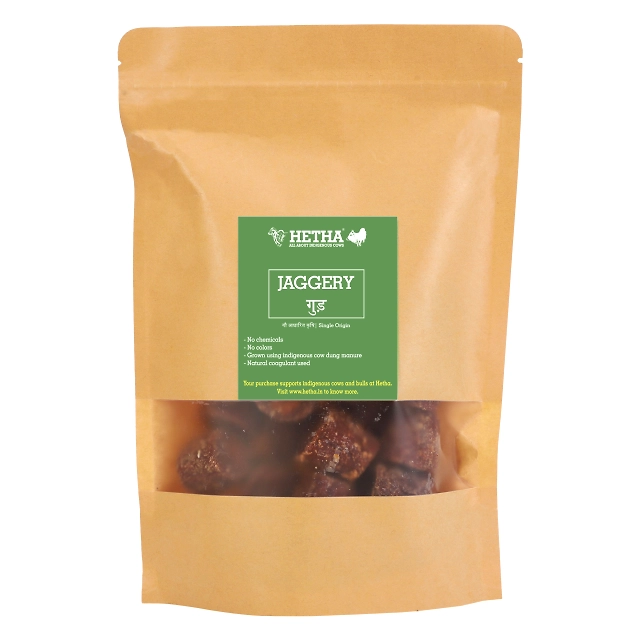
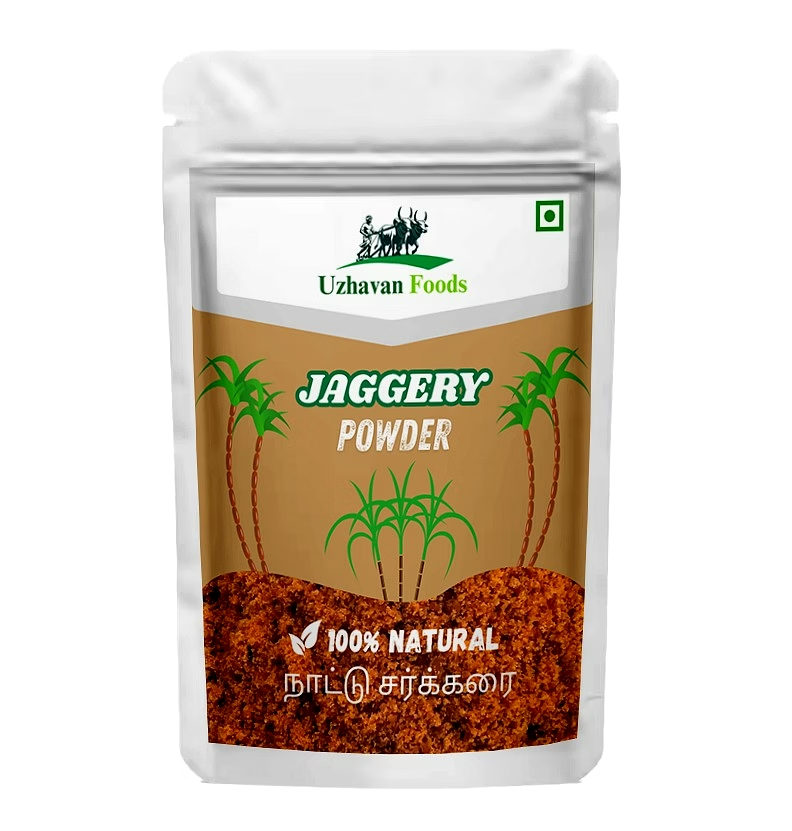
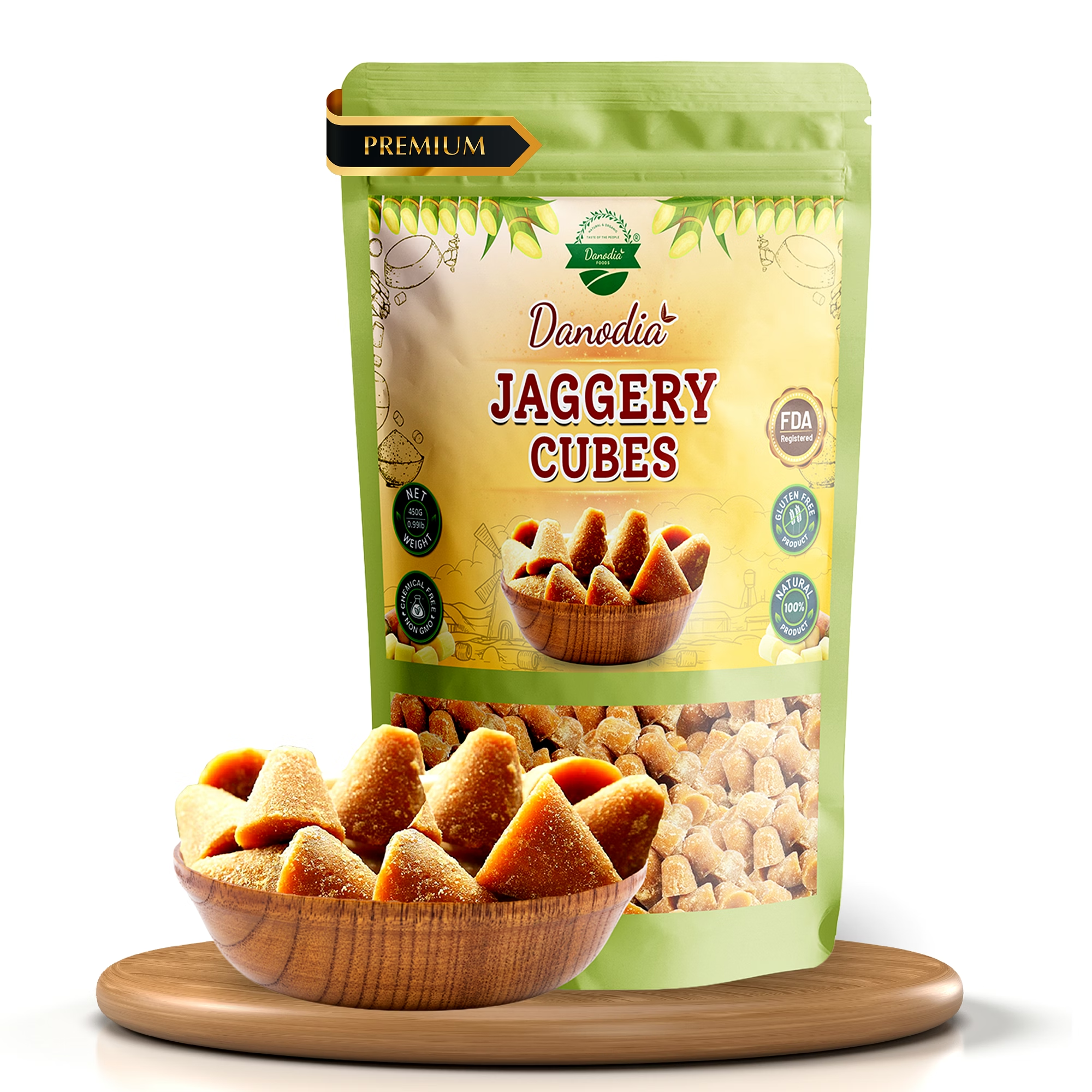
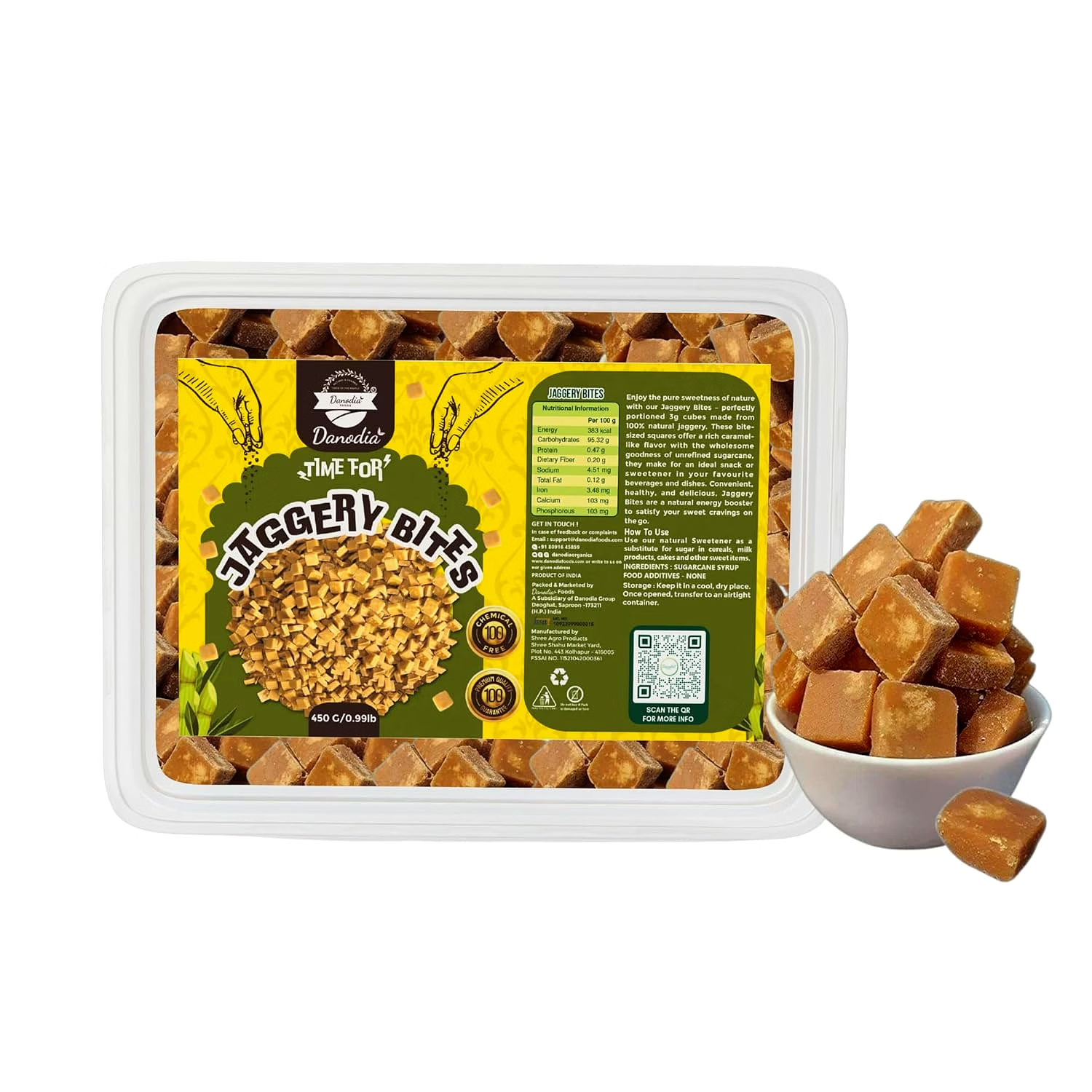
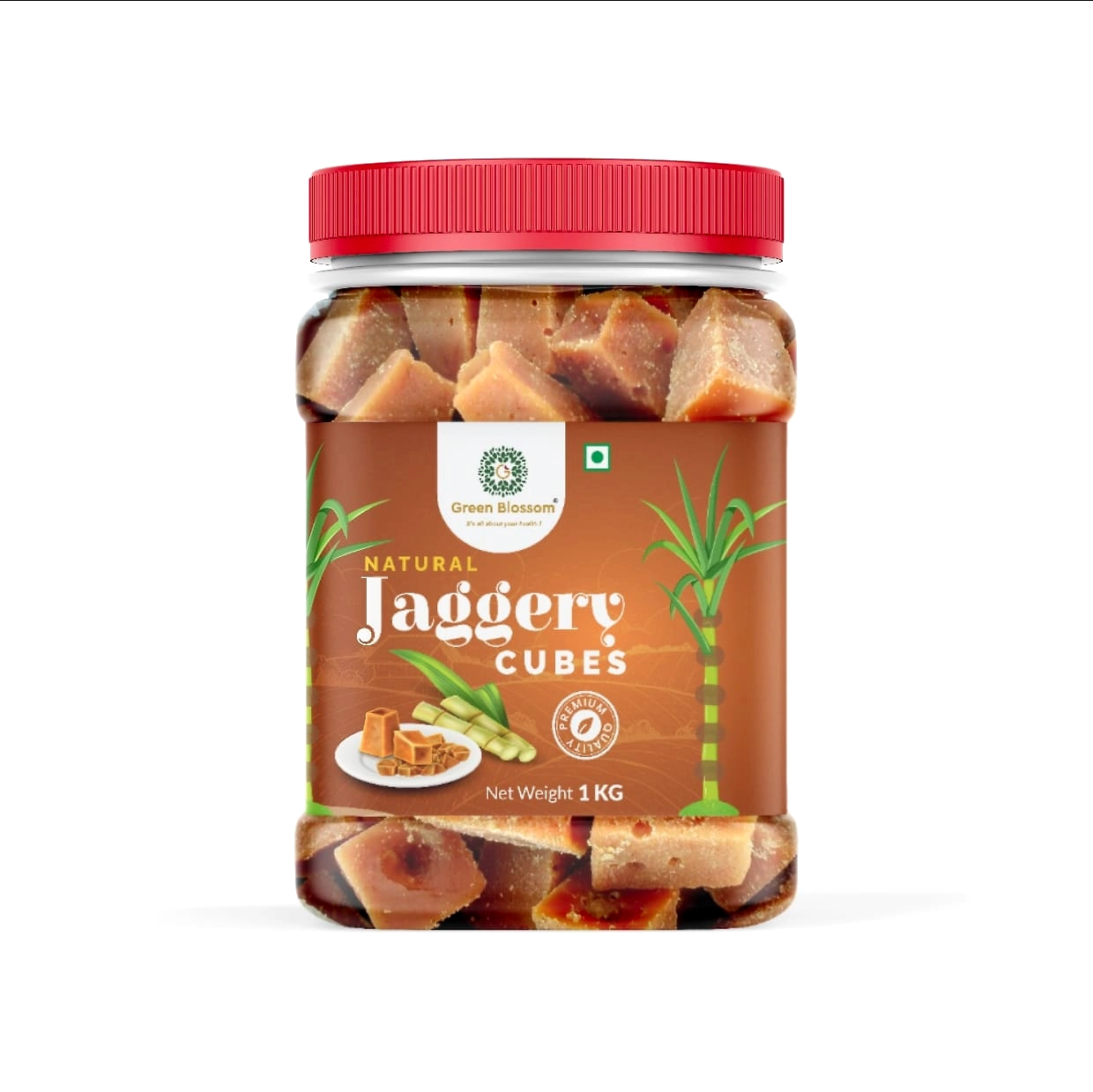
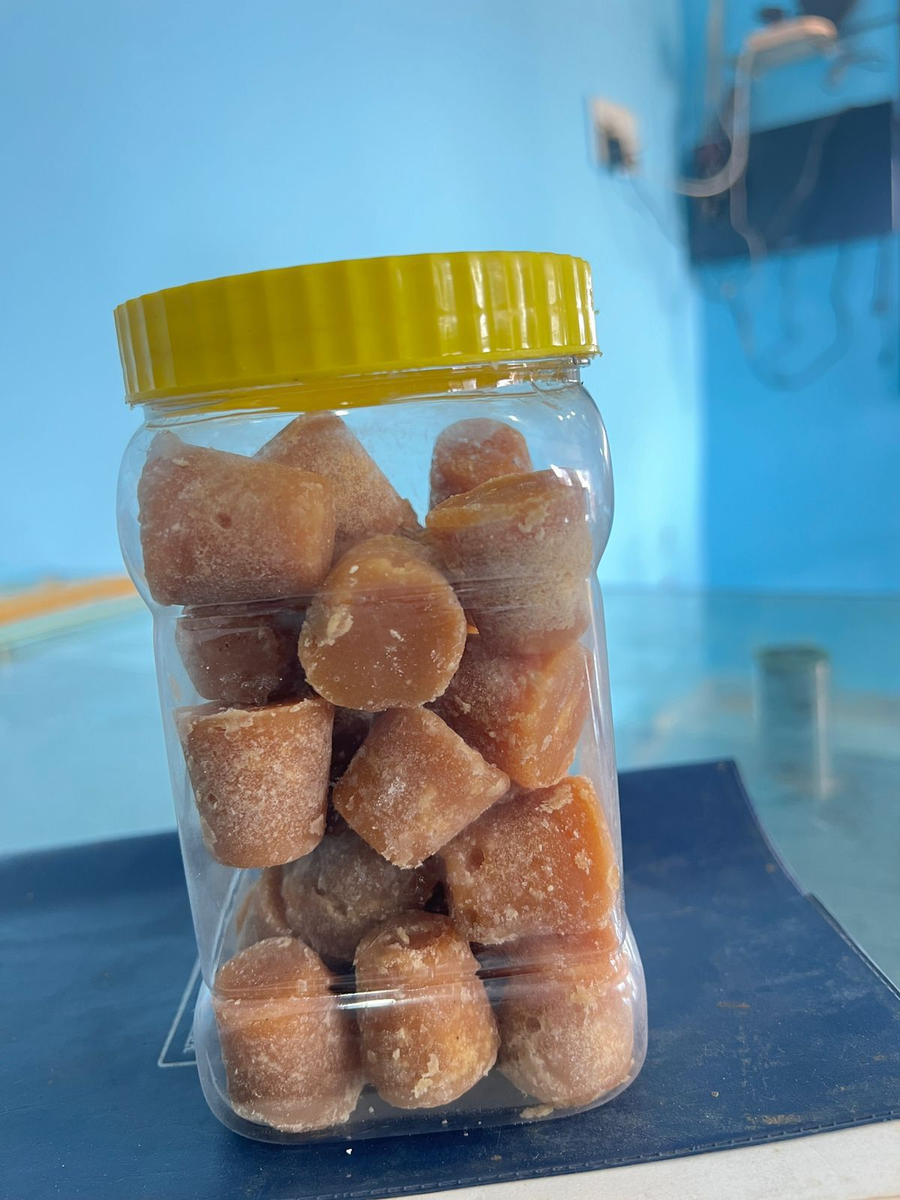
Cane jaggery, a natural sweetener derived from sugarcane juice, serves as a traditional, non-refined alternative to processed sugars. Unlike its refined counterparts, jaggery retains a wealth of nutrients and delivers a robust, caramel-like flavor profile. Its production process is chemical-free, ensuring the preservation of essential minerals such as iron, calcium, and potassium. With its distinct golden-brown color and crystalline structure, cane jaggery not only enhances culinary dishes but also promotes a healthier lifestyle, thanks to its lower glycemic index and antioxidant properties. Perfect for cooking, baking, or as an ingredient in health supplements, cane jaggery is an essential pantry item for both commercial kitchens and health-conscious consumers.
Key Features
| Features | Description |
|---|---|
| Natural Origin | Made from fresh sugarcane juice |
| Non-Refined | Free from chemicals and additives |
| Mineral-Rich | Good source of iron, calcium, and potassium |
| Distinct Flavor | Rich, caramel-like sweetness |
| Crystalline Structure | Golden-brown color with a crystalline texture |
| Attributes | Description |
|---|---|
| Color | Golden brown to dark brown |
| Texture | Crystalline or granular |
| Moisture Content | Less than 5% |
| pH Level | 5.5-6.5 |
| Shelf Life | 1-2 months |
| Sucrose Content | Minimum 70% |
| Reducing Sugars | Maximum 10% |
| Ash Content | Maximum 2% |
| Heavy Metals | Within permissible limits |
| Microbial Load | Within permissible limits |
| Packaging | Available in blocks, powder, or crystals in food-grade bags |
| Storage | Cool, dry place with temperatures between 10-20°C (50-68°F) and humidity below 60% |
| Transportation | Transported in covered vehicles to avoid moisture and contamination |
*Disclaimer: The above description has been AI-generated and has not been audited or verified for accuracy. It is recommended to verify product details independently before making any purchasing decisions.
Yes, cane jaggery is often used as a natural ingredient in health supplements due to its rich mineral content and antioxidant properties.
Cane jaggery should be stored in a cool, dry place with temperatures between 10-20°C (50-68°F) and humidity below 60% to maintain its quality.
Yes, cane jaggery has a lower glycemic index compared to refined sugar, making it a healthier alternative for sweetening.
Cane jaggery is available in various forms including blocks, powder, or crystals, and is packaged in food-grade bags for freshness.
The shelf life of cane jaggery is typically 1-2 months when stored properly.
Country Of Origin: India
Cane jaggery is a natural sweetener made from the juice of sugarcane. It's a traditional, non-refined sugar substitute that's rich in minerals and has a distinct flavor.
Key Characteristics
1. Natural origin: Made from sugarcane juice
2. Non-refined: No chemicals or additives used
3. Rich in minerals: Good source of iron, calcium, and potassium
4. Distinct flavor: Rich, caramel-like flavor
5. Crystalline structure: Golden-brown color with a crystalline texture
Benefits
1. Healthier alternative: Lower glycemic index than refined sugar
2. Rich in antioxidants: Helps protect against oxidative stress
3. Supports digestive health: May help regulate bowel movements
4. Energy source: Natural source of energy
5. Versatile: Can be used in cooking, baking, and as a sweetener
Applications
1. Cooking and baking: Use as a sweetener in recipes
2. Beverages: Add to tea, coffee, or milkshakes
3. Desserts: Use in traditional Indian sweets and desserts
4. Health supplements: May be used as an ingredient in health supplements
Specifications
1. Color: Golden brown to dark brown
2. Texture: Crystalline or granular
3. Moisture content: Less than 5%
4. pH level: 5.5-6.5
5. Shelf life: 1-2 months
Quality Parameters
1. Sucrose content: Minimum 70%
2. Reducing sugars: Maximum 10%
3. Ash content: Maximum 2%
4. Heavy metals: Within permissible limits
5. Microbial load: Within permissible limits
Packaging and Storage
1. Packaging: Blocks, powder, or crystals packaged in food-grade bags or containers
2. Storage: Cool, dry place with temperatures between 10-20°C (50-68°F) and humidity below 60%
3. Transportation: Transported in covered vehicles or containers to protect from moisture and contamination