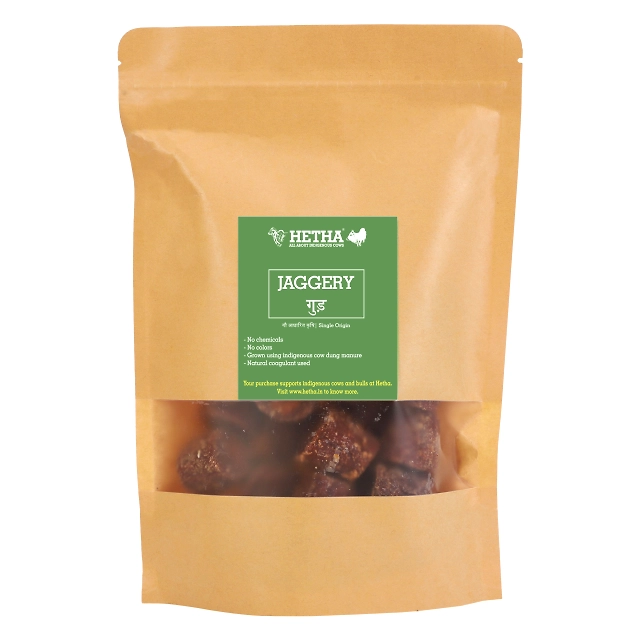
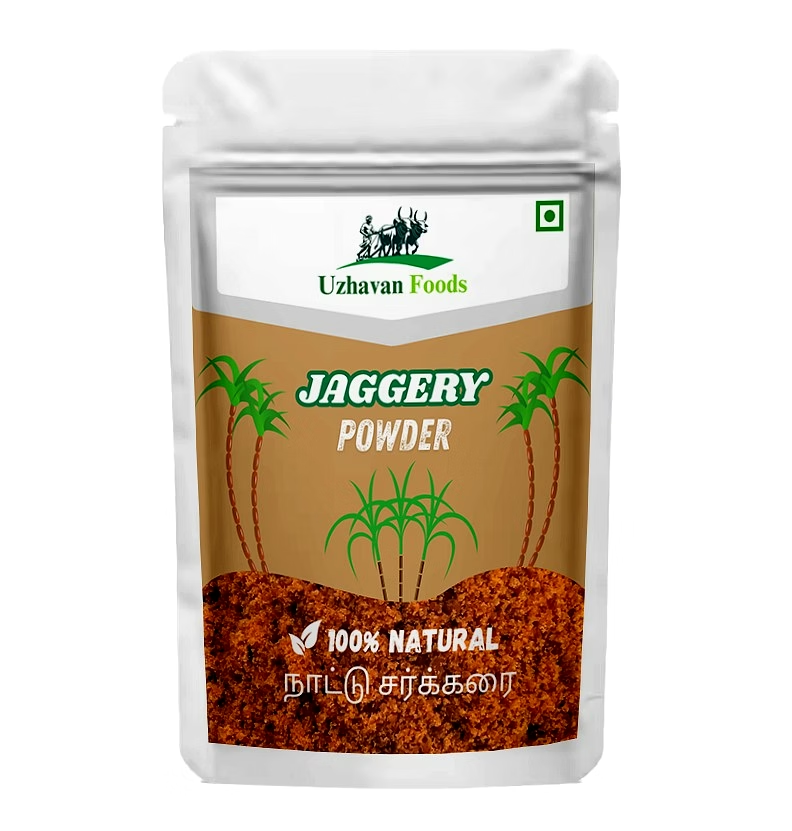
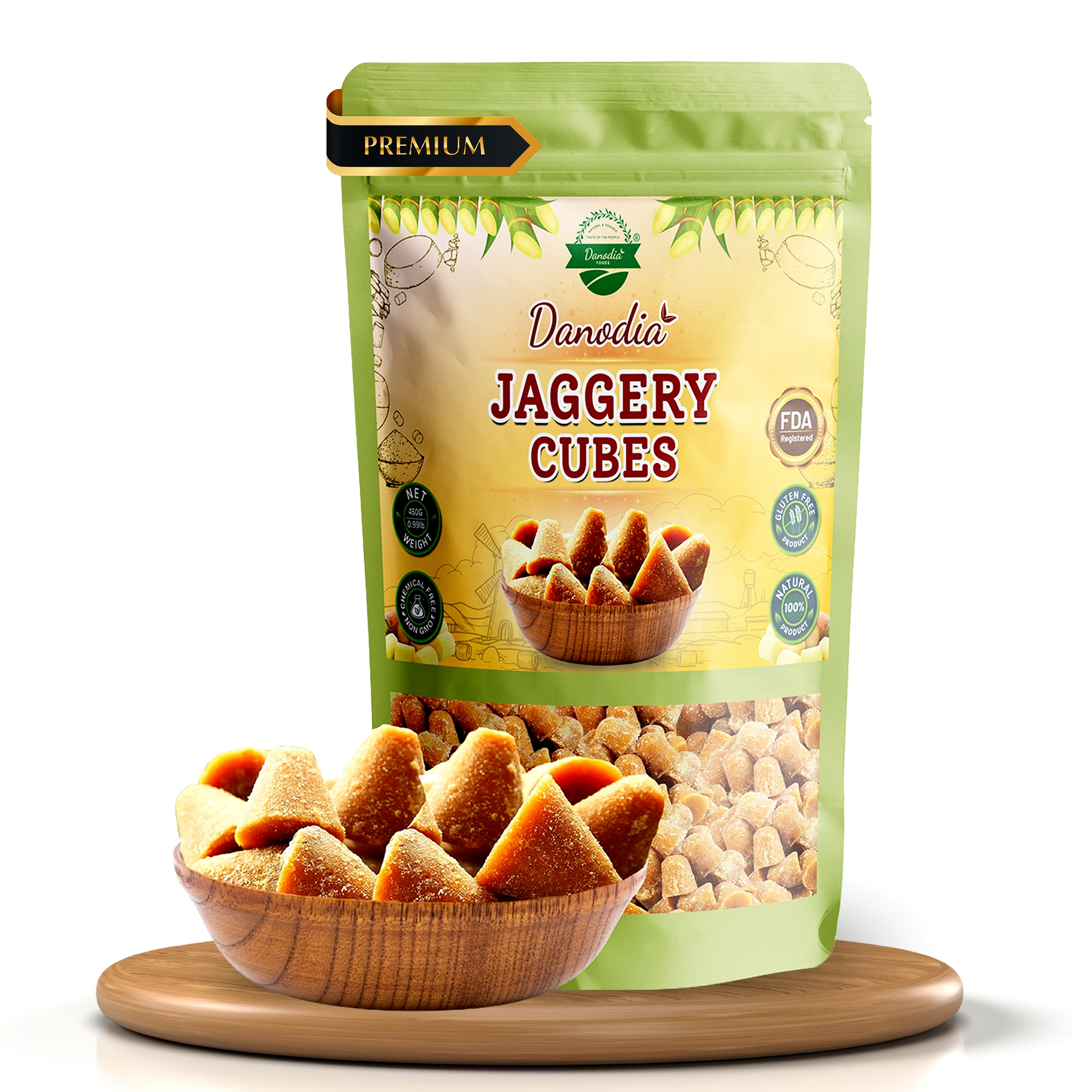
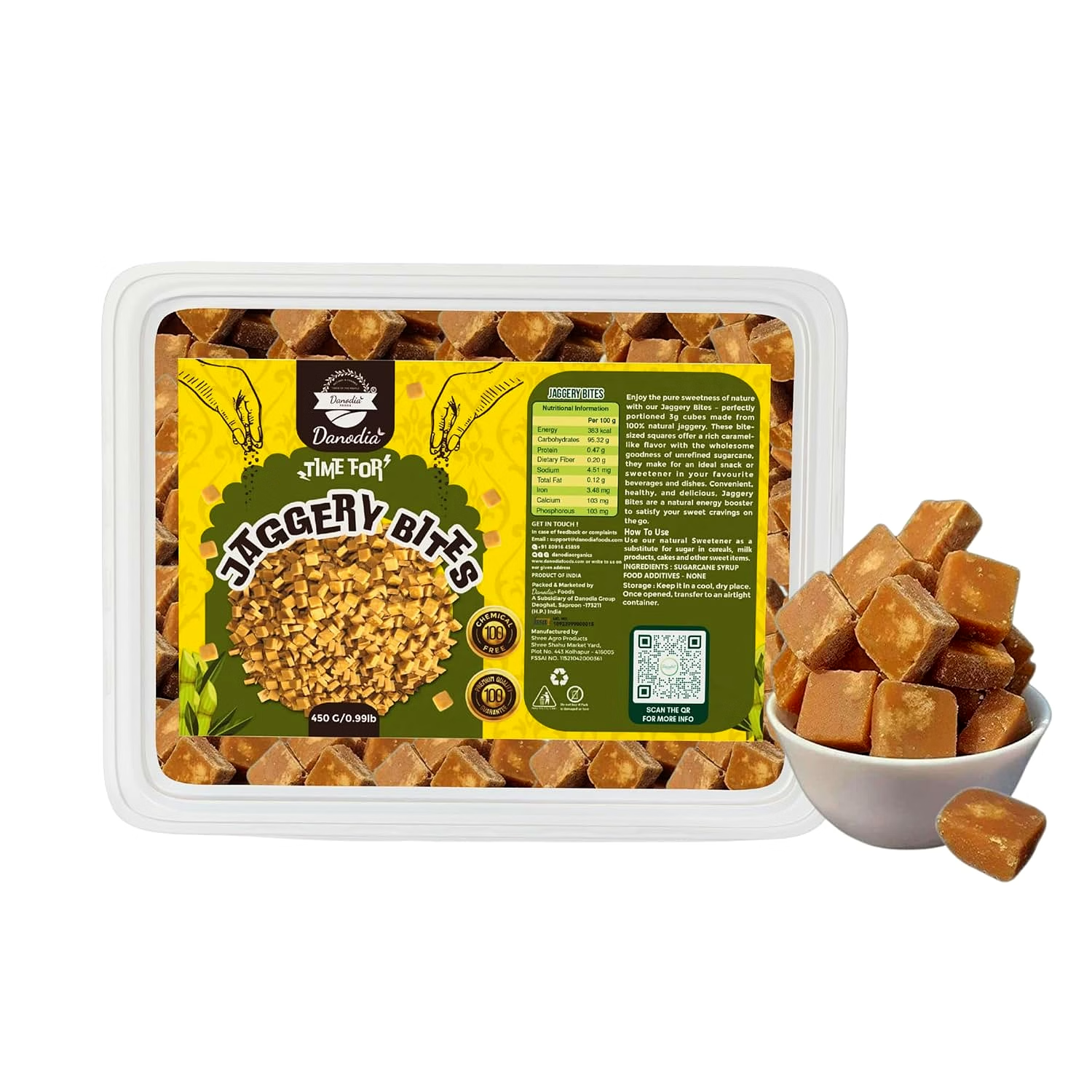
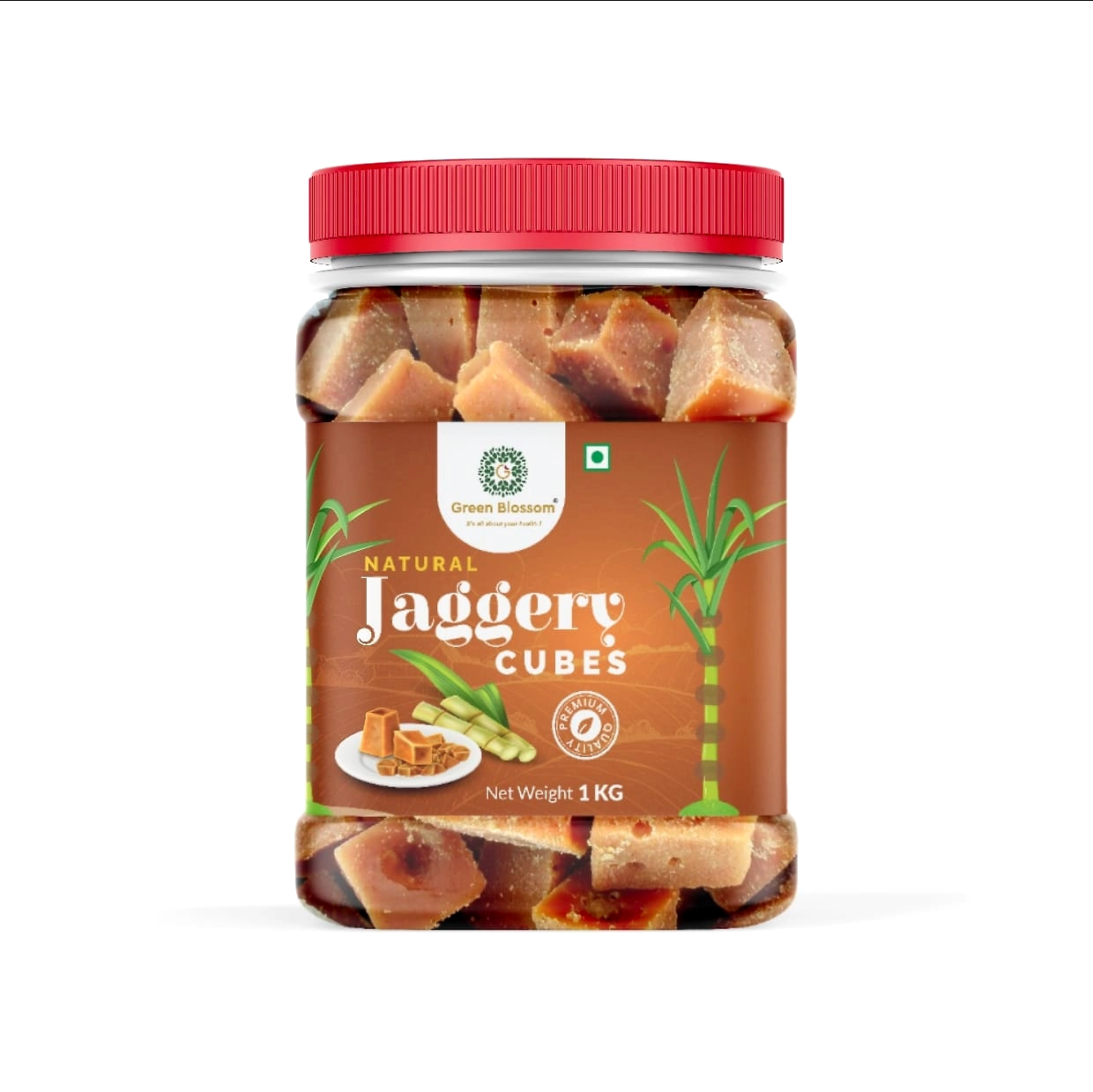
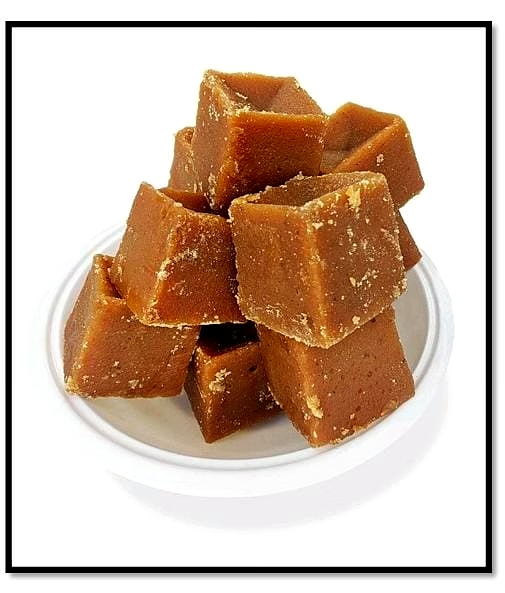
Jaggery is a traditional, natural sweetener derived from the sap of sugarcane or palm trees, widely treasured in culinary and medicinal applications. Unlike refined sugars, jaggery retains its rich molasses content, presenting a complex flavor profile that includes warm caramel sweetness and subtle earthy, smoky undertones. This unrefined form of sugar is produced by boiling fresh sap until it solidifies into dense blocks or granules, which vary in color from golden yellow to deep brown, with darker variants offering a more intense taste. Nutritionally rich, jaggery contains essential minerals such as iron, calcium, magnesium, and potassium, positioning it as a healthier alternative to white sugar. Commonly used across South Asian, African, and Latin American cuisines, it enhances sweets, curries, and beverages like chai with its distinct flavor and texture. Additionally, jaggery is prized for its health benefits, including aiding digestion, acting as a detoxifying agent, offering quick energy release, and serving as a natural remedy for colds and coughs due to its warming properties. Its versatility in food preparation and natural composition makes it an ideal product for businesses seeking natural sweeteners with nutritional benefits.
Key Features
| Features | Description |
|---|---|
| Source | Made from sap of sugarcane or palm trees |
| Type | Unrefined natural sweetener |
| Flavor Profile | Warm caramel-like sweetness with molasses, earthy and smoky undertones |
| Texture | Dense and sticky when fresh; hardens into blocks or granules |
| Color Range | Golden yellow to deep brown, darker shades indicate richer flavor |
| Nutritional Content | Contains iron, calcium, magnesium, potassium |
| Health Benefits | Supports digestion, detoxifies body, provides quick energy, relieves cold and cough |
| Culinary Uses | Used in sweets, curries, beverages like chai, and direct consumption |
| Packaging | Available in solid blocks or granulated form for bulk and retail |
| Shelf Life | Long-lasting when stored in cool, dry conditions |
| Attributes | Description |
|---|---|
| Origin | Sugarcane or palm sap |
| Physical Form | Solid blocks or granules |
| Color | Golden yellow to deep brown |
| Moisture Content | Low to moderate depending on processing |
| Mineral Content | Iron, Calcium, Magnesium, Potassium |
| Processing Method | Boiling fresh sap, unrefined |
| Packaging Options | Bulk bags, retail blocks, or granules |
| Intended Use | Culinary ingredient, natural sweetener, health remedy |
| Shelf Life (approx.) | 12-18 months under optimal storage conditions |
*Disclaimer: The above description has been AI-generated and has not been audited or verified for accuracy. It is recommended to verify product details independently before making any purchasing decisions.
Jaggery retains essential minerals like iron, calcium, magnesium, and potassium that are removed during the refining of white sugar, making it a healthier choice for consumers seeking nutritional benefits.
Jaggery made from sugarcane sap tends to have a caramel and slightly smoky flavor with amber to deep brown color, while palm jaggery can have a more pronounced earthy taste and often darker hues.
When stored in cool, dry conditions away from moisture, jaggery typically has a shelf life of 12 to 18 months, preserving its flavor and texture.
Jaggery is supplied in solid blocks or granulated form, packaged in bulk bags suitable for industrial, commercial kitchens, or retail packaging.
Jaggery can be consumed directly or melted and incorporated into various recipes like sweets, curries, and beverages without any additional processing.
Country Of Origin: India
Jaggery is a traditional, unrefined sugar made from the sap of sugarcane or palm trees. It is often described as a "natural sweetener" because, unlike refined sugar, it retains much of its molasses content, giving it a rich, complex flavor and a dark, amber color.
Key Characteristics of Jaggery:
Flavor: Jaggery has a warm, caramel-like sweetness with hints of molasses. Its flavor can vary depending on the source of the sap (sugarcane or palm) and the production process. It can have earthy and slightly smoky undertones.
Texture: It has a dense, sticky texture when fresh, but it hardens into solid blocks or granules as it cools. The consistency can be chewy or crystallized, depending on how it's processed.
Color: The color ranges from golden yellow to deep brown, with darker jaggery typically having a richer flavor.
Nutritional Value: Jaggery is considered to be a healthier alternative to refined sugar because it retains certain minerals, like iron, calcium, magnesium, and potassium, which are usually stripped away in the refining process of white sugar.
Usage: It is widely used in South Asian, African, and Latin American cooking and baking. In India, jaggery is used in sweets, curries, and even beverages like chai. It can be eaten directly or melted and incorporated into recipes.
Health Benefits: Jaggery is believed to aid digestion, detoxify the body, and provide a quick source of energy. It is sometimes used as a remedy for cold and cough due to its warming properties.
Inclusive of all taxes
You Save: 0
Mumbai , India
Distributor, Exporter, Wholesaler
GST- 06aafcf5349b1zw