Industrial Applications & Processing for Iron
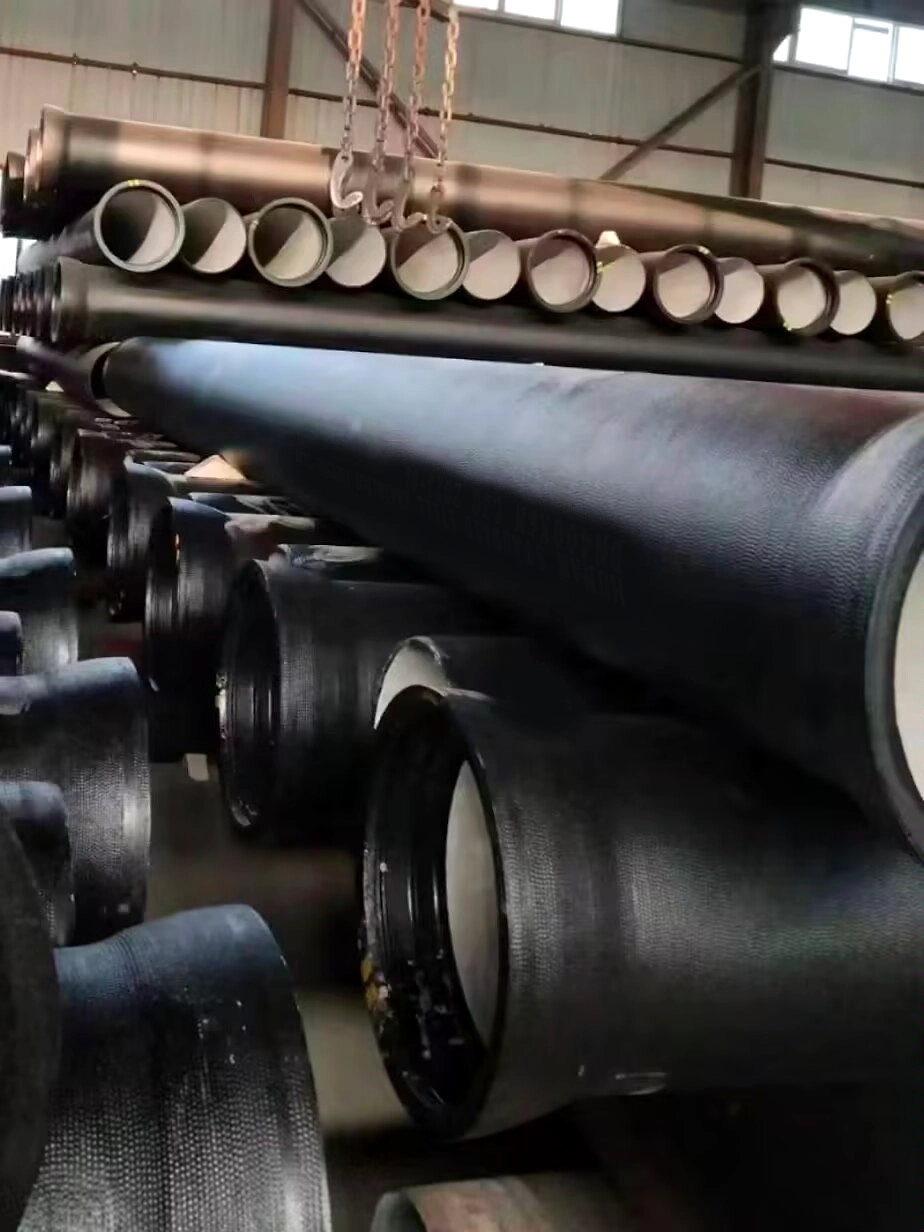
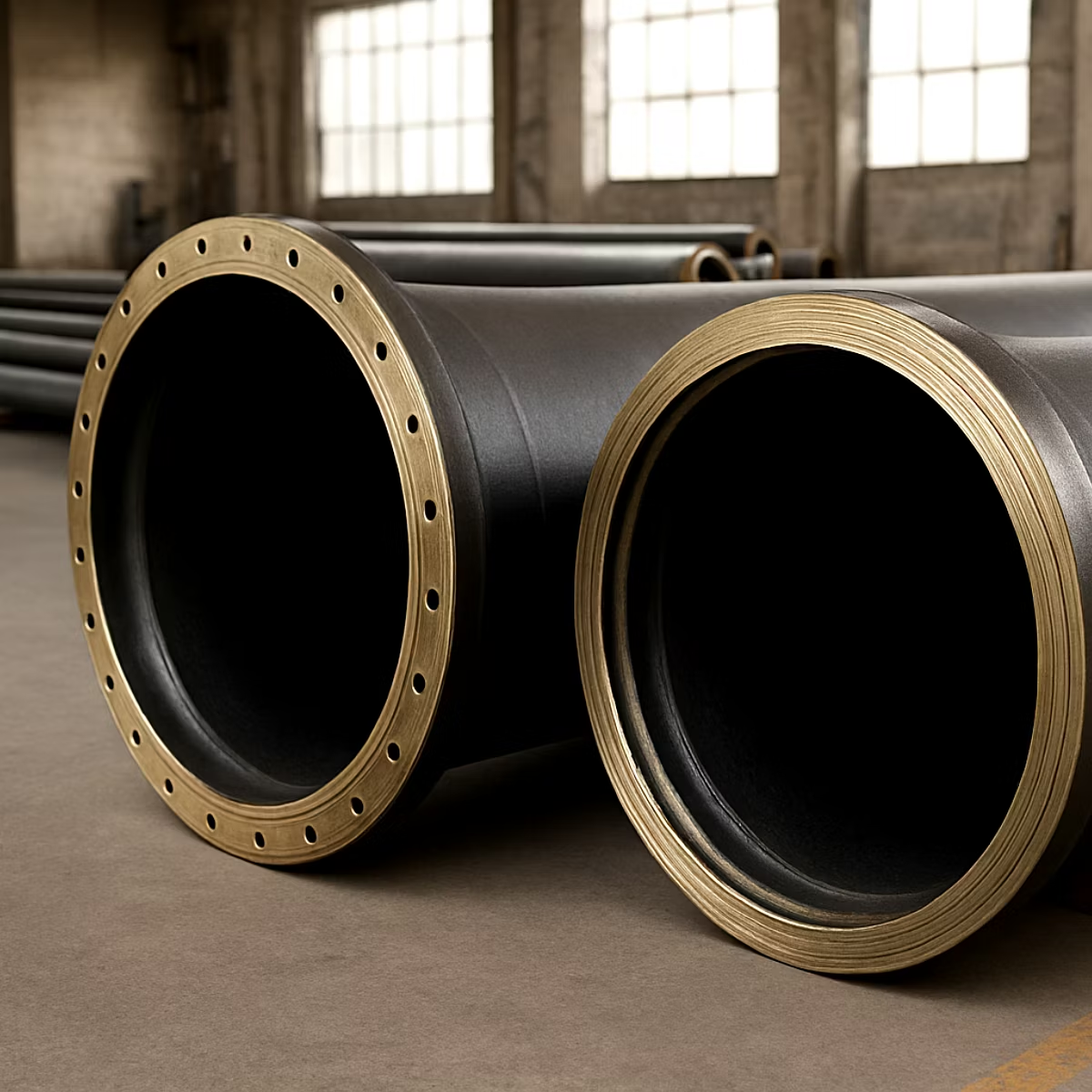
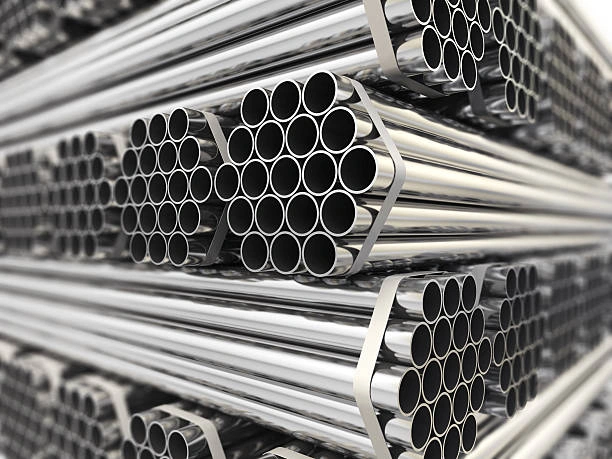
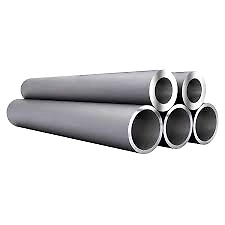
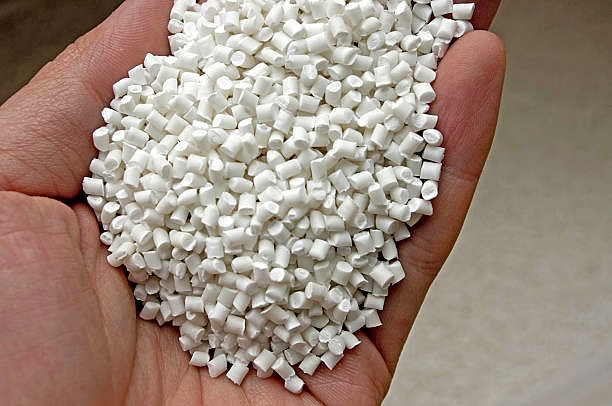
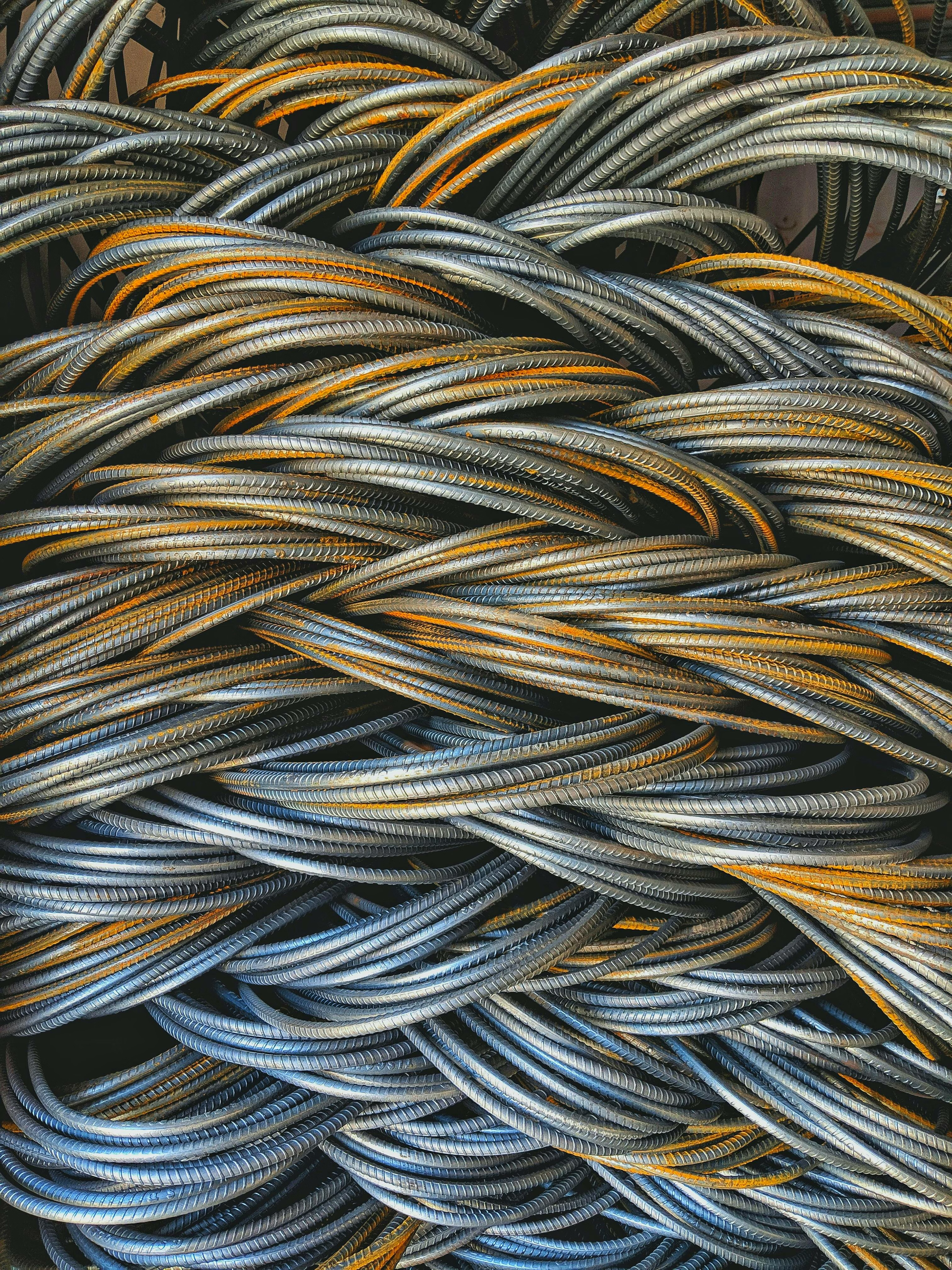
Iron feedstock is commonly used by structural fabricators, foundries, and component manufacturers. In fabrication yards, billets and bars are cut, welded, and formed; material cleanliness and consistent handling dimensions affect process stability. For foundry operations, cast feedstock must meet melting and chemistry expectations to produce consistent casting results. Procurement should plan delivery timing around melting cycles and fabrication schedules to avoid production interruptions.
Storage recommendations include dry, covered stacking and segregation from contaminants. Palletized loads simplify offloading at yards and reduce manual handling risk. Lot identifiers and dispatch checks reduce receiving friction and speed QA acceptance.
Commercial Applications & Buyer Fit
This iron offering suits contractors, fabrication shops, and foundries requiring dependable feedstock and predictable deliveries. Buyers engaged in project procurement benefit from scheduled batch runs and coordinated packaging to match onsite handling capabilities. For tenders or long-term contracts, specifying documentation and packaging at RFQ stage helps align dispatch and acceptance criteria.
When additional test data is required, buyers should request specific assay or dimensional checks at enquiry time so dispatch documentation can be prepared accordingly.
Customization & Branding Options
- Specification Flexibility: Packaging style and bundle sizes can be tailored to yard handling and melting requirements.
- Branding Support: Buyer-specific labels or identification tags may be applied to palletized loads for project tracking.
- Packing Formats: Bundles, palletized billets, or crate packing for cast feedstock are available per dispatch plan.
- Commercial Fit: Volume commitments and schedule alignment enable streamlined procurement for repeat buyers.
Request Bulk Pricing
Provide required feedstock form, estimated monthly volume, and packaging preference to obtain tiered pricing and delivery timelines. Stated documentation needs help plan pre-dispatch checks and acceptance procedures.
Frequently Asked Questions
- What documentation accompanies iron shipments for project deliveries? Shipments include lot identifiers and a dispatch inspection note covering visual checks and packing details for receiving inspection.
- How is bulk pricing determined for iron feedstock? Pricing depends on requested feedstock form, volume commitment, and packaging; larger recurring volumes typically attract scaled pricing.
- What quality checks are performed before dispatch? Outgoing consignments receive visual inspection and lot marking; additional laboratory tests can be arranged on request.
- What palletization and loading options are available for site delivery? Bundle and pallet formats are available; special crate packing can be organized for sensitive cast feedstock.
Description provided by indian stalwart global sourcing company.

 FIEO Registered
Export Ready
FIEO Registered
Export Ready