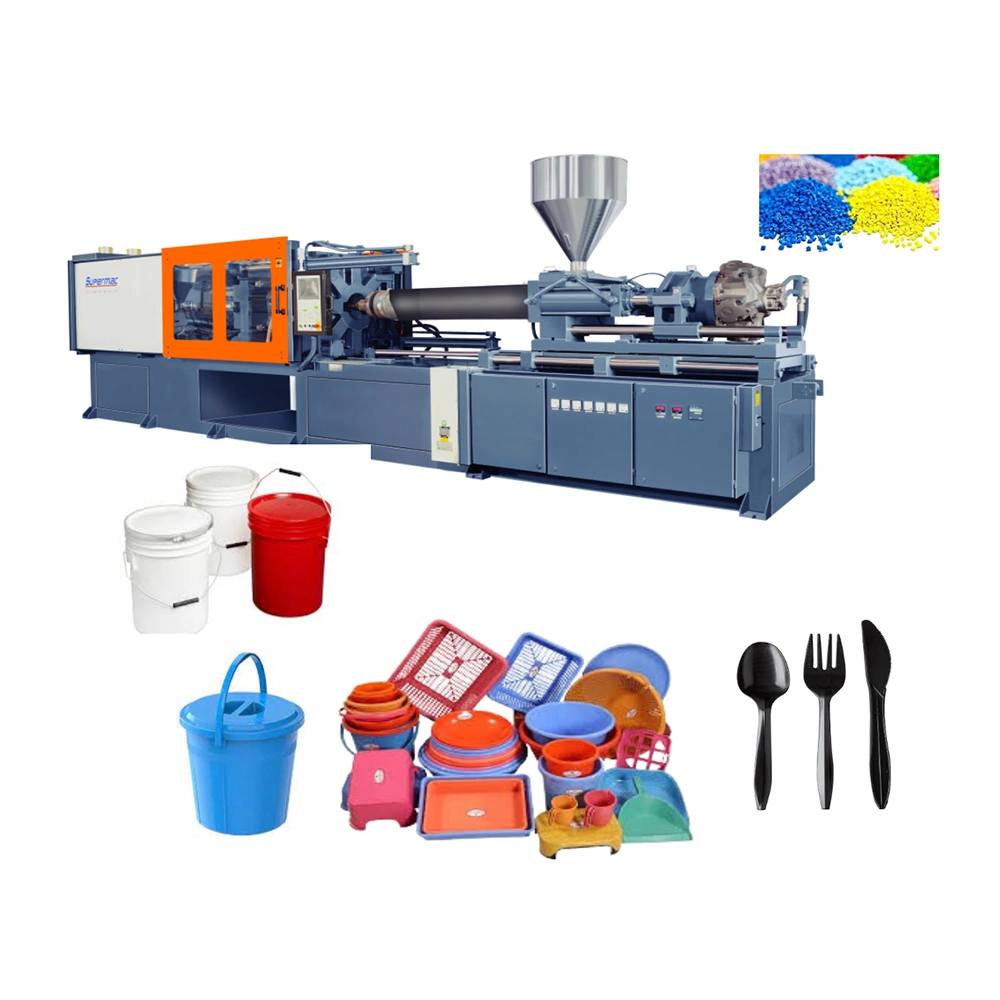
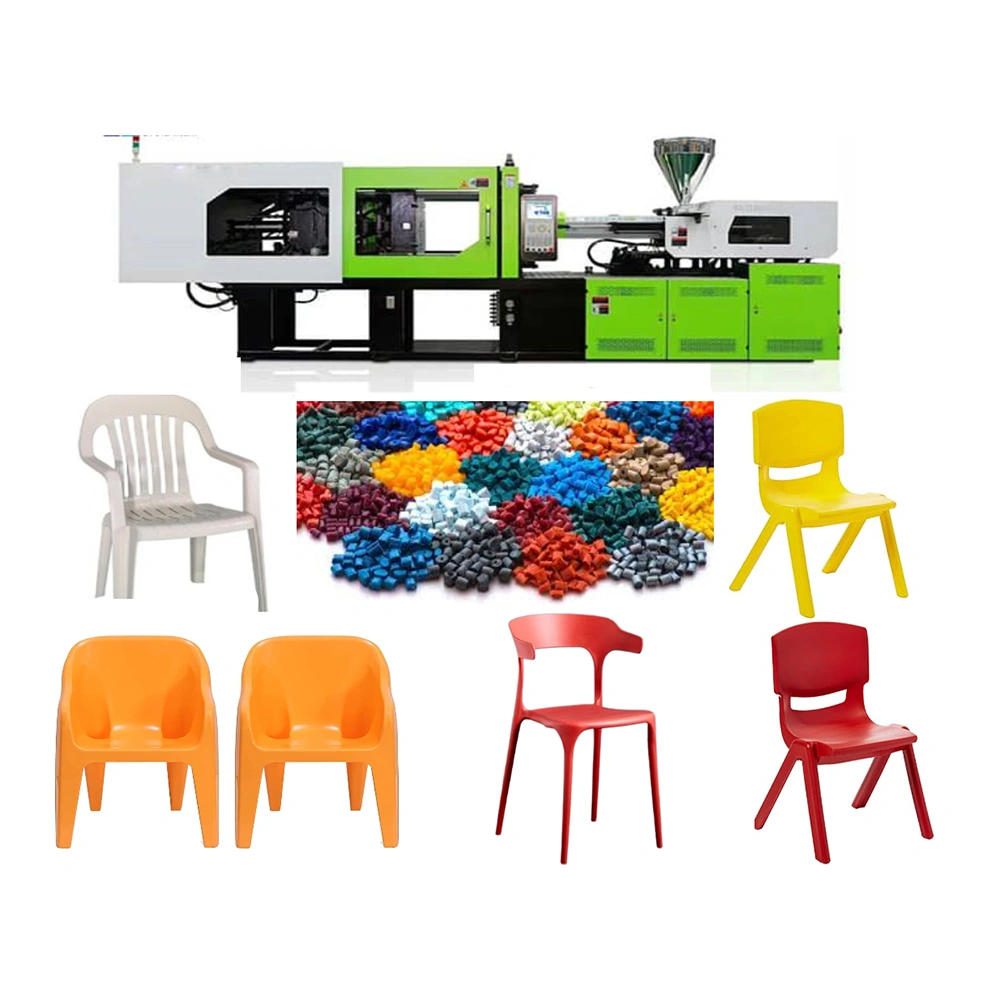
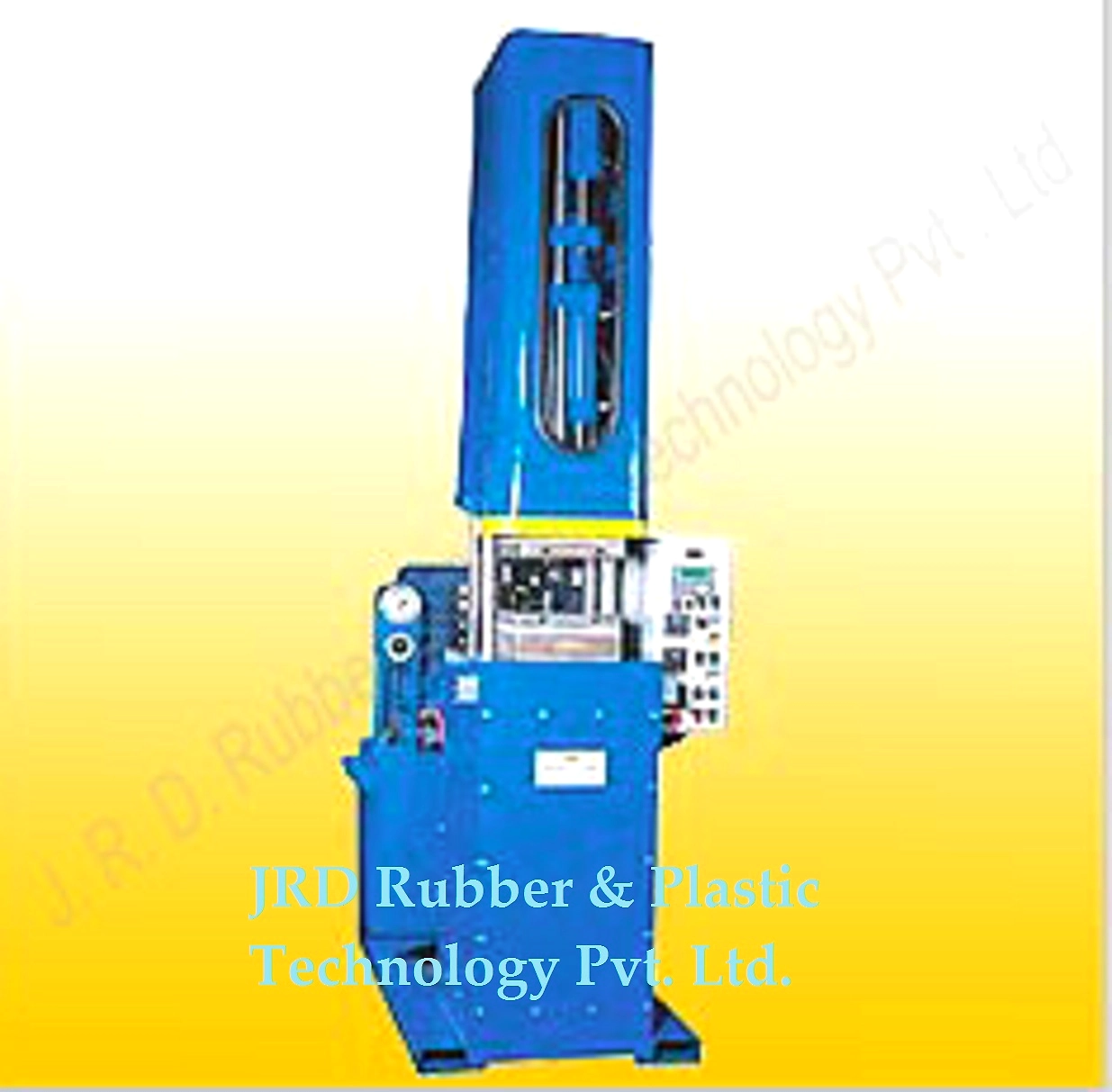
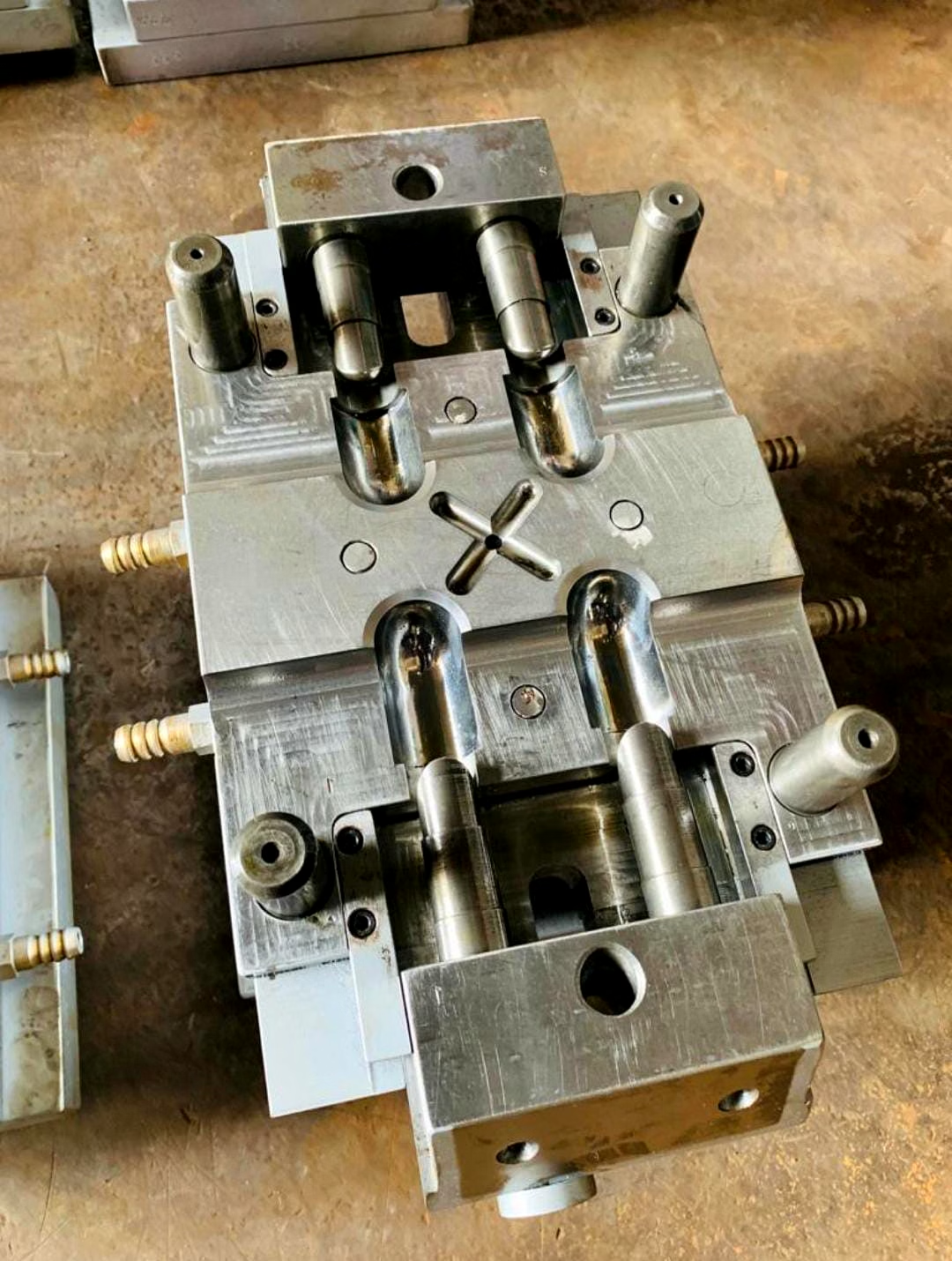
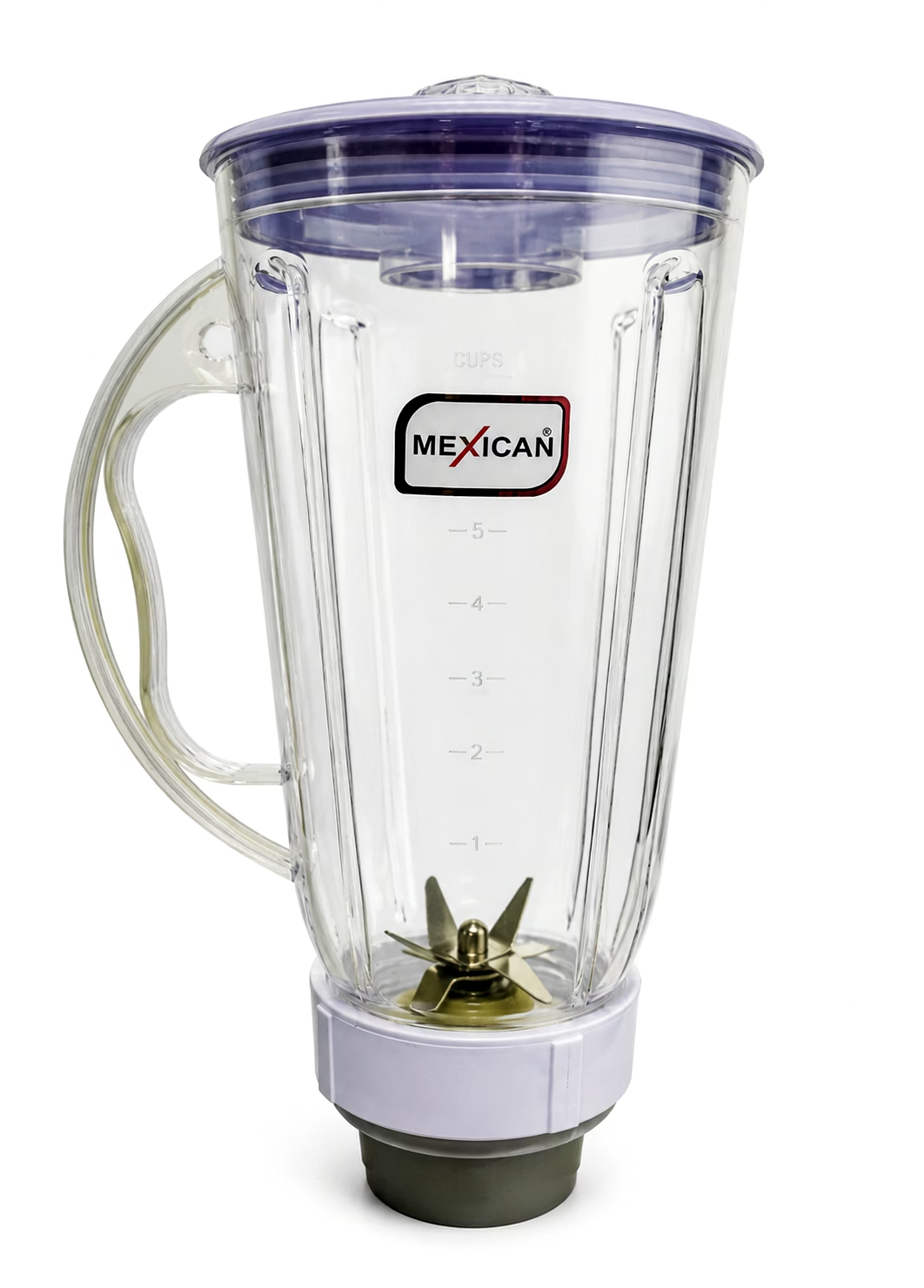
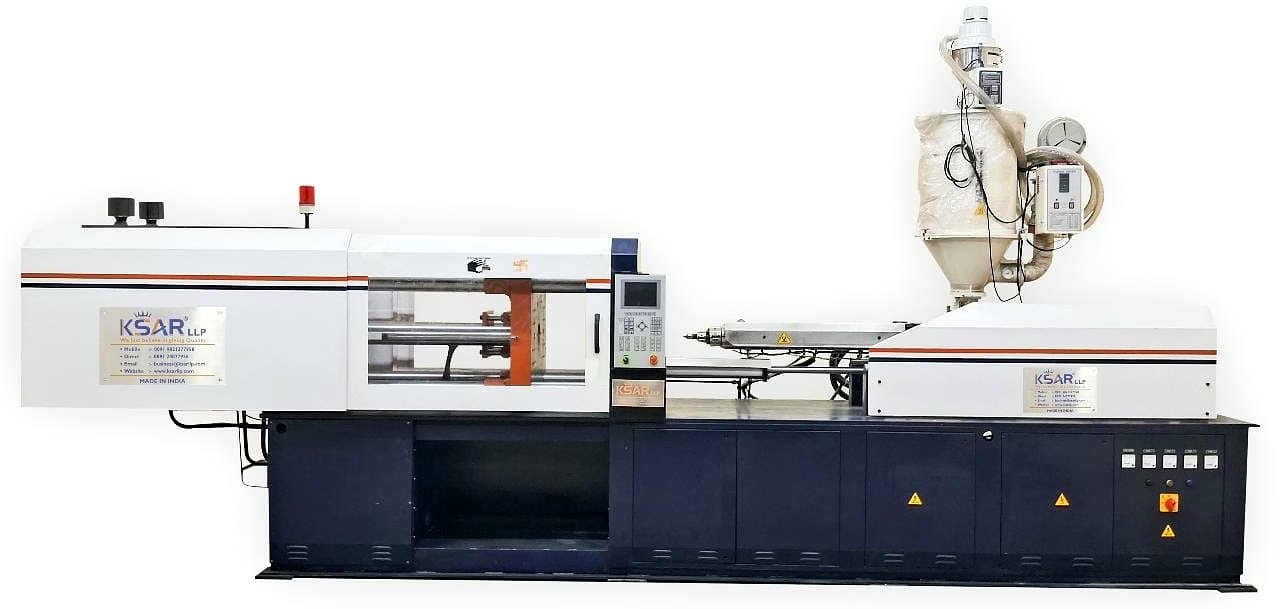
Injection-molding machines are advanced industrial equipment designed for manufacturing plastic parts by injecting molten plastic material into molds. These machines are critical in various industries including automotive, consumer goods, electronics, and medical devices for producing high-precision, consistent, and complex plastic components. The machines consist of two main parts: the injection unit that melts and injects the plastic and the clamping unit that holds the mold in place. Modern injection-molding machines offer features like programmable controls, energy-efficient operation, and customizable injection speed and pressure to optimize the molding process. They support a wide range of thermoplastics and thermosetting polymers, enabling manufacturers to produce diverse product lines from small intricate components to large parts with high efficiency and minimal waste. With capabilities such as multi-component injection, servo motor drives, and fast cycle times, these machines increase productivity and reduce operational costs in plastic manufacturing setups.
Key Features
| Features | Description |
|---|---|
| Clamping Force | Range from 50 tons to over 3000 tons |
| Injection Capacity | From a few grams to several kilograms per shot |
| Material Compatibility | Thermoplastics, thermosetting plastics, and elastomers |
| Control System | Computerized with touch screen interface for precise process control |
| Drive Type | Hydraulic, electric, or hybrid drives |
| Cycle Time | Optimized to enhance production speed depending on part complexity |
| Customization | Supports multi-component and multi-color injection molding |
| Energy Efficiency | Equipped with servo motors and advanced energy-saving systems |
| Automation Compatibility | Integrates with robotic arms and material handling equipment |
| Safety Features | Includes emergency stop, safety interlocks, and protective enclosures |
| Attributes | Description |
|---|---|
| Machine Size | Varies by clamping force and injection volume |
| Max Mold Thickness | Up to 600 mm (varies by model) |
| Injection Pressure | Up to 2500 bar |
| Voltage | 380V / 460V / Customized based on user requirement |
| Operating Temperature | Ambient to 400°C depending on material |
| Mold Mounting Plate Dimensions | Customizable based on customer mold size |
| Machine Weight | From 1500 kg to 50,000 kg |
| Warranty | Standard 12 months with optional extended service packages |
| Brand | Available from multiple reputed manufacturers |
| Installation & Training | Provided by supplier with on-site commissioning |
*Disclaimer: The above description has been AI-generated and has not been audited or verified for accuracy. It is recommended to verify product details independently before making any purchasing decisions.
Yes, many models support multi-component and multi-color injection molding processes, allowing production of complex parts with varied materials or colors in a single cycle.
Injection-molding machines come with hydraulic, electric, and hybrid drive options. Electric and hybrid drives generally offer higher energy efficiency, precise control, and quieter operation compared to traditional hydraulic systems.
Yes, these injection-molding machines are designed to easily integrate with robotic arms and automation systems to streamline post-molding handling and improve production throughput.
Clamping force determines the size and complexity of molds that can be used. Machines with higher clamping force handle larger molds and produce bigger parts, while lower tonnage machines are suited for small precision parts.
Suppliers typically offer installation support, operator training, and maintenance services, including preventive maintenance schedules and availability of spare parts to ensure reliable long-term operation.
Brand: ksar llp
Country Of Origin: India