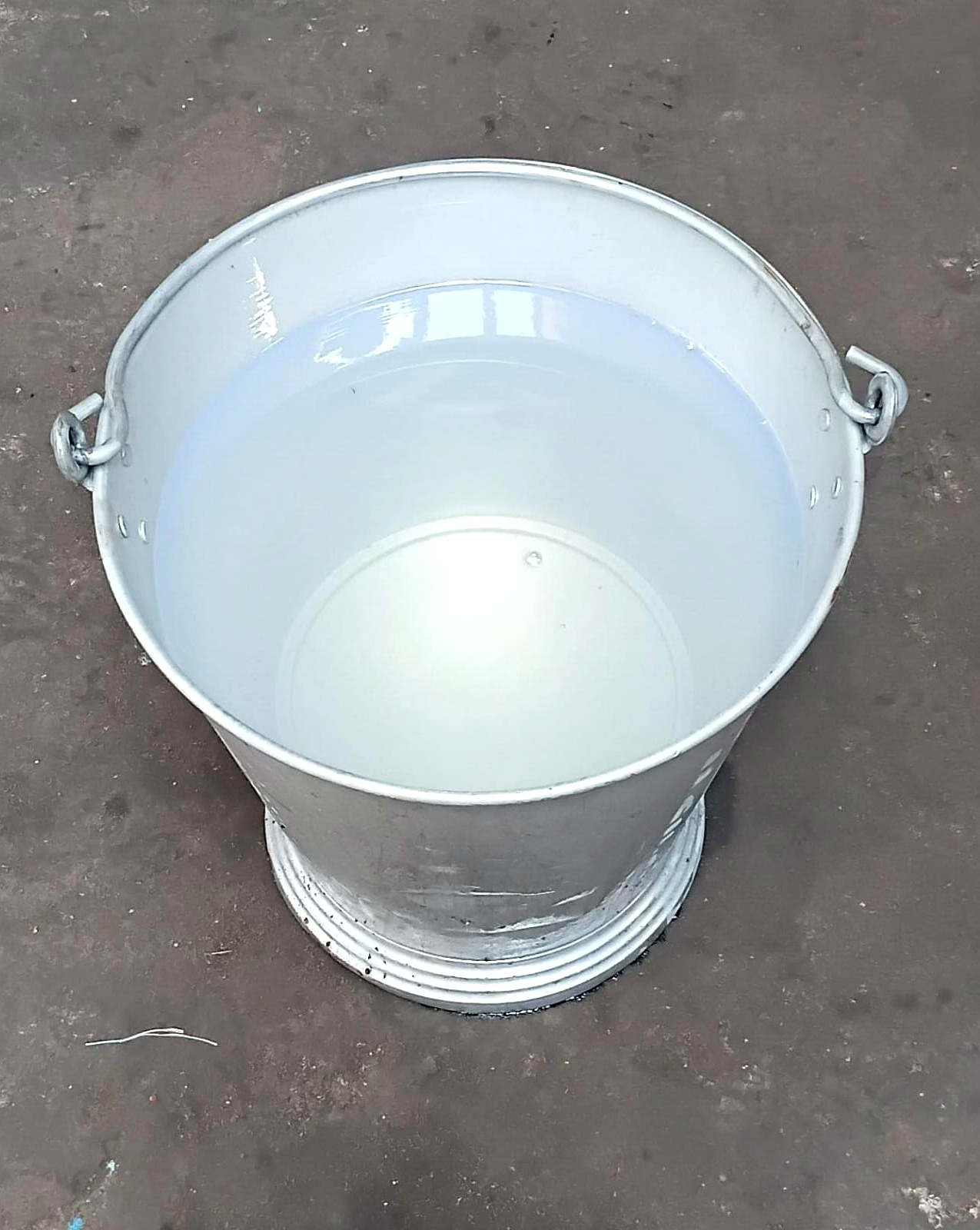
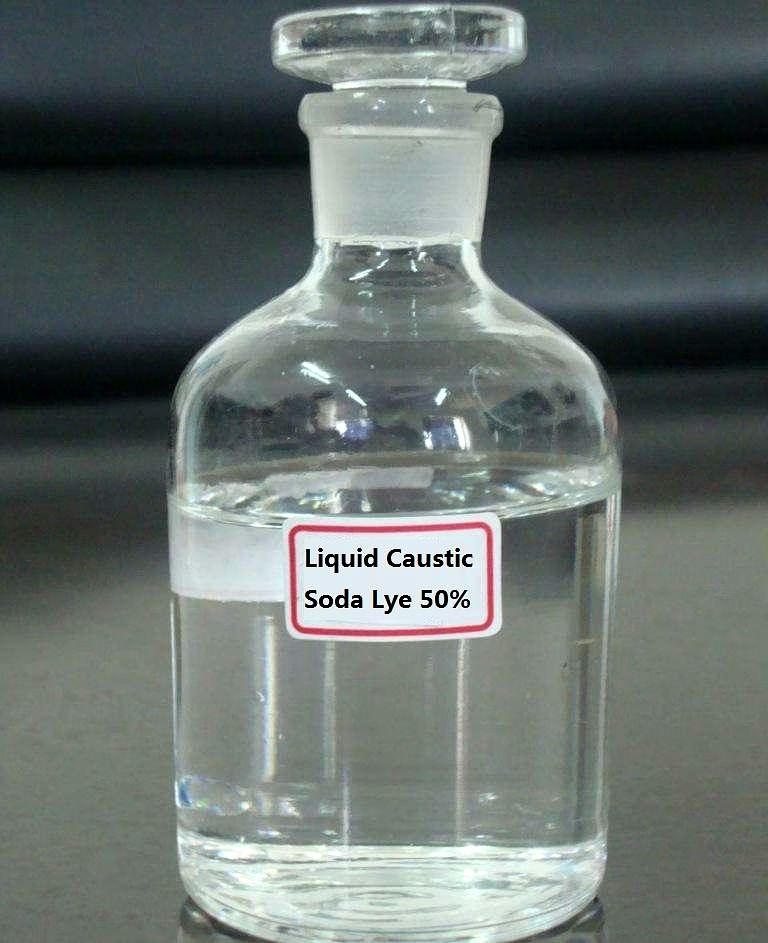
Hydrochloric Acid is a highly corrosive, clear to slightly yellow liquid acid with the chemical formula HCl. It is obtained by dissolving hydrogen chloride gas in water and is available commercially in concentrations ranging from 30% to 37%, primarily for industrial applications. This acid is pivotal across various industries including chemical manufacturing where it aids in producing vinyl chloride for PVC and organic/inorganic synthesis; steel and metal industry for pickling processes to remove rust and scale; water treatment plants for pH control and neutralization of alkaline water; food industry as an acidulant and in the production of food additives like corn syrup; pharmaceuticals industry for active ingredient production and pH adjustment; and household cleaning products such as toilet bowl cleaners and descalers. Hydrochloric Acid demands rigorous safety precautions due to its corrosive nature and toxic fumes. It must be stored in corrosion-resistant containers like HDPE or FRP and handled only with appropriate personal protective equipment including acid-resistant gloves, goggles, and clothing in well-ventilated areas. Environmentally, it poses risks to aquatic life if untreated and is usually neutralized before disposal using alkaline substances such as lime or soda ash. Commercially, it is packed in carboys, drums, tankers, or IBC totes, making it suitable for diverse industrial-scale requirements. Alternative names include Muriatic Acid (commonly in cleaning applications) and Spirits of Salt (historical term).
Key Features
| Features | Description |
|---|---|
| Chemical Formula | HCl |
| Concentration | Typically 30% to 37% for industrial use |
| Physical Appearance | Clear to slightly yellow liquid |
| Odor | Pungent |
| Primary Industrial Uses | Chemical manufacturing, steel pickling, water treatment, food additives, pharmaceuticals, household cleaning |
| Packaging Options | Carboys (35-50 kg), drums (250 kg), tankers, IBC totes |
| Storage Requirements | Corrosion-resistant containers (HDPE, FRP), well-ventilated area |
| Safety Precautions | Use PPE (gloves, goggles, acid-resistant clothing), avoid inhalation of fumes |
| Environmental Handling | Neutralize with alkaline solutions before disposal to protect aquatic life |
| Common Synonyms | Muriatic Acid, Spirits of Salt |
| Attributes | Description |
|---|---|
| Purity Range | 30% to 37% concentration |
| Physical State | Liquid |
| Density | Approximately 1.16 g/cm³ (varies with concentration) |
| Boiling Point | Approximately 110 °C (aqueous solution) |
| pH | Strongly acidic (pH < 1 in concentrated form) |
| Corrosiveness | Highly corrosive to metals and tissues |
| Packaging Material | HDPE or FRP containers |
| Odor Threshold | Strong pungent smell detectable at low concentrations |
| Storage Temperature | Store at ambient temperature, avoid freezing and excessive heat |
| Hazards | Caustic burns, respiratory irritation, aquatic toxicity |
*Disclaimer: The above description has been AI-generated and has not been audited or verified for accuracy. It is recommended to verify product details independently before making any purchasing decisions.
Hydrochloric Acid is primarily available in concentrations between 30% and 37%, suited for various industrial applications including steel pickling and chemical manufacturing.
Handling Hydrochloric Acid requires personal protective equipment such as acid-resistant gloves, goggles, and clothing. It must be used in well-ventilated spaces to avoid inhalation of toxic fumes, and stored in corrosion-resistant containers like HDPE or FRP.
In the steel industry, Hydrochloric Acid is utilized for pickling, which involves removing rust and scale from iron and steel to prepare it for further processing.
Hydrochloric Acid is commercially supplied in carboys ranging 35-50 kg, drums of 250 kg, large tankers, and IBC totes depending on the volume and industrial needs.
Industries must neutralize Hydrochloric Acid with alkaline substances such as lime or soda ash before disposal to prevent harm to aquatic life and comply with environmental regulations.
What is Hydrochloric Acid?
Hydrochloric acid is a strong, highly corrosive acid formed by dissolving hydrogen chloride gas (HCl) in water. It is a clear, colorless to slightly yellow liquid with a pungent odor.
Chemical Formula: HCl
Concentration Range: Typically available in 30% to 37% concentration for industrial use
🏭 Industrial Applications
Hydrochloric acid is widely used across many industries:
Chemical Manufacturing
Producing vinyl chloride for PVC
Organic and inorganic chemical synthesis
Steel and Metal Industry
Pickling of steel: Removes rust and scale from iron and steel before further processing
Water Treatment
pH control and neutralization of alkaline water
Food Industry
Used in making food additives like corn syrup, and as an acidulant in processing
Pharmaceuticals
For producing active ingredients and as a pH adjuster
Household Products
Found in toilet bowl cleaners and descaling agents
⚠️ Safety & Handling
Highly corrosive: Can cause severe burns to skin and eyes
Toxic fumes: Inhalation can damage respiratory system
Storage: Must be stored in corrosion-resistant containers (HDPE or FRP) in a well-ventilated area
Always use with PPE: gloves, goggles, acid-resistant clothing, and ensure proper ventilation.
♻️ Environmental Impact
Can be hazardous to aquatic life if released untreated
Neutralization with alkaline solutions (e.g., lime or soda ash) is common before disposal
📦 Commercial Packaging
Available in carboys (35-50 kg), drums (250 kg), tankers, or IBC totes
Usually sold in 30%, 33%, or 35–37% concentrations depending on industry use
📍 Common Names
Muriatic Acid (common name, especially in cleaning products)
Spirits of Salt (older term)
If you want a product-specific TDS or MSDS, or suppliers in your region like Shiva Group or Pearl Polymers, I can help with that too. Just let me know the context (buying/selling, industrial use, regulatory info, etc.).
Inclusive of all taxes
You Save: 0
Medchal Malkajgiri
Manufacturer, Retailer, Brand Owner, Distributor, Importer, Wholesaler, Women Entrepreneur