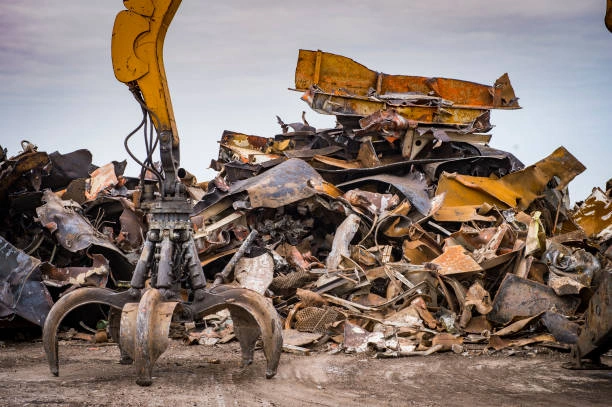
HMS (Heavy Melting Steel) represents two critical categories in the realm of scrap metal recycling: HMS 1 and HMS 2. These steel scraps are primarily generated from industrial scrap and obsolete structural components. The essential difference between these two categories lies in their content and permissible plate thickness. HMS 1 scrap is free from galvanized and blackened steel components, which makes it a higher-grade product. In contrast, HMS 2 includes such components, making it a lower-grade steel scrap. Our HMS products are typically sold as a premium blend, reflecting ratios such as 80% HMS 1 to 20% HMS 2 (80/20), or at lower grades such as 70/30 and 60/40 blends. Each category guarantees a minimum thickness that enhances its recyclability and usability in manufacturing processes. Specifically, HMS 1 must have a minimum piece thickness of 1/4 inch (6.3 mm), while HMS 2 requires a minimum thickness of 1/8 inch. Our HMS offerings ensure compliance with international recycling standards and quality specifications, serving a diverse range of industries including construction, automotive, and manufacturing. Investing in high-grade HMS products means opting for quality, reliability, and sustainable practices in metal recycling, reducing the environmental impact and promoting circular economy initiatives.
Key Features
| Features | Description |
|---|---|
| Product Type | Heavy Melting Steel (HMS) |
| Grade Categories | HMS 1 and HMS 2 |
| HMS 1 Content | Free from galvanized and blackened steel |
| HMS 2 Content | Contains galvanized and blackened steel |
| Thickness Guarantee (HMS 1) | Minimum of 1/4 inch (6.3 mm) |
| Thickness Guarantee (HMS 2) | Minimum of 1/8 inch |
| Premium Blend Ratio | 80% HMS 1 : 20% HMS 2 |
| Lower Grade Ratios | 70% HMS 1 : 30% HMS 2 and 60% HMS 1 : 40% HMS 2 |
| Attributes | Description |
|---|---|
| Product Format | Scrap Metal |
| Blend Types | Premium and Lower Grade |
| Market Application | Construction, Automotive, Manufacturing |
| Recyclability | Highly recyclable material |
| Environmental Impact | Promotes Circular Economy initiatives |
*Disclaimer: The above description has been AI-generated and has not been audited or verified for accuracy. It is recommended to verify product details independently before making any purchasing decisions.
The main difference lies in the content: HMS 1 is free from galvanized and blackened steel, while HMS 2 includes these materials.
HMS 1 is guaranteed to have a minimum thickness of 1/4 inch (6.3 mm), while HMS 2 has a minimum thickness of 1/8 inch.
Common blends include premium mixes like 80% HMS 1 to 20% HMS 2 and lower grade mixes such as 70% HMS 1 to 30% HMS 2 and 60% HMS 1 to 40% HMS 2.
HMS scrap is widely used in industries such as construction, automotive, and manufacturing due to its high recyclability.
Yes, HMS promotes sustainable manufacturing practices by providing a recyclable material that reduces environmental impact.
HMS 1, HMS 2 Scrap
PRODUCT SPECIFICATIONS:
Heavy melting steel (HMS) or heavy melting scrap is broken up into two major categories: HMS 1 and HMS 2, where HMS 1 does not contain galvanized and blackened steel, whereas HMS 2 does. HMS is typically traded as a blend of 1 and 2, either a premium blend (80/20) or lower grade mixes (70/30) and (60/40). For example, HMS 1 and 2 (80/20) should consist of HMS 1 and 2 in the ratio of 80% (HMS 1) and 20% (HMS 2).
Each grade guarantees a minimum piece thickness: at least 1/4 inch (6.3 mm) for HMS 1, and 1/8 in for HMS 2
Inclusive of all taxes
You Save: 0
Pune , India
Manufacturer, Trader, Brand Owner, Exporter, Importer, Merchant
Stay informed with the latest market trends, quality guides, and industry analysis