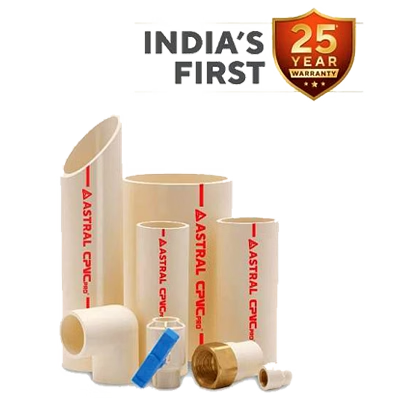
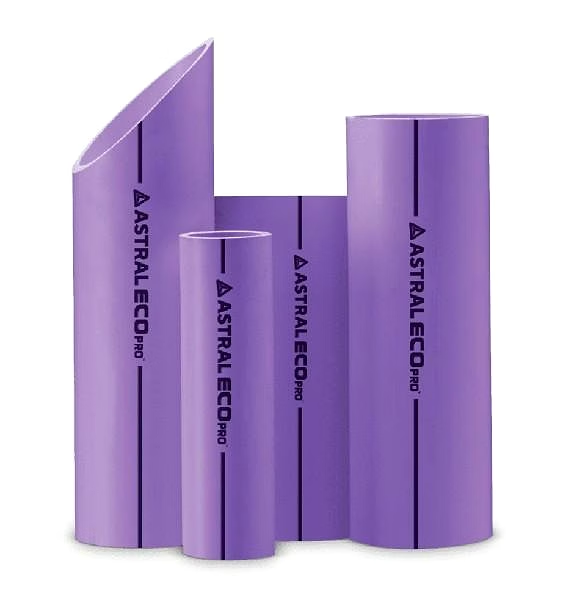
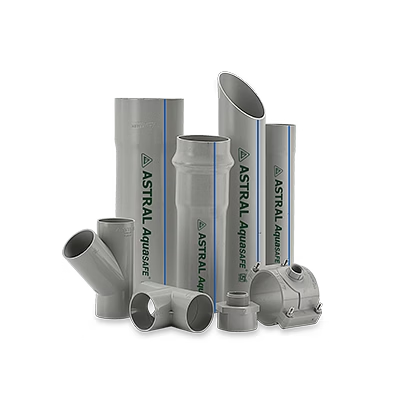
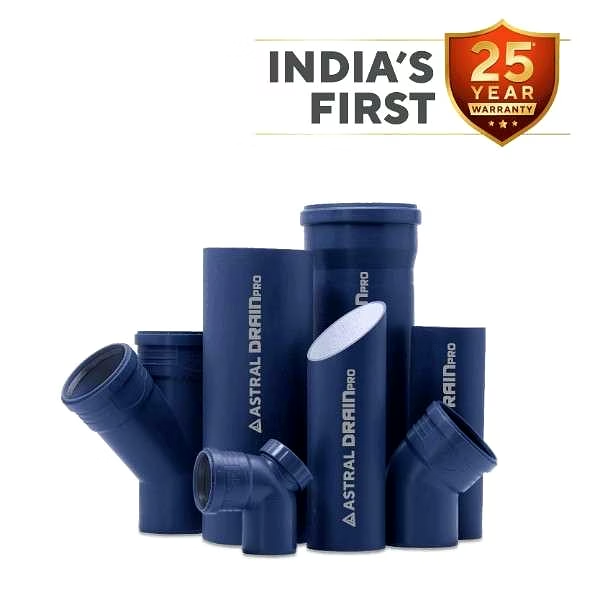
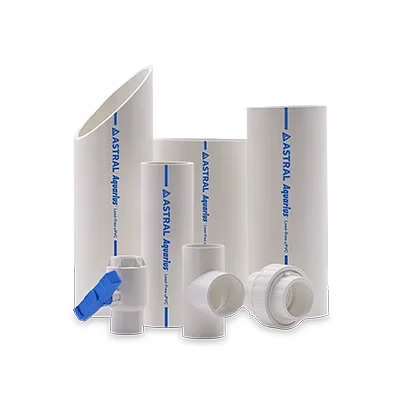
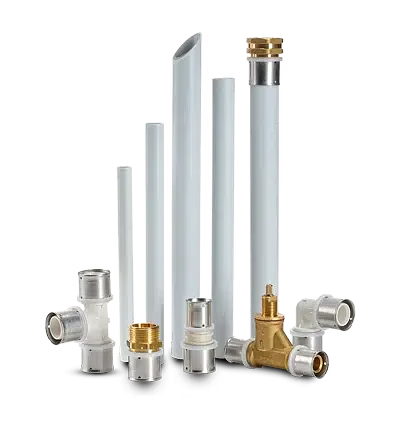
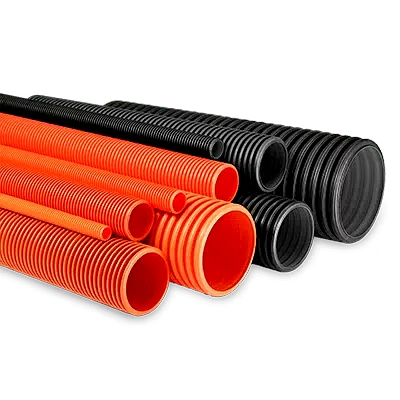
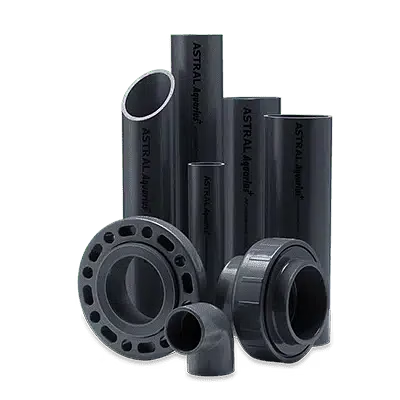
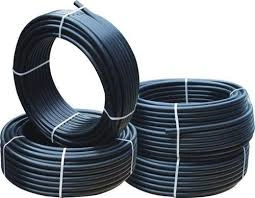
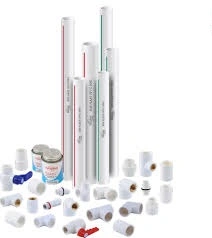
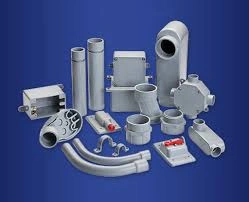
HDPE pipes (High-Density Polyethylene) are durable, flexible, and resistant thermoplastic polymer pipes that have gained immense popularity across various industries for their strength and longevity. Ideal for applications such as water supply, gas transportation, and sewage systems, HDPE pipes excel in outdoor environments due to their capability to withstand extreme temperatures. They are also chemically resistant, making them suitable for transporting hazardous materials. The lightweight nature of HDPE pipes allows for easy transportation and installation, contributing to their cost-effectiveness and minimal maintenance needs. With a lifespan of several decades without performance degradation, HDPE pipes are a reliable choice for long-term applications.
Key Features
| Features | Description |
|---|---|
| Material | High-Density Polyethylene (HDPE) |
| Durability | Lasts for decades without degradation |
| Flexibility | Can be bent and shaped for various applications |
| Chemical Resistance | Resistant to a wide range of chemicals |
| Temperature Tolerance | Withstands extreme temperatures effectively |
| Weight | Lightweight for easy transport and installation |
| Maintenance | Requires minimal maintenance over its lifespan |
| Applications | Suitable for water supply, gas, sewage, and more |
| Attributes | Description |
|---|---|
| Diameter Range | Available in various diameters from 16mm to 1000mm |
| Length Options | Available in standard lengths of 6m or 12m (custom lengths on request) |
| Pressure Rating | SDR 11, SDR 17, SDR 21, and SDR 26 |
| Standards Compliance | Complies with ISO 4427 and ASTM D3035 standards |
| Color | Typically black, with blue stripes for water, yellow for gas |
| Jointing Method | Electrofusion, butt fusion, or mechanical fittings available |
| Service Life | Designed for a minimum service life of 50 years |
*Disclaimer: The above description has been AI-generated and has not been audited or verified for accuracy. It is recommended to verify product details independently before making any purchasing decisions.
HDPE pipes are commonly used for water supply, gas transportation, sewage systems, and industrial applications due to their versatility and durability.
HDPE pipes offer greater flexibility, chemical resistance, and a longer service life compared to PVC pipes, making them suitable for a wider range of applications.
HDPE pipes can be installed using various jointing methods such as electrofusion, butt fusion, and using mechanical fittings for reliable connections.
Yes, HDPE pipes are recyclable and have a lower carbon footprint compared to many traditional piping materials.
HDPE pipes are designed for a minimum service life of 50 years, ensuring long-term performance and reliability.
Country Of Origin: India
HDPE pipes are a type of thermoplastic polymer pipe that is made from high-density polyethylene. These pipes have gained immense popularity in recent years due to their durability, strength, and flexibility. They are commonly used in a variety of applications such as water supply, gas transportation, and sewage systems.
High-density polyethylene is a versatile material that can withstand extreme temperatures, making it perfect for outdoor use. It is also resistant to chemicals, making it ideal for transporting hazardous materials. Additionally, HDPE pipes are lightweight, making them easy to transport and install.
One of the key benefits of HDPE pipes is their longevity. They are known to last for decades without any degradation in their performance. This makes them a cost-effective option in the long run as they require minimal maintenance and replacement.